

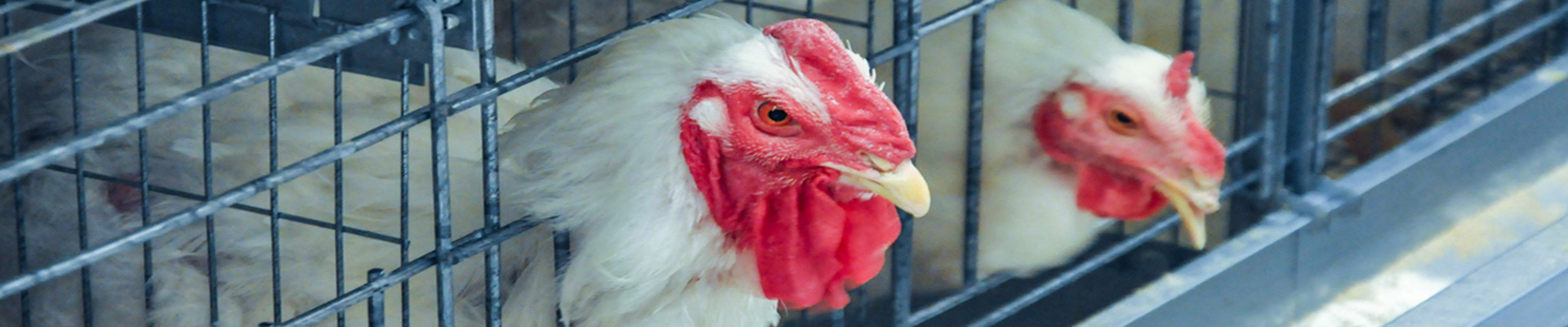
BLOG
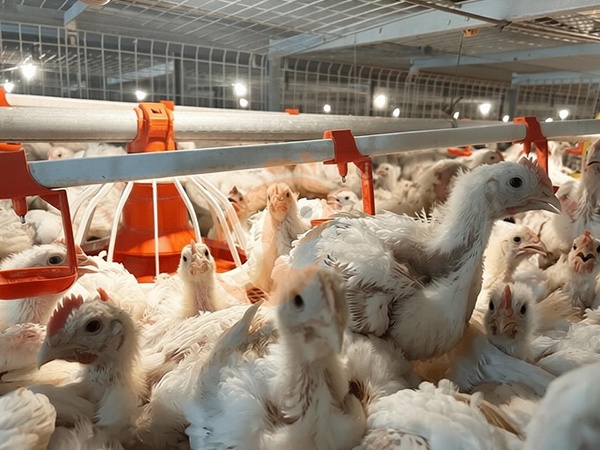
Broiler cage system engineering enables controlled poultry production with standardized density regulation and automated environmental stabilization.
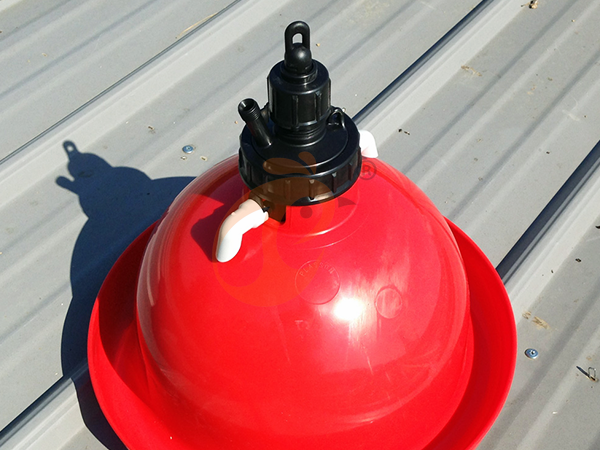
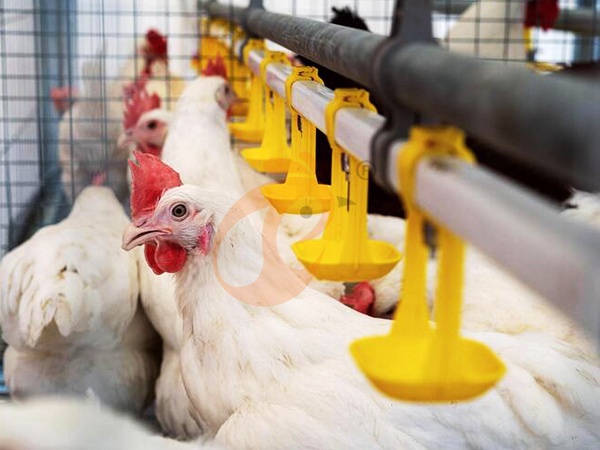
Structural integration improves feed conversion efficiency through mechanized delivery systems and synchronized water supply networks.
Ventilation modules maintain thermal equilibrium across multi-tier cage layouts.
Manure evacuation systems reduce microbial accumulation within confined rearing environments.
Production scheduling aligns growth phases with uniform output performance across commercial poultry farms.
Get professional poultry farm construction guidance, equipment selection solutions, and the latest price lists, whatsApp to +8618830120193, click to learn more:
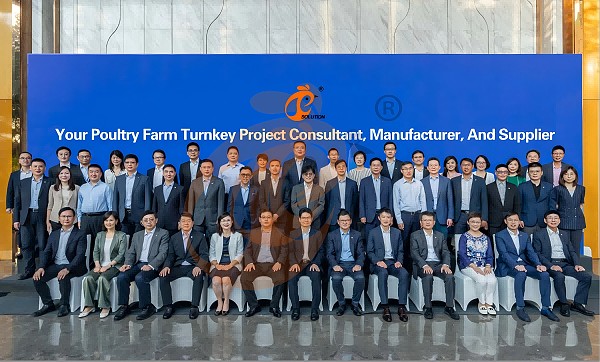
Introduction
Engineering structure defines broiler cage system performance through mechanical precision and environmental synchronization.
Feed distribution pipelines ensure uniform nutrient delivery across cage tiers.
Water supply networks stabilize hydration rate per bird unit.
Ventilation control systems regulate ammonia concentration and temperature gradients.
Manure removal automation supports hygienic production cycles within high-density poultry housing infrastructure.
System Structure And Product Composition
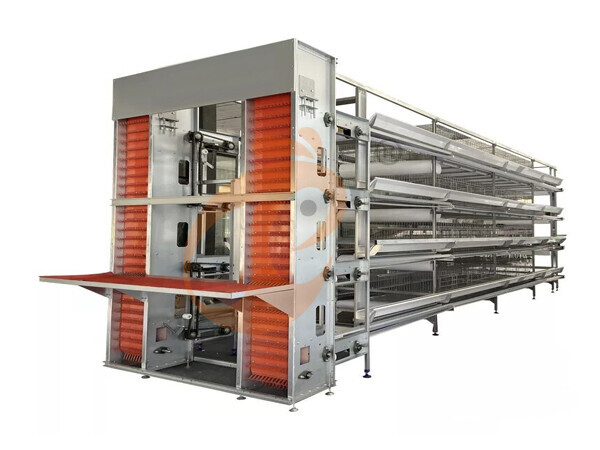
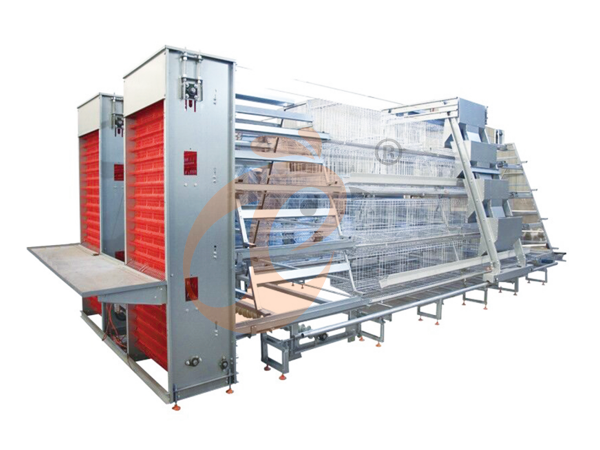
A broiler chicken cage system is a complete engineering unit integrating mechanical housing, automated feeding lines, and environmental regulation modules.
Structural integrity determines production stability in broiler chicken cage systems used in commercial poultry farms.
Data is for reference only.Swipe horizontally to view full table.
Poultry Growth Science In Cage Systems
Broiler metabolism converts feed energy into muscle tissue under controlled poultry farming equipment environments.
Cage confinement reduces locomotion energy expenditure and increases protein deposition efficiency.
Growth curve stabilization depends on thermal regulation consistency and nutrient absorption rate within poultry farming equipment systems.
Farm Infrastructure And Installation Requirements
Engineering deployment of broiler cage systems requires structural reinforcement and electrical load distribution calibration.
Poultry house geometry must align with poultry farming equipment airflow optimization standards.
Data is for reference only.Swipe horizontally to view full table.
Chick Placement And Stocking Density Management
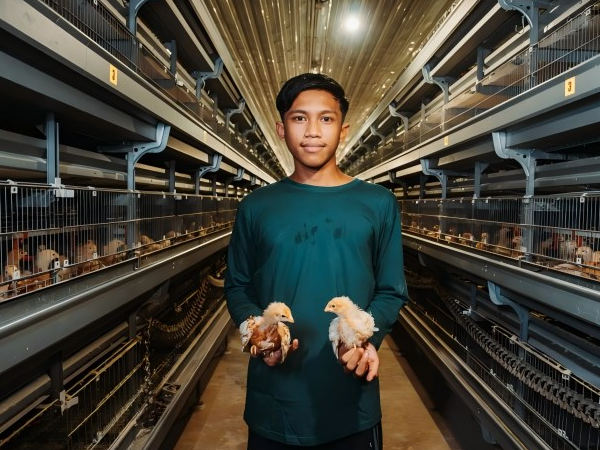
Day-old chicks are introduced into automatic chicken cage system units after thermal stabilization procedures.
Stocking density is calculated based on cage surface allocation and target slaughter weight.
Data is for reference only.Swipe horizontally to view full table.
Environmental Control System Operation
Automatic chicken cage system environmental control regulates temperature gradients, humidity balance, and ammonia concentration through sensor-driven feedback loops.
Ventilation fan arrays maintain airflow velocity equilibrium across cage tiers.
Data is for reference only.Swipe horizontally to view full table.
Feed System And Nutritional Programming
Broiler feed delivery operates through automated poultry farming equipment conveyor mechanisms ensuring uniform distribution across cage trough systems.
Nutritional formulation varies according to metabolic growth phases.
Data is for reference only.Swipe horizontally to view full table.
Health Management And Disease Prevention
Biosecurity systems within broiler chicken cage systems rely on automated disinfection and scheduled immunization programs.
Waste belt systems reduce pathogen accumulation under cage structures.
Data is for reference only.Swipe horizontally to view full table.
Growth Monitoring And Harvest Scheduling
Production monitoring in automatic chicken cage system environments tracks weight uniformity, feed conversion ratio, and mortality distribution.
Harvest scheduling aligns with target live weight optimization.
Data is for reference only.Swipe horizontally to view full table.
System Performance And Production Output
Broiler cage systems used in poultry farming equipment configurations deliver measurable production efficiency per square meter.
Feed conversion ratio stability determines economic output per cycle.
Data is for reference only.Swipe horizontally to view full table.
Frequently Asked Questions
Q1: What is the typical capacity of broiler chicken cage systems per house?
Standard poultry houses support 20000 to 60000 birds depending on tier configuration.
Multi-layer broiler cage systems increase space utilization efficiency up to 3.5 times compared with floor systems.
Q2: What is the average feed conversion ratio in cage systems?
Commercial broiler chicken cage systems achieve feed conversion ratios between 1.55 and 1.75 kilograms feed per kilogram live weight under controlled environmental conditions.
Q3: How long is a full production cycle in automatic chicken cage system?
Production cycles typically range from 32 to 38 days depending on target market weight between 2.2 kg and 2.8 kg per bird.
Taiyu (HK) Group - One Of China Most Famous Broiler Chicken Cage Manufacturer
Broiler chicken cage systems engineered for high-density commercial poultry production farms.
Global factory direct supply integrated poultry farming equipment with automated control systems.
Industrial poultry cage solutions supporting ventilation, feeding, and manure removal automation.
Turn-key poultry engineering projects covering design, installation, and commissioning services.
Export-oriented manufacturing delivering large-scale broiler cage systems for international poultry farms.
Contact Us To Received Your Customized Poultry Farm Plan
Headquarters And Branchs

Hong Kong Headquarter Management Team
Hong Kong Headquarter Taiyu Industrial Group CO., LTD
China Hebei Best Machinery And Equipment CO., LTD
Nigeria Vanke Machinery And Equipment CO., LTD
Tanzania Best Machinery And Equipment CO., LTD
Ethiopia Best Hebei Machinery Manufacturing PLC




Reception /24 WhatsApp NO. : +8618830120193
PRODUCTS RECOMMENDED
 China Branch Manufacture Poultry Farm EquipmentRead More
 Ethiopia Branch Manufacture Poultry Farm EquipmentRead More
 Nigeria Branch Manufacture Poultry Farm EquipmentRead More
 Tanzania Branch Manufacture Poultry Farm EquipmentRead More
 IoT Smart Poultry FarmRead More
 >30,000 Layers Automatic H Type Battery CageRead More
 10,000 - 30,000 Layers Automatic A Type Battery CageRead More
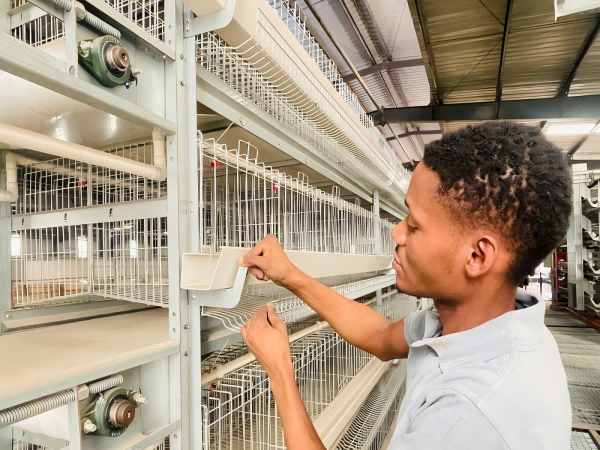
MESSAGE