

BLOG
Modern pellet machine systems improve poultry feed density and feeding uniformity across commercial chicken farms.
Advanced feed pellet mill technology reduces feed waste percentages inside automated poultry house environments.
Controlled poultry feed processing parameters stabilize pellet durability, moisture balance, and transportation efficiency.
Industrial biomass pellet machine structures support continuous agricultural production with lower maintenance frequency.
Scientific poultry feed manufacturing procedures optimize flock nutrition performance and operational energy consumption.
Get professional poultry farm construction guidance, equipment selection solutions, and the latest price lists, whatsApp to +8618830120193, click to learn more:
Understanding What A Pellet Machine Does
A pellet machine compresses crushed poultry feed materials into cylindrical pellets through pressure, friction, and thermal conditioning.
The equipment structure normally includes a feeder, conditioner, roller assembly, die chamber, cutter, gearbox, lubrication system, and electric motor.
During operation, crushed feed materials move through the die holes under continuous compression force generated by rotating rollers.
Processed feed pellets provide stable nutrient distribution for broiler farms, laying hen systems, and automated poultry feeding lines.
Modern feed pellet mill systems improve feed hygiene standards and reduce ingredient segregation during transportation procedures.
Data is for reference only.Swipe horizontally to view full table.
Why Pellet Feed Is Widely Used On Chicken Farms
Pellet feed technology improves feed intake consistency and decreases material separation during storage and conveying operations.
Powder feed frequently generates excessive dust accumulation inside enclosed poultry houses, while pellet feed minimizes airborne particles.
Commercial poultry farms use poultry feed processing systems to improve broiler growth performance and reduce feed wastage percentages.
Uniform pellet dimensions also support automatic feeding line stability inside modern poultry equipment systems.
Data is for reference only.Swipe horizontally to view full table.
Preparing Raw Materials Before Operation
Correct raw material preparation directly affects pellet density, die lifespan, and machine production efficiency.
Oversized particles and unstable moisture content frequently cause die blockage, uneven pellet length, and abnormal roller pressure.
Agricultural feed ingredients normally pass through hammer mill crushing systems before entering the pellet machine chamber.
Controlled moisture balance improves feed pellet durability and reduces electricity consumption during poultry feed manufacturing procedures.
Data is for reference only.Swipe horizontally to view full table.
Poultry Feed Conditioning Science
Conditioning technology mixes controlled steam and thermal energy with poultry feed materials before pellet compression procedures.
Thermal conditioning softens starch structures and improves feed particle adhesion during pellet formation stages.
Steam conditioning procedures also reduce bacterial contamination risks and improve nutrient digestibility for broiler production systems.
Industrial biomass pellet machine systems and poultry feed pellet mill lines frequently use multi-layer conditioning chambers for stable production output.
Data is for reference only.Swipe horizontally to view full table.
Inspecting The Pellet Machine Before Startup
Professional inspection procedures reduce emergency downtime and stabilize poultry feed production schedules.
Operators should inspect roller clearance, electrical systems, lubrication pressure, and die surface conditions before startup procedures.
Unstable mechanical components frequently increase maintenance expenses above $2,000 annually for medium poultry feed plants.
Continuous inspection management extends pellet machine operational lifespan and reduces unexpected production interruption frequency.
Data is for reference only.Swipe horizontally to view full table.European union standard reference only.
Starting The Pellet Machine Gradually
A pellet machine should operate without feed materials during the initial startup phase.
Empty chamber operation allows lubrication circulation and confirms stable motor rotation speed before full-load production begins.
Raw materials should enter the feed pellet mill gradually to prevent sudden pressure spikes inside the die chamber.
Controlled startup procedures reduce roller wear rates and extend die service cycles for commercial poultry farms.
Data is for reference only.Swipe horizontally to view full table.
Controlling Feed Input During Production
Feed input stability directly influences pellet dimensions, production efficiency, and motor electricity consumption.
Excessive feed input frequently causes motor overload conditions and unstable pellet surface structures.
Insufficient feeding volume decreases hourly production capacity and increases operational energy waste percentages.
Commercial poultry equipment systems normally integrate automatic feed conveyor structures with pellet production lines.
Data is for reference only.Swipe horizontally to view full table.
Science Behind Pellet Formation
Pellet formation depends on pressure transfer, thermal friction, moisture balance, and die compression mechanics.
Rotating rollers compress conditioned feed materials through die holes under continuous mechanical force.
Starch gelatinization occurs during thermal compression stages and improves pellet structural integrity.
Stable pellet density improves transportation performance and reduces breakage percentages during poultry feed logistics operations.
Data is for reference only.Swipe horizontally to view full table.
Monitoring Temperature Continuously
Temperature management is essential for stable poultry feed manufacturing and long-term machine durability.
Excessive operating temperature damages vitamins, decreases protein quality, and accelerates bearing wear rates.
Modern feed pellet mill systems frequently use infrared monitoring sensors and automatic temperature control devices.
Industrial poultry feed factories normally maintain continuous thermal monitoring throughout 24-hour production schedules.
Data is for reference only.Swipe horizontally to view full table.
Poultry Feed Cooling And Storage Knowledge
Fresh poultry feed pellets contain residual heat and moisture generated during compression procedures.
Immediate storage without cooling frequently causes condensation accumulation and fungal contamination inside feed silos.
Counterflow cooling systems reduce pellet temperature and stabilize moisture content before warehouse storage operations.
Commercial poultry feed plants normally use cooling systems to improve transportation safety and pellet hardness performance.
Data is for reference only.Swipe horizontally to view full table.
Shutting Down The Pellet Machine Correctly
Correct shutdown procedures reduce future cleaning difficulty and improve next-shift production efficiency.
Operators should stop raw material feeding first while allowing residual feed materials to discharge completely from the die chamber.
Lubrication procedures after shutdown reduce internal corrosion and stabilize roller surface conditions during storage periods.
Professional shutdown management lowers annual maintenance expenses and reduces component replacement frequency.
Data is for reference only.Swipe horizontally to view full table.
Common Pellet Machine Problems On Poultry Farms
Continuous poultry feed production environments frequently generate mechanical wear and operational instability over extended working cycles.
Operators should monitor abnormal vibration, unstable pellet dimensions, excessive dust generation, and increasing motor current values.
Rapid troubleshooting procedures reduce production interruption duration and protect poultry feed manufacturing schedules.
Industrial pellet machine maintenance systems frequently reduce annual repair expenses below $1,500 for medium-scale feed plants.
European union standard reference only.
Data is for reference only.Swipe horizontally to view full table.
Poultry Farm Safety Requirements
Pellet machine systems contain rotating mechanical components, steam pipelines, electrical circuits, and high-temperature surfaces.
Professional poultry farm management requires standardized safety protection procedures during operation and maintenance activities.
Protective equipment decreases workplace injury risks inside poultry feed manufacturing workshops and poultry equipment facilities.
Industrial poultry cage and feed processing projects normally integrate independent ventilation systems to reduce airborne dust concentration levels.
Data is for reference only.Swipe horizontally to view full table.
Poultry Nutrition And Pellet Quality Relationship
Pellet quality directly influences broiler growth speed, feed conversion ratio, and poultry house operational profitability.
Uniform poultry feed pellets prevent ingredient separation and improve balanced nutrient intake across large poultry farming systems.
Commercial broiler farms frequently monitor pellet durability index values and flock feed conversion performance data.
Stable pellet quality reduces total feed consumption volume and improves poultry meat production efficiency.
Data is for reference only.Swipe horizontally to view full table.
Frequently Asked Questions
Q1: What moisture content produces stable poultry feed pellets?
Commercial poultry feed production lines normally maintain raw material moisture between 10% and 14%.
Moisture values below 10% frequently increase pellet breakage percentages above 8%, while moisture values above 16% commonly reduce pellet hardness and storage stability.
Q2: What pellet diameter is commonly used for broiler chicken feed?
Broiler starter feed normally uses pellet diameters between 2 mm and 3 mm, while broiler grower feed frequently uses 3 mm to 4 mm pellet specifications.
Commercial poultry farms with more than 20,000 chickens commonly use automatic feeding systems compatible with 3.5 mm pellet structures.
Q3: How much electricity does a poultry feed pellet machine consume?
A 15 kW poultry feed pellet machine normally produces 300-500 kg feed output hourly under stable operating conditions.
Average industrial electricity expenses frequently remain between $0.08 and $0.15 per kWh depending on regional energy infrastructure. European union standard reference only.
Taiyu (HK) Group - One Of China Biggest Pellet Machine Manufacturer
Pellet machine for poultry feed processing supports stable feed pellet mill output for commercial farms
Industrial feed pellet machine systems enable global factory direct poultry equipment supply chain efficiency
Poultry equipment integration supports automated feeding systems and cage farming optimization solutions
Turn-key poultry engineering projects provide full farm construction and installation services worldwide
Feed pellet machine technology enhances livestock nutrition efficiency and large-scale poultry production capacity
Contact Us To Received Your Customized Poultry Farm Plan
Headquarters And Branchs

Hong Kong Headquarter Management Team
Hong Kong Headquarter Taiyu Industrial Group CO., LTD
China Hebei Best Machinery And Equipment CO., LTD
Nigeria Vanke Machinery And Equipment CO., LTD
Tanzania Best Machinery And Equipment CO., LTD
Ethiopia Best Hebei Machinery Manufacturing PLC




Reception /24 WhatsApp NO. : +8618830120193
PRODUCTS RECOMMENDED
 China Branch Manufacture Poultry Farm EquipmentRead More
 Ethiopia Branch Manufacture Poultry Farm EquipmentRead More
 Nigeria Branch Manufacture Poultry Farm EquipmentRead More
 Tanzania Branch Manufacture Poultry Farm EquipmentRead More
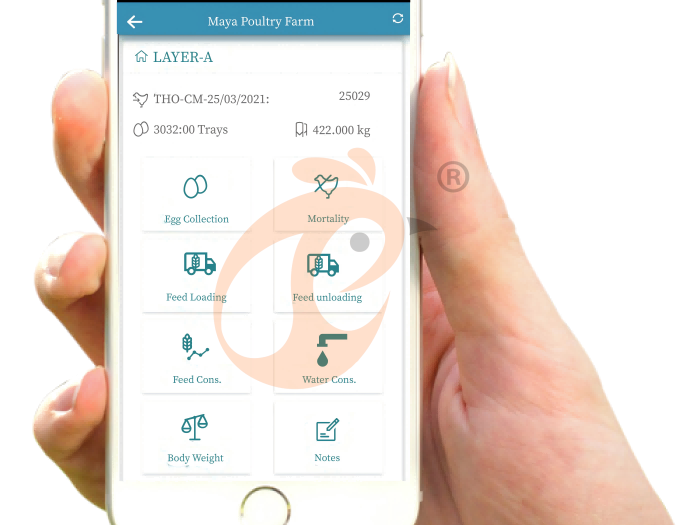
 IoT Smart Poultry FarmRead More
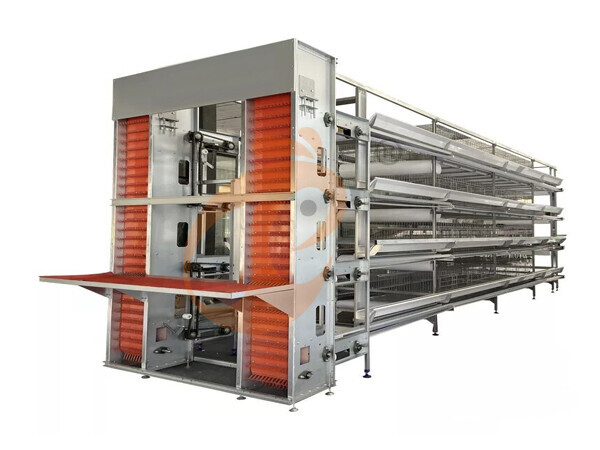
 >30,000 Layers Automatic H Type Battery CageRead More
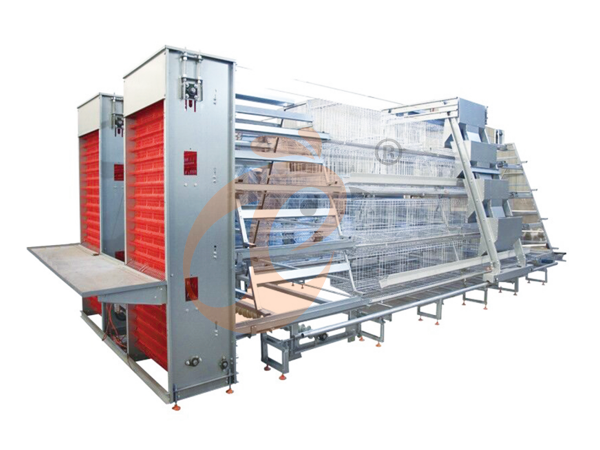
 10,000 - 30,000 Layers Automatic A Type Battery CageRead More
MESSAGE