

NEWS
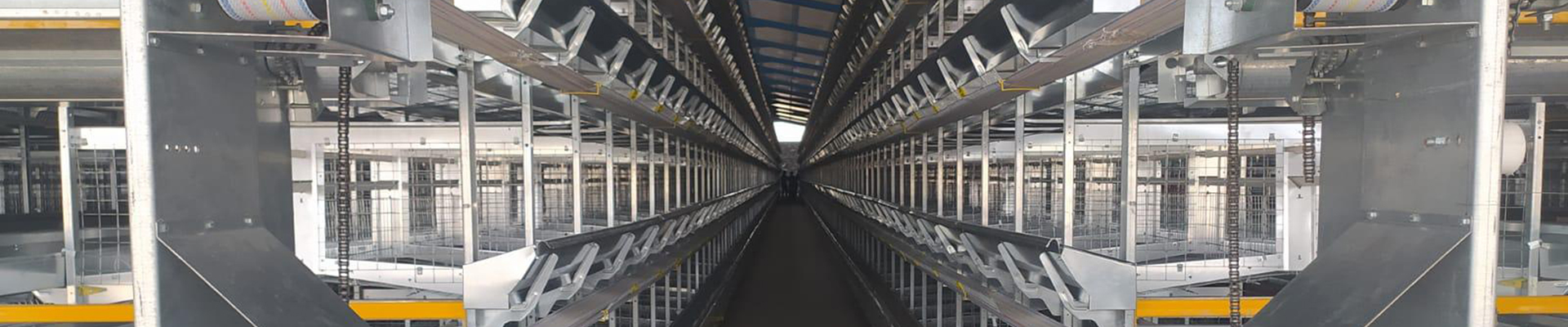
Modern layer chicken cage systems are designed with integrated structures for feeding, drinking, manure removal, and egg collection.
Safe transportation and installation directly influence equipment lifespan, operational stability, and farm productivity.
A professional installation process requires careful preparation from factory loading to final system testing.
Manufacturers generally recommend checking house dimensions, component identification, foundation accuracy, and mechanical alignment before assembly begins.
Transport damage often occurs when cage frames, wire mesh panels, and automation components are mixed without proper classification.
Get professional poultry farm construction guidance, equipment selection solutions, and the latest price lists, whatsApp to +8618830120193, click to learn more:
Transportation Preparation And Packaging Standards
Before shipment, all layer cage parts require organized packing.
Frames, feeders, drinking pipes, motors, and accessories should be checked individually.
Proper packaging reduces deformation during long-distance transportation.
A complete transport inspection helps prevent missing parts during installation.
Packaging records should match the installation drawings so workers can quickly locate each section after arrival.
Commercial cage systems usually contain many separate components, making organized transportation essential.
A professional layer chicken cage manufacturer can provide factory inspection reports, packing lists, and loading guidance to improve international project efficiency.
Step One — Inspecting Cage Components After Delivery
The first installation step is a detailed inspection after unloading.
Workers should compare delivered materials with technical drawings and check whether galvanized surfaces, connection holes, and welded joints remain intact.
Inspection should include cage frames, support columns, egg collection parts, manure equipment, and electrical accessories.
Any damaged component should be separated before assembly begins.
A professional inspection prevents installation delays because replacing incorrect parts after assembly can require dismantling large sections of the cage structure.
Each cage row should receive a unique identification mark to simplify installation management.
For commercial poultry projects, supplier inspection systems usually include component verification records with more than 10 checking categories and approximately 30 minutes inspection time per shipment batch.
Site Foundation Preparation Before Installation
The chicken house foundation determines the accuracy of the entire cage system.
Uneven floors can create alignment problems for feeding lines, egg belts, and manure removal equipment.
Data is for reference only.Swipe horizontally to view full table.
Before installation, the site should be cleaned and measured.
Workers should confirm aisle positions, electrical routes, ventilation locations, and water supply paths.
Proper preparation improves installation efficiency and reduces future maintenance problems.
A complete poultry house equipment project normally requires accurate site planning, technical drawings, and installation coordination before cage assembly begins.
Step Two — Installing Cage Frames And Structural Supports
The structural assembly stage creates the foundation of the layer cage system.
Workers should install base rails first, followed by vertical supports, cross beams, and cage compartments.
During assembly, bolts should be tightened according to engineering requirements.
The structure must remain vertically aligned because small errors can affect automatic systems.
Installation teams normally assemble one complete cage row before expanding to additional rows.
This method allows technicians to correct positioning problems early and maintain consistent spacing throughout the poultry house.
Engineered layer chicken cage system projects are designed with modular structures, allowing professional teams to complete installation planning with flexible layouts for different farm buildings.
Cage Frame Assembly Accuracy Data
Precision during frame assembly directly affects equipment reliability.
Measurement tools such as laser levels and torque tools are commonly used during this stage.
Accurate installation helps maintain smooth operation of egg belts, feeders, and manure systems.
Structural precision is especially important for multi-tier cage designs because upper levels increase load requirements.
Modern poultry equipment factories combine production technology with engineering services to provide stable solutions for large-scale layer farming projects.
Step Three — Installing Feeding And Drinking Systems
After the cage structure is stable, workers install feeding equipment and nipple drinking systems.
Feed troughs must remain parallel with cage rows, while water pipes require proper pressure adjustment.
The drinking system should be flushed before birds enter the cages.
Filters, regulators, and pipe connections must be checked carefully to avoid leakage.
Automatic feeding systems should also be tested without chickens.
Motors, chains, and sensors need inspection to confirm stable operation before daily production begins.
Advanced layer chicken cage equipment integrates automatic feeding, drinking, egg collection, and manure management systems to reduce manual operation requirements and improve farm productivity.
Feeding And Drinking System Parameters
Automatic systems require specific technical settings to maintain consistent farm management.
Different farms may select different automation levels depending on production scale.
Correct adjustment improves feed distribution and water availability across every cage level.
Professional poultry equipment manufacturers provide customized feeding configurations according to farm capacity, climate conditions, and production targets.
Step Four — Transport Safety During Farm Movement
When moving cage sections inside the farm, workers should use suitable lifting equipment and avoid dragging metal structures across the ground.
Sharp impacts may damage protective coatings and connection points.
Transportation routes should be cleared before moving equipment.
Workers should wear protective gloves and safety shoes when handling galvanized steel parts.
Large cage modules should be moved slowly with balanced lifting forces.
Uneven lifting can twist frames and create installation difficulties later.
Professional equipment suppliers normally support customers with transportation planning, export packaging, and installation guidance to ensure smooth project execution.
Internal Handling And Safety Control Data
Safe internal transportation requires controlled handling procedures.
These controls reduce mechanical damage and improve worker safety during installation preparation.
Step Five And Six — Final Connection And System Testing
The final stages include electrical connection, automation testing, and complete inspection.
Technicians should verify feeding motors, egg collection systems, manure belts, and lighting equipment.
Before introducing hens, the entire cage system should operate continuously for several hours.
Any abnormal vibration, noise, or movement should be corrected immediately.
A final checklist should include bolt inspection, water pressure testing, electrical safety checks, and cage cleanliness verification.
Professional installation procedures emphasize testing each integrated function before farm operation begins.
Final Testing Checklist And Performance Records
A complete testing record provides reference information for future maintenance.
Safe transport and installation of layer chicken cages require cooperation between equipment suppliers, technicians, and farm operators.
Following the six key steps ensures reliable operation, reduces repair costs, and creates a stable environment for commercial egg production.
Frequently Asked Questions
Q1: How should layer chicken cages be prepared before transportation?
Professional preparation requires component classification, protective packaging, and technical labeling.
A complete shipment inspection normally checks multiple accessory groups before loading.
Q2: What equipment connections require testing after installation?
Feeding, drinking, egg collection, manure removal, and electrical control systems require complete testing.
A practical commissioning process usually includes continuous operation verification before birds enter cages.
Q3: Why choose professional poultry equipment suppliers for cage installation?
Experienced suppliers provide engineering drawings, installation guidance, and customized production solutions.
Professional support helps reduce construction errors and improves long-term equipment performance.
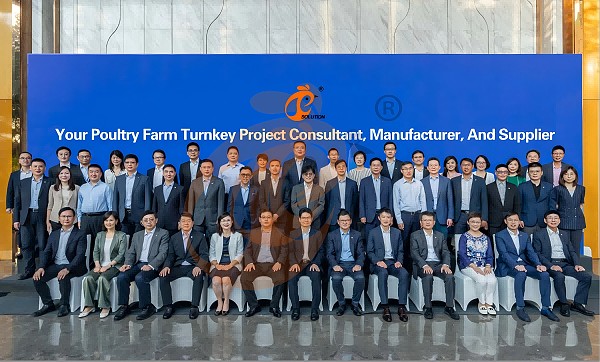
Taiyu (HK) Group - One Of China Largest Layer Chicken Cage Manufacturer
Layer chicken cage provides integrated commercial poultry housing equipment with automated feeding, drinking, egg collection, and manure management structures for modern farms.
Global factory direct supply delivers poultry equipment solutions with engineering production control and international project cooperation experience.
Turn-key engineering services include farm planning, equipment installation support, technical training, and operational guidance.
Customized poultry projects support different farm capacities through professional design calculation and manufacturing coordination.
Export-oriented production networks provide reliable equipment delivery, installation assistance, and long-term technical communication.
Contact Us To Received Your Customized Poultry Farm Plan
Headquarters And Branchs

Hong Kong Headquarter Management Team
Hong Kong Headquarter Taiyu Industrial Group CO., LTD
China Hebei Best Machinery And Equipment CO., LTD
Nigeria Vanke Machinery And Equipment CO., LTD
Tanzania Best Machinery And Equipment CO., LTD
Ethiopia Best Hebei Machinery Manufacturing PLC




Reception /24 WhatsApp NO. : +8618830120193
PRODUCTS RECOMMENDED
 China Branch Manufacture Poultry Farm EquipmentRead More
 Ethiopia Branch Manufacture Poultry Farm EquipmentRead More
 Nigeria Branch Manufacture Poultry Farm EquipmentRead More
 Tanzania Branch Manufacture Poultry Farm EquipmentRead More
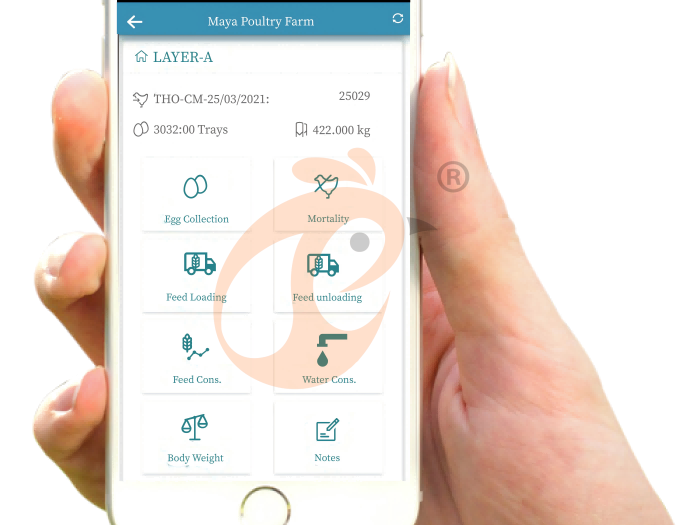
 IoT Smart Poultry FarmRead More
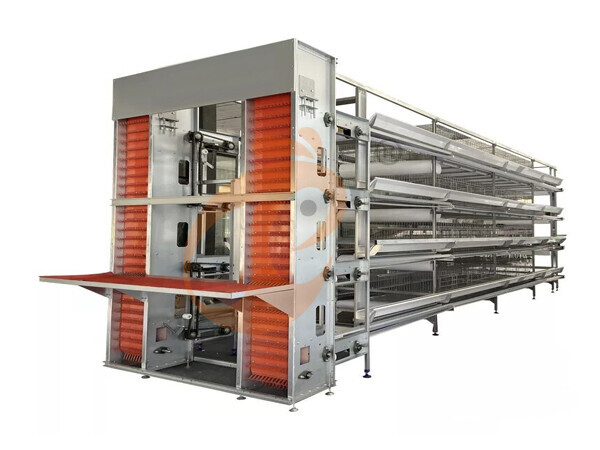
 >30,000 Layers Automatic H Type Battery CageRead More
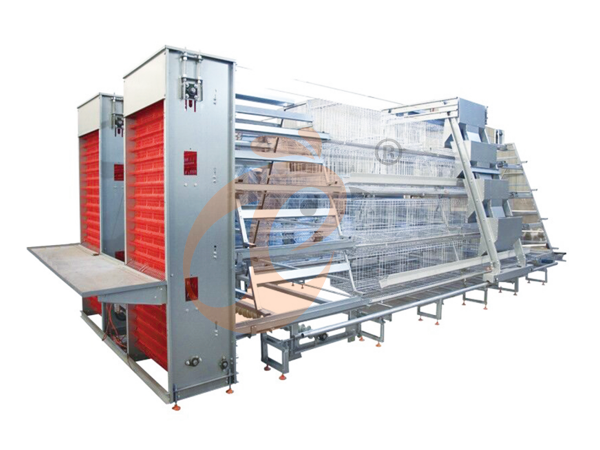
 10,000 - 30,000 Layers Automatic A Type Battery CageRead More
MESSAGE
NEWS
 50,000 - 100,000 chickens/house: poultry farm solution, chicken cage, poultry farm equipment, AI smart managementRead More
 30,000 - 50,000 chickens/house: poultry farm solution, chicken cage, poultry farm equipment, AI smart managementRead More
 10,000 - 30,000 chickens/house: poultry farm solution, chicken cage, poultry farm equipment, AI smart managementRead More
 100 - 10,000 chickens/house: poultry farm solution, chicken cage, poultry farm equipment, AI smart managementRead More