

BLOG
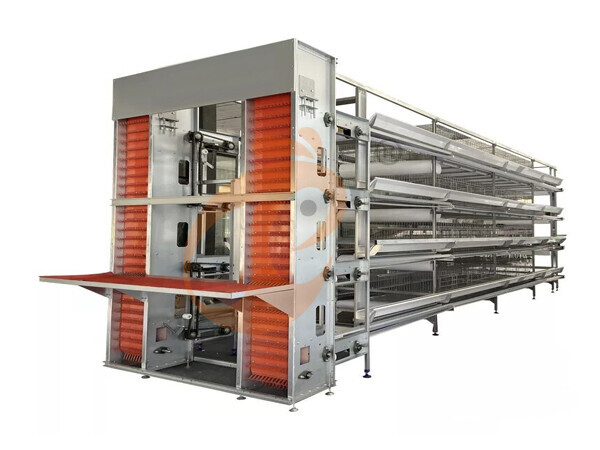
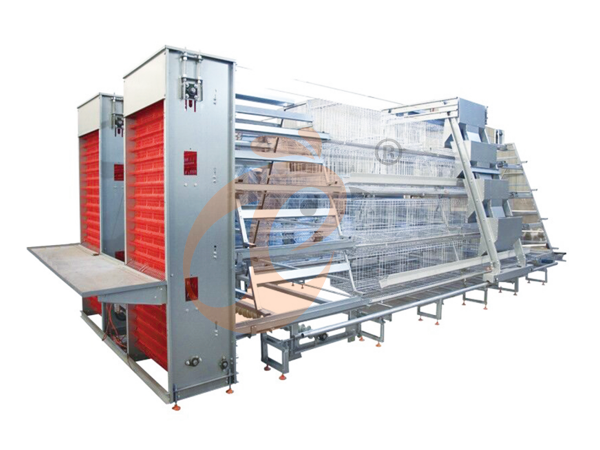
A-type battery cage system implements vertical layer poultry housing architecture based on modular steel structural engineering.
System integrates gravity-driven egg transport mechanism with controlled slope geometry for automated collection efficiency.
Feed distribution subsystem operates through synchronized mechanical conveying ensuring uniform ration allocation per cage unit.
Ventilation engineering maintains stable gas concentration balance including ammonia and carbon dioxide regulation in enclosed production environment.
Manure separation infrastructure applies gravitational discharge design enabling continuous waste isolation and biosecurity stabilization.
Get professional poultry farm construction guidance, equipment selection solutions, and the latest price lists, whatsApp to +8618830120193, click to learn more:
Structural Engineering Design
A-type battery cage system applies load-bearing frame engineering optimized for multi-tier poultry production modules.
Structural framework distributes vertical and lateral loads across reinforced steel nodes under continuous operational stress conditions.
Structural tolerance control maintains deformation threshold below 3 mm under full capacity loading conditions up to 220 kg per module.
Spatial Tier Configuration
System architecture utilizes inclined tier displacement geometry for airflow optimization and contamination separation between layers.
Vertical stacking configuration reduces overlap of biological waste trajectory across operational tiers.
Spatial engineering design enables maintenance accessibility and mechanical inspection pathway integration.
Egg Collection Mechanics
Egg transport system operates through gravitational rolling dynamics along controlled inclination surfaces.
Mechanical transport dynamics minimize impact force accumulation during egg displacement process.
Automated Feeding Distribution
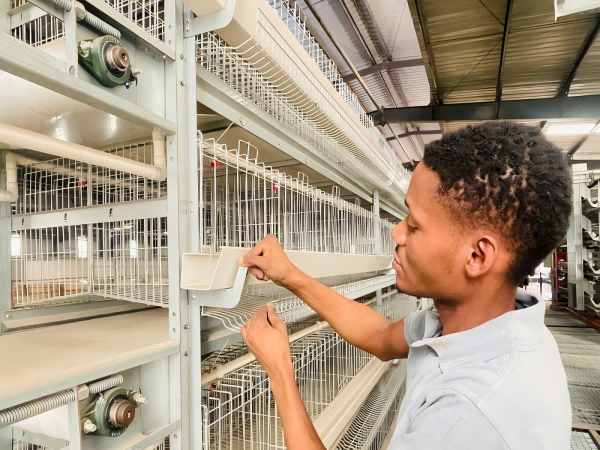
Feed delivery subsystem operates through synchronized mechanical transmission ensuring uniform feed deposition across cage rows.
System eliminates competitive feeding behavior through spatially isolated feeding access points.
Mechanical dosing control maintains feed allocation consistency across production cycles.
Drinking Water Control System
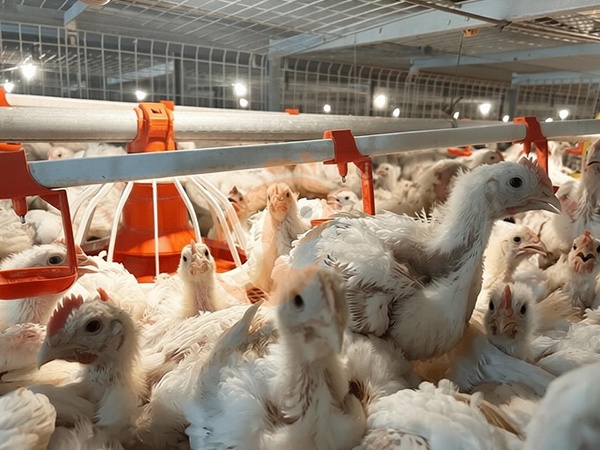
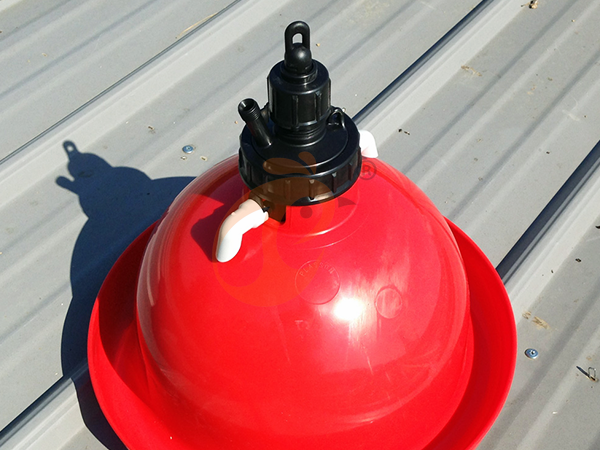
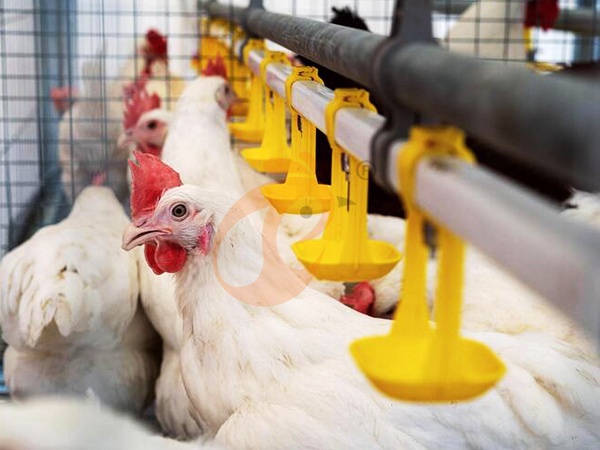
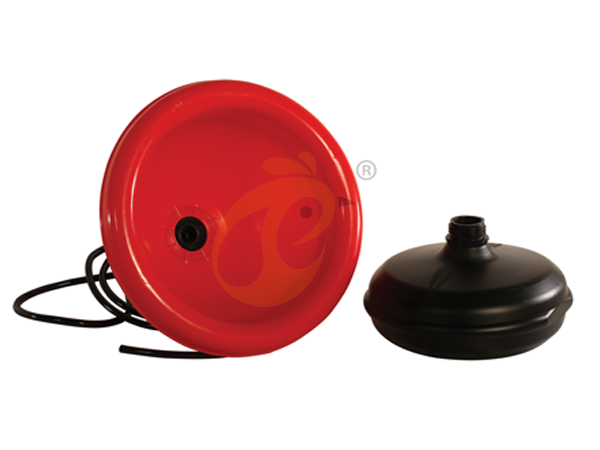
Hydration subsystem utilizes sealed nipple valve mechanism integrated with pressurized water delivery pipeline.
System architecture prevents external contamination entry through closed-loop fluid control design.
Fluid regulation system maintains stable hydration throughput under continuous demand conditions.
Metabolic Energy Allocation Science
Energy conversion mechanism demonstrates optimized nutrient partitioning under constrained locomotion environment.
Metabolic output prioritization shifts toward reproductive synthesis pathways under reduced physical activity load.
Physiological energy redistribution improves feed-to-egg conversion efficiency ratio.
Biosecurity Isolation System
System architecture eliminates direct fecal-contact pathways through elevated mesh flooring separation mechanism.
Pathogen transmission vector is disrupted through spatial isolation of biological waste accumulation zones.
Biosecurity stabilization is achieved through physical separation and controlled exposure reduction.
Environmental Ventilation Control
Air exchange system operates through vertical convection pathway generated by tiered structural spacing.
Gas concentration stabilization is maintained through continuous convective airflow regulation.
Manure Collection And Resource Recovery
Waste discharge system utilizes gravity-based vertical separation combined with centralized collection channel design.
Resource recovery pathway supports downstream fertilizer processing integration.
Space Utilization Efficiency Model
Stocking density optimization is achieved through vertical expansion structural engineering design.
Land utilization efficiency is increased through multi-layer spatial stacking configuration.
Production Cycle Performance Analysis
Production output curve follows staged biological performance transition under controlled environment regulation.
Environmental stabilization extends peak production duration window.
Economic Efficiency Model
System cost structure is defined by equipment amortization, feed conversion efficiency, and labor minimization engineering.
European union standard reference only.
Operational Decision Logic For Commercial Buyers
System selection requires evaluation of production scale alignment, ventilation capacity matching, and feed logistics synchronization.
10,000-bird installation requires 90–120 m² cage footprint area plus circulation corridors.
Electrical load demand ranges from 1.8–2.5 kW for automated feed and egg transport subsystems.
Production evaluation model prioritizes 52-week output stability curve instead of peak cycle output index.
Investment return stability is directly correlated with uniform production variance control across full production cycle.
Frequently Asked Questions
Q1: What functional mechanism defines A-type battery cage system?
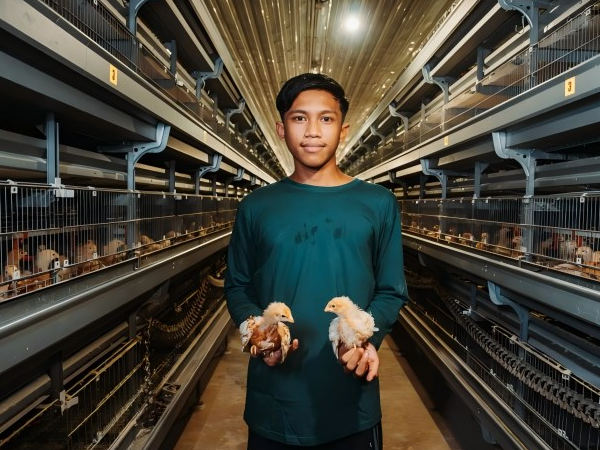
A-type system operates through multi-tier structural housing combined with automated feeding, watering, and egg transport subsystems.
Stocking density reaches engineered threshold of 18–22 birds/m² under controlled environmental regulation.
Q2: How is egg transport controlled in A-type cage architecture?
Egg transport utilizes gravitational slope engineering at 7°–9° inclination angle.
Egg displacement cycle completes within 3–5 seconds with breakage ratio maintained at 0.9%–1.4%.
Q3: What production advantage does cage system provide over floor system?
Egg production efficiency increases from approximately 70% to 88%–95% during peak operational phase.
Feed conversion efficiency improvement range is maintained between 10%–18% under controlled housing conditions.
Taiyu (HK) Group - One Of China Biggest Battery Cage Supplier
A-type battery cage system engineered for commercial layer poultry production with structural precision design.
Global factory direct supply model supports poultry equipment manufacturing and standardized cage system delivery.
Industrial poultry cage engineering integrated with automated feeding, watering, and egg collection systems.
Turn-key poultry farm engineering solutions covering installation, layout design, and production optimization systems.
Large-scale export capability supports international poultry farming infrastructure development and equipment deployment projects.
Contact Us To Received Your Customized Poultry Farm Plan
Headquarters And Branchs

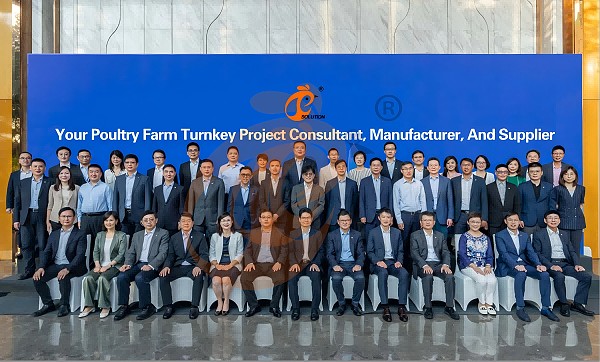
Hong Kong Headquarter Management Team
Hong Kong Headquarter Taiyu Industrial Group CO., LTD
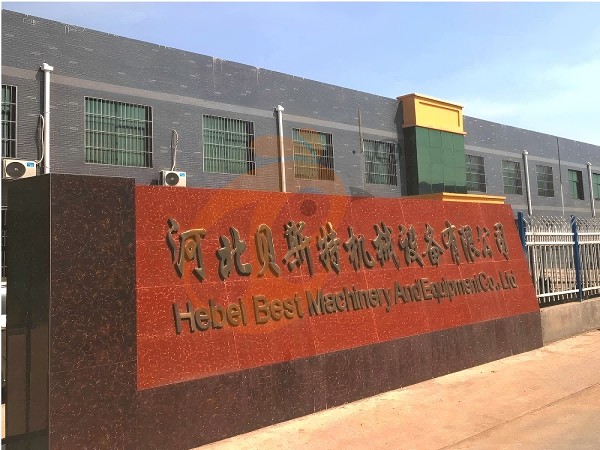
China Hebei Best Machinery And Equipment CO., LTD
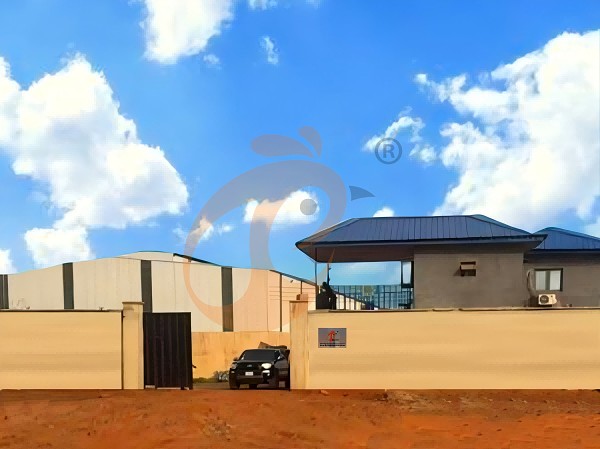
Nigeria Vanke Machinery And Equipment CO., LTD
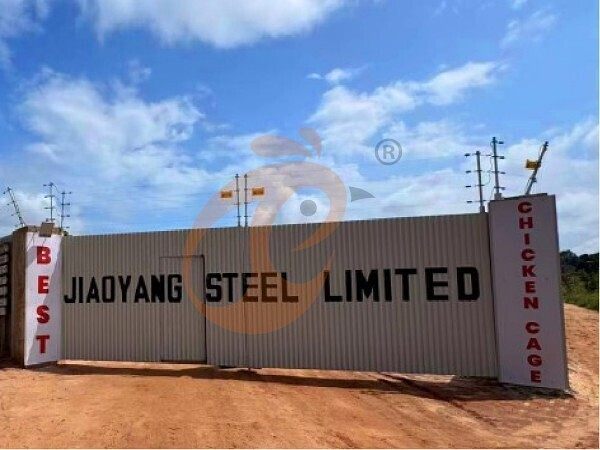
Tanzania Best Machinery And Equipment CO., LTD
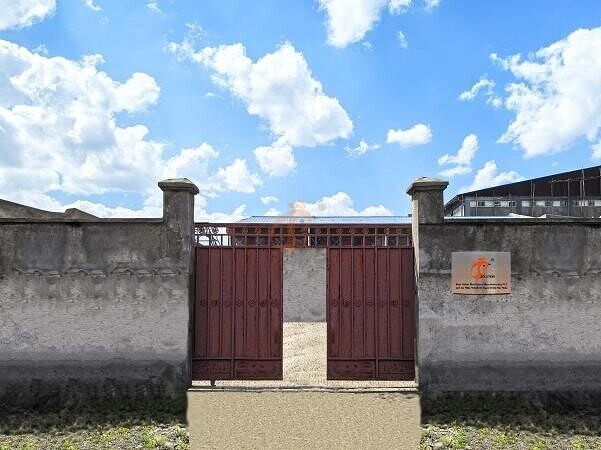
Ethiopia Best Hebei Machinery Manufacturing PLC
Reception /24 WhatsApp NO. : +8618830120193
PRODUCTS RECOMMENDED
 China Branch Manufacture Poultry Farm EquipmentRead More
 Ethiopia Branch Manufacture Poultry Farm EquipmentRead More
 Nigeria Branch Manufacture Poultry Farm EquipmentRead More
 Tanzania Branch Manufacture Poultry Farm EquipmentRead More
 IoT Smart Poultry FarmRead More
 >30,000 Layers Automatic H Type Battery CageRead More
 10,000 - 30,000 Layers Automatic A Type Battery CageRead More
MESSAGE