

BLOG
Thermal control engineering defines poultry housing environmental stability across winter operation cycles.
Industrial heating systems regulate combustion output, airflow velocity, and temperature distribution precision.
Energy conversion efficiency impacts fuel consumption ratio and operational cost per production cycle.
Ventilation coordination stabilizes carbon dioxide concentration, ammonia level, and humidity equilibrium parameters.
Zonal heating architecture ensures uniform brooding temperature consistency and biological growth performance optimization.
Get professional poultry farm construction guidance, equipment selection solutions, and the latest price lists, whatsApp to +8618830120193, click to learn more:

Industrial Poultry Heating System Selection Engineering
Modern poultry thermal systems rely on controlled combustion heating units designed for large-scale broiler infrastructure.
In 2026 engineering practice, poultry heating system, poultry house heating, and broiler heating equipment are dominant search-driven industrial configuration terms defining equipment selection logic.
Heating unit classification includes LPG thermal generators, natural gas burners, diesel combustion systems, electric resistive heaters, and biomass combustion modules.
System selection is determined by energy density output, combustion efficiency ratio, and emission control index.
Data is for reference only. Swipe horizontally to view full table.
Industrial deployment above 5000 birds typically prioritizes gas-based poultry heating system due to stable combustion output and predictable thermal response curve.
Heating Unit Installation Height And Airflow Geometry Control
Heating equipment positioning defines airflow dispersion radius and floor-level thermal density.
Incorrect installation height causes uneven thermal layering inside broiler housing structures.
80kW poultry heating system units generate directional airflow cones controlled by fan velocity and burner pressure ratio.
Installation height determines thermal energy conversion efficiency at floor level.
Data is for reference only. Swipe horizontally to view full table.
Optimal installation window is concentrated between 2.0M and 2.5M for standardized poultry house heating system deployment.
Thermodynamic Energy Exchange In Poultry Housing Environment
Thermal control inside poultry structures is governed by energy transfer between sensible heat and latent moisture load.
Poultry house heating system operation modifies humidity absorption capacity of internal air mass.
Each 10°C increase in air temperature expands moisture absorption capacity approximately twofold.
Without synchronized ventilation control, ammonia concentration can exceed 25 PPM within 72 hours even under stable temperature conditions.
This reduces respiratory efficiency of broiler stock.
Growth Phase Thermal Demand Engineering Curve
Thermal demand in poultry production is dynamic and directly correlated with metabolic heat generation.
After day 14, broiler heating equipment load decreases progressively due to endogenous heat production.
Data is for reference only. Swipe horizontally to view full table.
Fuel Consumption Optimization And Ventilation Control System
Energy efficiency in poultry heating system operation depends on synchronized ventilation cycle control.
Continuous shutdown of ventilation units leads to CO₂ accumulation and respiratory stress conditions.
Automated minimum ventilation cycles regulate air exchange while preserving thermal retention efficiency.
Data is for reference only. Swipe horizontally to view full table.
Balanced cyclic airflow stabilizes poultry house heating system efficiency and reduces fuel loss ratio.
Industrial Heating Equipment Performance Specification
Heating unit engineering parameters determine spatial coverage and thermal throw distance inside poultry structures.
Poultry heating system selection is directly linked to house length and stocking density ratio.
Data is for reference only. Swipe horizontally to view full table.
Large-scale poultry heating system installations commonly deploy multiple 80KW or 120KW units for distributed thermal field formation.
Zonal Heating System Engineering Architecture
Thermal zoning design ensures uniform energy distribution across poultry housing structures.
Poultry house heating system layout is divided into airflow preheating, brooding concentration, and equilibrium distribution zones.
Data is for reference only. Swipe horizontally to view full table.
Zoning configuration reduces longitudinal temperature deviation across poultry house heating system environments.
Maintenance Engineering Protocol For Heating Systems
Operational reliability of poultry heating system depends on combustion stability, airflow consistency, and sensor calibration accuracy.
Failure probability increases during night cycle peak load conditions.
Data is for reference only. Swipe horizontally to view full table.
Preventive maintenance improves poultry heating system operational lifespan by 30–45%.
FAQ
Q1: What is optimal installation height for poultry heating system units?
Engineering data confirms 2.0–2.5M range produces maximum floor thermal uniformity.
Deviation above 3.0M reduces effective heat density by more than 20%.
Q2: Why does poultry heating system consume high fuel during early brooding phase?
Day 1–7 requires external thermal load above 30°C.
Chick metabolic heat production remains below 3W per bird.
External heating demand reaches maximum operational load condition.
Q3: How does ventilation affect poultry heating system efficiency?
Minimum ventilation cycles maintain CO₂ below 3000 PPM
Humidity stabilizes between 50–65%.
Fuel efficiency improves by approximately 18–22%.
Taiyu (HK) Group - One Of China Largest Poultry Heating System Supplier
Poultry heating system designed for industrial broiler farm thermal engineering control application.
Global factory direct supply structure ensures stable poultry heating system production capacity output.
Integrated poultry equipment engineering supports ventilation, heating, and airflow synchronization system deployment.
Poultry cage and heating system turnkey project supports full farm automation infrastructure construction.
Large-scale poultry house heating system exporter delivering engineered thermal control solutions worldwide.
Contact Us To Received Your Customized Poultry Farm Plan
Headquarters And Branchs

Hong Kong Headquarter Management Team
Hong Kong Headquarter Taiyu Industrial Group CO., LTD
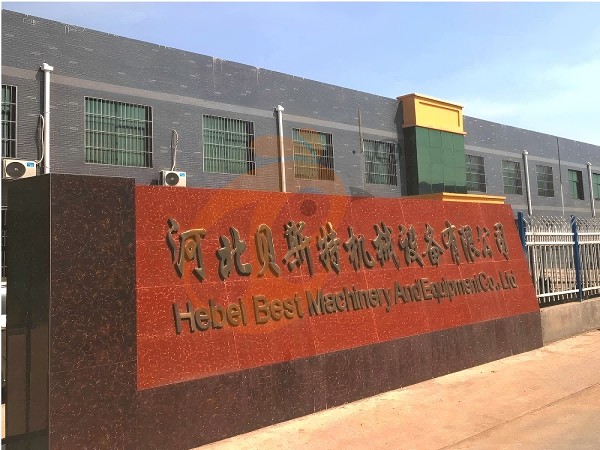
China Hebei Best Machinery And Equipment CO., LTD
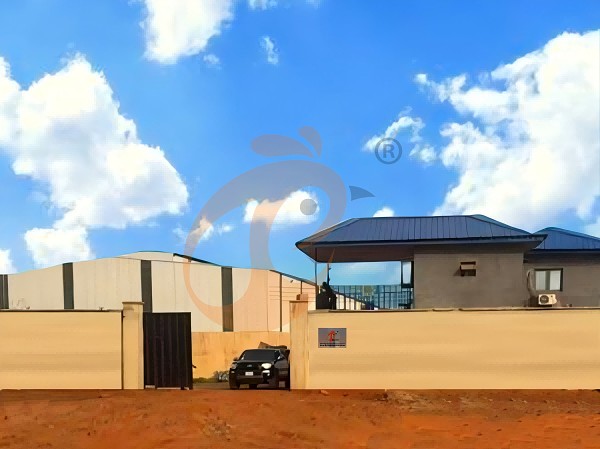
Nigeria Vanke Machinery And Equipment CO., LTD
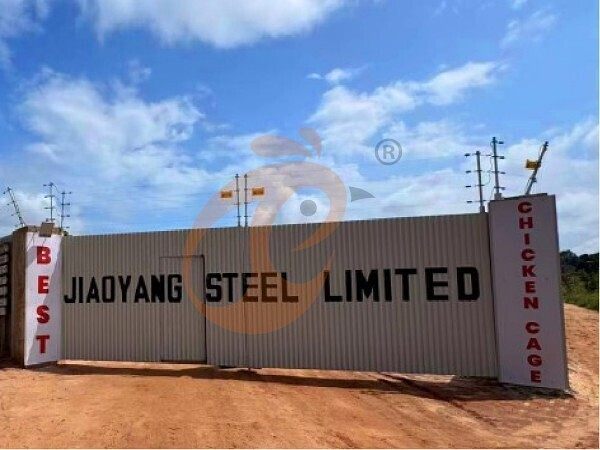
Tanzania Best Machinery And Equipment CO., LTD
Ethiopia Best Hebei Machinery Manufacturing PLC

Reception /24 WhatsApp NO. : +8618830120193
PRODUCTS RECOMMENDED
 China Branch Manufacture Poultry Farm EquipmentRead More
 Ethiopia Branch Manufacture Poultry Farm EquipmentRead More
 Nigeria Branch Manufacture Poultry Farm EquipmentRead More
 Tanzania Branch Manufacture Poultry Farm EquipmentRead More
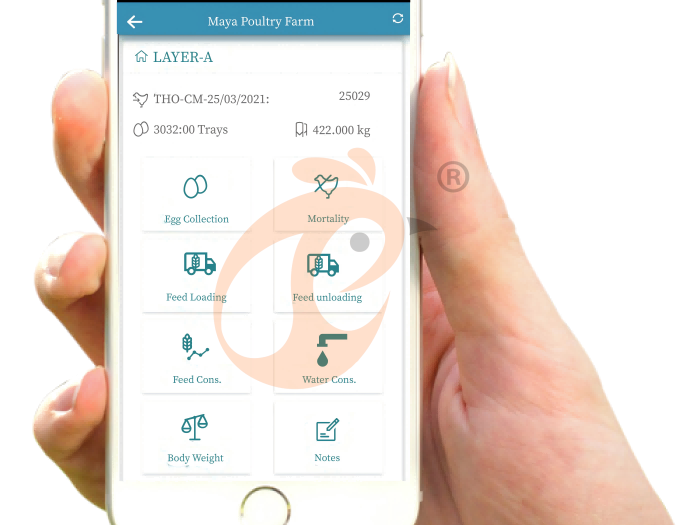
 IoT Smart Poultry FarmRead More
 >30,000 Layers Automatic H Type Battery CageRead More
 10,000 - 30,000 Layers Automatic A Type Battery CageRead More
MESSAGE