

BLOG
Poultry production systems integrate automated feeding modules, pressurized water distribution networks, thermally controlled housing structures, precision egg incubation units, and forced-air ventilation assemblies.
Equipment configuration determines feed conversion ratio stability and flock productivity consistency across operational cycles.
Mechanical durability parameters influence lifecycle maintenance intervals under continuous load conditions.
Environmental regulation systems maintain ammonia concentration thresholds and humidity equilibrium within defined engineering tolerances.
Modular expansion architecture supports scalable capacity upgrades in commercial poultry infrastructure without structural redesign requirements.
Get professional poultry farm construction guidance, equipment selection solutions, and the latest price lists, whatsApp to +8618830120193, click to learn more:
Poultry Feeding Systems Overview
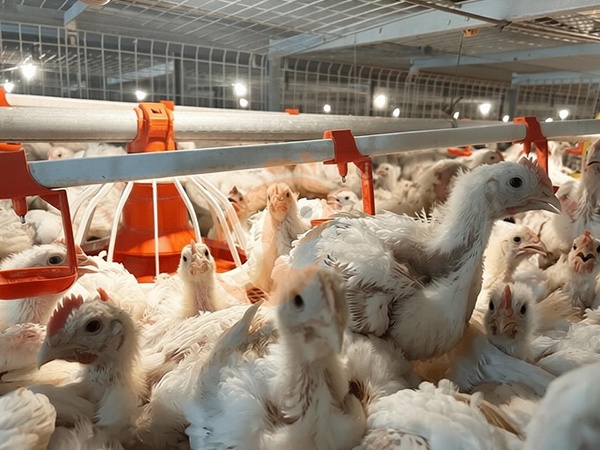
Feeding systems regulate pellet distribution uniformity and reduce feed loss coefficient in poultry housing environments.
Automatic poultry feeder price comparison engineering data depends on storage geometry, discharge ports, and material thickness specifications.
Data is for reference only.Swipe horizontally to view full table.
User operation feedback indicates feed distribution stability improves when port density exceeds 6 units per 50 birds.
Poultry Watering System Engineering
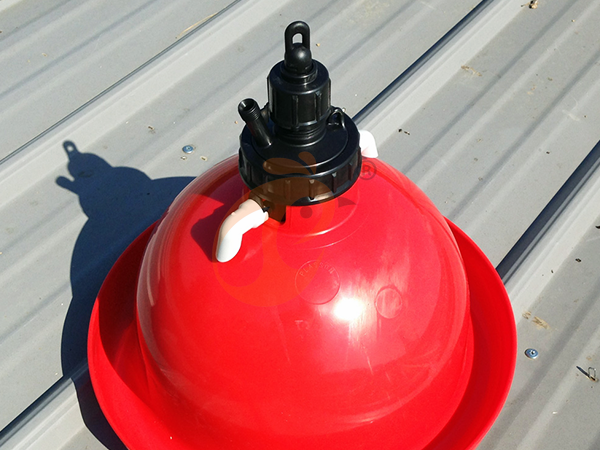
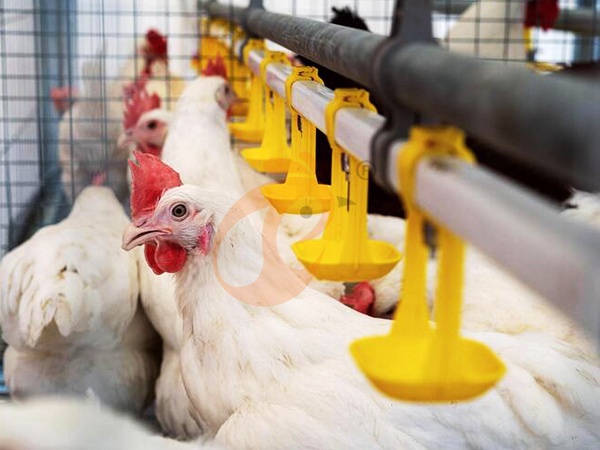
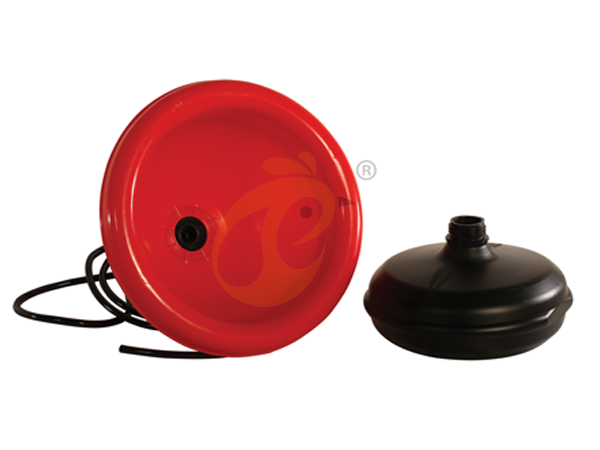
Water supply modules maintain hydration cycle stability and reduce contamination probability in poultry environments.
Structural sealing performance directly affects microbial growth control.
Data is for reference only.Swipe horizontally to view full table.
System clogging interval reduction occurs when particulate filtration is below 0.5 mm threshold.
Poultry Housing Structural Systems
Housing systems define thermal insulation performance, spatial density allocation, and predator protection resistance.
Chicken coop price comparison engineering data depends on wall thickness and usable area ratio.
Data is for reference only.Swipe horizontally to view full table.
Structural deformation rate decreases significantly when galvanized coating thickness exceeds 18 mm.
Poultry Incubation Temperature Control Systems
Incubation units regulate embryonic development conditions through temperature stabilization and humidity modulation.
Egg incubator machine cost structure is strongly correlated with egg capacity and thermal precision range.
Data is for reference only.Swipe horizontally to view full table.
Hatch rate variance decreases when temperature deviation is controlled within ±0.5°C.
Poultry Ventilation Airflow Systems
Ventilation systems regulate ammonia concentration, humidity equilibrium, and airflow exchange cycles in poultry buildings.
Data is for reference only.Swipe horizontally to view full table.
Air exchange efficiency increases when airflow rate exceeds 25 m³ per bird per hour.
Poultry Lighting Electrical Systems
Lighting modules control circadian rhythm synchronization and egg-laying cycle regulation through luminous flux distribution.
Data is for reference only.Swipe horizontally to view full table.
Photoperiod stability improves laying rate consistency under 16-hour controlled lighting cycles.
Poultry Processing Mechanical Systems
Processing machines execute feather removal, carcass preparation, and throughput optimization for meat production lines.
Data is for reference only.Swipe horizontally to view full table.
Throughput efficiency increases linearly with motor torque above 1200 W configuration.
Poultry Farm System Integration Analysis
Integrated poultry farming systems combine feeding automation, water circulation, ventilation control, and incubation regulation into centralized control architecture.
Sensor-based feedback loops stabilize environmental deviation parameters.
Real-time data acquisition reduces manual intervention frequency.
System synchronization improves production consistency across batch cycles.
Modular expansion capability supports scalable farm engineering design.
Poultry Equipment Market Evaluation Metrics
Equipment performance evaluation relies on quantifiable engineering parameters including feed output uniformity, airflow stability index, incubation variance ratio, and structural load tolerance coefficient.
Cost-performance optimization requires lifecycle cost analysis instead of purchase-only comparison.
Maintenance interval extension is achieved through corrosion-resistant alloy implementation and sealed mechanical joints.
Poultry Equipment Selection Engineering Strategy
Equipment deployment sequence follows operational dependency hierarchy.
Feeding systems and water supply modules establish baseline biological stability.
Housing systems define environmental protection layer.
Ventilation and lighting systems regulate physiological performance curves.
Incubation systems extend reproduction cycle throughput capacity.
Lifecycle Cost Optimization Strategy in Poultry Equipment Selection
Poultry equipment procurement decisions should integrate total lifecycle cost modeling rather than isolated purchase pricing.
Operational energy consumption per day, maintenance interval per 1,000 operating hours, and component replacement frequency directly influence long-term capital efficiency.
Field deployment data indicates that stainless steel feeding systems reduce annual replacement events by approximately 38% compared to coated plastic equivalents under continuous operation cycles.
Ventilation units with optimized airflow-to-watt ratio below 0.25 m³/W improve energy efficiency index in enclosed housing environments.
These engineering parameters enable structured investment planning for scalable poultry production systems.
Frequently Asked Questions
Q1: What is the average poultry feeder price range in commercial farms?
A1: Commercial feeder systems range from 12 USD to 480 USD depending on capacity between 10 kg and 100 kg and material thickness from 0.8 mm to 2.0 mm.
Q2: How does egg incubator machine cost affect hatch rate performance?
A2: Incubator units priced between 55 USD and 620 USD demonstrate hatch rate stability improvement when temperature deviation remains within ±0.5°C.
Q3: What structural specification is required for chicken coop durability?
A3: Galvanized steel coops with wall thickness above 18 mm and area above 15 m² maintain deformation resistance under long-term exposure cycles.
Taiyu (HK) Group - One Of China Biggest Poultry Farming Tools Supplier
Poultry feeding system with precision engineered automatic distribution feeder modules for commercial poultry farms worldwide.
Global factory direct supply integrated poultry equipment manufacturing covering feeders, drinkers, incubators, ventilation systems.
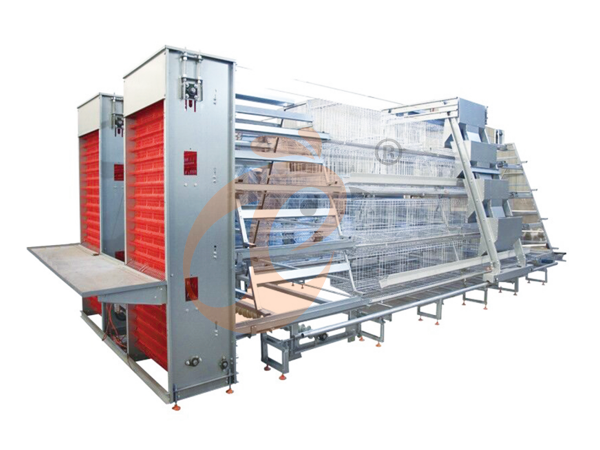
Industrial poultry cage structural systems designed for high density farming environments with modular expansion capability engineering.
Turn-key poultry farming engineering projects covering housing, automation systems, incubation units, and environmental control integration.
International poultry equipment exporter providing standardized mechanical systems for large scale agricultural production infrastructure.
Contact Us To Received Your Customized Poultry Farm Plan
Headquarters And Branchs

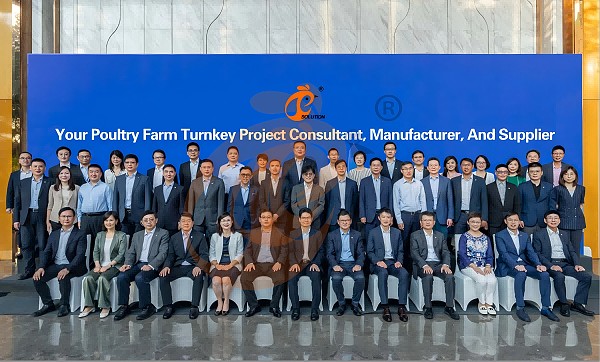
Hong Kong Headquarter Management Team
Hong Kong Headquarter Taiyu Industrial Group CO., LTD
China Hebei Best Machinery And Equipment CO., LTD
Nigeria Vanke Machinery And Equipment CO., LTD
Tanzania Best Machinery And Equipment CO., LTD
Ethiopia Best Hebei Machinery Manufacturing PLC




Reception /24 WhatsApp NO. : +8618830120193
PRODUCTS RECOMMENDED
 China Branch Manufacture Poultry Farm EquipmentRead More
 Ethiopia Branch Manufacture Poultry Farm EquipmentRead More
 Nigeria Branch Manufacture Poultry Farm EquipmentRead More
 Tanzania Branch Manufacture Poultry Farm EquipmentRead More
 IoT Smart Poultry FarmRead More
 >30,000 Layers Automatic H Type Battery CageRead More
 10,000 - 30,000 Layers Automatic A Type Battery CageRead More
MESSAGE