

BLOG
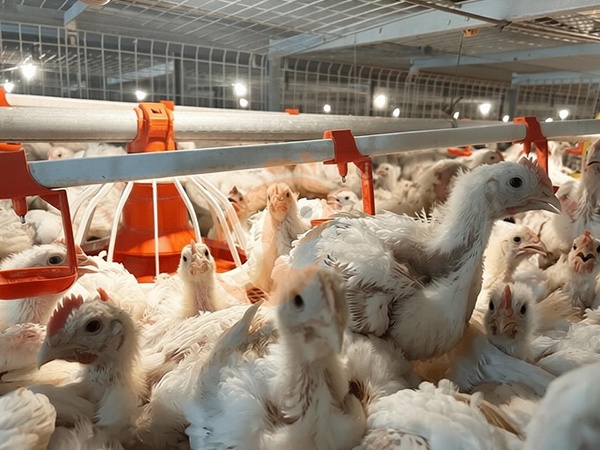
Plasson automatic poultry drinking system delivers stable water supply for broiler and layer farms under intensive production conditions.
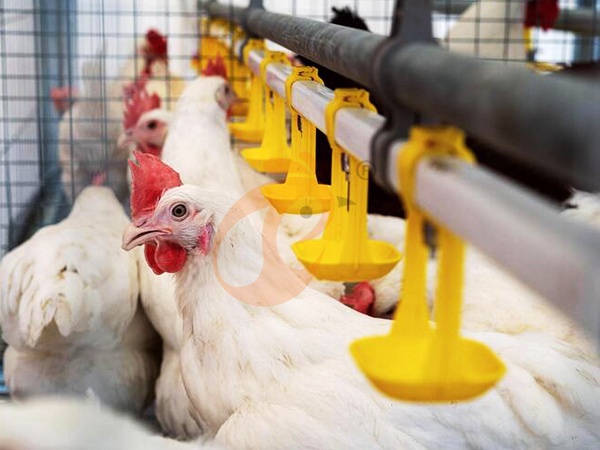
Automatic nipple drinking lines from Plasson reduce water waste and improve flock uniformity across commercial poultry houses.
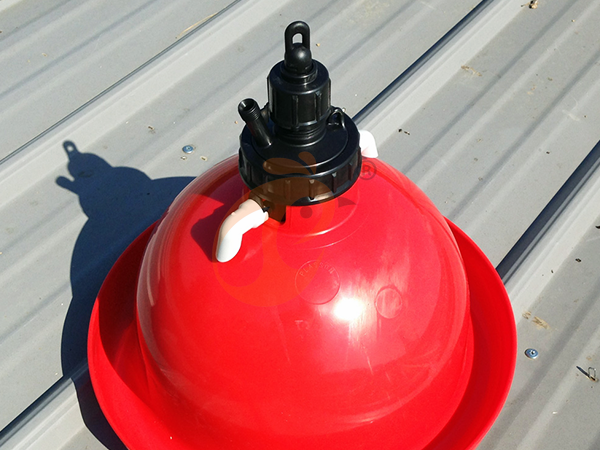
Manual bell drinker systems provide basic water access for small scale poultry farming operations with limited infrastructure requirements.
Plasson drinking system product range includes pressure regulators, nipple lines, and water control components for farm integration.
Poultry water distribution equipment selection impacts production cost, mortality rate, and feed conversion efficiency in modern poultry farming operations.
Get professional poultry farm construction guidance, equipment selection solutions, and the latest price lists, whatsApp to +8618830120193, click to learn more:
Industry Context And Product Focus
Plasson poultry drinking systems are widely used in commercial broiler and layer farms where water delivery stability directly affects production output.
The two dominant configurations—automatic nipple-based systems and manual bell drinker systems—represent fundamentally different engineering and operational philosophies.
The market demand for poultry farming equipment continues to expand as integrated production systems scale globally.
This article focuses specifically on Plasson drinking line products, comparing their real-world cost structure and efficiency metrics using measurable farm indicators such as water consumption, labor hours, stocking density compatibility, and mortality rate.
Plasson Automatic System Product Structure
Plasson automatic systems are primarily built around nipple drinker lines connected to a pressure-regulated water network.
Core components include nipples, PVC pipes, pressure regulators, medicators, and flushing units.
This configuration is widely adopted in modern automatic poultry drinking system installations.
Data is for reference only.Swipe horizontally to view full table.
These specifications are designed to support high-density poultry production systems where bird populations exceed 20,000–50,000 per house.
Plasson Manual System Product Structure
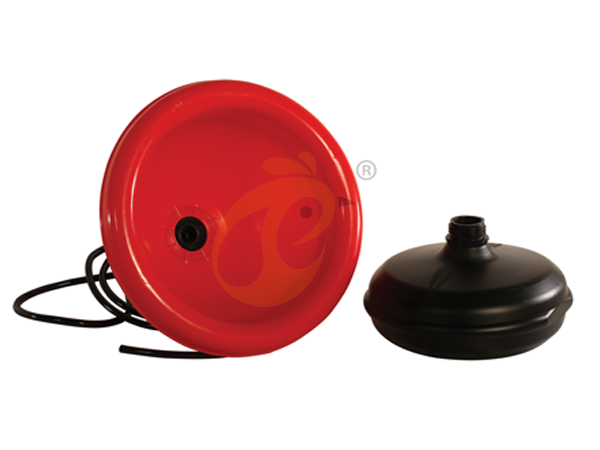
Manual systems typically rely on bell drinkers connected to overhead tanks or ground reservoirs.
Water distribution depends on gravity and float valve regulation rather than pressure-based control.
The system remains relevant in poultry equipment suppliers targeting small farms.
Data is for reference only.Swipe horizontally to view full table.
Manual systems are typically deployed in farms below 5,000 birds due to refill and cleaning constraints.
Water Consumption Efficiency Comparison
Water usage efficiency is a critical performance indicator in poultry production systems.
Automatic systems reduce spillage by controlling flow at the nipple level while manual systems experience higher evaporation and overflow losses.
Efficient water control directly affects broiler farming cost efficiency.
Data is for reference only.Swipe horizontally to view full table.
Automatic systems show tighter control over usable water distribution especially in hot climate poultry houses.
Labor Input And Operational Time Requirements
Labor efficiency is a major determinant of system selection particularly in commercial poultry integration models.
Automation directly impacts poultry farm management cost structures.
Data is for reference only.Swipe horizontally to view full table.
Total labor input differs significantly due to automation of refill and distribution processes in nipple systems.
Mortality And Performance Output Comparison
Water delivery consistency directly impacts mortality and feed conversion ratio (FCR), which are critical financial indicators in poultry farming.
This section reflects commercial broiler production performance metrics.
Data is for reference only.Swipe horizontally to view full table.
Consistency in hydration is the primary factor driving improved uniformity in automatic systems.
Installation Cost Structure
Cost analysis is essential for system selection particularly in farm expansion planning.
All monetary values are expressed in USD (European union standard reference only).
The poultry equipment price comparison strongly influences investment decisions.
Data is for reference only.Swipe horizontally to view full table.
The automatic system requires higher capital allocation but integrates advanced control components absent in manual configurations.
Maintenance Cost And Annual Operating Expenses
Operating cost differences become more visible over multi-cycle production systems.
Efficiency in poultry farm automation systems reduces recurring labor expenditure.
Data is for reference only.Swipe horizontally to view full table.
Manual systems incur higher recurring labor costs due to repetitive water handling tasks.
Biological Mechanism Behind System Efficiency
Water delivery systems influence physiological processes in poultry.
Stable hydration supports osmoregulation, nutrient absorption, and heat stress adaptation.
In modern poultry farming equipment systems, hydration stability is a critical biological driver of productivity.
In nipple systems birds access water on demand maintaining stable plasma osmolarity.
In manual systems intermittent access causes fluctuations in intake patterns particularly during peak temperature hours.
System Scalability In Commercial Farms
Scalability determines whether a system can support expansion beyond baseline capacity.
Large-scale commercial poultry farm equipment requires modular infrastructure.
Data is for reference only.Swipe horizontally to view full table.
Automatic systems are designed for modular expansion without redesigning water infrastructure.
Key Technical Advantages Of Plasson Automatic Systems
Pressure-regulated nipple hydration system ensures consistent intake.
Integrated flushing prevents biofilm formation in pipelines.
Compatible with medication dosing systems in poultry houses.
Reduces water wastage through direct consumption mechanism.
Supports high-density poultry housing models efficiently.
These characteristics align with industrial poultry production requirements where uniformity and throughput are prioritized.
Practical Limitations Of Manual Systems
Manual bell drinker systems remain in use but face structural constraints.
Limited bird density per drinker unit.
Frequent water replacement cycles required.
Higher risk of microbial contamination in open water surfaces.
Inefficient in automated climate-controlled barns.
Increased dependency on continuous human supervision.
These constraints become increasingly significant as farm scale increases.
Integrated Decision Framework For Farmers
Selection between plasson automatic and manual systems is typically based on three measurable variables.
Initial investment per bird capacity.
Labor cost per production cycle.
Expected production output per cycle.
When evaluated across multiple cycles automatic systems tend to improve cost recovery through higher productivity and reduced operational labor input.
Frequently Asked Questions
Q1: What is the main difference between plasson automatic and manual drinking systems?
A1: Plasson automatic systems use pressure-controlled nipple lines while manual systems rely on gravity-fed bell drinkers requiring human intervention.
Q2: How does plasson automatic system improve poultry farm efficiency?
A2: Plasson automatic system reduces labor demand stabilizes water intake and improves feed conversion ratio across broiler production cycles.
Q3: Is manual system still suitable for commercial poultry farming?
A3: Manual systems remain suitable only for small-scale poultry farms with limited flock size and lower production intensity requirements.
Taiyu (HK) Group - One Of China Biggest Plasson Systems Manufacturer
Plasson automatic nipple drinking system designed for high-density commercial broiler poultry production farms worldwide.
Global factory direct supply ensures consistent poultry equipment manufacturing standards and competitive export pricing structure.
Integrated poultry equipment solutions including drinking systems ventilation systems and automated feeding infrastructure for farms.
Professional poultry cage and housing system engineering supporting turnkey poultry farm construction projects globally.
Turn-key poultry farming engineering solutions covering design installation training and long-term operational support services.
Contact Us To Received Your Customized Poultry Farm Plan
Headquarters And Branchs

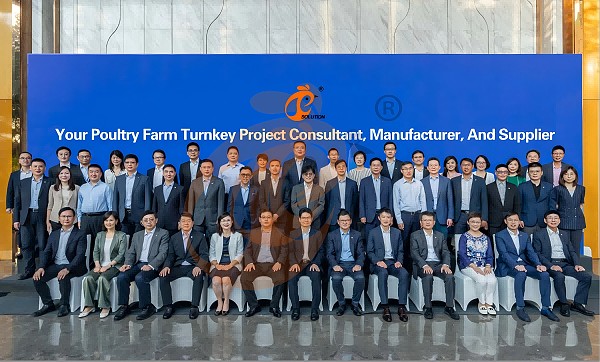
Hong Kong Headquarter Management Team
Hong Kong Headquarter Taiyu Industrial Group CO., LTD
China Hebei Best Machinery And Equipment CO., LTD
Nigeria Vanke Machinery And Equipment CO., LTD
Tanzania Best Machinery And Equipment CO., LTD
Ethiopia Best Hebei Machinery Manufacturing PLC




Reception /24 WhatsApp NO. : +8618830120193
PRODUCTS RECOMMENDED
 China Branch Manufacture Poultry Farm EquipmentRead More
 Ethiopia Branch Manufacture Poultry Farm EquipmentRead More
 Nigeria Branch Manufacture Poultry Farm EquipmentRead More
 Tanzania Branch Manufacture Poultry Farm EquipmentRead More
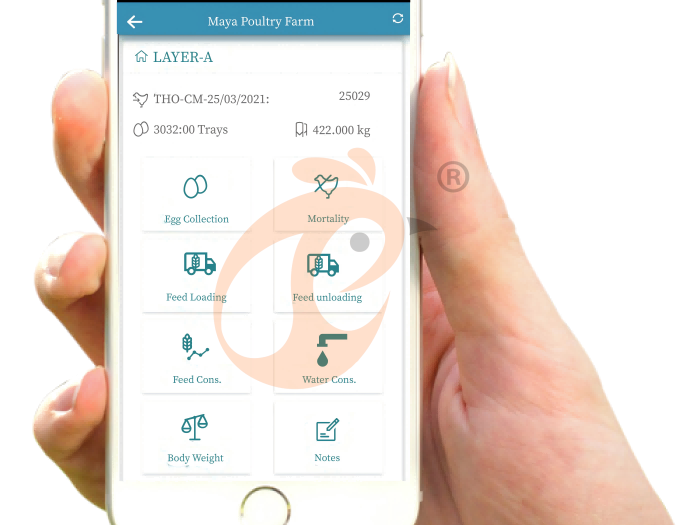
 IoT Smart Poultry FarmRead More
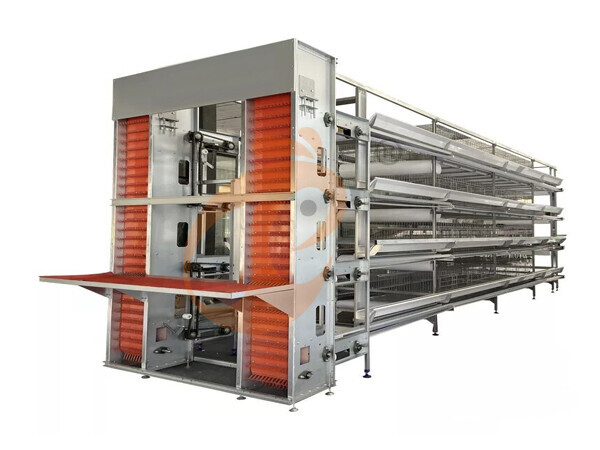
 >30,000 Layers Automatic H Type Battery CageRead More
 10,000 - 30,000 Layers Automatic A Type Battery CageRead More
MESSAGE