

BLOG
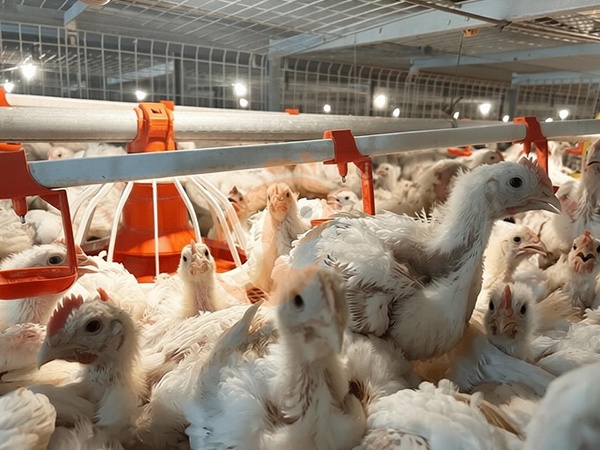
Nipple drinkers efficiency comparison defines poultry watering system selection for commercial farms.
Automatic vs manual nipple drinkers determines water delivery stability across broiler and layer production cycles.
Poultry water system efficiency directly affects growth performance and flock health outcomes.
Poultry drinking equipment selection determines labor intensity and infrastructure requirements in commercial farming systems.
Water system design influences feed conversion ratio and mortality rate across production cycles.
Get professional poultry farm construction guidance, equipment selection solutions, and the latest price lists, whatsApp to +8618830120193, click to learn more:
Overview
Modern poultry farming depends heavily on reliable hydration systems.
Poultry water system efficiency directly affects growth performance and flock health outcomes.
Automatic vs manual nipple drinkers comparison provides critical insight for farm investment planning.
Water delivery consistency influences feed conversion ratio and mortality rate across production cycles.
Poultry drinking equipment selection determines labor intensity and infrastructure requirements in commercial farming systems.
Introduction Of Manual Nipple Drinkers
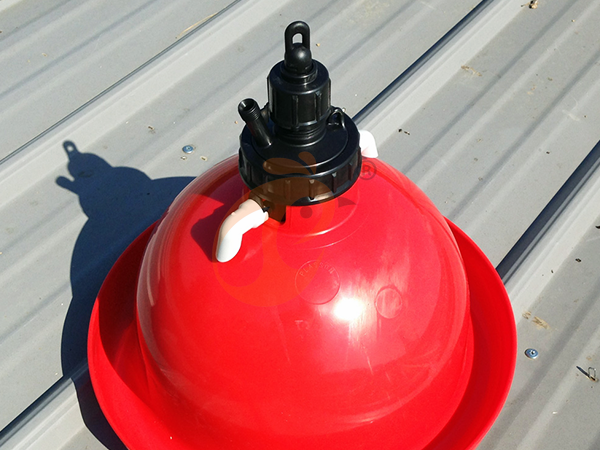
Manual nipple drinkers operate through gravity feed or manually controlled water release systems widely used in small poultry farms.
Poultry water system design in manual configuration relies on human supervision for refilling operations and pressure control stability.
Manual Nipple Drinkers Technical Parameters
Data is for reference only.Swipe horizontally to view full table.
Manual systems remain basic in structure with limited hydraulic control capability.
Introduction Of Automatic Nipple Drinkers
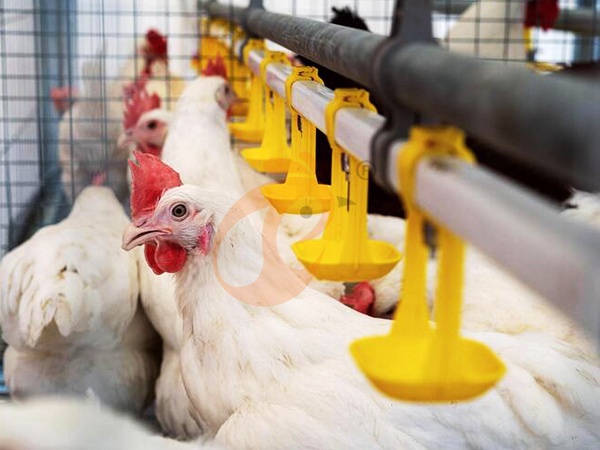
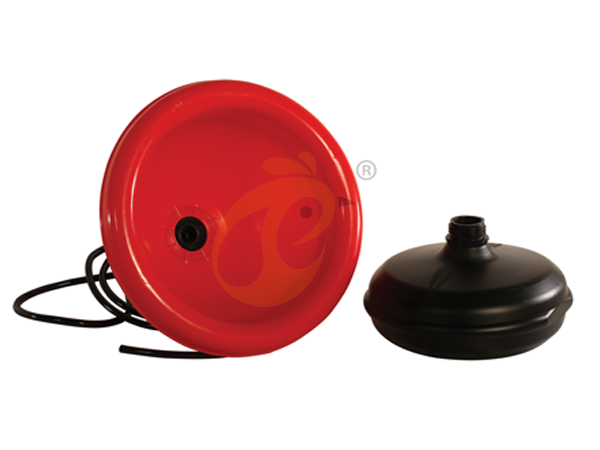
Automatic nipple drinkers operate through pressure regulated pipeline systems integrated with filtration units and centralized water supply infrastructure.
Poultry water system automation ensures stable hydration delivery across large scale poultry production environments.
Automatic Nipple Drinkers Technical Parameters
Data is for reference only.Swipe horizontally to view full table.
Automatic systems maintain controlled hydraulic performance across extended poultry housing structures.
Price Structure Comparison In Poultry Equipment Market
Automatic vs manual nipple drinkers price variation determines farm investment strategy and capital allocation planning.
Price Structure Comparison Table
Data is for reference only.Swipe horizontally to view full table.
European union standard reference only.
Water Consumption Efficiency In Poultry Water System
Poultry water system efficiency determines hydration balance and production performance stability in commercial poultry farming.
Water Consumption Efficiency Table
Data is for reference only.Swipe horizontally to view full table.
Production Performance In Broiler Farming System
Automatic vs manual nipple drinkers significantly influence broiler growth performance and production efficiency indicators.
Broiler Performance Table
Data is for reference only.Swipe horizontally to view full table.
Maintenance Requirement In Poultry Equipment Operation
Poultry water system maintenance directly affects operational continuity and labor allocation efficiency in poultry farming facilities.
Maintenance Requirement Table
Data is for reference only.Swipe horizontally to view full table.
Resource Consumption In Poultry Water System
Poultry water system resource utilization includes electricity demand, water storage efficiency, and labor dependency factors in farm management.
Resource Consumption Table
Data is for reference only.Swipe horizontally to view full table.
Scalability In Poultry Farming System Expansion
Poultry water system scalability determines farm expansion capacity and infrastructure adaptability for large scale production systems.
Scalability Comparison Table
Data is for reference only.Swipe horizontally to view full table.
Cost Efficiency Over Production Cycle In Poultry Equipment
Poultry water system economic evaluation requires multi-year cost distribution analysis for accurate investment decision making.
Five Year Cost Table
Data is for reference only.Swipe horizontally to view full table.
European union standard reference only.
System Design Parameters In Poultry Water System
Nipple installation height range maintained between 15–35 cm depending on bird growth stage.
Pipeline pressure control maintained between 0.2–0.4 bar for stable automatic operation.
Water filtration system maintained below 100 microns for contamination control efficiency.
Pipeline slope maintained between 2–5 degrees for proper drainage flow control.
Storage tank capacity designed for minimum 24 hour continuous operation requirement.
Failure Risk Analysis In Poultry Drinking Equipment
System reliability determines poultry survival rate and production continuity in intensive farming environments.
Failure Risk Table
Data is for reference only.Swipe horizontally to view full table.
Frequently Asked Questions
Q1: What is the water consumption difference between automatic and manual nipple drinkers?
Automatic systems consume 200–240 liters per 1000 birds daily with 5–15 liters spillage loss.
Manual systems consume 180–220 liters with 25–60 liters spillage loss.
Difference directly impacts Poultry Water System efficiency and feed conversion ratio stability.
Q2: Which system provides better feed conversion ratio in broiler production?
Automatic nipple drinkers achieve feed conversion ratio between 1.60–1.72.
Manual systems show 1.75–1.90 range in broiler production cycles.
Weight gain improvement reaches approximately 8–12 percent in automatic systems.
Q3: What is the investment difference per 1000 birds capacity?
Manual system investment ranges from 200–450 USD.
Automatic systems require 1650–3300 USD including installation and infrastructure components.
Difference mainly driven by pipeline, pressure system, and filtration integration.
Taiyu (HK) Group - One Of China Largest Nipple Drinkers Manufacturer
Automatic nipple drinkers designed for high efficiency poultry water system delivering stable hydration performance across commercial poultry farms.
Global factory direct supply enables cost optimized poultry equipment production supporting broiler cage and layer cage integration systems.
Poultry equipment engineering includes nipple drinkers, feeding systems, ventilation systems and automated poultry house solutions.
Turn-key poultry farming projects include design, installation, commissioning and training for large scale poultry production facilities.
Industrial poultry equipment manufacturing supports global export markets with standardized quality control and long term operational reliability.
Contact Us To Received Your Customized Poultry Farm Plan
Headquarters And Branchs

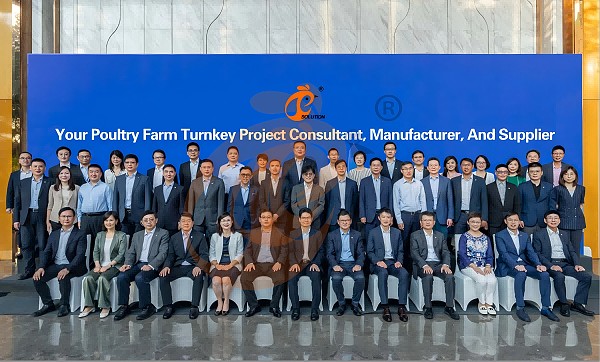
Hong Kong Headquarter Management Team
Hong Kong Headquarter Taiyu Industrial Group CO., LTD
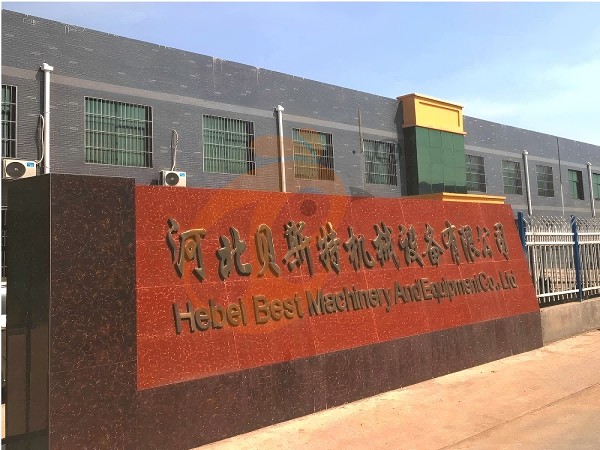
China Hebei Best Machinery And Equipment CO., LTD
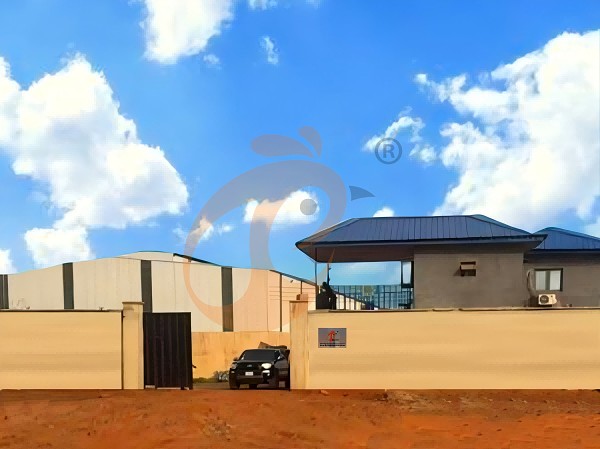
Nigeria Vanke Machinery And Equipment CO., LTD
Tanzania Best Machinery And Equipment CO., LTD
Ethiopia Best Hebei Machinery Manufacturing PLC
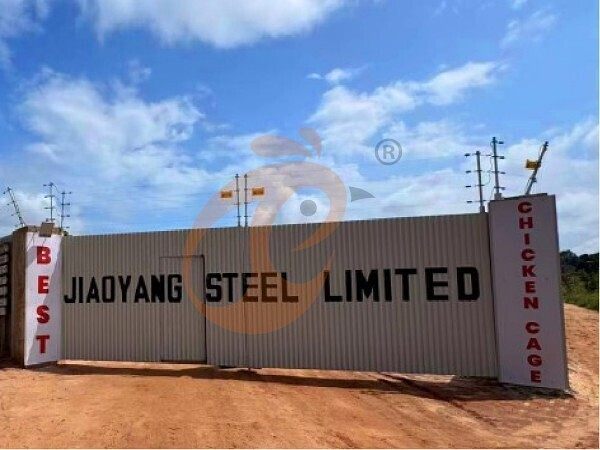

Reception /24 WhatsApp NO. : +8618830120193
PRODUCTS RECOMMENDED
 China Branch Manufacture Poultry Farm EquipmentRead More
 Ethiopia Branch Manufacture Poultry Farm EquipmentRead More
 Nigeria Branch Manufacture Poultry Farm EquipmentRead More
 Tanzania Branch Manufacture Poultry Farm EquipmentRead More
 IoT Smart Poultry FarmRead More
 >30,000 Layers Automatic H Type Battery CageRead More
 10,000 - 30,000 Layers Automatic A Type Battery CageRead More


MESSAGE