

BLOG
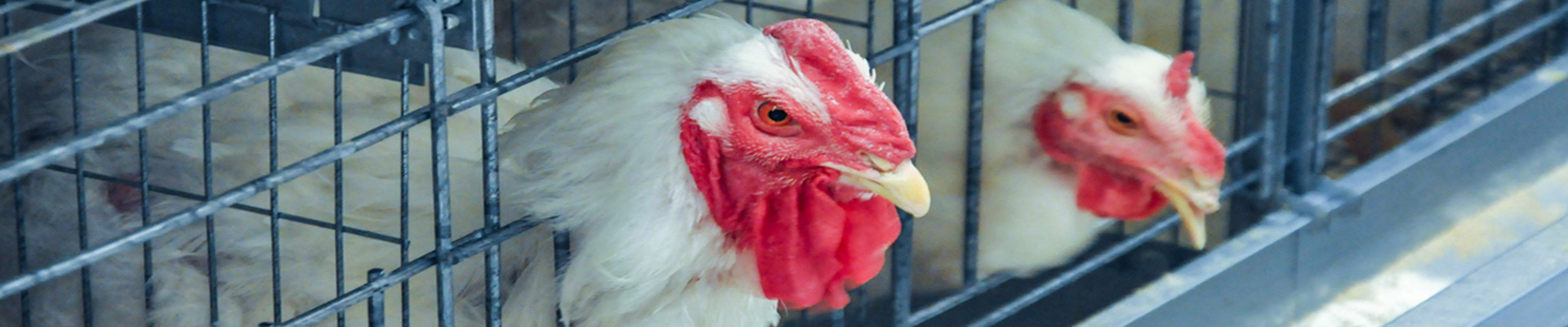
Broiler chicken cage system comparison covers production efficiency, feeding accuracy, and labor cost differences in modern poultry farming industry.
Automatic broiler chicken cage system installation improves stocking density utilization and reduces feed waste rate across commercial poultry farms.
Manual broiler chicken cage system remains widely used in small poultry farms due to lower initial capital investment requirement.
Broiler cage system performance analysis includes feed conversion ratio, mortality rate, and production cycle output per batch.
Poultry farming equipment selection directly influences revenue per cycle, operational cost structure, and long-term farm scalability performance.
Get professional poultry farm construction guidance, equipment selection solutions, and the latest price lists, whatsApp to +8618830120193, click to learn more:
Industry Background And Product Focus
Broiler chicken production systems are generally divided into two categories: automatic cage systems and manual cage systems.
The difference between them is measurable in terms of cost, feed consumption, labor input, mortality rate, and production output per cycle.
In medium-scale poultry operations (30,000–100,000 birds per cycle), production data shows that system selection affects total operating cost by approximately 18% to 42% per production cycle, depending on feed price, labor wage level, and equipment configuration.
The keyword broiler chicken cage price reflects one of the most searched commercial decision factors in poultry investment planning.
Product Structure Overview
Before selecting a broiler cage system, understanding the structural composition of each configuration helps farmers evaluate long-term operational stability and maintenance requirements.
Data is for reference only. Swipe horizontally to view full table.
Proper interpretation of cage components allows investors to match equipment design with farm scale and automation level.
System integration level determines how much daily labor intervention is required during full production cycles.
Market Price Structure Of Products
Investment planning in poultry farming begins with accurate cage system cost evaluation, especially when scaling beyond 10,000 birds capacity.
Data is for reference only. Swipe horizontally to view full table.
Price structure differences directly influence farm expansion speed and capital recovery planning.
Higher system integration in automatic equipment increases upfront investment but reduces long-term operational dependency on labor resources.
Installation And System Deployment
Installation planning determines whether poultry equipment can achieve stable performance after commissioning and affects early mortality control during first production cycles.
Data is for reference only. Swipe horizontally to view full table.
Installation precision directly influences feeding stability, water distribution accuracy, and system lifespan.
Automatic systems require higher installation complexity due to integrated mechanical and electrical systems.
Stocking Capacity And Space Utilization
Farm revenue is strongly linked to how efficiently available space is converted into productive bird capacity per cycle.
Data is for reference only. Swipe horizontally to view full table.
Space utilization efficiency directly determines total annual production volume in commercial poultry farming systems.
Higher density design increases output per unit area but requires stricter environmental control.
Feeding System Performance
Feed management is the most critical cost driver in broiler production, often accounting for more than half of total operational expenses.
Data is for reference only. Swipe horizontally to view full table.
Stable feed delivery improves weight uniformity and reduces uneven growth across flocks.
At a feed price of 0.45 USD/kg, feed loss difference per 50,000 birds cycle equals 6,000 – 45,000 USD.
European union standard reference only applies to feed cost benchmark calculations.
Drinking System Comparison
Water system design affects bird health, contamination risk, and feed digestion efficiency across production cycles.
Data is for reference only. Swipe horizontally to view full table.
Cleaner water delivery systems reduce bacterial load and improve survival consistency.
Water management precision directly correlates with flock health stability and medication cost reduction.
FCR And Growth Efficiency (Scientific Core Section)
Feed Conversion Ratio (FCR) is the core performance metric of broiler systems.
Data is for reference only. Swipe horizontally to view full table.
FCR differences reflect how efficiently feed is converted into market weight output.
Lower FCR values indicate better feed utilization and reduced cost per kilogram of meat output.
Mortality And System Stability
Bird survival rate is directly affected by environmental stability, feeding consistency, and disease control efficiency.
Data is for reference only. Swipe horizontally to view full table.
Even small percentage differences in mortality significantly change total revenue per cycle in large-scale farms.
Stable environmental control reduces stress-related losses during peak growth stages.
Labor Structure And Operational Cost
Labor allocation structure defines long-term scalability and operational consistency of poultry farms.
Data is for reference only. Swipe horizontally to view full table.
Reduced manual intervention allows more stable daily management cycles.
Labor reduction directly improves long-term profit margin stability.
Energy And Operating Consumption
Energy and water consumption patterns influence monthly operational budgeting and infrastructure design requirements.
Data is for reference only. Swipe horizontally to view full table.
Automation increases energy usage but reduces overall production waste.
Energy consumption planning is essential for farms located in regions with variable electricity pricing.
Maintenance And Product Lifespan
Maintenance structure determines long-term equipment reliability and replacement frequency.
Data is for reference only. Swipe horizontally to view full table.
Proper maintenance scheduling significantly extends system lifecycle performance.
Higher technical integration requires structured maintenance planning.
Revenue Output Per Cycle (50,000 Birds Model)
Farm profitability is ultimately determined by cost control and production yield per cycle.
Data is for reference only. Swipe horizontally to view full table.
Revenue variation depends on feed efficiency, mortality control, and market weight consistency.
Profit difference per cycle: 15,000 – 35,000 USD
Frequently Asked Questions
Q1: What is the cost difference between automatic and manual broiler cage systems?
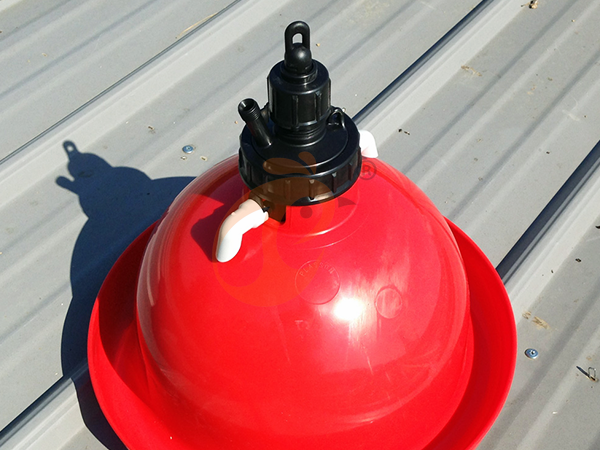
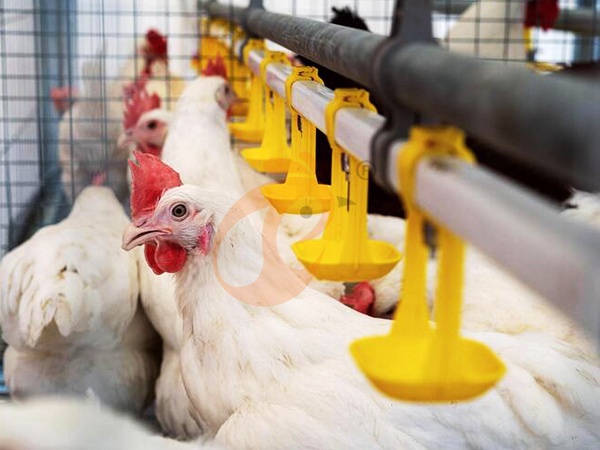
Automatic broiler cage systems require a higher initial investment because the equipment includes feeding lines, drinking systems, manure removal devices, and centralized control units.
Typical investment for a capacity of 10,000 birds is 25,000 – 45,000 USD, while manual systems are generally 9,000 – 18,000 USD for the same capacity level.
The resulting investment gap is usually 16,000 – 27,000 USD per 10,000 birds capacity, depending on equipment configuration, steel thickness, and automation modules selected.
Q2: How does feed efficiency differ between the two systems?
Feed efficiency difference is mainly determined by feeding consistency, feed loss control, and growth uniformity inside the cage environment.
Automatic systems maintain a more stable feeding schedule and reduce feed spillage, resulting in lower feed requirement per kilogram of weight gain compared with manual systems.
In practical production cycles, this difference typically translates into 0.75 – 1.50 kg less feed consumption per bird, depending on breed type and slaughter weight target.
Q3: How many workers are required for commercial poultry farms?
Labor requirement is directly influenced by the level of automation in feeding, cleaning, and monitoring processes.
Automatic systems usually operate with 2 – 4 workers per 50,000 birds, mainly for supervision, maintenance checks, and system control.
Manual systems require significantly more labor input, typically 10 – 17 workers per 50,000 birds, due to daily feeding operations, manual cleaning, and water management tasks.
Taiyu (HK) Group - One Of China Biggest Broiler Chicken Cage Manufacturer
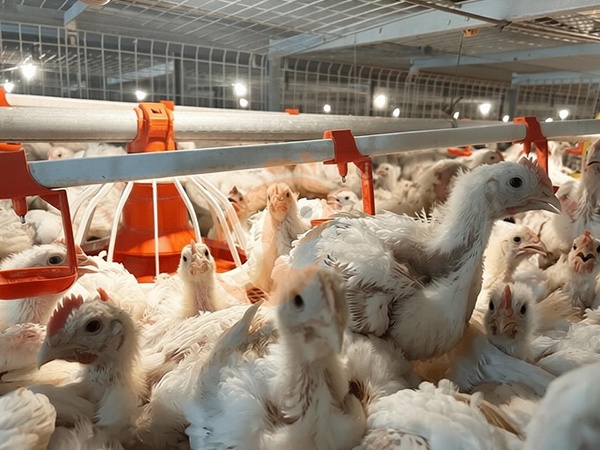
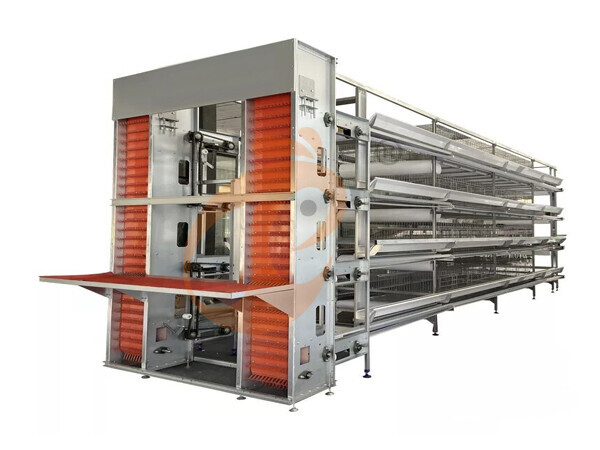
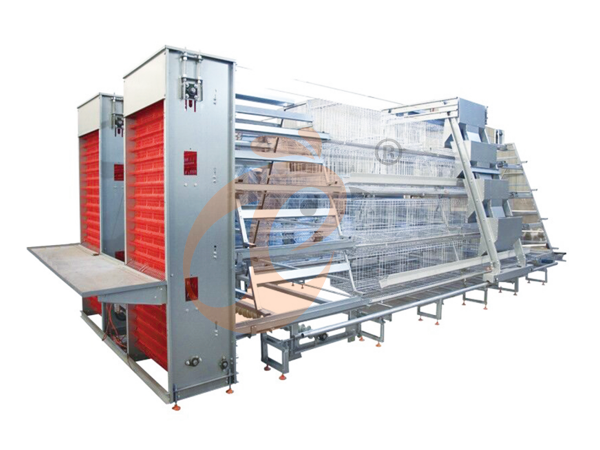
Automatic broiler chicken cage system integrates feeding system, drinking system, manure removal system, and climate control system for commercial poultry production efficiency improvement.
Global factory direct supply model supports poultry farm cost optimization, reducing intermediary distribution expenses across international markets.
Poultry equipment manufacturing line includes broiler cage system, layer cage system, and complete poultry housing automation solutions for large-scale farms.
Turn-key engineering service covers farm design layout, equipment installation supervision, and production system optimization consulting for investors.
Professional poultry cage exporter provides long-term technical support, spare parts supply, and system upgrade solutions for global clients.
Contact Us To Received Your Customized Poultry Farm Plan
Headquarters And Branchs

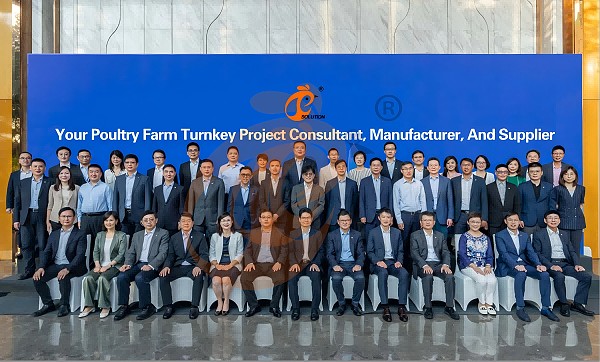
Hong Kong Headquarter Management Team
Hong Kong Headquarter Taiyu Industrial Group CO., LTD
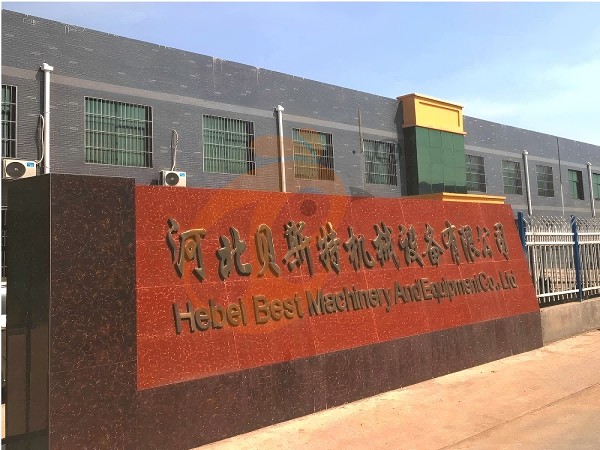
China Hebei Best Machinery And Equipment CO., LTD
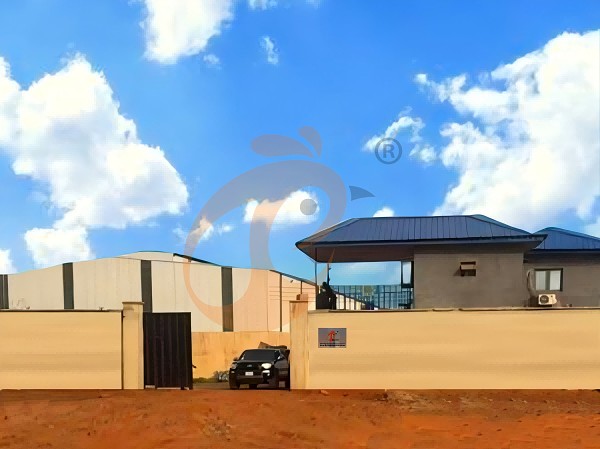
Nigeria Vanke Machinery And Equipment CO., LTD
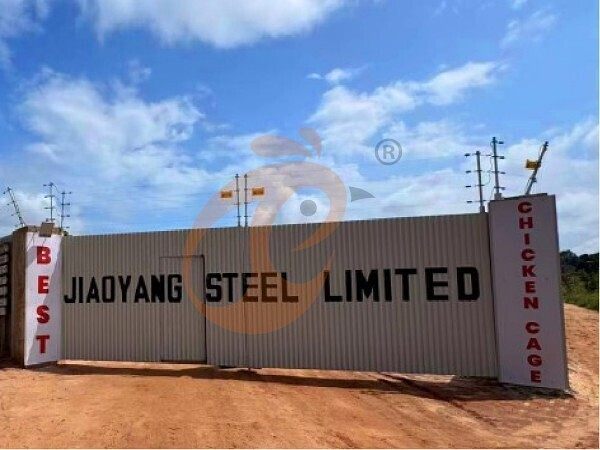
Tanzania Best Machinery And Equipment CO., LTD
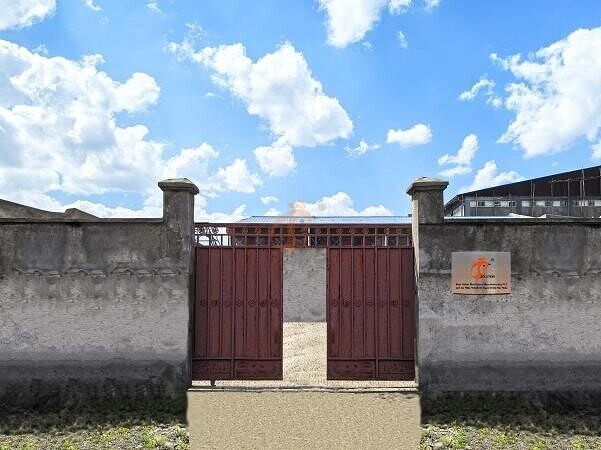
Ethiopia Best Hebei Machinery Manufacturing PLC
Reception /24 WhatsApp NO. : +8618830120193
PRODUCTS RECOMMENDED
 China Branch Manufacture Poultry Farm EquipmentRead More
 Ethiopia Branch Manufacture Poultry Farm EquipmentRead More
 Nigeria Branch Manufacture Poultry Farm EquipmentRead More
 Tanzania Branch Manufacture Poultry Farm EquipmentRead More
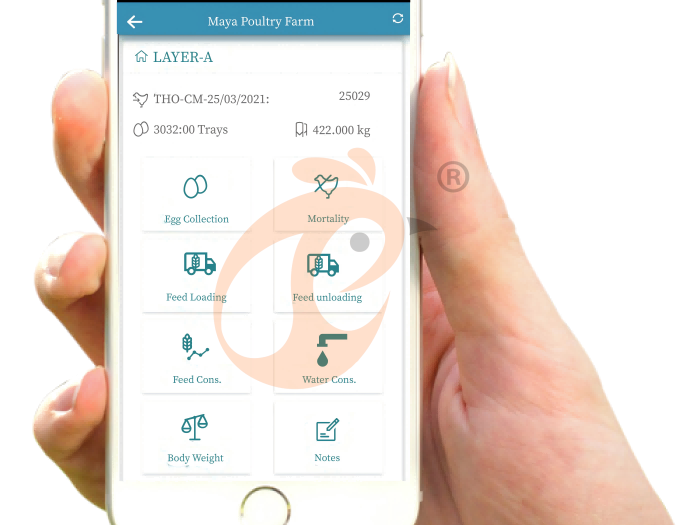
 IoT Smart Poultry FarmRead More
 >30,000 Layers Automatic H Type Battery CageRead More
 10,000 - 30,000 Layers Automatic A Type Battery CageRead More
MESSAGE