

BLOG
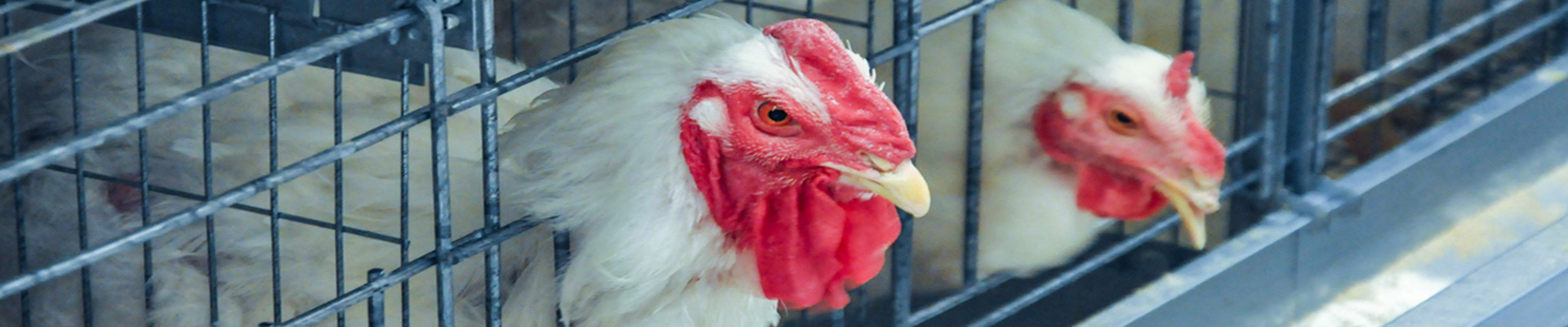
Layer battery cage vs floor system price comparison drives modern poultry investment decisions in commercial egg production.
Investment efficiency analysis determines poultry farm profitability across industrial egg production facilities worldwide.
Battery cage system adoption increases layer farm productivity through controlled housing and automated egg collection systems.
Floor system poultry farming expands in small and medium farms requiring lower initial capital investment structure.
Return on investment comparison between poultry housing systems directly influences egg production cost structure and long-term farm scalability.
Get professional poultry farm construction guidance, equipment selection solutions, and the latest price lists, whatsApp to +8618830120193, click to learn more:
Introduction: Structural Economics Of Layer Farming Systems
Layer poultry production operates as capital allocation converting feed, space, labor, and time into egg output at minimum unit cost.
Industrial egg production models include layer battery cage system and floor system as dominant housing architectures.
Poultry cage system investment decisions depend on poultry farming return on investment performance indicators and market demand stability.
Comparison determines cost per installed bird, annual egg yield per hen, labor requirement per 10,000 birds, feed conversion efficiency, and payback period sensitivity.
This article analyzes both systems using structured financial and operational datasets for commercial egg farming investment decisions.
Layer Battery Cage System: Structural Design And Capacity Logic
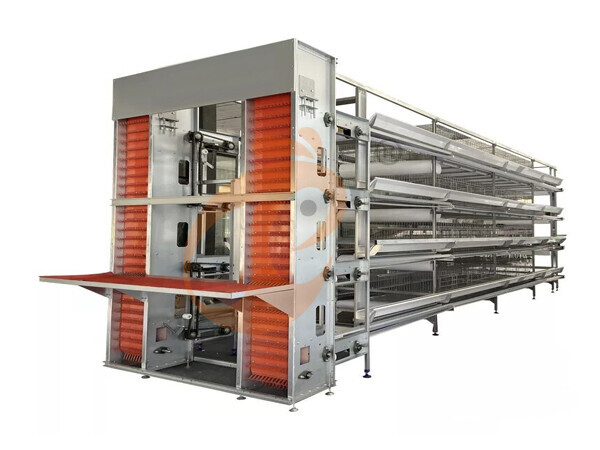
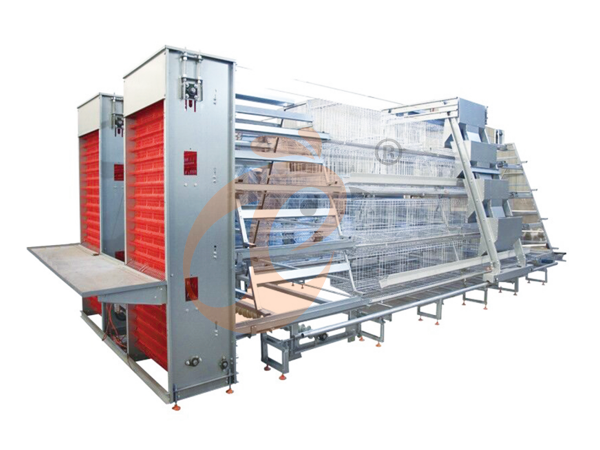
Layer battery cage system consists of vertically stacked steel frames designed for high-density layer production.
System configuration includes multi-tier cages, automatic feeding lines, nipple drinking systems, and manure removal belts.
Industrial configuration parameters are listed below.
System design maximizes birds per cubic meter and increases land productivity per facility footprint.
Floor System Housing Configuration And Density Constraints
Floor system utilizes open housing structure with litter bedding or slatted floor design.
Bird movement occurs freely within shared housing environment.
Poultry farming return on investment analysis identifies higher labor demand in this production model.
System design prioritizes animal movement freedom while reducing spatial stocking density efficiency.
Capital Investment Structure Per 10,000 Birds Capacity
Data is for reference only.Swipe horizontally to view full table.
Battery cage system requires 168,000 USD investment per 10,000 birds capacity.
Floor system requires 67,700 USD investment per 10,000 birds capacity.
Land Utilization And Housing Efficiency
Data is for reference only.Swipe horizontally to view full table.
Battery cage system increases production density per fixed land area and improves scalability in limited land conditions.
Poultry cage system structure increases output per housing unit compared with floor-based production models.
Annual Operating Cost Breakdown Per 10,000 Birds
Data is for reference only.Swipe horizontally to view full table.
Battery cage system reduces labor expenditure per production unit significantly.
Floor system increases labor expenditure due to manual handling requirements.
Production Output Metrics
Data is for reference only.Swipe horizontally to view full table.
Battery cage system increases annual egg output per flock by approximately 15–20%.
Revenue Structure Model Market Price Simulation
Assuming average egg price equals 0.12 USD per egg.
Data is for reference only.Swipe horizontally to view full table.
Battery cage system generates higher annual revenue per 10,000 birds capacity.
Revenue difference increases proportionally with farm scale expansion.
Return On Investment And Payback Period Calculation
Data is for reference only.Swipe horizontally to view full table.
Battery cage system achieves faster capital recovery through higher production density and lower unit cost leakage.
Poultry farming return on investment remains higher in cage-based production systems under identical feed price conditions.
Biological And Production Science Explanation
Egg production efficiency differences originate from measurable physiological energy distribution factors.
Maintenance energy demand per bird increases with movement distance in floor system environments.
Stress hormone variation directly influences laying cycle consistency across production cycles.
Controlled feeding schedules increase feed digestibility utilization efficiency in cage systems.
Production systems with restricted movement increase energy allocation toward egg production output.
Risk Exposure And Loss Structure
Data is for reference only.Swipe horizontally to view full table.
Battery cage system limits disease spread through physical separation between birds.
Floor system increases disease transmission probability through shared ground contact.
Labor Efficiency And Human Resource Load
Data is for reference only.Swipe horizontally to view full table.
Automation reduces manual labor requirement per production unit in cage-based systems.
Floor system requires continuous manual operational input across all production stages.
Feed Utilization And Conversion Economics
Data is for reference only.Swipe horizontally to view full table.
Battery cage system reduces feed consumption per unit egg mass output.
Floor system increases feed consumption per unit egg mass output due to movement energy loss.
Environmental Control And Infrastructure Requirements
Data is for reference only.Swipe horizontally to view full table.
Battery cage system maintains tighter environmental stability across production cycles.
Floor system operates under wider environmental fluctuation ranges.
Frequently Asked Questions
Q1: What is the cost difference between battery cage system and floor system?
Battery cage system investment equals 168,000 USD per 10,000 birds capacity.
Floor system investment equals 67,700 USD per 10,000 birds capacity.
Poultry Cage System increases capital requirement while improving production density per unit area.
Q2: Which system delivers higher poultry farming return on investment?
Battery cage system generates 18–26% annual return on investment.
Floor system generates 12–18% annual return on investment.
Higher egg output per hen increases payback speed in cage-based systems.
Q3: Which system produces more eggs per hen per year?
Battery cage system produces 305 eggs per hen annually.
Floor system produces 285 eggs per hen annually.
Controlled environment stabilizes laying cycle frequency in cage-based production systems.
Taiyu (HK) Group - One Of China Biggest Battery Cage System Manufacturer
Layer battery cage system designed for commercial egg production farms with automated feeding and egg collection technology integration.
Global factory direct supply supports poultry farming equipment distribution across large scale industrial poultry production projects.
Poultry equipment manufacturing includes cage system design, environmental control systems, and automated egg handling solutions for farms.
Poultry cage engineering provides turnkey project installation covering housing design, ventilation systems, and full farm integration services.
Turn-key poultry farm solutions support investors with complete system planning, construction, and operational commissioning services worldwide.
Contact Us To Received Your Customized Poultry Farm Plan
Headquarters And Branchs

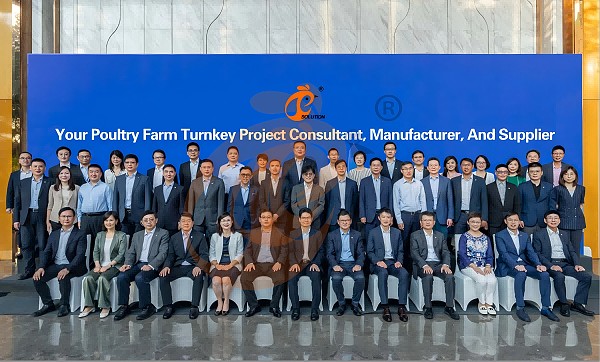
Hong Kong Headquarter Management Team
Hong Kong Headquarter Taiyu Industrial Group CO., LTD
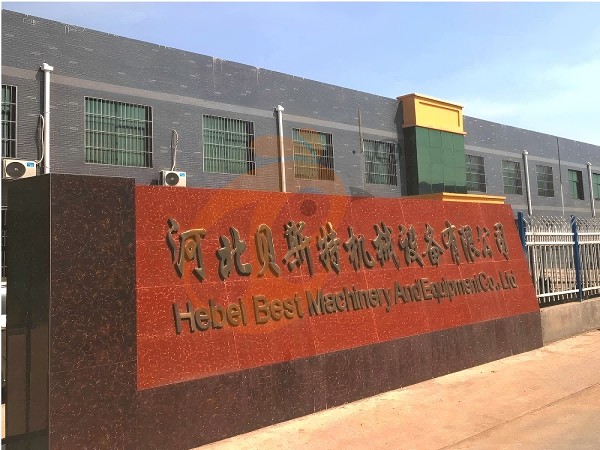
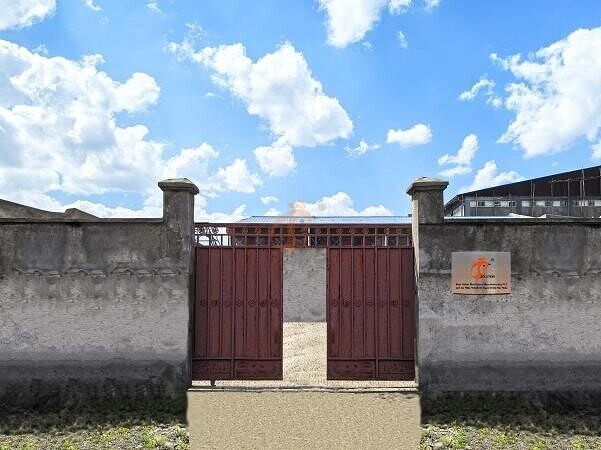
China Hebei Best Machinery And Equipment CO., LTD
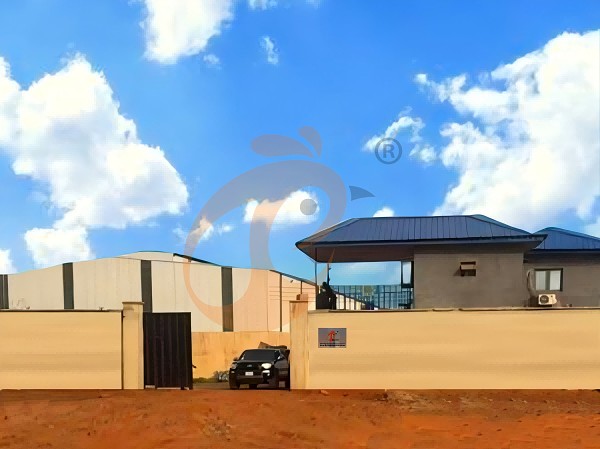
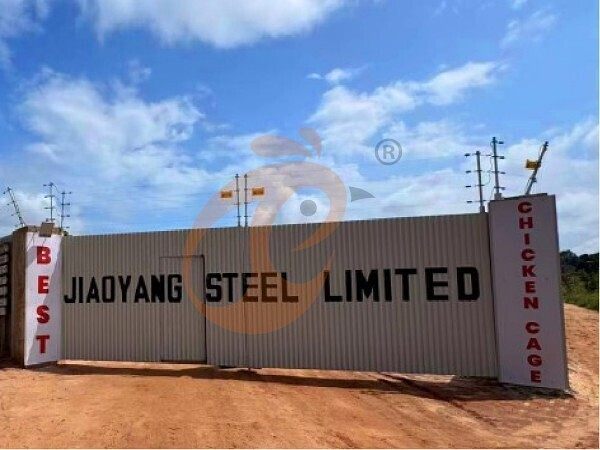
Nigeria Vanke Machinery And Equipment CO., LTD
Tanzania Best Machinery And Equipment CO., LTD
Ethiopia Best Hebei Machinery Manufacturing PLC
Reception /24 WhatsApp NO. : +8618830120193
PRODUCTS RECOMMENDED
 China Branch Manufacture Poultry Farm EquipmentRead More
 Ethiopia Branch Manufacture Poultry Farm EquipmentRead More
 Nigeria Branch Manufacture Poultry Farm EquipmentRead More
 Tanzania Branch Manufacture Poultry Farm EquipmentRead More
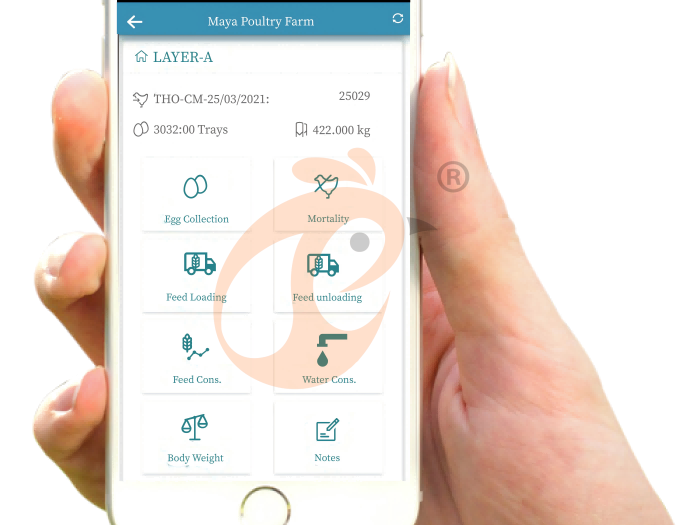
 IoT Smart Poultry FarmRead More
 >30,000 Layers Automatic H Type Battery CageRead More
 10,000 - 30,000 Layers Automatic A Type Battery CageRead More
MESSAGE