

BLOG
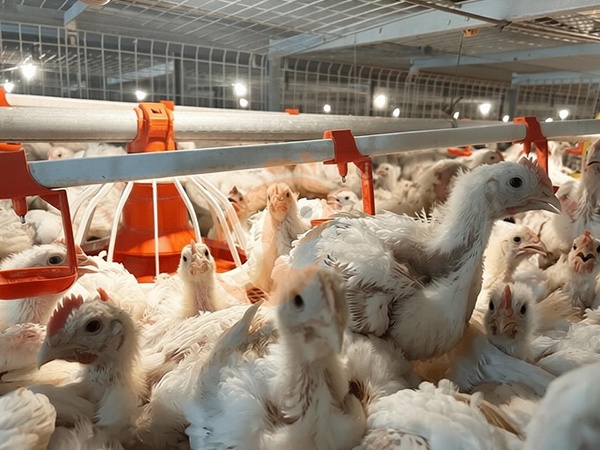
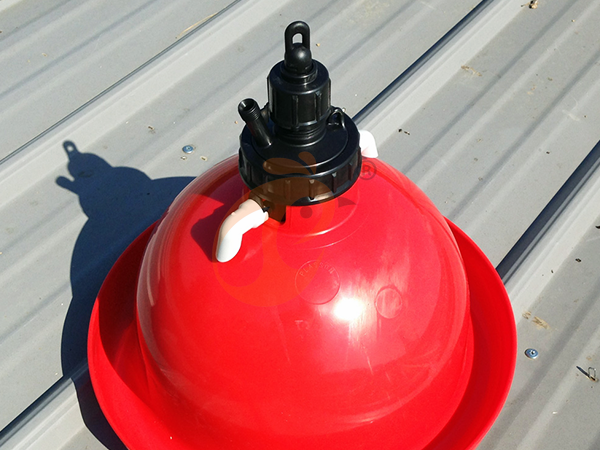
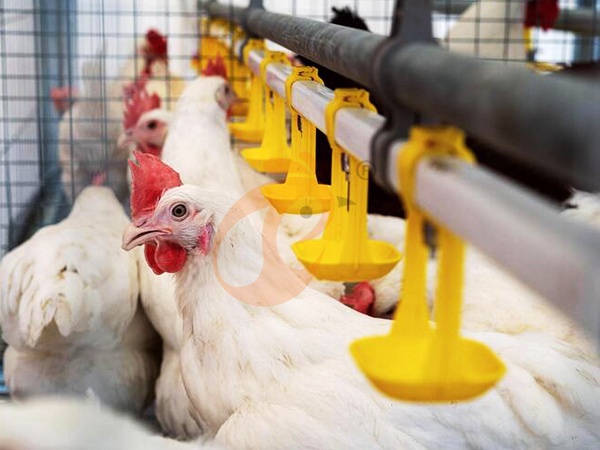
Poultry feeder systems are essential equipment in poultry farming automation systems for improving feed efficiency and reducing waste.
Improves feed distribution stability, flock uniformity, and daily operational consistency in commercial poultry houses.
Automatic poultry feeder system integration supports precise feed delivery control across broiler and layer production environments.
Ensures stable feed flow, reduced contamination risk, and improved bird growth performance.
- Engineering design combines mechanical feeding lines, adjustable suspension systems, and structured farm layout planning.
Get professional poultry farm construction guidance, equipment selection solutions, and the latest price lists, whatsApp to +8618830120193, click to learn more:
Poultry Feeder System Overview
Poultry feeder system design determines feed efficiency and flock uniformity in commercial poultry production environments.
A properly structured system reduces feed loss and improves overall production output.
The increasing adoption of automated poultry feeder systems has improved consistency in feed delivery across different farm scales.
Data is for reference only.Swipe horizontally to view full table.
Layout Design Based On Stocking Density
Poultry feeder layout planning directly affects flock behavior, feeding access, and space utilization efficiency.
Proper layout reduces overcrowding and ensures balanced feed distribution.
In commercial poultry farming systems, feeder spacing is calculated based on bird density and growth stage requirements.
Data is for reference only.Swipe horizontally to view full table.
Installation Tools And Structural Requirements
Proper installation of poultry feeder systems requires precision tools to ensure alignment accuracy and structural stability.
In large-scale poultry farm operations, installation errors greater than 1 cm per 5 meters can significantly affect feed distribution performance.
Data is for reference only.Swipe horizontally to view full table.
Feeder Line Arrangement Strategy
Feeder line arrangement plays a critical role in optimizing poultry feeding system performance and airflow balance inside poultry houses.
Proper spacing ensures equal access to feed and reduces competition among birds.
Data is for reference only.Swipe horizontally to view full table.
Safety Protocols During Installation
Safety compliance is mandatory during poultry feeder installation, especially when working with suspended mechanical systems and electrical components.
Poultry farm safety standards require strict control of working height and load-bearing limits.
Data is for reference only.Swipe horizontally to view full table.
Feed Distribution Mechanism Science
The poultry feeding system relies on gravity and mechanical auger systems for feed delivery.
Feed particle size consistency is a critical factor affecting flow stability in automated poultry feeder systems.
Irregular particle sizes increase blockage risk and reduce feed uniformity.
Recommended feed particle standards include crumble feed 1.5–3.0 Mm.
Pellet feed ranges from 2.0–4.0 Mm.
Mash feed ranges from 0.5–1.5 Mm.
Excessively fine feed particles can increase dust accumulation and respiratory risks in poultry environments.
Feeder Height Adjustment Standards
Proper feeder height adjustment ensures optimal feeding posture and reduces feed wastage in poultry farming operations.
Incorrect height settings often lead to feed spillage and contamination from litter materials.
Data is for reference only.Swipe horizontally to view full table.
Step By Step Installation Workflow
The installation workflow of poultry feeder systems must follow a structured engineering sequence to ensure operational efficiency and system stability in poultry farming environments.
Data is for reference only.Swipe horizontally to view full table.
Feeder Usage Operational Tips
Proper usage of poultry feeder systems improves long-term performance and reduces maintenance cost in poultry farming operations.
Consistent operational management ensures stable feed delivery and reduces system failure probability.
- Maintain poultry feeder system humidity below 60 percent RH.
- Inspect auger rotation speed every 72 hours in automated poultry feeder systems.
- Clean feed pans every 7 days to maintain hygiene standards.
- Replace suspension cables every 12–18 months depending on load usage.
Monitor feed consumption variance above 8 percent daily for early fault detection.
Maintenance Engineering Schedule
Preventive maintenance ensures long-term efficiency of poultry feeding systems and reduces operational downtime in commercial poultry farms.
Maintenance scheduling must follow predictable engineering cycles.
Data is for reference only.Swipe horizontally to view full table.
Frequently Asked Questions
Q1: What is the optimal feeder spacing in poultry feeder installation systems?
Optimal feeder spacing ranges from 0.75–1.0 meters per feed pan line in commercial poultry farming systems.
Density above 25 birds per square meter requires additional feeder lines to prevent competition stress and feed unevenness.
Q2: How often should poultry feeder systems be cleaned after installation?
Poultry feeder systems require cleaning every 7 days under standard farming conditions.
Dust accumulation above 15 grams per feeder pan increases bacterial growth risk by approximately 22 percent in controlled farm studies.
Q3: What is the typical feed loss percentage in poorly installed systems?
Poor installation of poultry feeder systems can increase feed loss up to 6–10 percent per production cycle.
Correct height calibration reduces feed wastage rate to approximately 1.5 percent at final growth stage.
Taiyu (HK) Group - One Of China Largest Poultry Feeder System Manufacturer
Poultry feeder system integrated with automatic feeding line design for broiler and layer farms
Global factory direct supply supporting large-scale poultry farming equipment procurement solutions
Poultry equipment manufacturing including feeder lines, drinking systems, and ventilation systems
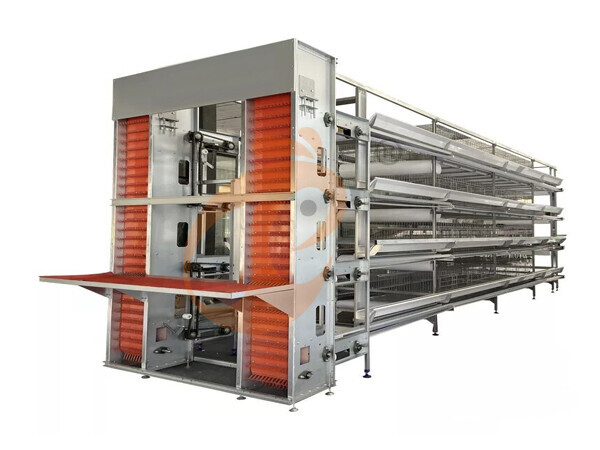
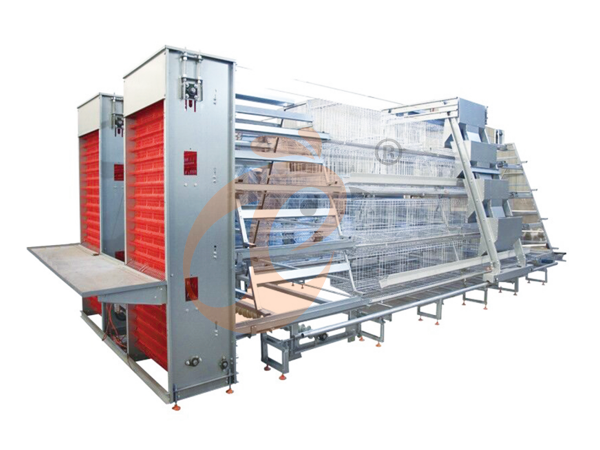
Poultry cage integrated engineering solutions combined with automated feeding infrastructure
Turn-key poultry farming project engineering covering design, installation, and commissioning services
Contact Us To Received Your Customized Poultry Farm Plan
Headquarters And Branchs

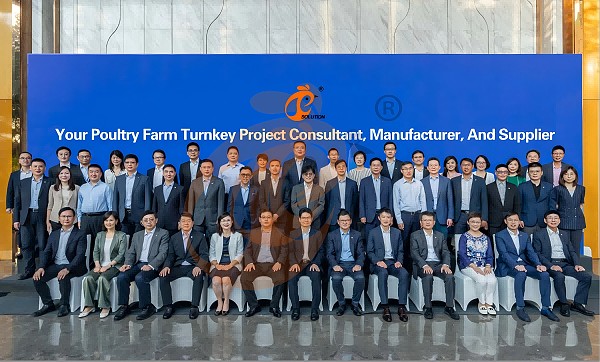
Hong Kong Headquarter Management Team
Hong Kong Headquarter Taiyu Industrial Group CO., LTD
China Hebei Best Machinery And Equipment CO., LTD
Nigeria Vanke Machinery And Equipment CO., LTD
Tanzania Best Machinery And Equipment CO., LTD
Ethiopia Best Hebei Machinery Manufacturing PLC




Reception /24 WhatsApp NO. : +8618830120193
PRODUCTS RECOMMENDED
 China Branch Manufacture Poultry Farm EquipmentRead More
 Ethiopia Branch Manufacture Poultry Farm EquipmentRead More
 Nigeria Branch Manufacture Poultry Farm EquipmentRead More
 Tanzania Branch Manufacture Poultry Farm EquipmentRead More
 IoT Smart Poultry FarmRead More
 >30,000 Layers Automatic H Type Battery CageRead More
 10,000 - 30,000 Layers Automatic A Type Battery CageRead More
MESSAGE