


BLOG
Automatic pellet machine for poultry feed production increases throughput per operating cycle under controlled compression conditions.
Poultry pellet machine price comparison determines capital allocation strategy in poultry production systems.
Feed pellet machine improves pellet density stability and reduces particle separation during storage.
Pellet production system controls bulk density variation during transport and stacking operations.
Industrial pellet machine operates under controlled die temperature range of 65–90°C for feed stability.
Get professional poultry farm construction guidance, equipment selection solutions, and the latest price lists, whatsApp to +8618830120193, click to learn more:
Overview
Comparison focuses on poultry feed pellet machine selection across different farm scales.
Poultry pellet machine investment is influenced by throughput requirement rather than unit purchase price alone.
Automatic system operates under stable torque range and continuous feed input conditions.
Manual system depends on intermittent pressure application and operator feeding rhythm.
Feed system selection is determined by production continuity requirement and material moisture tolerance range of 12–18%.
Introduction Of Pellet Machine Working Principle
Pellet machine operates through compression extrusion and friction heat accumulation inside die chamber.
Feed material undergoes structural bonding under temperature above 60°C during extrusion phase.
Pellet density is influenced by particle size distribution (0.5–3 mm) and fiber content ratio.
Moisture level directly affects pellet integrity and extrusion resistance.
Feed digestibility improves when starch gelatinization exceeds thermal activation threshold.
Manual Pellet Machine Structural Characteristics
Manual pellet machine uses mechanical leverage or low-power auxiliary drive system.
System design limits continuous production cycles and focuses on batch processing below industrial scale.
Compression ratio remains relatively low compared to automated systems.
Operator consistency directly influences pellet uniformity and output stability.
Mechanical wear is concentrated on die surface due to uneven pressure distribution.
Manual Machine Performance Data (Farm-Oriented Metrics)
Data is for reference only. Swipe horizontally to view full table.
Manual system performance is constrained by operator fatigue and batch feeding cycles.
Output stability declines when raw material moisture exceeds 18%.
Pellet uniformity depends on manual pressure control consistency.
Automatic Pellet Machine Industrial Structure
Automatic system integrates motor drive, auger feeding, and die temperature control modules.
Continuous operation enables stable feed input without interruption cycles.
Torque output is distributed evenly across compression rollers.
Thermal stability is maintained through regulated friction heat balance.
System supports extended operation above 8 hours per cycle.
Automatic Machine Performance Data (Farm-Oriented Metrics)
Data is for reference only. Swipe horizontally to view full table.
Automatic system maintains stable compression conditions across long cycles.
Variation is reduced due to controlled feeding speed and torque stabilization.
Pellet integrity remains consistent under continuous load conditions.
Price Structure Comparison (Direct Numerical View)
Data is for reference only. Swipe horizontally to view full table.
Price difference is driven mainly by automation modules and motor system complexity.
Capital investment scales with production continuity requirement rather than machine size.
Maintenance structure depends on mechanical load cycles and gearbox usage frequency.
Feed Production Efficiency Comparison (Quantitative Output)
Data is for reference only. Swipe horizontally to view full table.
Efficiency gap increases when operating time exceeds 6 hours daily.
Automation reduces idle time and stabilizes output rhythm.
Feed loss is mainly linked to pellet breakage reduction in controlled systems.
Economic Return Model For Poultry Farms
Data is for reference only. Swipe horizontally to view full table.
Return period depends on labor substitution and feed loss reduction rate.
Higher throughput systems reduce per-kg operational cost over time.
Feed Quality Stability Comparison
Data is for reference only. Swipe horizontally to view full table.
Quality stability improves with controlled compression pressure distribution.
Uniform pellet structure enhances feed absorption efficiency in poultry digestion systems.
Maintenance And Operational Complexity
Data is for reference only. Swipe horizontally to view full table.
System complexity increases with automation and electrical integration.
Maintenance scheduling becomes critical in continuous production environments.
Safety And Mechanical Stability Considerations
Pellet machine systems operate under high compression and friction-based thermal generation.
Safety design reduces exposure to rotating shafts and compression zones.
Mechanical stability depends on die wear rate and lubrication cycle consistency.
Energy Consumption Structure
Data is for reference only. Swipe horizontally to view full table.
Energy efficiency is better evaluated per unit output rather than total consumption.
Automation increases energy input but improves output stability ratio.
Application Scenarios In Poultry Farms
Backyard poultry farms operate manual pellet systems for low volume daily feed production
Commercial poultry farms deploy automatic systems for continuous feed output above 300 kg/day
Feed factories integrate industrial systems for standardized pellet production lines
Farming systems combine feed processing with storage humidity control modules
Automated farms synchronize feeding cycles with production output timing
Frequently Asked Questions (FAQ)
Q1: What is the main factor affecting pellet machine selection?
A1: Production scale and labor substitution efficiency determine machine selection more than purchase cost.
Q2: Does automatic system always reduce feed cost?
A2: Cost reduction depends on utilization rate and feed loss reduction rather than machine type alone.
Q3: Is manual system sustainable for long-term farming?
A3: Manual systems remain viable only under low-output and non-continuous production environments.
Taiyu (HK) Group - One Of China Biggest Pellet Machine Manufacturer
Automatic pellet machine supports continuous poultry feed production with stable industrial compression systems
Global factory supply ensures standardized poultry equipment distribution across agricultural markets
Poultry equipment integrates feed processing, cage systems, and environmental control modules
Turn-key engineering covers design, installation, and operational calibration services
Farming systems are optimized for long-term durability and high-load production cycles
Contact Us To Received Your Customized Poultry Farm Plan
Headquarters And Branchs

Hong Kong Headquarter Management Team
Hong Kong Headquarter Taiyu Industrial Group CO., LTD
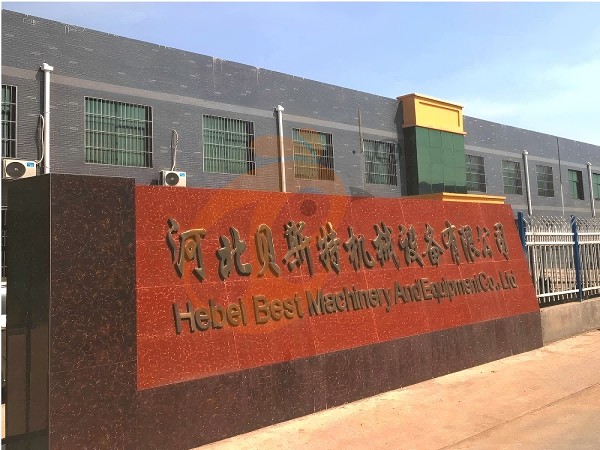
China Hebei Best Machinery And Equipment CO., LTD
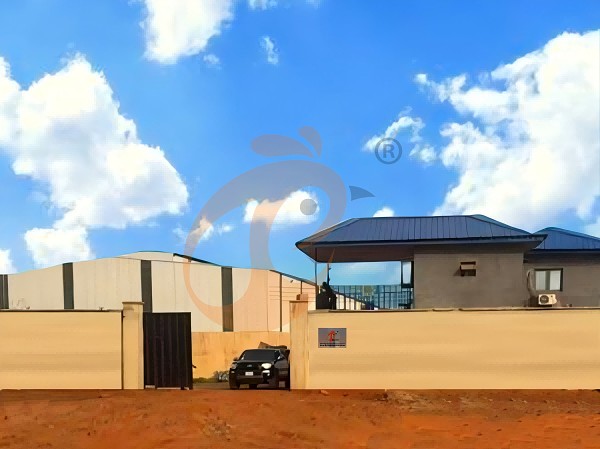
Nigeria Vanke Machinery And Equipment CO., LTD
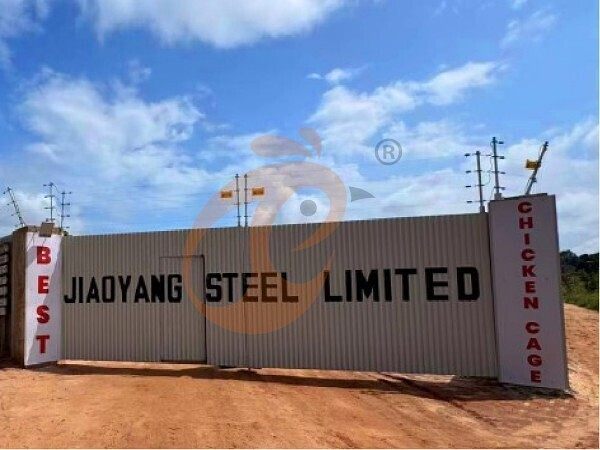
Tanzania Best Machinery And Equipment CO., LTD
Ethiopia Best Hebei Machinery Manufacturing PLC

Reception /24 WhatsApp NO. : +8618830120193
PRODUCTS RECOMMENDED
 China Branch Manufacture Poultry Farm EquipmentRead More
 Ethiopia Branch Manufacture Poultry Farm EquipmentRead More
 Nigeria Branch Manufacture Poultry Farm EquipmentRead More
 Tanzania Branch Manufacture Poultry Farm EquipmentRead More
 IoT Smart Poultry FarmRead More
 >30,000 Layers Automatic H Type Battery CageRead More
 10,000 - 30,000 Layers Automatic A Type Battery CageRead More
MESSAGE