


BLOG
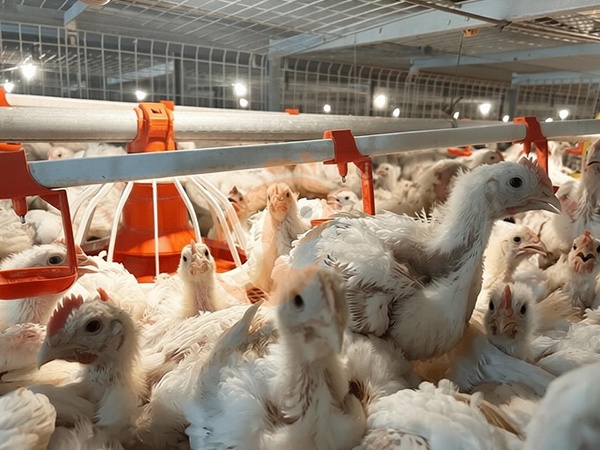
Automatic feed mixer poultry system improves uniform feed distribution for broiler farms.
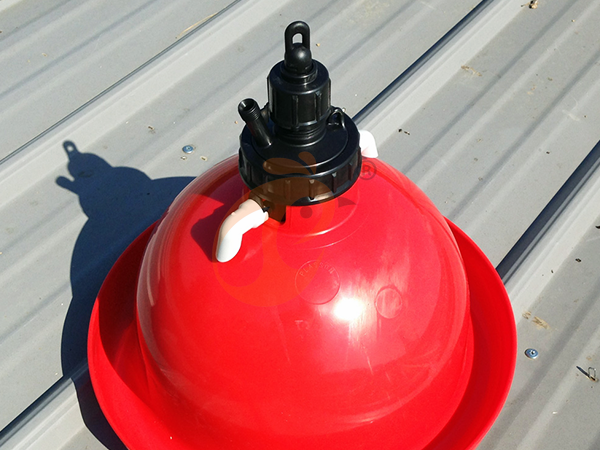
Manual feed mixer machine supports small chicken farm feed preparation operations.
Automatic feed mixer reduces labor requirement in poultry feed production workflow.
Feed mixer for chicken farm improves feed conversion ratio consistency across batches.
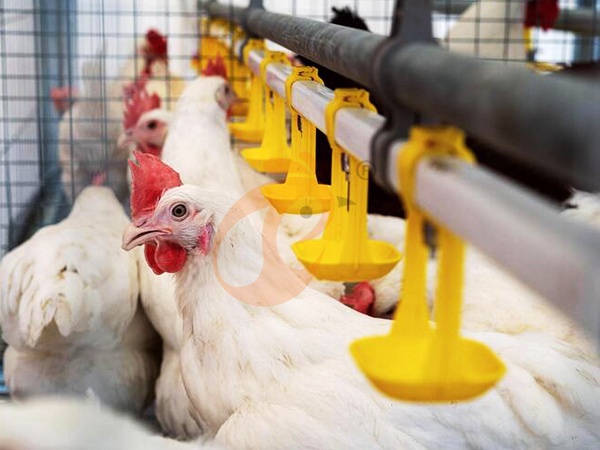
Poultry feed mixing equipment ensures balanced nutrition delivery for livestock growth cycles.
Get professional poultry farm construction guidance, equipment selection solutions, and the latest price lists, whatsApp to +8618830120193, click to learn more:
Automatic Feed Mixer Vs Manual Feed Mixer Overview
Feed mixers are essential equipment in commercial poultry production systems, especially in broiler chicken farming where feed uniformity directly affects growth performance.
The comparison between automatic feed mixer vs manual feed mixer determines operational efficiency, feed quality consistency, and long-term farm profitability.
Modern poultry farms increasingly evaluate automatic feed mixer efficiency as flock sizes expand beyond small-scale production.
For poultry farm investors, understanding system structure differences is essential before selecting equipment, because feed preparation directly influences mortality rate, growth uniformity, and feed conversion efficiency.
Manual Feed Mixer Structure And Capacity
Manual feed mixers operate using mechanical rotation and human loading procedures.
These machines are widely used in small poultry farms where daily feed demand remains limited.
Small-scale poultry farms often rely on manual systems because feed production is intermittent and capital expenditure must be controlled carefully.
Data is for reference only.Swipe horizontally to view full table.
Manual systems remain relevant in rural poultry farms with controlled production cycles and low flock density.
Automatic Feed Mixer Industrial Configuration
Automatic systems integrate sensors, PLC control units, and automated feeding mechanisms.
These systems are widely used in commercial poultry farms with large-scale production demands.
In modern poultry integration projects, automation is often selected when feed consistency and production continuity become priority indicators for operational stability.
Data is for reference only.Swipe horizontally to view full table.
Automatic systems are widely applied in industrial poultry feed production lines requiring continuous output stability.
Feed Mixing Science In Poultry Nutrition
Feed mixing technology ensures uniform distribution of nutrients such as protein, amino acids, vitamins, and minerals.
In poultry nutrition systems, inconsistent mixing leads to uneven growth performance and feed waste.
Feed formulation accuracy is a critical factor in modern broiler farming economics, because even small nutrient imbalance can affect flock performance consistency.
Protein distribution ensures uniform muscle development in broilers.
Mineral balance supports skeletal growth and egg production stability.
Vitamin premix consistency reduces disease risk in poultry flocks.
Particle uniformity improves digestion efficiency and nutrient absorption.
Feed quality directly influences feed conversion ratio (FCR), which is a key performance indicator in poultry farming economics.
Automatic Feed Mixer Price Structure
The cost structure of feed mixer systems varies significantly depending on automation level and production capacity.
Investment decisions in poultry farms are strongly influenced by operational scale and long-term return on investment expectations.
Before selecting equipment, farm planners should compare total ownership cost rather than only purchase price, because installation and integration costs significantly impact final investment.
Data is for reference only.Swipe horizontally to view full table.
European union standard reference only
Feed Mixer Efficiency Comparison In Poultry Farms
Efficiency differences between systems become more visible in large poultry operations where daily feed output requirements exceed several tons.
Operational efficiency is not only measured by output volume but also by feed homogeneity and time stability across production cycles.
Data is for reference only.Swipe horizontally to view full table.
Labor Requirement In Poultry Feed Production
Labor demand plays a critical role in determining farm operating cost structure.
Automation significantly reduces human dependency in feed preparation cycles.
In regions where agricultural labor cost is increasing, automation becomes a strategic cost-control tool for poultry enterprises.
Data is for reference only.Swipe horizontally to view full table.
Energy Consumption And Operational Output
Energy efficiency is measured by output per unit of electricity consumed in feed processing operations.
Energy planning becomes important in large poultry farms because feed production runs continuously and directly affects operating expenses.
Data is for reference only.Swipe horizontally to view full table.
Feed Quality Consistency Analysis
Feed quality uniformity directly influences poultry growth performance and feed conversion ratio optimization.
In commercial broiler systems, feed consistency determines whether flock performance remains synchronized across production cycles.
Data is for reference only.Swipe horizontally to view full table.
Maintenance And Lifecycle Cost
Equipment lifecycle cost varies based on automation level and mechanical complexity in poultry feed systems.
Maintenance strategy should be considered during system selection because downtime directly affects daily feed supply continuity.
Data is for reference only.Swipe horizontally to view full table.
Return On Investment And Payback Analysis In Poultry Farming
Investment return depends on farm scale, feed demand, and labor cost structure.
Automation provides stronger long-term financial performance in industrial poultry production systems.
Financial planning in poultry farming must consider both short-term cash flow and long-term operational scaling capability.
Data is for reference only.Swipe horizontally to view full table.
European union standard reference only
Scalability In Poultry Feed Production Systems
System scalability determines whether equipment can support farm expansion from small-scale to industrial poultry production.
Scalability becomes decisive when poultry farms transition from household-level operations to commercial integration systems.
Data is for reference only.Swipe horizontally to view full table.
Frequently Asked Questions
Q1: What is the main difference between automatic feed mixer vs manual feed mixer?
A1: Automatic systems deliver controlled mixing precision, higher production volume, and reduced labor input, while manual systems rely on operator handling and provide limited capacity with higher variability.
Q2: Which feed mixer is suitable for poultry farm expansion?
A2: Automatic feed mixer systems are suitable for farms exceeding medium-scale production because they support continuous operation and scalable feed output without structural bottlenecks.
Q3: How does feed mixer efficiency affect poultry growth performance?
A3: Higher mixing efficiency improves nutrient uniformity, which stabilizes growth rates, improves feed conversion ratio, and reduces performance deviation across broiler flocks.
Taiyu (HK) Group - One Of China Biggest Automatic Feed Mixer Manufacturer
Automatic feed mixer poultry machine engineered for industrial chicken feed production systems.
Global factory direct supply automatic feed mixer equipment for poultry farming projects.
Poultry equipment production line covering feed mixer, cage system, and incubation systems.
Turn-key poultry farm engineering solutions including full feed mill integration systems.
International exporter of poultry feed mixer systems supporting large-scale livestock operations.
Contact Us To Received Your Customized Poultry Farm Plan
Headquarters And Branchs

Hong Kong Headquarter Management Team
Hong Kong Headquarter Taiyu Industrial Group CO., LTD
China Hebei Best Machinery And Equipment CO., LTD
Nigeria Vanke Machinery And Equipment CO., LTD
Tanzania Best Machinery And Equipment CO., LTD
Ethiopia Best Hebei Machinery Manufacturing PLC




Reception /24 WhatsApp NO. : +8618830120193
PRODUCTS RECOMMENDED
 China Branch Manufacture Poultry Farm EquipmentRead More
 Ethiopia Branch Manufacture Poultry Farm EquipmentRead More
 Nigeria Branch Manufacture Poultry Farm EquipmentRead More
 Tanzania Branch Manufacture Poultry Farm EquipmentRead More
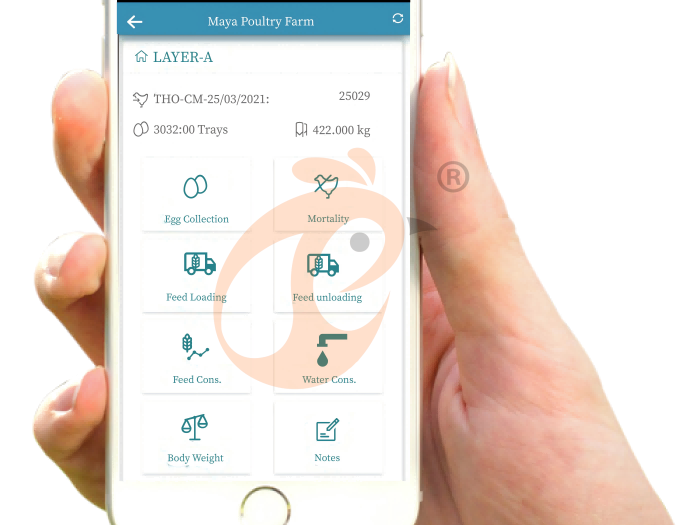
 IoT Smart Poultry FarmRead More
 >30,000 Layers Automatic H Type Battery CageRead More
 10,000 - 30,000 Layers Automatic A Type Battery CageRead More

MESSAGE