

BLOG
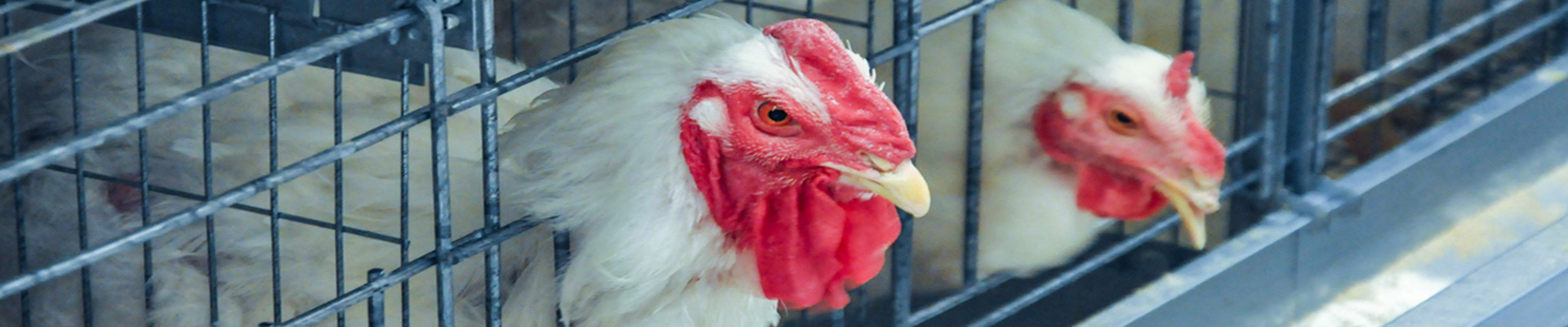
Factory direct chicken cage solutions reduce costs and improve poultry production efficiency in Ethiopia.
The article outlines key economic benefits of adopting structured cage systems.
It evaluates feed efficiency improvements under local supply constraints.
Labor optimization and operational cost reductions are analyzed with data.
Egg production performance and market demand alignment are discussed clearly.
Get professional poultry farm construction guidance, equipment selection solutions, and the latest price lists, whatsApp to +8618830120193, click to learn more:

Ethiopia Branch Office And Factory Of Poultry Farm Equipment
Ethiopia Poultry Industry Transformation And Cost Challenges
Ethiopia's poultry sector is undergoing structural transformation.
With over 57 million chickens and rapidly growing urban demand, the industry faces a dual reality: high potential but persistent inefficiencies in production systems.
Traditional poultry farming dominant across rural Oromia, Amhara, and SNNP regions still suffers from low productivity, inconsistent housing, and high mortality rates.
Indigenous chickens may produce only 50–63 eggs per year, far below commercial potential.
Against this backdrop, factory-direct A type chicken cage systems are increasingly adopted as a cost-effective intervention.
This article analyzes four key reasons why A-type cages deliver superior economic value in the Ethiopian context, supported by localized data, operational realities, and practical solutions.
Reduced Initial Investment Fits Ethiopian Capital Constraints
One of the most critical barriers in Ethiopia's poultry sector is limited access to finance, especially for small and medium-scale farmers.
Many rely on cooperatives or microfinance schemes supported by national livestock programs.
A-type cages are structurally simpler than automated systems, making them more financially accessible.
Data is for reference only.Swipe horizontally to view full table.
This cost structure aligns with Ethiopian farmers who prioritize gradual scaling rather than large upfront investments.
Additionally, factory-direct procurement eliminates intermediaries, reducing equipment markup by 10–25%, which is critical in a market
where capital efficiency determines survival.
European union standard reference only.
Improved Feed Efficiency In A Feed-Scarce Environment
Feed accounts for approximately 70% of poultry production costs in Ethiopia.
Seasonal feed shortages especially during dry periods make efficiency a decisive factor in profitability.
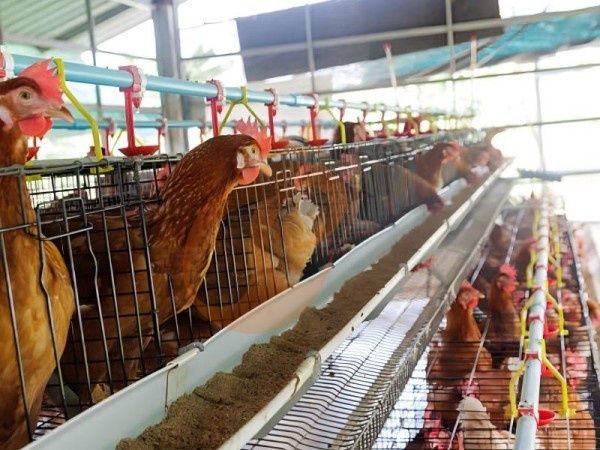
A-type cage systems significantly reduce feed waste compared to traditional systems.
Data is for reference only.Swipe horizontally to view full table.
The structured feeding trough design ensures controlled intake and minimizes spillage, particularly important in regions like the Rift Valley where feed logistics are inconsistent.
In Oromia case studies, reducing feed waste from 15% to below 5% translates into savings of thousands of Ethiopian Birr per production cycle.
European union standard reference only.
Higher Egg Output Supports Urban Market Demand
Urban centers such as Addis Ababa are experiencing rising demand for eggs, yet per capita consumption remains relatively low, indicating strong growth potential.
A-type cage poultry farming Ethiopia systems provide a controlled environment that enhances laying performance.
Data is for reference only.Swipe horizontally to view full table.
This productivity increase is essential for Ethiopian farms targeting institutional buyers such as hotels, supermarkets, and school feeding programs.
Moreover, improved egg cleanliness and reduced breakage enhance marketability and reduce post-harvest losses.
Data is for reference only.Swipe horizontally to view full table.
European union standard reference only.
Lower Labor Requirements In A Labor-Constrained Economy
Although Ethiopia has a large rural workforce, poultry farms face labor inefficiency and skill gaps, especially in peri-urban commercial operations.
A-type cages reduce labor dependency through semi-structured management systems.
Data is for reference only.Swipe horizontally to view full table.
Labor cost reductions are significant, especially as wages rise in urban areas.
In Oromia modernization cases, farms reported monthly labor savings exceeding 20000 Ethiopian Birr after adopting cage systems.
European union standard reference only.
Better Disease Control In High-Risk Environments
Disease outbreaks such as Newcastle disease remain a major constraint in Ethiopia due to limited veterinary access.
A-type cages improve biosecurity by physically separating birds and reducing contact with contaminated litter.
Data is for reference only.Swipe horizontally to view full table.
This is particularly relevant in densely populated poultry zones where disease transmission can affect entire flocks.
European union standard reference only.
Efficient Land Use In Peri-Urban Ethiopia
Land scarcity is increasing around cities like Addis Ababa due to urban expansion.
A-type cages enable higher stocking density without requiring complex infrastructure.
Data is for reference only.Swipe horizontally to view full table.
For Ethiopian farmers leasing land, this translates directly into reduced operational costs.
European union standard reference only.
Durability Matches Ethiopia’s Diverse Climate Conditions
Ethiopia's climate varies from highland cold zones to hot lowlands, requiring durable equipment.
Factory-direct A-type chicken cage systems are typically manufactured with galvanized steel, ensuring long service life.
Data is for reference only.Swipe horizontally to view full table.
This durability reduces long-term replacement costs, which is critical in remote areas with limited supply chains.
European union standard reference only.
Frequently Asked Questions
Q1: Is A type chicken cage suitable for Ethiopian climate conditions?
Yes, A-type systems are suitable for both highland and lowland regions.
Galvanized steel structures resist corrosion during rainy seasons and maintain stability under temperature variation.
Proper ventilation design ensures adaptability across Ethiopian agro-ecological zones.
Q2: Can small Ethiopian farmers afford factory direct chicken cage systems?
Factory-direct purchasing reduces intermediary costs and enables phased investment strategies.
Farmers can start with smaller flock sizes and expand gradually based on revenue generation.
Microfinance and cooperative funding further improve affordability in rural regions.
Q3: How does this system solve feed and disease challenges in Ethiopia?
The cage structure minimizes feed waste and improves feed conversion efficiency.
It also reduces bird-to-bird contact, lowering disease transmission risks.
These two factors directly address Ethiopia's major poultry production constraints.
Ethiopia Best Hebei Machinery Manufacturing Plc - One Of Ethiopia Largest Chicken Cage Manufacturer
Global factory direct supply ensures competitive pricing and stable delivery timelines for Ethiopian poultry projects.
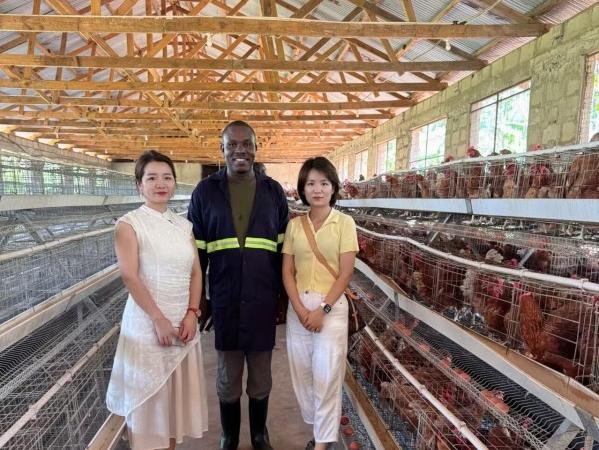
The company specializes in poultry farm equipment including advanced poultry cage systems tailored for African conditions.
Turn-key engineering solutions cover design, installation, and operational training for poultry farms.
Strong manufacturing capacity supports large-scale projects with consistent quality standards and durability.
Professional technical teams provide long-term service support ensuring efficient farm operation and productivity growth.
Contact Us To Received Your Customized Poultry Farm Plan
Headquarters And Branchs

Hong Kong Headquarter Management Team
Hong Kong Headquarter Taiyu Industrial Group CO., LTD
China Hebei Best Machinery And Equipment CO., LTD
Nigeria Vanke Machinery And Equipment CO., LTD
Tanzania Best Machinery And Equipment CO., LTD
Ethiopia Best Hebei Machinery Manufacturing PLC




Reception /24 WhatsApp NO. : +8618830120193
PRODUCTS RECOMMENDED
 China Branch Manufacture Poultry Farm EquipmentRead More
 Ethiopia Branch Manufacture Poultry Farm EquipmentRead More
 Nigeria Branch Manufacture Poultry Farm EquipmentRead More
 Tanzania Branch Manufacture Poultry Farm EquipmentRead More
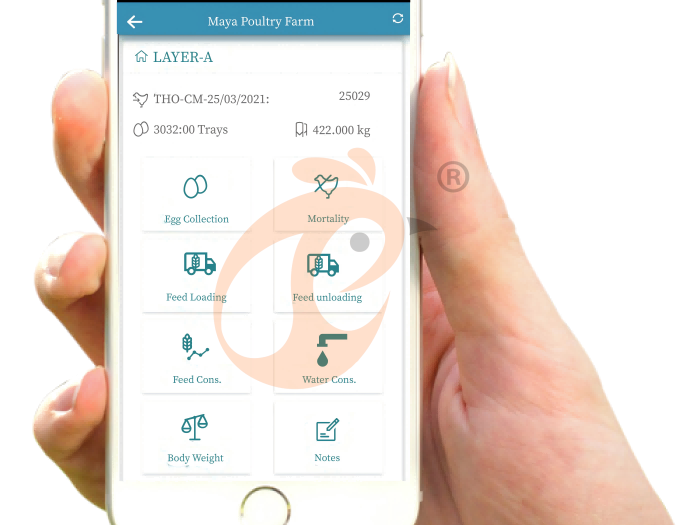
 IoT Smart Poultry FarmRead More
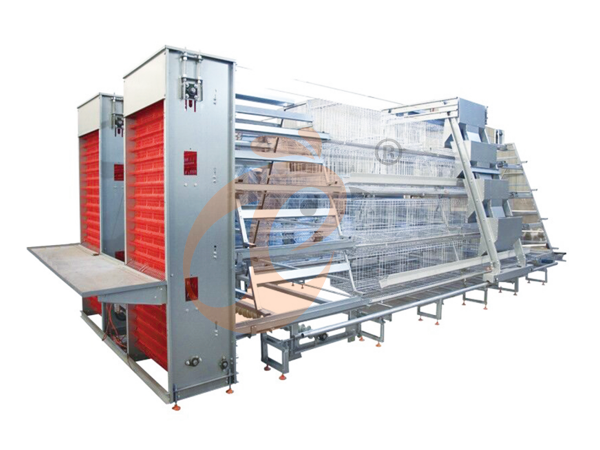
 >30,000 Layers Automatic H Type Battery CageRead More
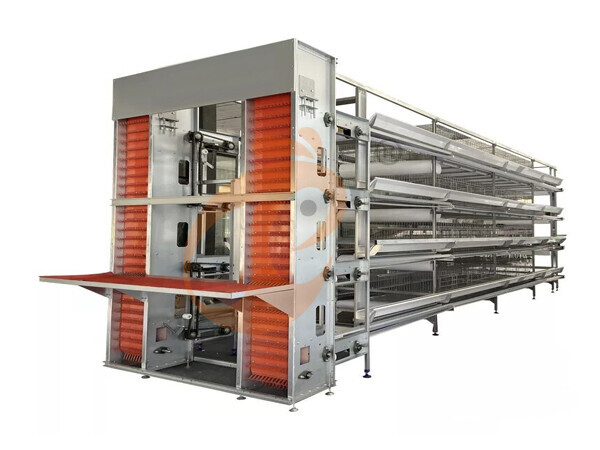
 10,000 - 30,000 Layers Automatic A Type Battery CageRead More
MESSAGE
NEWS
 What Makes A Factory-Direct A Type Chicken Battery Cage More Cost-Effective? 4 ReasonsRead More
 Deep Litter System For Broilers Vs Cage | Which Is More Profitable?Read More
 Free Range Broiler System Vs Intensive Farming | Which Is More Profitable?Read More
 Broiler Floor Rearing System Cost | 6 Factors Affecting PriceRead More