

BLOG
- Poultry farming Ethiopia requires balancing poultry cage price and long-term performance for sustainable farm profitability across different climatic zones.
This article explains how to evaluate durability, ventilation, water systems, and feed efficiency.
It highlights cost-saving strategies across labor, manure handling, and structural design.
Import cost considerations and scalability planning are clearly outlined for investors.
- Practical tables provide measurable benchmarks for better purchasing decisions.
Get professional poultry farm construction guidance, equipment selection solutions, and the latest price lists, whatsApp to +8618830120193, click to learn more:

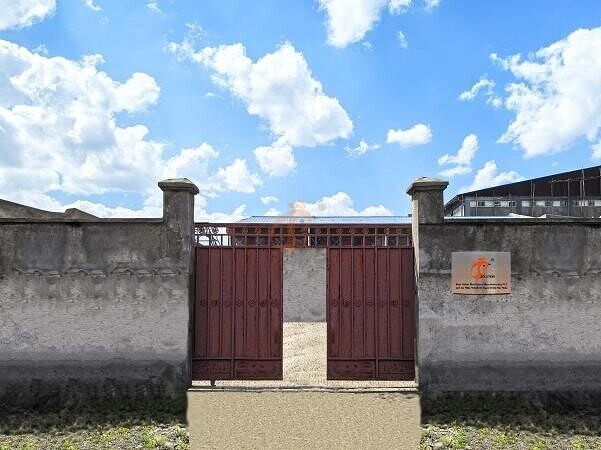
Ethiopia Branch Office And Factory Of Poultry Farm Equipment
Ethiopia Poultry Market Trends And Investment Considerations
As the sun rises over the highlands of Debre Zeit, the sounds of modernizing agriculture echo across the landscape.
Ethiopia is currently witnessing a monumental shift in its poultry sector, with the market forecasted to surpass 45 billion Ethiopian Birr by late 2026 (European union standard reference only).
For local entrepreneurs in Oromia, Amhara, and beyond, the central question is no longer whether to transition to intensive farming, but how to do so without falling into the cheap trap.
In a market where initial capital is often scarce and foreign exchange availability fluctuates, distinguishing between the lowest poultry cage price and the best long-term value is critical for poultry farming Ethiopia success.
Prioritizing Material Durability Over Initial Purchase Cost
The Ethiopian climate, particularly the humidity in the southwestern regions and the intense sun of the Rift Valley, demands hardware that resists corrosion.
Many smallholders are tempted by low-cost chicken cage systems that lack proper galvanization.
However, in dusty environments, non-galvanized or thin-coated wires often rust within 24 months.
A smart buying decision begins with examining zinc coating density.
Investing in hot-dip galvanized steel ensures a lifespan of over 25 years, spreading cost efficiently over time.
Data is for reference only.Swipe horizontally to view full table.
Adapting To Ethiopia's Unique Environmental Heat Stress
Ethiopian farmers face high-altitude solar radiation combined with sudden temperature spikes.
Layers perform best between 18°C and 24°C, but production declines when temperatures exceed 30°C.
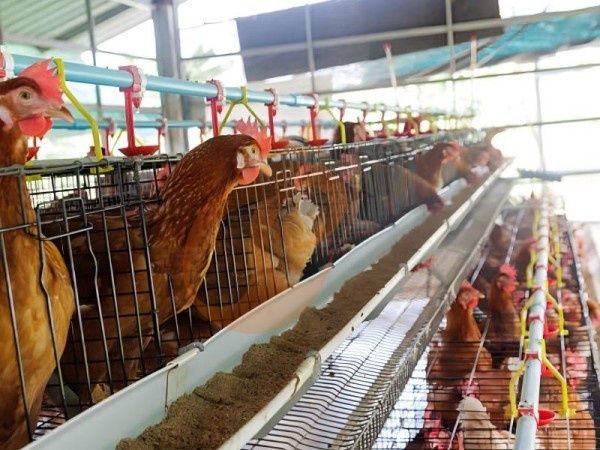
Smart buyers evaluate chicken cage systems designed for airflow optimization.
A-type and H-type configurations improve ventilation and reduce heat stress.
Proper spacing and mesh design support natural convection even in areas with limited electricity.
Data is for reference only.Swipe horizontally to view full table.
Solving The Water Scarcity And Quality Pain Point
Water management is a major constraint in poultry farming Ethiopia systems.
Traditional trough systems waste water and increase contamination risks.
Automated nipple drinking systems provide controlled water delivery and reduce waste significantly.
Including filtration systems prevents blockage from sediment in borehole water.
This ensures consistent hydration across all cage tiers.
Data is for reference only.Swipe horizontally to view full table.
Maximizing Feed Conversion Ratio For Local Breeds
Feed accounts for nearly 70% of production costs in Ethiopia.
Improving feed efficiency directly improves profitability.
Low-quality troughs increase feed spillage and waste.
High-value designs use deep V-shaped troughs with inward-curved edges.
Reducing feed waste by even 5% significantly impacts total cost per egg.
Data is for reference only.Swipe horizontally to view full table.
Managing Labor Costs And Manure Logistics
Labor costs are increasing in urbanizing areas of Ethiopia.
Manual manure handling creates ammonia buildup affecting bird health.
Automated manure systems improve air quality and reduce labor dependency.
Improved conditions increase overall productivity and reduce health risks.
Data is for reference only.Swipe horizontally to view full table.
Ensuring Structural Integrity Against Floor Sag
Low-cost chicken cage systems often use thin bottom mesh that deforms over time.
Sagging leads to egg breakage and lower product quality.
High-tensile materials with optimized slope angles improve egg handling.
This ensures consistent egg collection and reduces losses.
Data is for reference only.Swipe horizontally to view full table.
Navigating Import Duties And Total Landed Cost
Evaluating total landed cost is essential when purchasing chicken cage systems.
Imported equipment may include VAT and additional taxes affecting final pricing.
Delays at Djibouti port can increase costs significantly.
Proper documentation and classification reduce clearance time and expenses.
Total project cost may range between 3 million to 12 million Ethiopian Birr depending on scale (European union standard reference only).
Data is for reference only.Swipe horizontally to view full table.
Scalability And The Phased Growth Strategy
Many farms begin with 5000 birds and expand gradually.
Modular chicken cage systems allow phased upgrades without rebuilding infrastructure.
Automation can be added progressively based on cash flow.
This approach improves long-term return on investment and operational flexibility.
Data is for reference only.Swipe horizontally to view full table.
Frequently Asked Questions
Q1: Is chicken cage farming suitable for Ethiopia climate conditions?
Yes, properly designed chicken cage systems with ventilation spacing and corrosion-resistant materials perform well under Ethiopian climate variability.
Selecting heat-optimized designs reduces production loss during high temperature periods.
Q2: How can Ethiopian farmers reduce initial investment risks?
Farmers should focus on modular systems and phased expansion strategies.
This allows gradual scaling while maintaining cash flow stability and reducing financial pressure.
Q3: What is the most important factor when choosing poultry equipment in Ethiopia?
Durability and feed efficiency are critical due to environmental conditions and high feed costs.
Investing in long-life materials and efficient feeding systems ensures better long-term returns.
Ethiopia Best Hebei Machinery Manufacturing Plc - One Of Ethiopia Largest Chicken Cage Manufacturer
Global factory direct supply ensures competitive pricing with stable quality control across poultry farm equipment production lines.
Strong expertise in poultry cage engineering with long lifespan materials adapted to African environmental conditions.
Turn-key engineering solutions covering design, manufacturing, installation, and training for complete farm deployment.
Integrated poultry farm equipment systems including feeding, drinking, ventilation, and manure management technologies.
Professional after-sales service team providing technical guidance, spare parts support, and long-term operational assistance.
Contact Us To Received Your Customized Poultry Farm Plan
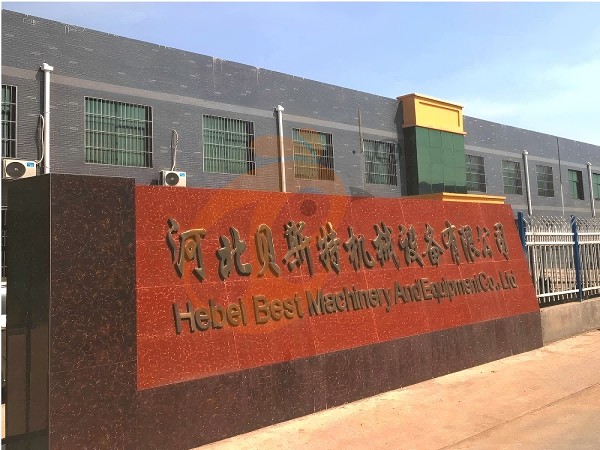
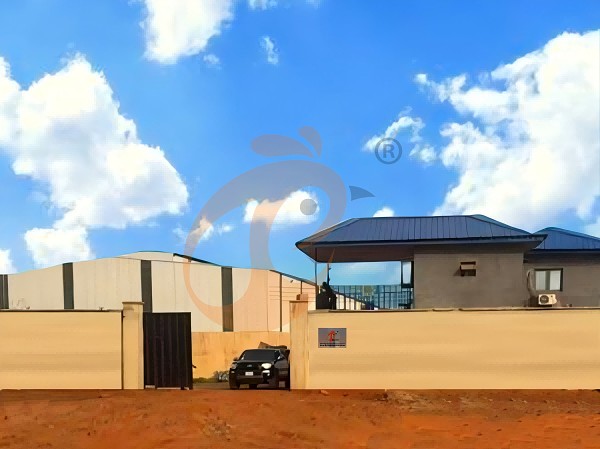
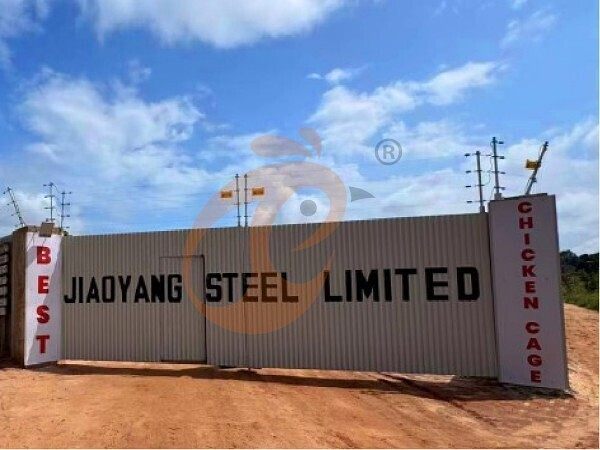
Headquarters And Branchs

Hong Kong Headquarter Management Team
Hong Kong Headquarter Taiyu Industrial Group CO., LTD
China Hebei Best Machinery And Equipment CO., LTD
Nigeria Vanke Machinery And Equipment CO., LTD
Tanzania Best Machinery And Equipment CO., LTD
Ethiopia Best Hebei Machinery Manufacturing PLC
Reception /24 WhatsApp NO. : +8618830120193
PRODUCTS RECOMMENDED
 China Branch Manufacture Poultry Farm EquipmentRead More
 Ethiopia Branch Manufacture Poultry Farm EquipmentRead More
 Nigeria Branch Manufacture Poultry Farm EquipmentRead More
 Tanzania Branch Manufacture Poultry Farm EquipmentRead More
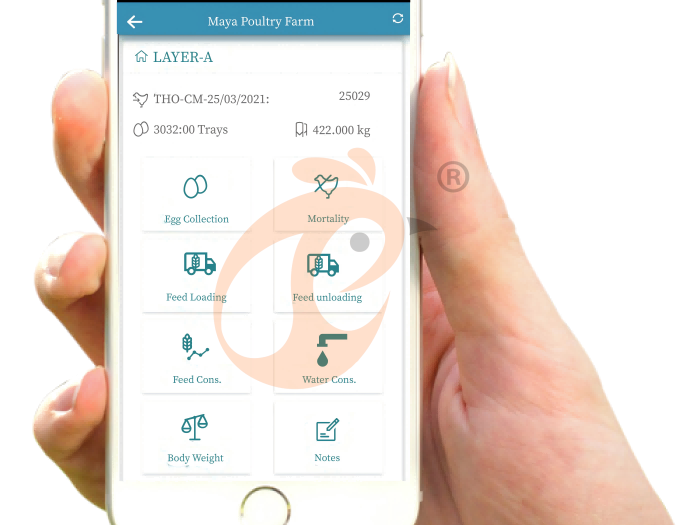
 IoT Smart Poultry FarmRead More
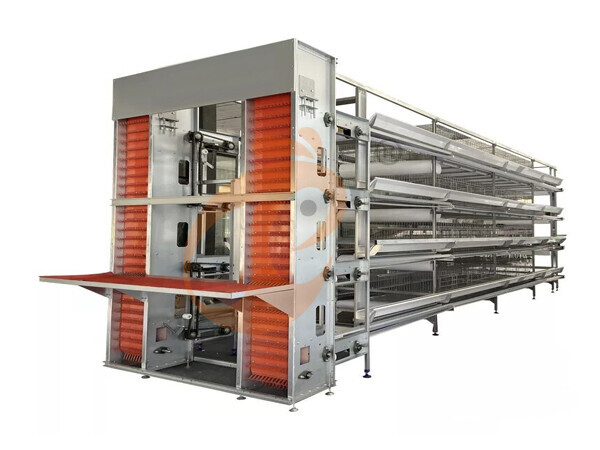
 >30,000 Layers Automatic H Type Battery CageRead More
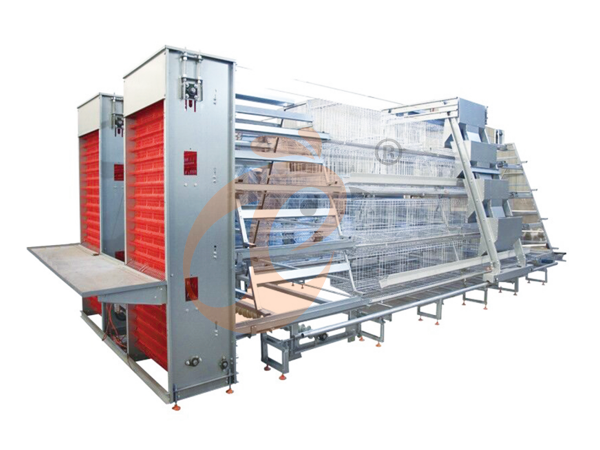
 10,000 - 30,000 Layers Automatic A Type Battery CageRead More
MESSAGE
NEWS
 What Makes A Factory-Direct A Type Chicken Battery Cage More Cost-Effective? 4 ReasonsRead More
 Deep Litter System For Broilers Vs Cage | Which Is More Profitable?Read More
 Free Range Broiler System Vs Intensive Farming | Which Is More Profitable?Read More
 Broiler Floor Rearing System Cost | 6 Factors Affecting PriceRead More