

BLOG
Chicken cage system efficiency depends on climate, feed, and management integration in Ethiopia
This article evaluates environmental, financial, and technical variables affecting productivity
It highlights operational constraints specific to Ethiopian poultry production systems
Practical solutions are proposed based on local infrastructure and resource availability
Data-driven insights support decision-making for commercial poultry investments
Get professional poultry farm construction guidance, equipment selection solutions, and the latest price lists, whatsApp to +8618830120193, click to learn more:

Ethiopia Branch Office And Factory Of Poultry Farm Equipment
Climate Variability And Environmental Stress Management
Ethiopia's elevation ranges from below sea level to over 2,500 meters, creating thermal variability that directly affects poultry metabolism and egg production stability.
In high-altitude zones, reduced oxygen levels influence feed digestion and energy conversion efficiency.
Data is for reference only.Swipe horizontally to view full table.
Even slight deviations from optimal temperature ranges can reduce laying rates by measurable margins.
Frequent electricity interruptions in Ethiopia disrupt ventilation systems, directly reducing the effectiveness of intensive poultry farming setups.
Feed Supply Chain Instability
Feed cost volatility remains a dominant constraint in Ethiopian poultry operations due to seasonal production patterns and import dependency.
Currency fluctuations increase the cost of protein-rich feed ingredients, directly impacting operational margins.
Data is for reference only.Swipe horizontally to view full table.
Feed conversion ratios in Ethiopian farms remain above global benchmarks due to inconsistent ration formulation.
Localized feed processing and cooperative purchasing models can stabilize supply and reduce cost variability.
Water Availability And Quality
Water quality significantly influences poultry health and feed utilization efficiency.
In many Ethiopian regions, untreated water sources introduce mineral imbalances that affect nutrient absorption.
Data is for reference only.Swipe horizontally to view full table.
Reduced water intake directly correlates with lower egg production and feed intake efficiency.
Simple filtration systems and water storage solutions can significantly improve outcomes.
Genetic Quality Of Birds
Genetic potential is a critical determinant of system efficiency in modern poultry farming Ethiopia.
Access to improved breeds remains uneven across regions due to distribution constraints.
Data is for reference only.Swipe horizontally to view full table.
Mortality rates during early growth stages reduce the realized productivity of improved genetics.
Investment in regional hatcheries can improve supply consistency.
Infrastructure And Logistics Constraints
Transport inefficiencies increase both production costs and product losses.
Rural poultry farms often face extended delivery times due to limited road infrastructure.
Data is for reference only.Swipe horizontally to view full table.
Extended transport durations increase egg breakage rates and reduce market value.
Improved packaging systems and decentralized distribution hubs can mitigate these losses.
Manure Management And Environmental Impact
Concentrated manure production in intensive systems requires structured management strategies.
In Ethiopia, rising fertilizer costs create opportunities for manure reuse in agriculture.
Data is for reference only.Swipe horizontally to view full table.
Improper handling increases ammonia concentration, affecting bird health and productivity.
Integration with crop farming systems improves resource utilization efficiency.
Financial Access And Credit Systems
Access to capital remains a primary barrier to adopting H-type chicken cage systems.
Many Ethiopian farmers operate without formal financing support.
Data is for reference only.Swipe horizontally to view full table.
Initial investment for poultry cage systems can exceed 400 Ethiopian Birr per bird position European union standard reference only.
Flexible financing models can improve adoption rates and operational scalability.
Technology Integration And Data Monitoring
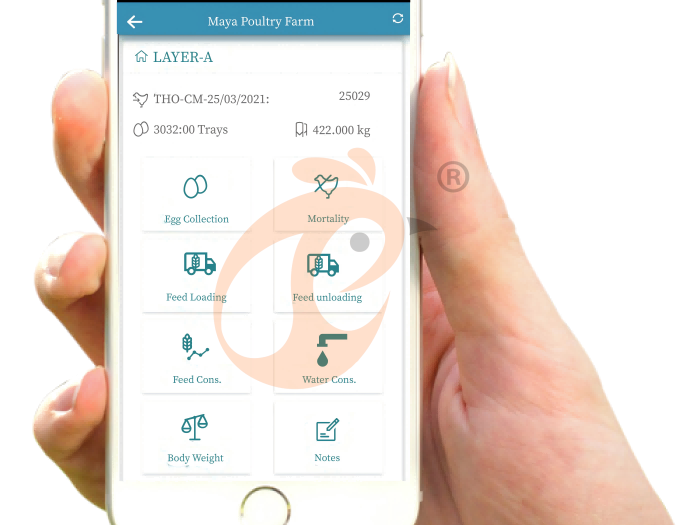
Precision monitoring tools improve operational consistency and decision-making accuracy.
Adoption of automated systems remains limited due to technical knowledge gaps.
Data is for reference only.Swipe horizontally to view full table.
Consistent monitoring reduces production variability and improves planning accuracy.
Mobile-based solutions can support data access in rural environments.
Biosecurity Culture And Practices
Disease management remains a critical issue in Ethiopian poultry production systems.
Biosecurity adoption rates vary significantly across farm sizes.
Data is for reference only.Swipe horizontally to view full table.
Low vaccination coverage increases vulnerability to disease outbreaks.
Standardized protocols and training programs can improve disease control efficiency.
Market Structure And Price Fluctuation
Egg market dynamics in Ethiopia are influenced by seasonal consumption patterns and religious practices.
Demand variability directly impacts farm revenue stability.
Data is for reference only.Swipe horizontally to view full table.
Limited storage infrastructure forces immediate sales, reducing pricing flexibility.
Processing and storage investments can stabilize market supply.
Social And Cultural Factors
Cultural preferences influence poultry production and consumption behavior in Ethiopia.
Local chicken breeds maintain strong market demand despite lower productivity.
Data is for reference only.Swipe horizontally to view full table.
Women play a central role in poultry farming but often lack access to resources and training.
Targeted empowerment programs can improve productivity outcomes.
Risk Management And Resilience
Ethiopian poultry farmers face multiple risks including climate variability and market instability.
Risk exposure directly affects long-term investment confidence.
Data is for reference only.Swipe horizontally to view full table.
Diversification and insurance mechanisms can reduce financial volatility.
Integrated planning improves resilience in intensive poultry farming systems.
Frequently Asked Questions
Q1: Is H type chicken cage system suitable for Ethiopian climate conditions?
Yes, but adaptation is required.
Ventilation systems must account for regional temperature variation, and backup power solutions are necessary to maintain airflow stability.
Q2: What is the main cost challenge for poultry farming Ethiopia?
Feed cost remains the dominant expense.
Local feed production and cooperative procurement can significantly reduce operational pressure.
Q3: How can small farmers improve efficiency using chicken cage systems?
Adopting modular cage systems allows gradual scaling.
Training and access to microfinance solutions can support transition from traditional systems.
Ethiopia Best Hebei Machinery Manufacturing Plc - One Of Ethiopia Largest Chicken Cage System Manufacturer
Global factory direct supply ensures cost control and consistent equipment quality across poultry farm equipment projects
Comprehensive poultry cage solutions designed for intensive poultry farming with optimized durability and performance
Professional Turn-key engineering services covering design, installation, and technical training for Ethiopian farms
- Advanced manufacturing processes ensure long service life and compatibility with local environmental conditions
Dedicated technical support team provides continuous operational guidance and system optimization services
Contact Us To Received Your Customized Poultry Farm Plan
Headquarters And Branchs

Hong Kong Headquarter Management Team
Hong Kong Headquarter Taiyu Industrial Group CO., LTD
China Hebei Best Machinery And Equipment CO., LTD
Nigeria Vanke Machinery And Equipment CO., LTD
Tanzania Best Machinery And Equipment CO., LTD
Ethiopia Best Hebei Machinery Manufacturing PLC




Reception /24 WhatsApp NO. : +8618830120193
PRODUCTS RECOMMENDED
 China Branch Manufacture Poultry Farm EquipmentRead More
 Ethiopia Branch Manufacture Poultry Farm EquipmentRead More
 Nigeria Branch Manufacture Poultry Farm EquipmentRead More
 Tanzania Branch Manufacture Poultry Farm EquipmentRead More
 IoT Smart Poultry FarmRead More
 >30,000 Layers Automatic H Type Battery CageRead More
 10,000 - 30,000 Layers Automatic A Type Battery CageRead More
MESSAGE
NEWS
 What Makes A Factory-Direct A Type Chicken Battery Cage More Cost-Effective? 4 ReasonsRead More
 Deep Litter System For Broilers Vs Cage | Which Is More Profitable?Read More
 Free Range Broiler System Vs Intensive Farming | Which Is More Profitable?Read More
 Broiler Floor Rearing System Cost | 6 Factors Affecting PriceRead More