

BLOG
Ethiopian poultry cage investment cost management is essential for farmers expanding egg production in cities such as Addis Ababa and Bishoftu.
Modern poultry farms in Ethiopia increasingly adopt intensive chicken cage systems instead of traditional floor rearing methods.
Strategic equipment selection helps reduce long-term operational expenses related to feed, labor, and infrastructure construction.
Smart logistics planning and container optimization significantly decrease transportation costs from Djibouti to inland farming areas.
Durable materials and efficient design ensure reliable production and protect investments under Ethiopia’s diverse climate conditions.
Get professional poultry farm construction guidance, equipment selection solutions, and the latest price lists, whatsApp to +8618830120193, click to learn more:

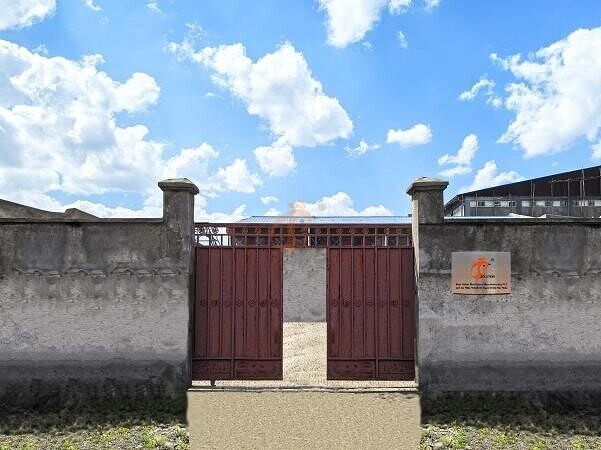
Ethiopia Branch Office And Factory Of Poultry Farm Equipment
Ethiopian Poultry Industry Investment Challenges And Modernization Transition
The poultry industry in Ethiopia is currently standing at a crossroads.
As the demand for protein surges in urban centers like Addis Ababa, Bishoftu (Debre Zeit), and Adama, the shift from traditional floor-rearing to modern intensive chicken cage systems has become inevitable.
However, for the Ethiopian investor, the primary hurdle is not the desire to modernize but the capital required for equipment and infrastructure.
Between the scarcity of Foreign Exchange at the National Bank of Ethiopia and the rising logistics costs from the Port of Djibouti, every birr must be spent with precision.
Reducing investment costs does not mean buying the cheapest equipment.
Instead, it means purchasing the most efficient poultry farming equipment Ethiopia farmers can rely on under local climate and economic conditions.
Optimize Cage Capacity And Tier Selection For Local Shed Dimensions
In Ethiopia, many farmers repurpose existing structures or build traditional sheds using local timber and corrugated iron.
To reduce investment costs, you must align your cage selection with the most cost-effective building footprint.
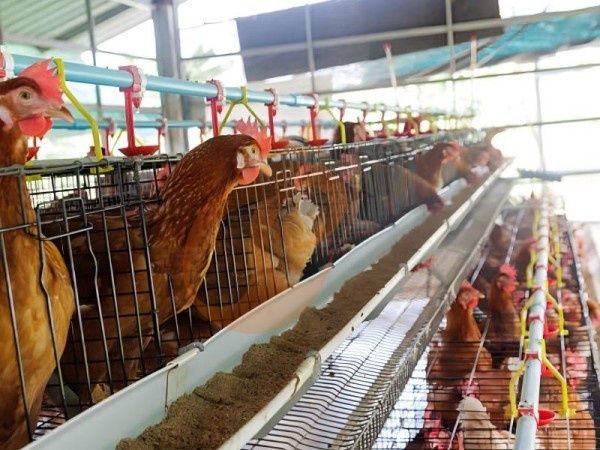
For layer production in regions like Oromia or Amhara, the 3-tier and 4-tier A-type chicken cages are the industry standard.
A 3-tier system is often more economical for smaller farms because it does not require expensive automated manure belt systems or high-reaching ventilation setups.
By selecting a 4-tier system, you increase bird density per square meter, which drastically reduces your cost per bird regarding land lease and building construction.
This is one of the most effective layer chicken cage Ethiopia optimization strategies for reducing farm capital investment.
Data is for reference only.Swipe horizontally to view full table.
Prioritize Hot-Dip Galvanization Over Cold-Galvanization For Longevity
The Ethiopian climate ranges from the humid highlands of Jimma to the dry heat of the Rift Valley.
While cold-galvanized electro-galvanized cages are cheaper initially, they often begin to rust within 2–3 years because of ammonia from manure and environmental humidity.
Hot-dip galvanized cages require a slightly higher initial investment but can last 25+ years in poultry environments.
When farmers calculate the depreciation cost per dozen eggs, the hot-dip galvanization process becomes significantly more economical over time.
Investing in a 275 g/m² zinc coating thickness reduces the risk of importing replacement cages later, which can be difficult due to foreign exchange restrictions.
Data is for reference only.Swipe horizontally to view full table.
Implement Semi-Automation To Balance Labor And Power Stability
Ethiopia has a strong advantage in poultry farming because labor costs are relatively affordable compared to Europe or the Middle East.
However, the country occasionally experiences power fluctuations and outages that affect highly automated systems.
To reduce investment costs, many farms avoid full automation unless operating a very large facility with a backup generator above 200 kVA.
A semi-automated approach, where automatic drinking and egg collection are used while feeding remains manual or semi-electric, is often the most suitable solution.
This reduces the initial cage system investment by about 30 percent while maintaining efficient production performance.
Data is for reference only.Swipe horizontally to view full table.
Maximize Logistics Efficiency From Djibouti To The Farm
One of the largest hidden costs for Ethiopian poultry projects is inland transportation and port clearing procedures.
Whether shipments move to Modjo Dry Port or directly to farms near the Gelan Industrial Zone, packaging design significantly affects total expenses.
Chicken cages designed for nested packing allow more sets to be loaded into a 40-foot High Cube container.
Higher shipment density directly reduces the transportation cost per bird.
For example, a 40-foot High Cube container can typically carry cage systems for approximately 15000 to 20000 birds when loaded efficiently.
Transport savings may reach several thousand Ethiopian birr per shipment depending on truck logistics distance.
(European union standard reference only).
Data is for reference only.Swipe horizontally to view full table.
Focus On Feed Conversion Ratio Through Engineering
In Ethiopia, feed represents approximately 70 percent of total egg production cost.
Poor cage design allows hens to scatter mash feed outside the trough, increasing waste.
To control this issue, cages should use deep V or internal flange feed trough structures that reduce feed loss.
Even a 2 percent reduction in feed waste can offset the cage system investment within three years in many Ethiopian poultry farms.
A 7 degree egg floor slope is also considered the global engineering standard, ensuring eggs roll out smoothly while minimizing shell cracking.
Data is for reference only.Swipe horizontally to view full table.
Evaluate Land Use And Structural Efficiency
Land around Addis Ababa and other Oromia towns is becoming increasingly expensive and difficult to obtain.
Reducing the land-to-bird ratio is therefore one of the most effective ways to control poultry farm investment costs.
Chicken cage systems allow farmers to house 5 to 10 times more birds compared with traditional deep-litter systems.
A smaller farm footprint also reduces infrastructure requirements such as fencing, security personnel, and water pipelines.
Dense cage housing additionally improves biosecurity control, which is essential for poultry farms located near urban markets.
Data is for reference only.Swipe horizontally to view full table.
Common Questions From Ethiopian Poultry Investors
Q1: Is the chicken cage system suitable for Ethiopia's climate conditions?
Yes.
Hot-dip galvanized A-type chicken cages are widely used in Ethiopia because they resist corrosion from humidity and poultry manure.
They perform reliably in both highland climates such as Debre Berhan and warmer Rift Valley regions.
Q2: How can Ethiopian farmers reduce poultry cage investment cost when foreign exchange is limited?
Farmers usually prioritize durable equipment with long service life.
By purchasing hot-dip galvanized cages and optimizing container shipping from Djibouti, farms avoid frequent equipment replacement and reduce future import expenses.
Q3: Are semi-automated poultry systems practical for farms in Ethiopia?
Yes.
Semi-automated systems balance labor availability and electricity stability.
They reduce manpower requirements while avoiding high power dependency, which is beneficial in regions where electricity supply can fluctuate.
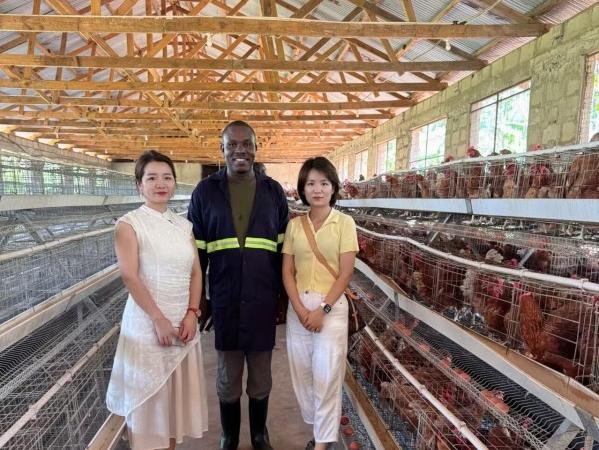
Ethiopia Best Hebei Machinery Manufacturing Plc - One Of Ethiopia Largest Poultry Cage Supplier
Global factory direct supply ensures stable production quality and competitive equipment delivery schedules.
The company provides integrated poultry farm equipment solutions including feeding systems, manure removal systems, ventilation equipment, and modern poultry cage installations.
Professional engineering teams support Turn-key poultry farm projects covering planning, equipment supply, installation, and training services.
Reliable manufacturing technology ensures durable galvanized steel structures suitable for long-term poultry production environments.
Export logistics experience helps customers receive equipment efficiently with optimized container loading and global shipment coordination.
Contact Us To Received Your Customized Poultry Farm Plan
Headquarters And Branchs

Hong Kong Headquarter Management Team
Hong Kong Headquarter Taiyu Industrial Group CO., LTD
China Hebei Best Machinery And Equipment CO., LTD
Nigeria Vanke Machinery And Equipment CO., LTD
Tanzania Best Machinery And Equipment CO., LTD
Ethiopia Best Hebei Machinery Manufacturing PLC
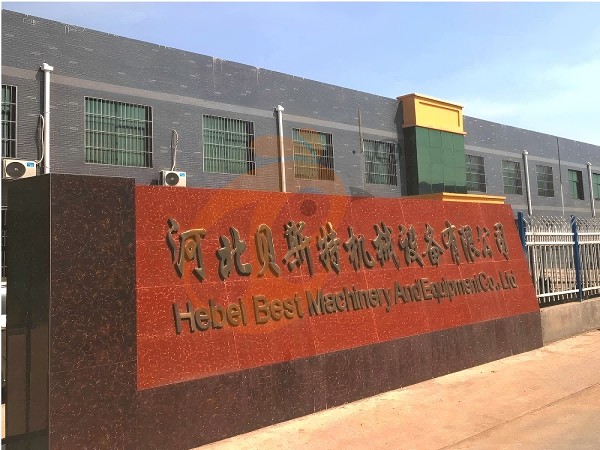
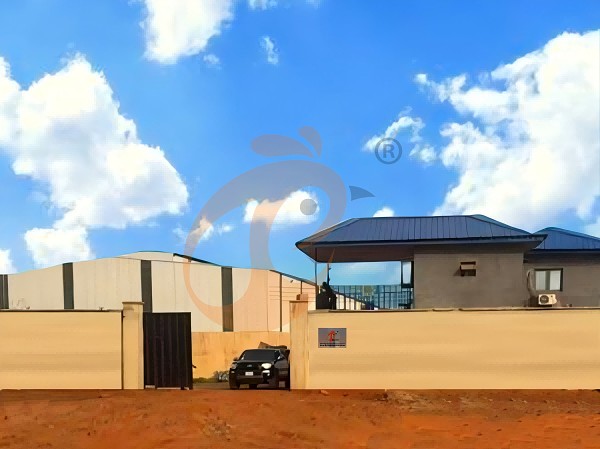
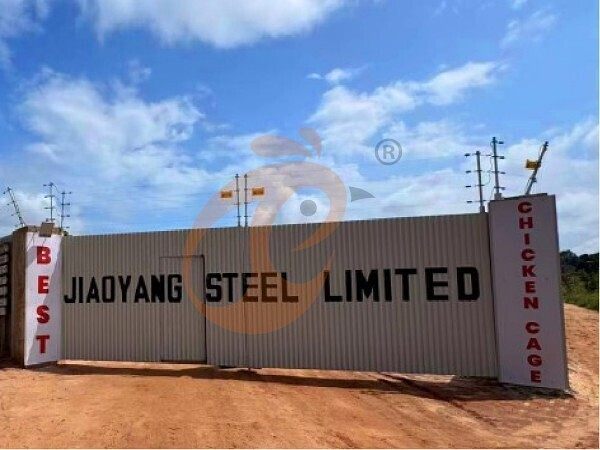
Reception /24 WhatsApp NO. : +8618830120193
PRODUCTS RECOMMENDED
 China Branch Manufacture Poultry Farm EquipmentRead More
 Ethiopia Branch Manufacture Poultry Farm EquipmentRead More
 Nigeria Branch Manufacture Poultry Farm EquipmentRead More
 Tanzania Branch Manufacture Poultry Farm EquipmentRead More
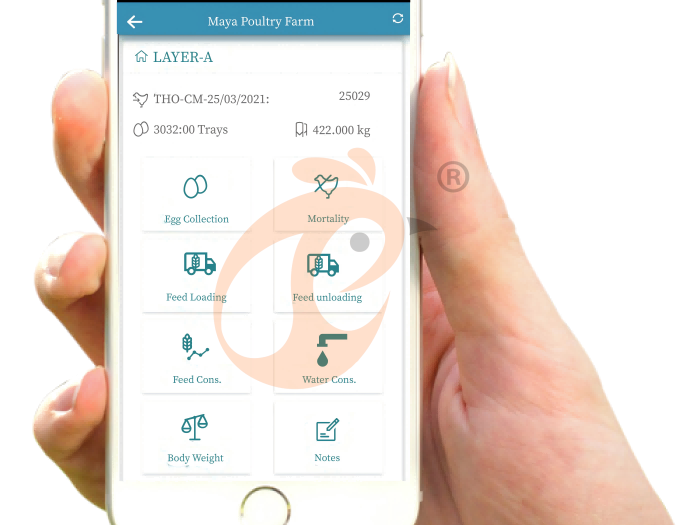
 IoT Smart Poultry FarmRead More
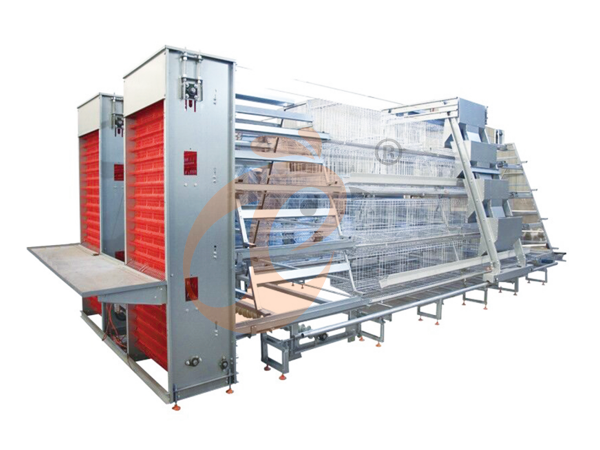
 >30,000 Layers Automatic H Type Battery CageRead More
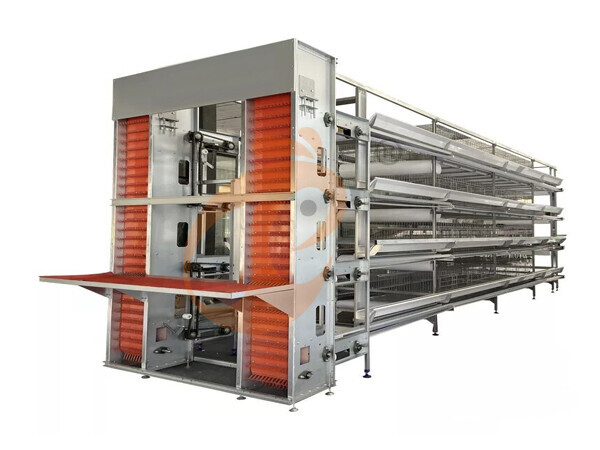
 10,000 - 30,000 Layers Automatic A Type Battery CageRead More
MESSAGE
NEWS
 What Makes A Factory-Direct A Type Chicken Battery Cage More Cost-Effective? 4 ReasonsRead More
 Deep Litter System For Broilers Vs Cage | Which Is More Profitable?Read More
 Free Range Broiler System Vs Intensive Farming | Which Is More Profitable?Read More
 Broiler Floor Rearing System Cost | 6 Factors Affecting PriceRead More