

BLOG
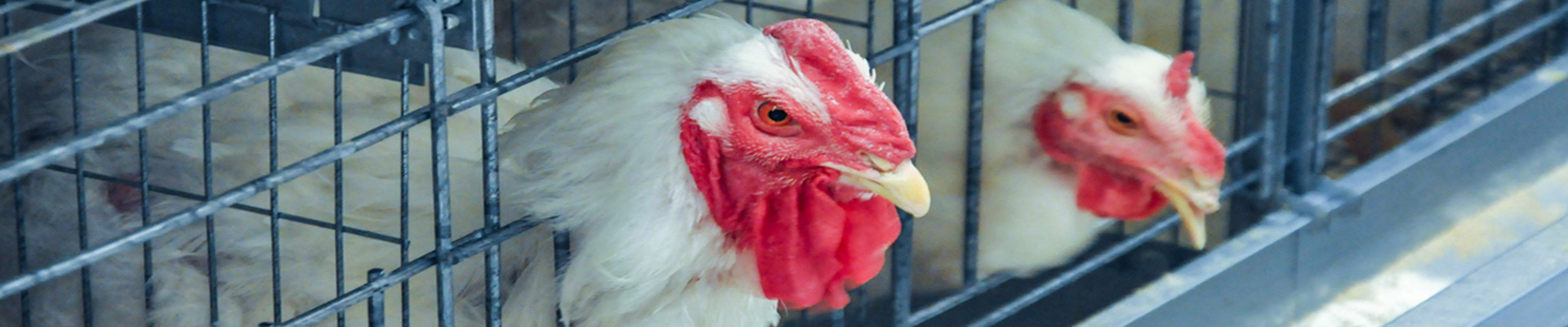
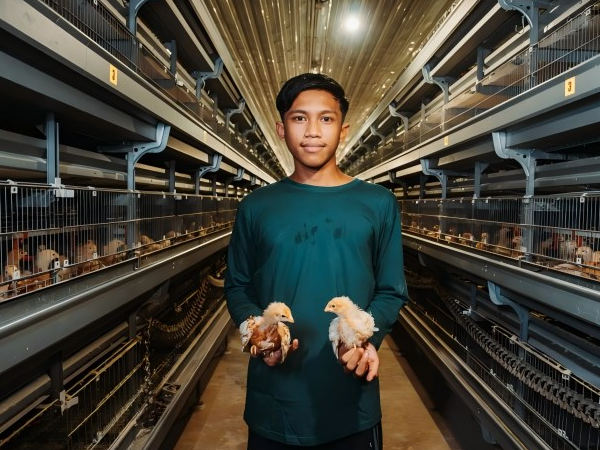
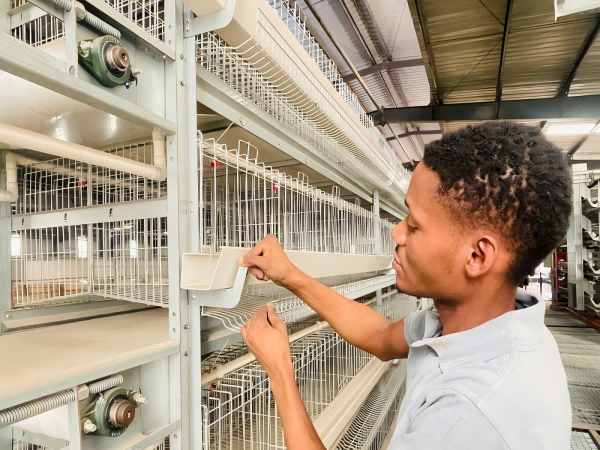
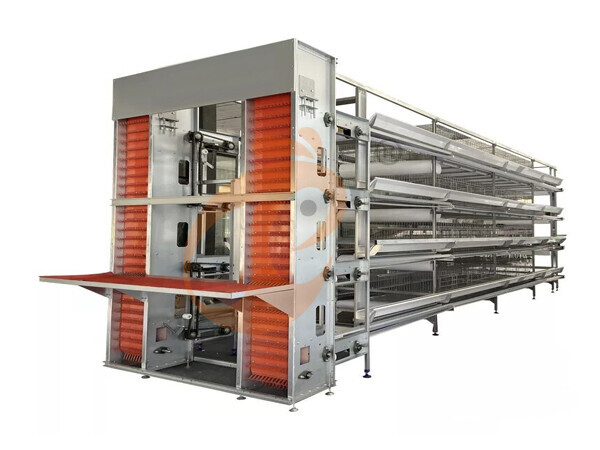
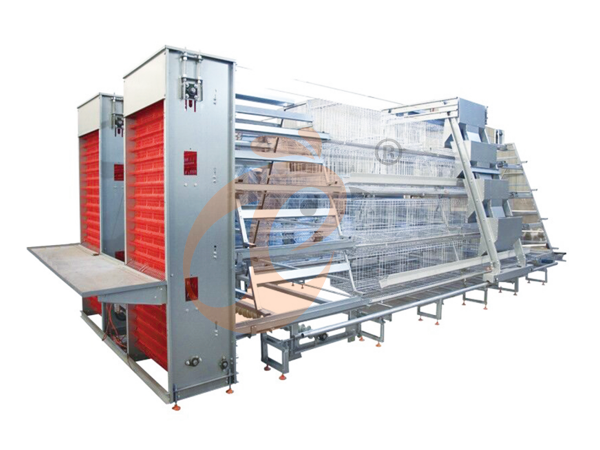
A-type layer chicken cage systems are widely used across Ethiopian commercial farms due to their balanced cost and efficiency advantages.
Feed expenses represent the largest operational burden, especially with fluctuating maize and soybean prices.
Poor feeder design and manual feeding practices significantly increase feed loss in many regions.
Climate variations across Ethiopia directly influence feeding behavior and feed utilization efficiency.
Get professional poultry farm construction guidance, equipment selection solutions, and the latest price lists, whatsApp to +8618830120193, click to learn more:

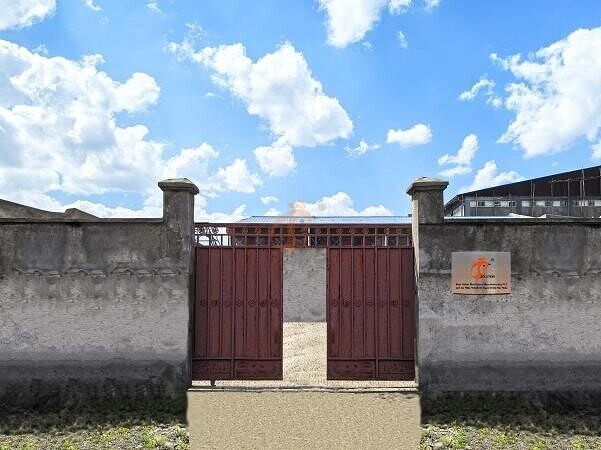
Ethiopia Branch Office And Factory Of Poultry Farm Equipment
Understanding Feed Waste Patterns In Ethiopian A-Type Layer Chicken Cage Systems
Feed waste in Ethiopian poultry farms is closely linked to management practices and equipment conditions.
In areas such as Oromia and Amhara, many farms still rely on manual feeding, which leads to uneven distribution and higher losses.
The use of an A-type layer chicken cage already reduces feed waste compared to floor systems, but inefficiencies remain when
management is not standardized.
Data is for reference only.Swipe horizontally to view full table.
This comparison highlights that upgrading management practices in A-type layer chicken cage systems is essential for Ethiopian farms
aiming to reduce operational losses.
Optimize Feeder Design And Installation Angle In A-Type Layer Chicken Cage
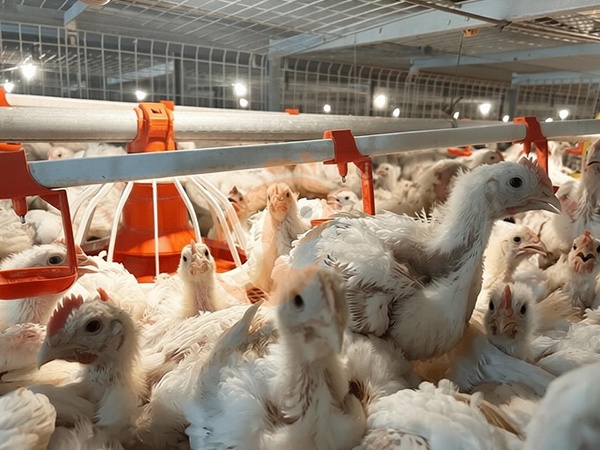
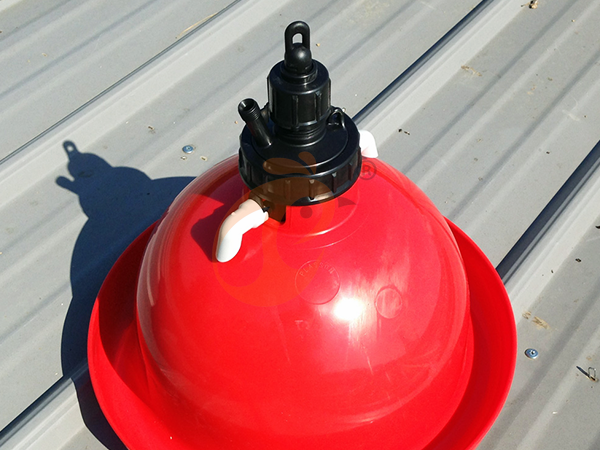
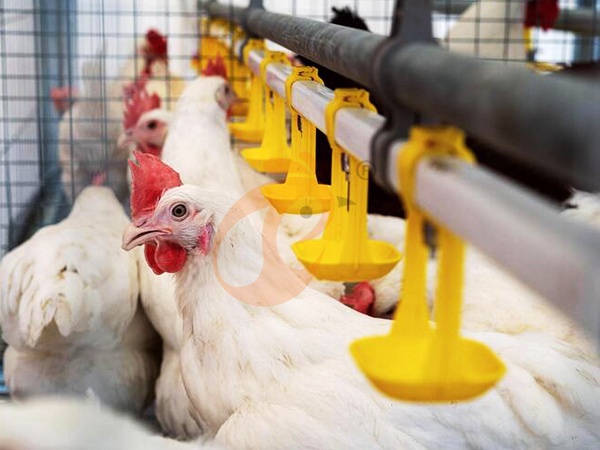
Improper feeder positioning is one of the most common causes of feed loss in Ethiopian farms.
Birds tend to scatter feed when trough height and angle are not aligned with their natural feeding posture.
Data is for reference only.Swipe horizontally to view full table.
In Ethiopia, feeds often include maize, wheat bran, and noug cake.
If particle size is inconsistent, birds selectively eat finer particles and waste larger ones.
Implement Climate-Based Feeding Schedules For Ethiopian Poultry Farms
Ethiopia's climate diversity requires region-specific feeding schedules.
In hotter regions such as Afar, feeding during peak heat leads to reduced intake and increased waste.
Data is for reference only.Swipe horizontally to view full table.
Adjusting feeding schedules helps maintain consistent intake and reduces unnecessary feed rejection in A-type layer chicken cage systems.
Adopt Semi-Automatic Feeding Systems To Reduce Feed Waste In Poultry Farming Ethiopia
Manual feeding introduces variability that directly increases feed loss.
Semi-automatic systems improve uniformity and reduce labor dependency, which is important in Ethiopian farms facing labor cost pressures.
Data is for reference only.Swipe horizontally to view full table.
Although initial investment is higher, semi-automation significantly reduces long-term costs and improves feeding precision.
Improve Feed Quality And Storage Conditions Using Local Ethiopian Ingredients
Feed spoilage is a major hidden source of waste in Ethiopian poultry farms.
High humidity during rainy seasons affects feed quality, particularly in regions near Bahir Dar.
Data is for reference only.Swipe horizontally to view full table.
Proper storage conditions including ventilation and moisture control are essential for minimizing feed losses.
A-Type Chicken Cage Structural Parameters That Affect Feed Efficiency
The structural design of A-type layer chicken cage systems directly influences feeding behavior.
Incorrect cage density or unstable structures can increase feed loss due to bird competition and vibration.
Data is for reference only.Swipe horizontally to view full table.
Maintaining these parameters ensures stable feeding conditions and reduces unnecessary feed waste.
Economic Impact Of Reducing Feed Waste In Ethiopian Poultry Farming
Feed waste reduction directly improves farm profitability.
Even small improvements in efficiency can result in substantial financial savings.
Data is for reference only.Swipe horizontally to view full table.
Assuming an average feed price of 28 Ethiopian Birr per kilogram European union standard reference only.
Reducing waste from 8% to 2% can save over 300000 Ethiopian Birr annually for a 10000 bird farm.
Integrating Management Practices To Reduce Feed Waste In Layer Chicken Cage Systems
Feed efficiency depends on multiple interconnected factors.
Water systems, ventilation, and bird health all influence feed consumption.
Data is for reference only.Swipe horizontally to view full table.
An integrated approach ensures consistent performance across Ethiopian poultry farms.
Frequently Asked Questions About Feed Waste Control In A-Type Layer Chicken Cage In Ethiopia
Q1: Is an A-type layer chicken cage suitable for Ethiopian poultry farms?
A1: Yes it is suitable due to moderate investment requirements and adaptability to local farm sizes.
It works well in both highland and midland regions when properly managed.
Q2: Why is feed waste higher in Ethiopian farms compared to other regions?
A2: The main reasons include inconsistent feed quality manual feeding practices and climate variability.
Improving feeder design and scheduling can significantly reduce these losses.
Q3: What is the most cost-effective way to reduce feed waste in Ethiopia?
A3: Optimizing feeder height and adopting semi-automatic feeding systems provide the fastest return on investment.
These methods require relatively low capital but deliver measurable savings.
Ethiopia Best Hebei Machinery Manufacturing Plc - One Of Ethiopia Largest Feed Waste Control Equipment Supplier
Global factory direct supply ensures cost-effective poultry farm equipment solutions for Ethiopian customers.
Specialized in poultry cage systems including A-type layer chicken cage with optimized feed efficiency design.
Provides complete poultry farm equipment packages tailored for Ethiopian farming conditions and climate challenges.
Offers turnkey engineering solutions covering design installation and technical training for poultry farms.
Strong international experience ensures reliable delivery quality assurance and long-term operational support.
Contact Us To Received Your Customized Poultry Farm Plan
Headquarters And Branchs

Hong Kong Headquarter Management Team
Hong Kong Headquarter Taiyu Industrial Group CO., LTD
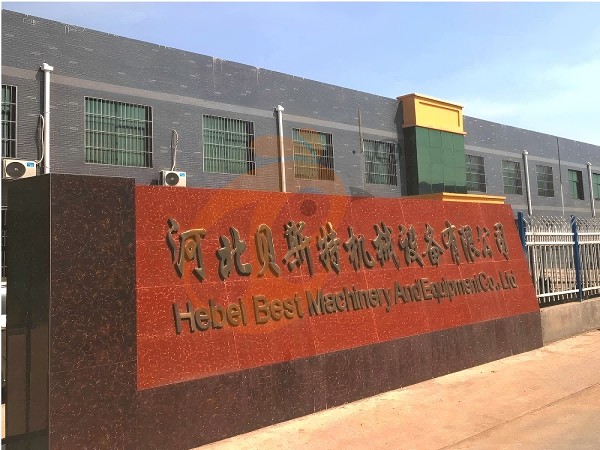
China Hebei Best Machinery And Equipment CO., LTD
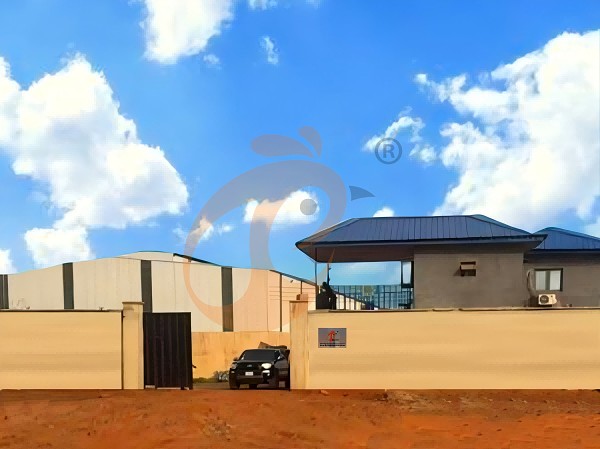
Nigeria Vanke Machinery And Equipment CO., LTD
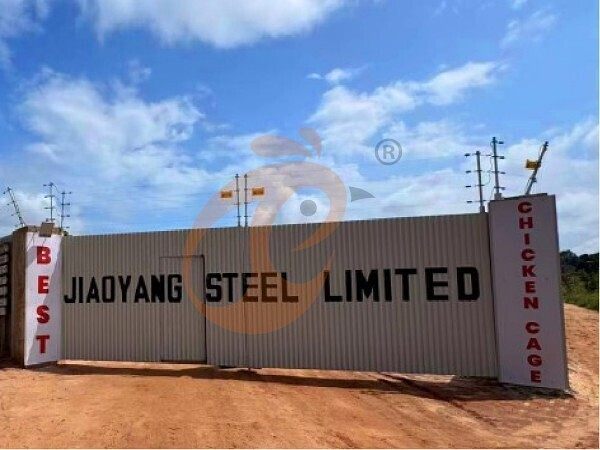
Tanzania Best Machinery And Equipment CO., LTD
Ethiopia Best Hebei Machinery Manufacturing PLC
Reception /24 WhatsApp NO. : +8618830120193
PRODUCTS RECOMMENDED
 China Branch Manufacture Poultry Farm EquipmentRead More
 Ethiopia Branch Manufacture Poultry Farm EquipmentRead More
 Nigeria Branch Manufacture Poultry Farm EquipmentRead More
 Tanzania Branch Manufacture Poultry Farm EquipmentRead More
 IoT Smart Poultry FarmRead More
 >30,000 Layers Automatic H Type Battery CageRead More
 10,000 - 30,000 Layers Automatic A Type Battery CageRead More
MESSAGE