


BLOG
A-type chicken cage egg production in Ethiopia continues increasing with urban demand growth and improved farm management practices across multiple regions.
Poultry sector modernization supports higher efficiency, controlled feeding systems, and reduced mortality in intensive production environments.
Ethiopian farmers face feed cost pressure, disease management challenges, and seasonal egg consumption fluctuations linked to cultural practices.
Transition toward structured housing systems improves productivity stability, financial predictability, and long-term investment returns in commercial farms.
Get professional poultry farm construction guidance, equipment selection solutions, and the latest price lists, whatsApp to +8618830120193, click to learn more:

Ethiopia Branch Office And Factory Of Poultry Farm Equipment
Ethiopian Context Of Layer Production
Ethiopia's poultry sector is undergoing structural transformation, shifting from traditional scavenging systems toward semi-intensive and intensive cage-based production.
With over 57 million chickens nationwide and a rapidly growing urban demand for eggs—especially in cities like Addis Ababa—the pressure on commercial layer farms to improve productivity is significant.
However, Ethiopian farmers face persistent constraints: high feed costs (up to 75% of total production cost), disease prevalence, seasonal demand fluctuations due to Orthodox fasting periods, and limited access to advanced technology.
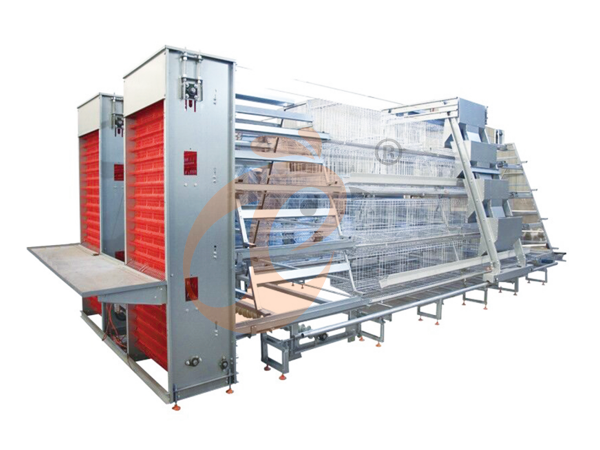
Within this context, the A-type layer chicken cage system has emerged as a practical and scalable solution.
This article analyzes the average egg production in A-type chicken cages in Ethiopia, structured around five key production indicators, supported by localized data and operational insights.
Hen Day Egg Production Rate
Hen-day egg production is the most direct metric of productivity in a layer system.
In Ethiopia, A-type chicken cages consistently outperform traditional systems due to improved feed control, reduced stress, and better hygiene.
Data is for reference only.Swipe horizontally to view full table.
This implies that under proper management, a flock of 1,000 layers in an A-type chicken cage can produce approximately 900–960 eggs per day.
Ethiopian Insight
In regions such as Oromia and Amhara, where small-to-medium farms dominate, achieving above 90% production is often constrained by inconsistent feed quality and vaccination gaps.
Practical Solution
Establish feed contracts with maize producers in Oromia
Implement scheduled vaccination programs such as Newcastle disease
Use controlled lighting systems to stabilize laying cycles
Annual Egg Output Per Hen
Annual egg production reflects long-term performance and flock management efficiency.
Data is for reference only.Swipe horizontally to view full table.
In A-type chicken cages, most commercial farms achieve 290–310 eggs per hen per year, depending on breed and management.
Ethiopian Insight
A major constraint is the continued reliance on indigenous breeds in rural Ethiopia, which significantly reduces productivity.
Practical Solution
Transition to high-performing breeds such as ISA Brown or Hy-Line
Establish regional hatchery supply chains
Provide farmer training through cooperatives
Feed Conversion Efficiency FCR Per Egg
Feed efficiency is critical in Ethiopia, where feed accounts for the majority of production costs.
Data is for reference only.Swipe horizontally to view full table.
A-type chicken cages reduce feed waste and improve feed conversion, saving approximately 10 grams per bird per day.
Ethiopian Insight
Feed price volatility, especially maize and soybean, directly affects profitability.
Practical Solution
Promote on-farm feed mixing using local ingredients
Utilize agricultural by-products such as wheat bran from Addis Ababa mills
Introduce precision feeding systems
Stocking Density And Space Utilization
Land scarcity and urban expansion make efficient space use critical in Ethiopia.
Data is for reference only.Swipe horizontally to view full table.
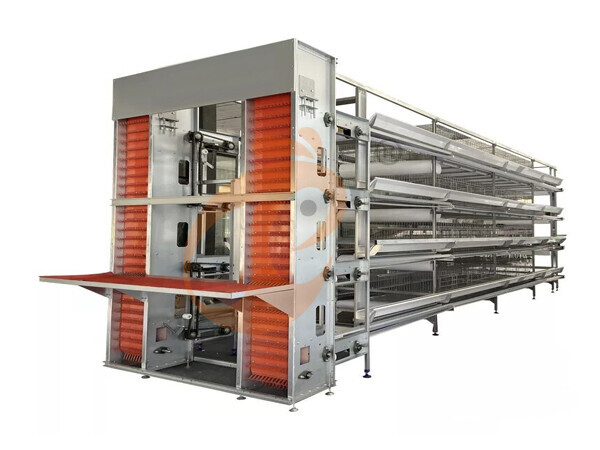
A-type chicken cages typically use 3–5 tiers, significantly improving vertical space utilization.
Ethiopian Insight
Urban farms near Addis Ababa face land cost constraints, making vertical systems necessary.
Practical Solution
Adopt 3–5 tier A-type chicken cages
Optimize house orientation east to west for climate control
Integrate manure management systems
Mortality Rate And Health Performance
Mortality directly affects net production and profitability.
Data is for reference only.Swipe horizontally to view full table.
A-type chicken cages improve biosecurity and reduce disease spread.
Ethiopian Insight
Diseases such as Newcastle and coccidiosis remain major threats.
Practical Solution
Install footbaths and restrict farm access
Maintain proper ventilation
Implement routine health monitoring
Production Economics Revenue Perspective
Egg production must be evaluated in economic terms.
Data is for reference only.Swipe horizontally to view full table.
European union standard reference only.
Ethiopian Insight
Egg prices fluctuate due to fasting seasons, affecting cash flow.
Practical Solution
Diversify markets such as hotels and institutions
Introduce egg storage and processing
Plan production cycles around demand patterns
Environmental And Housing Parameters
Environmental control significantly influences egg production.
Data is for reference only.Swipe horizontally to view full table.
Data is for reference only.Swipe horizontally to view full table.
Ethiopian Insight
Highland versus lowland climate differences require adaptive ventilation strategies.
Practical Solution
Use adjustable side curtains in highland regions
Install fans in hotter lowland areas
Monitor ammonia and humidity levels
Frequently Asked Questions
Q1: Is A-type chicken cage suitable for Ethiopia climate conditions?
A1: Yes, A-type chicken cages are suitable for both highland and lowland regions when ventilation and housing orientation are properly designed.
Farmers in hotter regions should integrate fans and airflow systems to maintain stable production performance.
Q2: What is the recommended farm scale for Ethiopian investors?
A2: The recommended scale is between 10,000 and 30,000 layers.
This range balances feed procurement, labor efficiency, and market demand stability in Ethiopian cities.
Q3: How to reduce production cost in Ethiopian layer farming?
A3: Farmers should focus on local feed formulation, disease prevention, and automation systems.
Using automated A-type chicken cages can reduce labor costs by 50–70% and improve operational consistency.
Ethiopia Best Hebei Machinery Manufacturing Plc - One Of Ethiopia Largest Chicken Cage Supplier
Global factory direct supply ensures cost efficiency and stable product quality for large scale poultry farm equipment projects.
Specialized in A-type poultry cage systems with durable structures and long service life exceeding 25 years.
Provides poultry farm equipment including feeding, drinking, manure removal, and egg collection systems.
Offers complete Turn-key engineering solutions covering design, installation, and technical training services.
Strong export experience supporting Ethiopia farms with customized poultry cage layouts and professional after-sales service.
Contact Us To Received Your Customized Poultry Farm Plan
Headquarters And Branchs

Hong Kong Headquarter Management Team
Hong Kong Headquarter Taiyu Industrial Group CO., LTD
China Hebei Best Machinery And Equipment CO., LTD
Nigeria Vanke Machinery And Equipment CO., LTD
Tanzania Best Machinery And Equipment CO., LTD
Ethiopia Best Hebei Machinery Manufacturing PLC




Reception /24 WhatsApp NO. : +8618830120193
PRODUCTS RECOMMENDED
 China Branch Manufacture Poultry Farm EquipmentRead More
 Ethiopia Branch Manufacture Poultry Farm EquipmentRead More
 Nigeria Branch Manufacture Poultry Farm EquipmentRead More
 Tanzania Branch Manufacture Poultry Farm EquipmentRead More
 IoT Smart Poultry FarmRead More
 >30,000 Layers Automatic H Type Battery CageRead More
 10,000 - 30,000 Layers Automatic A Type Battery CageRead More


MESSAGE