

BLOG
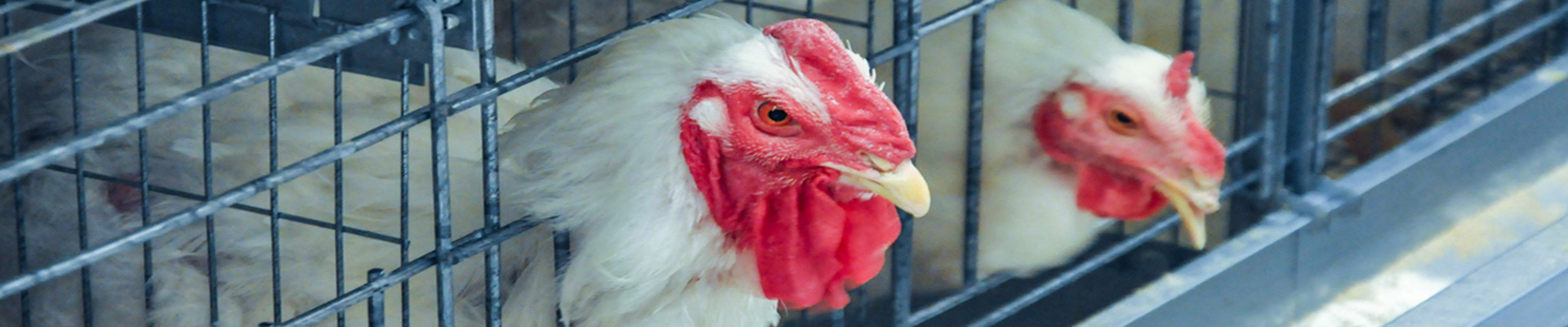
Export price of Ethiopian poultry cage system depends on multiple international cost factors and local production challenges.
Explores the key elements affecting chicken cage exports in Ethiopia.
Readers will learn about material, labor, transport, compliance, and energy costs.
Practical solutions for Ethiopian manufacturers to optimize export competitiveness are discussed.
Get professional poultry farm construction guidance, equipment selection solutions, and the latest price lists, whatsApp to +8618830120193, click to learn more:

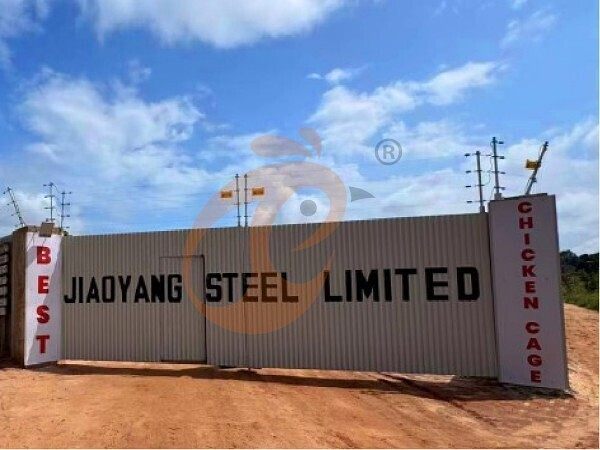
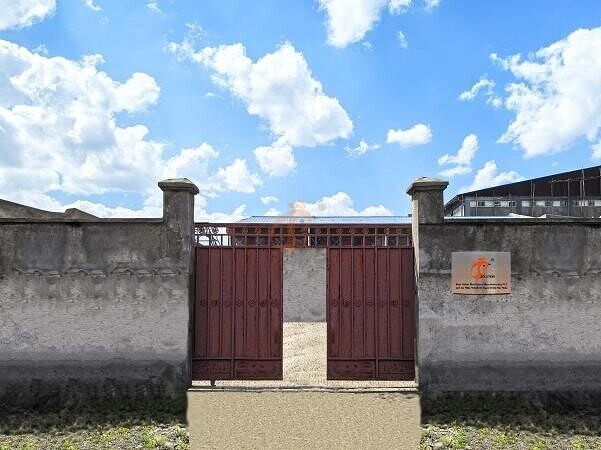
Ethiopia Branch Office And Factory Of Poultry Farm Equipment
Local Material Costs And Their Impact On Export Pricing
Material costs in Ethiopia form the foundation of the export price.
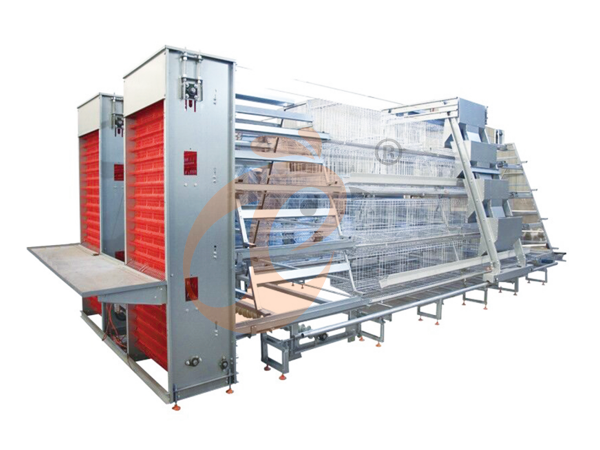
Egg-laying chicken cages typically require galvanized steel, PVC feed troughs, fasteners, and support frames.
Regional variation in raw material prices impacts production costs significantly, especially in locations outside Addis Ababa where transport logistics increase expenses.
Data is for reference only. Swipe horizontally to view full table.
These figures indicate that proximity to raw material suppliers in Addis Ababa reduces production costs.
Manufacturers can optimize export pricing by sourcing materials strategically, reducing wastage, and standardizing components across different cage sizes.
Labor Costs And Skilled Workforce Availability
Labor costs represent a substantial portion of total chicken cage cost in Ethiopia.
Skilled labor is required for cage assembly, welding, and quality assurance, which can affect both production efficiency and product reliability in export markets.
Data is for reference only. Swipe horizontally to view full table.
To maintain consistent export pricing, Ethiopian manufacturers can invest in training programs and modular assembly lines.
This reduces labor variability and improves chicken cage quality.
Export clients prioritize reliability, so consistent assembly standards mitigate complaints and warranty claims.
Transportation And Logistic Costs To Port
Exporting from Ethiopia requires moving finished chicken cages to ports in Djibouti or Berbera.
Logistics costs include truck freight, loading, port handling, and inland transport, all of which fluctuate depending on season, fuel prices, and road conditions.
Data is for reference only. Swipe horizontally to view full table.
Efficient logistics planning is critical.
Ethiopian manufacturers can negotiate bulk contracts with transport companies and invest in modular packaging that reduces space and minimizes damage during transit.
Currency Exchange And International Payment Risk
Export pricing is affected by currency fluctuations.
Ethiopia's currency, the Birr (Ethiopian Birr), can experience volatility against USD or EUR, impacting profitability.
Manufacturers must include exchange rate margins when quoting international clients.
Data is for reference only. Swipe horizontally to view full table.
To mitigate risk, Ethiopian exporters often use forward contracts or require partial prepayment in USD.
Proper risk management ensures stable export pricing despite local currency volatility.
Compliance With International Standards
Exporting chicken cage systems requires adherence to international quality standards for materials, durability, and animal welfare.
Includes ISO 9001 quality certification, corrosion resistance, and proper spacing in egg-laying chicken cages for regulatory compliance in European union countries.
Data is for reference only. Swipe horizontally to view full table.
Investing in compliance ensures market acceptance and allows Ethiopian manufacturers to command premium export prices, compensating for additional certification costs.
Energy And Operational Costs In Cage Manufacturing
Electricity and fuel are essential for welding, coating, and feed system assembly.
Energy costs in Ethiopia are higher than some competitor nations, which affects the final export price.
Data is for reference only. Swipe horizontally to view full table.
Adopting solar-powered systems or energy-efficient welding methods can reduce operational costs.
This makes Ethiopian exports more competitive while supporting sustainability goals.
Final Export Price Estimation
Combining the factors above allows Ethiopian manufacturers to calculate a realistic export price per egg-laying chicken cage.
This considers material, labor, transport, compliance, and energy costs, plus a reasonable profit margin.
Data is for reference only. Swipe horizontally to view full table.
Key strategies for reducing export price include local sourcing, workforce training, logistics optimization, and energy efficiency.
Address domestic production challenges and increase international competitiveness.
Recommendations For Ethiopian Exporters
Strengthen supply chain integration by partnering with local steel suppliers to stabilize material prices.
Invest in workforce training programs to improve assembly speed and chicken cage quality.
Optimize logistics by using modular designs and bulk shipment to reduce freight costs.
Hedge currency risks by securing forward contracts and USD-denominated payments.
Maintain certification to continuously meet international standards and access premium markets.
Adopt energy-efficient production through solar and hybrid systems to reduce costs.
Frequently Asked Questions
Q1: Is this chicken cage suitable for use in Ethiopian poultry farms?
A1: Yes, the chicken cage is designed for Ethiopian conditions with adequate ventilation and spacing.
Local material adaptation ensures durability in diverse Ethiopian climates.
Q2: What is the approximate export price from Ethiopia for one chicken cage unit?
A2: Based on current material, labor, energy, and logistics costs, the export price ranges between 1,260–1,320 Ethiopian Birr per unit.
Q3: How can Ethiopian farmers reduce costs when importing chicken cages?
A3: Bulk ordering, local assembly training, and modular packaging help reduce per-unit costs and delivery risk.
Ethiopia Best Hebei Machinery Manufacturing Plc - One Of Ethiopia Largest Chicken Cage Manufacturer
HB BEST provides global factory direct sales for poultry farm equipment and poultry cage systems.
The company offers turn-key engineering solutions for chicken cage projects in Ethiopia.
They specialize in designing customized egg-laying chicken cages for local farm needs.
HB BEST ensures full technical support and training for efficient cage installation.
Their service includes quality assurance, international certification guidance, and after-sales support.
Contact Us To Received Your Customized Poultry Farm Plan
Headquarters And Branchs
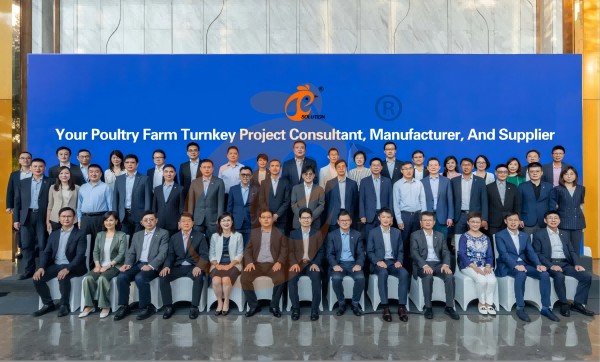
Hong Kong Headquarter Management Team
Hong Kong Headquarter Taiyu Industrial Group CO., LTD
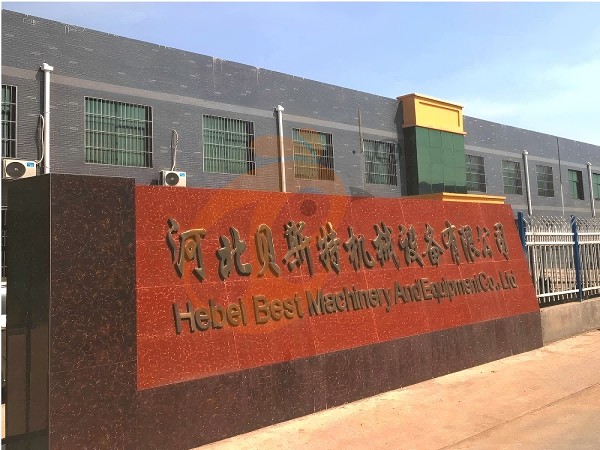
China Hebei Best Machinery And Equipment CO., LTD
Nigeria Vanke Machinery And Equipment CO., LTD
Tanzania Best Machinery And Equipment CO., LTD
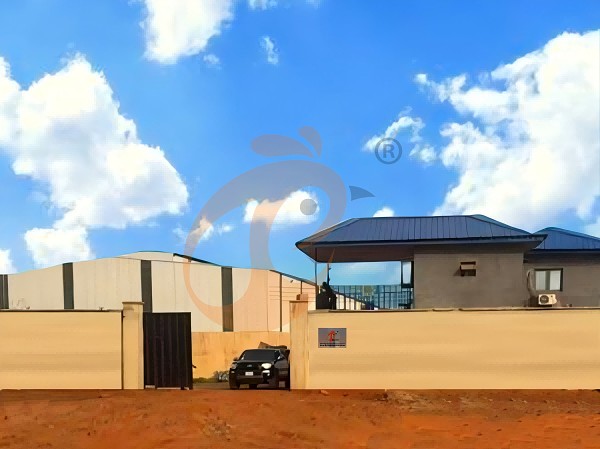
Ethiopia Best Hebei Machinery Manufacturing PLC
Reception /24 WhatsApp NO. : +8618830120193
PRODUCTS RECOMMENDED
 China Branch Manufacture Poultry Farm EquipmentRead More
 Ethiopia Branch Manufacture Poultry Farm EquipmentRead More
 Nigeria Branch Manufacture Poultry Farm EquipmentRead More
 Tanzania Branch Manufacture Poultry Farm EquipmentRead More
 IoT Smart Poultry FarmRead More
 >30,000 Layers Automatic H Type Battery CageRead More
 10,000 - 30,000 Layers Automatic A Type Battery CageRead More
MESSAGE