

BLOG
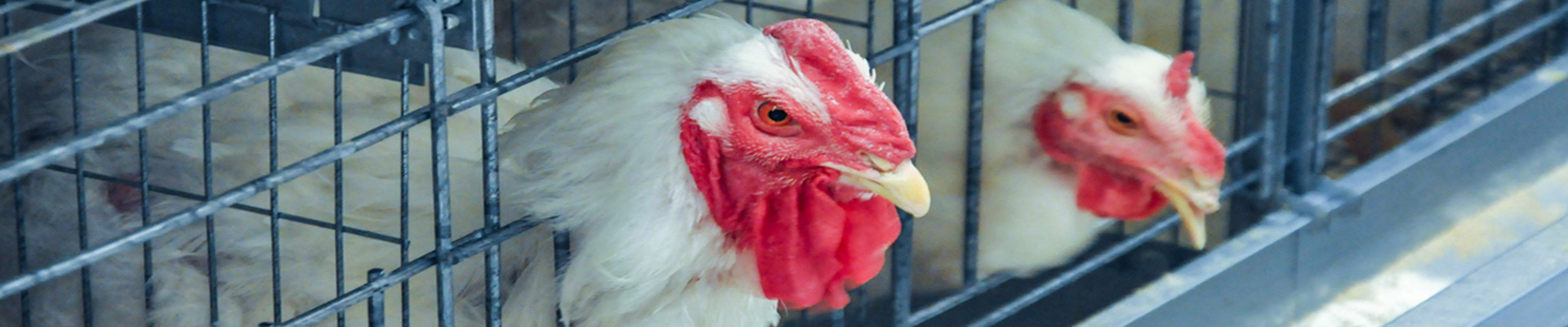
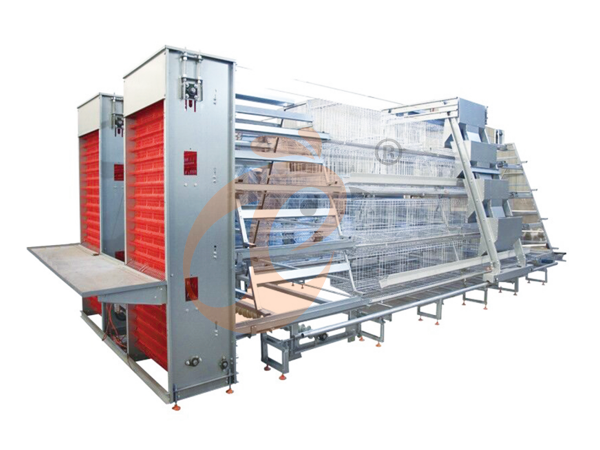
H-type poultry cage stress reduction improves productivity and survival in Ethiopian poultry farms
Rapid modernization increases efficiency but introduces environmental and physiological challenges
Local climate variation requires adaptive management rather than imported standard configurations
Feed, water, and airflow inconsistencies are primary causes of chronic stress
Precision management directly impacts egg yield, mortality rates, and profitability outcomes
Get professional poultry farm construction guidance, equipment selection solutions, and the latest price lists, whatsApp to +8618830120193, click to learn more:
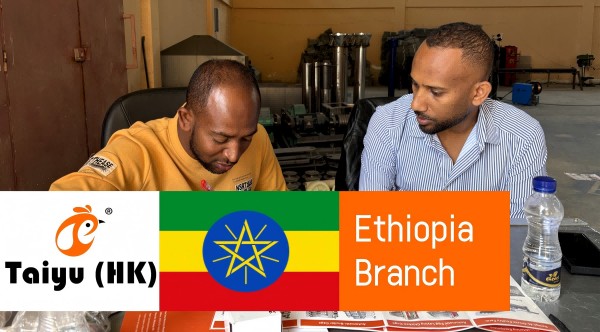
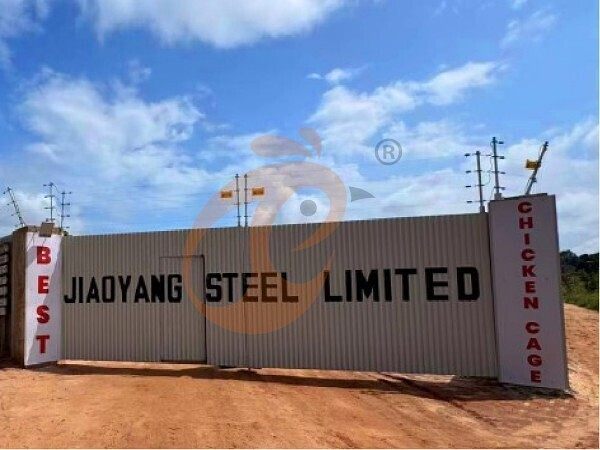
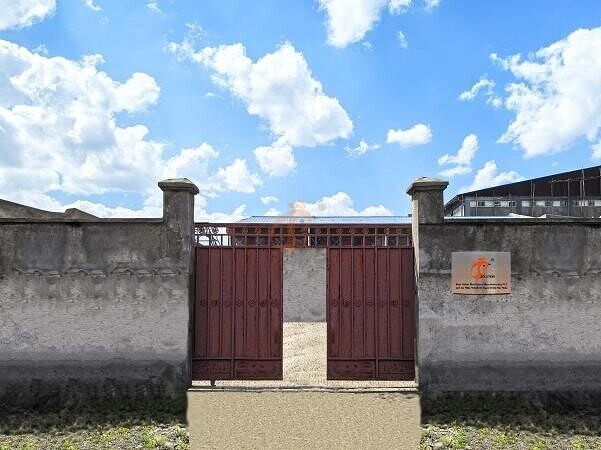
Ethiopia Branch Office And Factory Of Poultry Farm Equipment
Optimizing Microclimate Control Through Local Ventilation Dynamics In H-Type Poultry Cage Systems
In Ethiopia, poultry house design often fails to match airflow requirements of H-type systems.
Thermal imbalance between cage tiers is a major source of stress.
Reliable ventilation and backup power systems are critical for stable production.
Data is for reference only.Swipe horizontally to view full table.
Precision Feeding Strategies To Reduce Layer Chicken Stress In Cages
Feed formulation must adapt to environmental stress conditions rather than remain constant year-round.
Diet composition directly influences metabolic heat and bird resilience.
Feed physical structure also affects respiratory comfort and feeding efficiency.
Data is for reference only.Swipe horizontally to view full table.
Water Quality And Flow Rate Management In H-Type Chicken Cage Systems
Water delivery systems must remain clean and stable to avoid hidden stress factors.
Uneven distribution and contamination can quickly affect bird health.
Monitoring consumption provides early warning of system problems.
Data is for reference only.Swipe horizontally to view full table.
Light Intensity And Photoperiod Standardization In Chicken Cage Systems
Lighting programs must remain consistent across all cage levels.
Unstable lighting can trigger behavioral stress and production loss.
Automation helps maintain uniform daily cycles.
Data is for reference only.Swipe horizontally to view full table.
Biosecurity And Stocking Density Optimization In H-Type Chicken Cage Systems
Stocking density and hygiene management directly influence stress levels.
Overcrowding increases competition and weakens flock uniformity.
Strict biosecurity reduces disease-related stress.
Data is for reference only.Swipe horizontally to view full table.
Manure Management And Ammonia Control In H-Type Poultry Cage Systems
Air quality management is essential in enclosed poultry housing.
Manure handling systems must operate consistently to prevent buildup.
Controlling emissions improves bird comfort and productivity.
Data is for reference only.Swipe horizontally to view full table.
Economic Impact Of Reducing Chicken Stress In Ethiopian H-Type Poultry Cage Systems
Investment in management improvements leads to measurable production gains.
Cost structures vary depending on farm scale and system configuration.
Financial returns are typically realized through improved efficiency.
European union standard reference only
Data is for reference only.Swipe horizontally to view full table.
Frequently Asked Questions
Q1: Is H-type poultry cage suitable for Ethiopian climate conditions?
A1: Yes, but only with proper ventilation and environmental control adjustments.
Q2: How can farmers reduce stress in Ethiopian poultry cage systems effectively?
A2: By combining ventilation, nutrition, water management, and density control strategies.
Q3: What is the biggest challenge for poultry cage farming in Ethiopia?
A3: Power instability and environmental variability remain the main operational risks.
Ethiopia Best Hebei Machinery Manufacturing Plc - One Of Ethiopia Largest Poultry Cage Manufacturer
Global factory direct supply ensures competitive pricing and reliable equipment quality for poultry farm equipment projects
Specialized in H-type poultry cage systems with advanced automation and durable structural engineering design
Provides complete poultry cage solutions including feeding drinking manure removal and ventilation integration systems
Offers professional turn-key poultry farm engineering services from planning installation to technical training support
Extensive export experience ensures stable delivery timelines and long-term after-sales service capability
Contact Us To Received Your Customized Poultry Farm Plan
Headquarters And Branchs

Hong Kong Headquarter Management Team
Hong Kong Headquarter Taiyu Industrial Group CO., LTD
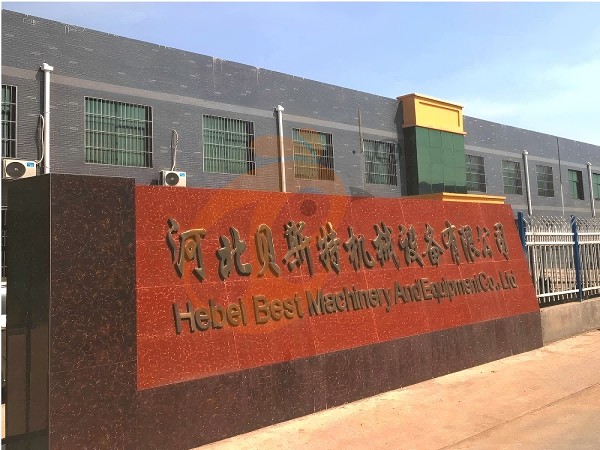
China Hebei Best Machinery And Equipment CO., LTD
Nigeria Vanke Machinery And Equipment CO., LTD
Tanzania Best Machinery And Equipment CO., LTD
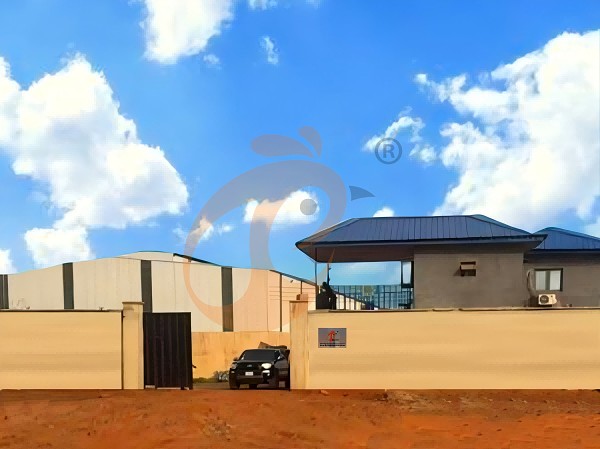
Ethiopia Best Hebei Machinery Manufacturing PLC
Reception /24 WhatsApp NO. : +8618830120193
PRODUCTS RECOMMENDED
 China Branch Manufacture Poultry Farm EquipmentRead More
 Ethiopia Branch Manufacture Poultry Farm EquipmentRead More
 Nigeria Branch Manufacture Poultry Farm EquipmentRead More
 Tanzania Branch Manufacture Poultry Farm EquipmentRead More
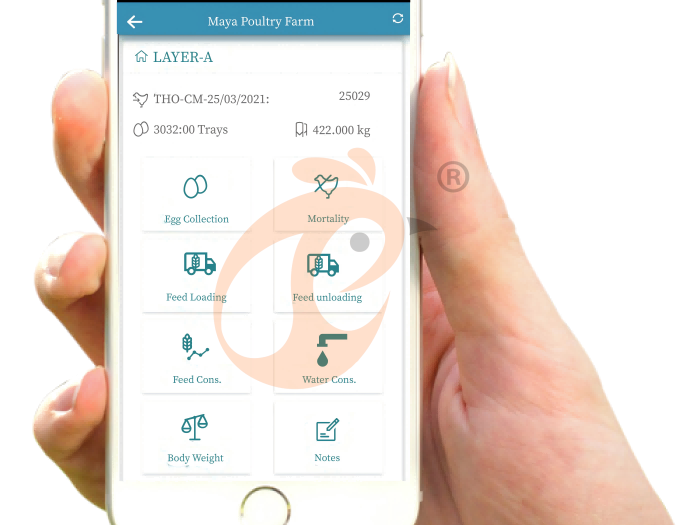
 IoT Smart Poultry FarmRead More
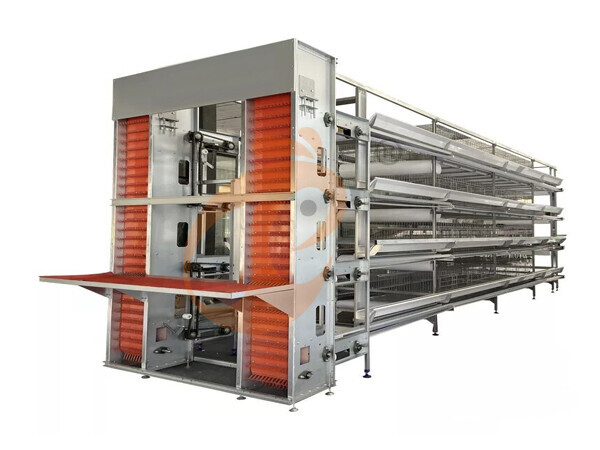
 >30,000 Layers Automatic H Type Battery CageRead More
 10,000 - 30,000 Layers Automatic A Type Battery CageRead More
MESSAGE