

BLOG
Precision hydration systems optimize water distribution across agricultural and residential environments.
Market expansion driven by water scarcity regulation and infrastructure modernization demand.
Smart irrigation controller integration reduces operational variability and improves scheduling accuracy.
Drip irrigation system adoption increases due to evapotranspiration-based efficiency modeling.
Garden irrigation system deployment aligns with modular installation and pressure-controlled distribution architecture.
Get professional poultry farm construction guidance, equipment selection solutions, and the latest price lists, whatsApp to +8618830120193, click to learn more:
Market Structure And Industry Transition
The global watering equipment sector in 2026 operates under a hybrid industrial model combining mechanical distribution hardware with embedded computational control layers.
The transition from mechanical timers to algorithm-driven irrigation architecture has redefined procurement priorities.
System design now emphasizes flow optimization, pressure stabilization, and distributed sensing nodes across agricultural and residential infrastructure.
The keyword drip irrigation system is now central in procurement catalogs due to its measurable reduction in water consumption and improved root-zone delivery efficiency.
Raw Material Price Trends And Supply Chain Pressure
Material pricing behavior in 2026 is no longer linear.
Upstream polymer volatility and downstream chip deflation create a dual-pressure structure.
Procurement planning for garden irrigation system projects must account for both mechanical and electronic cost divergence.
Data is for reference only.Swipe horizontally to view full table.
Material input volatility directly affects garden irrigation system pricing, especially in pipe extrusion and valve manufacturing segments.
Conventional Sprinkler Systems And Cost Positioning
Sprinkler system investment decisions are increasingly evaluated based on lifecycle efficiency rather than initial purchase cost.
Residential and agricultural users now compare distribution uniformity instead of nominal output alone.
Data is for reference only.Swipe horizontally to view full table.
Operational planning for irrigation infrastructure must prioritize pressure stability to maximize efficiency of smart irrigation controller integration.
Drip Irrigation System Cost Structure
Drip irrigation system deployment is increasingly selected for precision agriculture due to its ability to reduce water loss through evaporation and runoff control.
Data is for reference only.Swipe horizontally to view full table.
System designers typically evaluate emitter density and pressure regulation accuracy when configuring drip irrigation system layouts for agricultural zones.
Drip Irrigation Project Cost Comparison
Investment scaling in irrigation infrastructure shows strong correlation between installation method and long-term operational savings.
This is especially relevant in modular garden irrigation system deployments.
Data is for reference only.Swipe horizontally to view full table.
Design optimization for garden irrigation system projects typically prioritizes modular expandability and pressure balancing efficiency.
Hydraulic Efficiency And Fluid Distribution Science
System-level irrigation performance is governed by evapotranspiration balancing and soil water potential regulation.
Engineering models translate environmental variables into irrigation scheduling logic.
Smart irrigation controller algorithms continuously adjust ET compensation cycles to maintain stable soil moisture thresholds across heterogeneous terrain.
Smart Irrigation Controller Market Structure
Smart irrigation controller adoption is driven by multi-source data fusion.
This enables predictive irrigation scheduling rather than reactive watering cycles.
Data is for reference only.Swipe horizontally to view full table.
Integration of smart irrigation controller systems improves predictive accuracy in multi-zone agricultural irrigation environments.
Regional Price Distribution Index
Regional irrigation pricing reflects infrastructure maturity and water scarcity intensity.
Labor cost structure differences also influence system deployment economics.
Data is for reference only.Swipe horizontally to view full table.
Hose And Pipeline System Engineering
Pipeline engineering selection directly influences hydraulic efficiency and leakage rate.
It also affects long-term maintenance frequency in garden irrigation system installations.
Data is for reference only.Swipe horizontally to view full table.
Sprinkler And Nozzle Performance Metrics
Nozzle engineering determines distribution uniformity.
Distribution uniformity directly impacts irrigation efficiency and crop stability.
Data is for reference only.Swipe horizontally to view full table.
Agricultural And Poultry Farm Integration Systems
Poultry farm infrastructure increasingly integrates irrigation-based microclimate control systems.
These systems stabilize thermal conditions and particulate levels in enclosed environments.
Data is for reference only.Swipe horizontally to view full table.
Valve And Pressure Regulation Systems
Pressure regulation architecture determines system stability.
It directly affects emitter lifespan in drip irrigation system installations.
Data is for reference only.Swipe horizontally to view full table.
Energy Consumption And Operational Model
Energy consumption profiling is essential for lifecycle cost estimation.
This is especially relevant in pump-driven irrigation systems.
Data is for reference only.Swipe horizontally to view full table.
Maintenance And Failure Rate Analysis
Maintenance planning determines long-term system reliability.
Component fatigue rates directly influence replacement cycles.
Data is for reference only.Swipe horizontally to view full table.
Product Performance Benchmark Comparison
System selection is increasingly based on efficiency index benchmarking.
This replaces simple specification comparison in irrigation engineering.
Data is for reference only.Swipe horizontally to view full table.
Frequently Asked Questions
Q1: How does smart irrigation controller improve system efficiency?
Smart irrigation controller improves efficiency through predictive scheduling based on meteorological data integration.
Soil moisture feedback loops enable adaptive irrigation control.
Water savings typically range from 20 percent to 45 percent.
Q2: What is the economic advantage of drip irrigation system?
Drip irrigation system reduces water loss through targeted root-zone delivery.
Lifecycle cost reduction is typically 30 to 55 percent compared to sprinkler systems.
Efficiency gains become more significant in high-temperature regions.
Q3: Can garden irrigation system be integrated into poultry farming infrastructure?
Garden irrigation system can be adapted for poultry environments through misting and humidity regulation modules.
System modification supports thermal stabilization and dust reduction.
Integration improves livestock environmental consistency.
Taiyu (HK) Group - One Of China Biggest Watering Equipment Supplier
Drip irrigation system engineered for precision agricultural water distribution efficiency enhancement.
Factory direct supply watering equipment supports global agricultural infrastructure and irrigation modernization projects.
Poultry equipment integration supports cooling systems and environmental humidity control engineering applications.
Poultry cage manufacturing supports automated farming system expansion and industrial livestock operations globally.
Turn-key engineering solutions provide complete irrigation system design, installation, and commissioning services worldwide.
Contact Us To Received Your Customized Poultry Farm Plan
Headquarters And Branchs

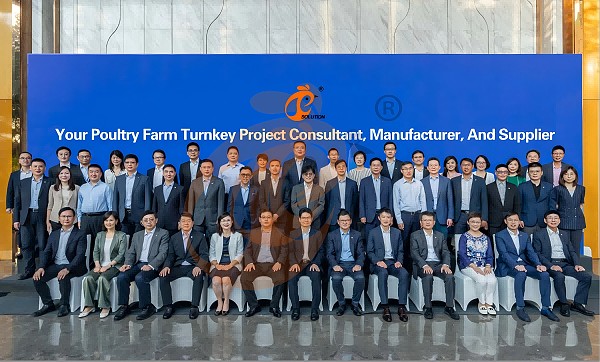
Hong Kong Headquarter Management Team
Hong Kong Headquarter Taiyu Industrial Group CO., LTD
China Hebei Best Machinery And Equipment CO., LTD
Nigeria Vanke Machinery And Equipment CO., LTD
Tanzania Best Machinery And Equipment CO., LTD
Ethiopia Best Hebei Machinery Manufacturing PLC




Reception /24 WhatsApp NO. : +8618830120193
PRODUCTS RECOMMENDED
 China Branch Manufacture Poultry Farm EquipmentRead More
 Ethiopia Branch Manufacture Poultry Farm EquipmentRead More
 Nigeria Branch Manufacture Poultry Farm EquipmentRead More
 Tanzania Branch Manufacture Poultry Farm EquipmentRead More
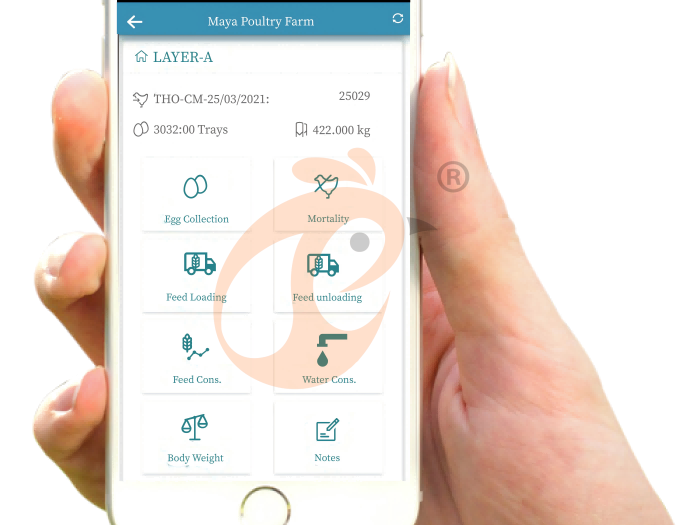
 IoT Smart Poultry FarmRead More
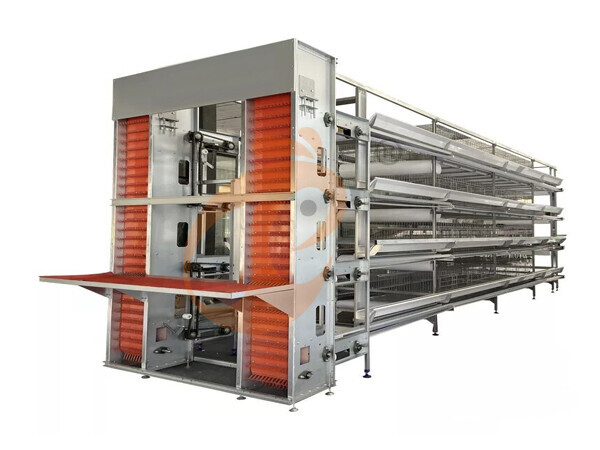
 >30,000 Layers Automatic H Type Battery CageRead More
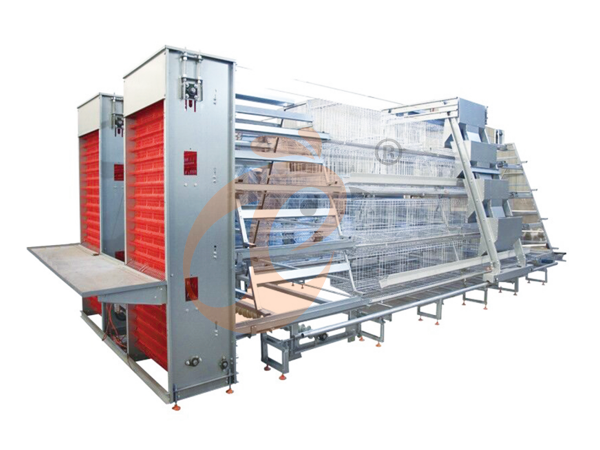
 10,000 - 30,000 Layers Automatic A Type Battery CageRead More

MESSAGE