

BLOG
Chicken coop sanitation engineering defines structural hygiene performance across poultry production systems.
Equipment configuration integrates mechanical removal, hydraulic washing, and chemical disinfection modules.
Operational efficiency depends on manure control rate, airflow exchange, and microbial suppression dynamics.
Cost evaluation frameworks determine equipment selection across small, medium, and industrial farm scales.
System integration improves biosecurity stability, labor efficiency, and long-term production output consistency.
Get professional poultry farm construction guidance, equipment selection solutions, and the latest price lists, whatsApp to +8618830120193, click to learn more:
Chicken Coop Cleaning Equipment Market Overview
Chicken coop cleaning systems represent multi-layer sanitation engineering assets combining mechanical, hydraulic, and chemical subsystems.
Market segmentation includes manual tools, pressure systems, disinfectant chemicals, automated manure removal lines, bedding control devices, ventilation support units, and waste logistics equipment.
Cost distribution varies significantly based on flock density and installation scale.
Demand concentration is increasing in industrial poultry infrastructure projects.
Poultry cleaning equipment market expansion continues across commercial farming systems.
Manual Cleaning Equipment System Core Structure
Manual cleaning configuration operates as baseline sanitation architecture for poultry housing environments.
Equipment selection influences daily labor intensity and waste removal cycle efficiency.
Adoption rate remains high in small-scale poultry production units due to low capital requirement and simple maintenance structure.
Chicken coop cleaning tools remain essential for backyard poultry management systems.
Data is for reference only.Swipe horizontally to view full table.
Pressure Washer System Engineering Configuration
Pressure washer equipment provides hydraulic cleaning force for organic residue removal across poultry housing surfaces.
System classification includes electric and combustion-driven models with pressure output scaling aligned with facility size requirements.
Equipment deployment reduces manual scrubbing dependency.
Industrial pressure washer for farm cleaning improves sanitation efficiency metrics.
Data is for reference only.Swipe horizontally to view full table.
Chemical Disinfection System Application Layer
Chemical sanitation systems provide pathogen elimination functionality targeting bacterial and viral contamination inside poultry environments.
Common agents include oxidizing compounds and quaternary ammonium formulations.
Application frequency depends on stocking density and hygiene compliance requirements.
European union standard reference only applies for formulation concentration control thresholds.
Poultry disinfectant chemicals for coop sanitation ensure microbial control stability.
Data is for reference only.Swipe horizontally to view full table.
Automated Manure Removal System Integration
Automated cleaning systems operate as continuous or scheduled waste evacuation infrastructure in poultry production environments.
Conveyor belts, scraper chains, and hydraulic flushing modules form primary engineering categories.
System selection depends on coop structural design and production throughput requirements.
Automatic chicken manure removal system reduces labor dependency in large farms.
Data is for reference only.Swipe horizontally to view full table.
Bedding Management Equipment Functional Layer
Bedding management systems regulate moisture absorption capacity and ammonia emission rate inside poultry housing units.
Equipment deployment stabilizes litter structure and reduces microbial proliferation conditions.
System integration improves environmental consistency across production cycles.
Poultry bedding management equipment improves ammonia control efficiency.
Data is for reference only.Swipe horizontally to view full table.
Ventilation Support Equipment Interaction System
Ventilation equipment operates as environmental stabilization subsystem influencing cleaning cycle efficiency and microbial suppression rate.
Air exchange rate directly impacts ammonia concentration and humidity accumulation inside poultry housing structures.
System design integrates airflow optimization engineering.
Poultry ventilation exhaust fan system reduces moisture buildup in coops.
Data is for reference only.Swipe horizontally to view full table.
Waste Collection Logistics System Design
Waste collection systems manage manure transport from poultry housing zones to disposal or processing areas.
Equipment classification includes manual bins, steel carts, motorized trolleys, and conveyor transfer containers.
System efficiency directly impacts labor cycle time and sanitation turnover rate.
Poultry waste handling cart system improves farm sanitation logistics.
Data is for reference only.Swipe horizontally to view full table.
Scientific Mechanism Of Poultry Sanitation Control
Ammonia formation originates from uric acid decomposition catalyzed by bacterial enzyme activity within manure substrates.
Concentration levels above 25 ppm generate respiratory epithelium stress in poultry populations.
Microbial reproduction accelerates under high humidity and elevated temperature conditions.
Mechanical removal reduces organic substrate volume.
Chemical agents disrupt microbial cell membranes.
Ventilation decreases reaction kinetics by lowering humidity concentration gradients.
Industrial poultry hygiene systems integrate these three mechanisms into layered biosecurity architecture.
System Cost Optimization And Deployment Strategy
Capital allocation strategy for chicken coop sanitation equipment depends on production density index, labor availability ratio, and housing structural area.
Manual systems reduce initial investment load but increase operational labor requirement per cycle.
Automated systems increase capital expenditure but reduce long-term manpower dependency.
Hybrid engineering configurations combining pressure washing, chemical sanitation, and manual removal achieve balanced cost-performance equilibrium in mid-scale poultry operations.
Frequently Asked Questions
Q1: What is the average cost of chicken coop cleaning equipment installation?
Small poultry units require approximately 120–320 USD for manual-based systems.
Medium facilities range from 1,200–6,500 USD depending on pressure washer integration and chemical sanitation modules.
Industrial automated systems exceed 6,500 USD and may reach 28,000 USD based on conveyor and hydraulic system configuration.
Q2: How often should chicken coop cleaning equipment be used in production cycles?
Daily manure removal using manual tools is standard in high-density poultry systems.
Pressure washing cycles typically occur once per week.
Chemical disinfection is applied weekly or bi-weekly depending on stocking density.
Automated systems operate continuously or on scheduled intervals.
Q3: Which equipment type provides the highest long-term efficiency?
Automated manure removal systems provide highest throughput efficiency due to continuous waste extraction and reduced labor dependency.
Conveyor and scraper systems reduce sanitation downtime and stabilize environmental conditions across large-scale poultry facilities.
Taiyu (HK) Group - One Of China Largest Manure Cleaning Equipment Manufacturer
Chicken coop cleaning equipment industrial manufacturing precision engineering system supply.
Factory direct poultry sanitation equipment production line export global distribution capability.
Turn-key poultry housing cleaning system integration engineering project execution worldwide.
Poultry cage and cleaning equipment combined infrastructure solution provider manufacturing base.
Industrial poultry equipment supplier supporting automated cleaning system global installation service.
Contact Us To Received Your Customized Poultry Farm Plan
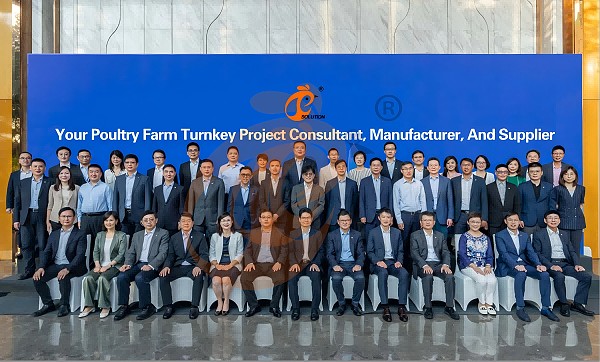
Headquarters And Branchs

Hong Kong Headquarter Management Team
Hong Kong Headquarter Taiyu Industrial Group CO., LTD
China Hebei Best Machinery And Equipment CO., LTD
Nigeria Vanke Machinery And Equipment CO., LTD
Tanzania Best Machinery And Equipment CO., LTD
Ethiopia Best Hebei Machinery Manufacturing PLC




Reception /24 WhatsApp NO. : +8618830120193
PRODUCTS RECOMMENDED
 China Branch Manufacture Poultry Farm EquipmentRead More
 Ethiopia Branch Manufacture Poultry Farm EquipmentRead More
 Nigeria Branch Manufacture Poultry Farm EquipmentRead More
 Tanzania Branch Manufacture Poultry Farm EquipmentRead More
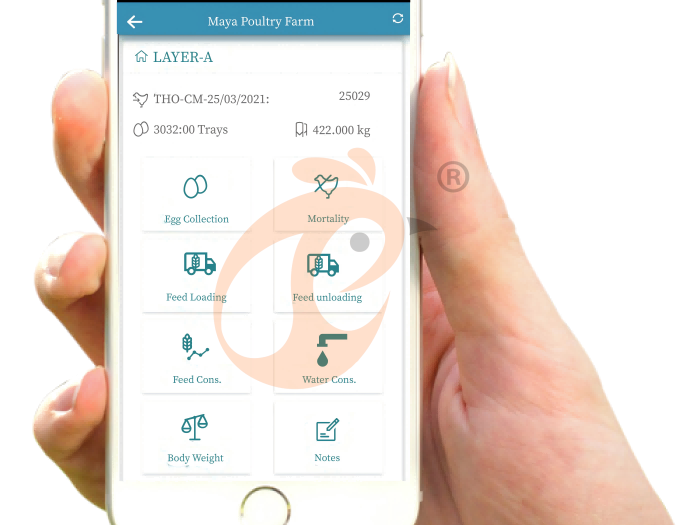
 IoT Smart Poultry FarmRead More
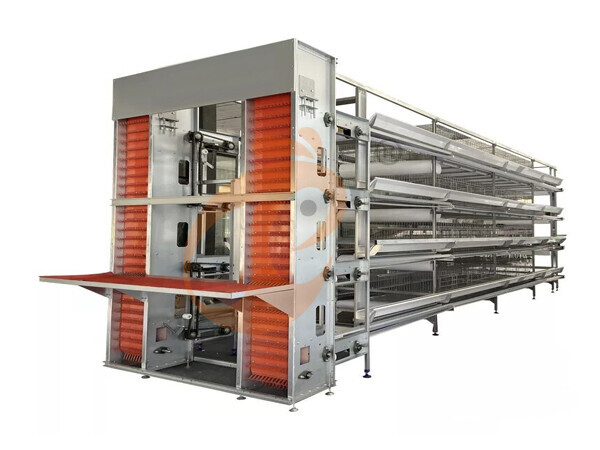
 >30,000 Layers Automatic H Type Battery CageRead More
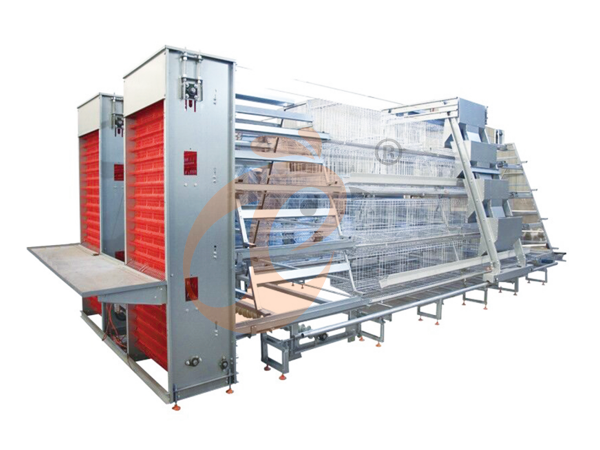
 10,000 - 30,000 Layers Automatic A Type Battery CageRead More

MESSAGE