

BLOG
A-type and H-type chicken cage systems are compared for Ethiopian poultry investment decisions.
Structural design differences directly affect stocking density, ventilation, and manure management systems.
Capital expenditure and maintenance budgets are evaluated in Ethiopian Birr (ETB).
Climate adaptability and power stability considerations influence equipment selection outcomes.
Return on investment timelines are calculated for 10,000 bird commercial farms.
Get professional poultry farm construction guidance, equipment selection solutions, and the latest price lists, whatsApp to +8618830120193, click to learn more:

Ethiopia Branch Office And Factory Of Poultry Farm Equipment
Market Transformation And Investment Decision In Ethiopia Poultry Sector
The Ethiopian poultry sector is currently witnessing a transformative leap.
From the bustling markets of Addis Ababa to the specialized poultry hubs in Bishoftu (Debre Zeit) and Modjo, the shift from traditional
floor-rearing to intensive cage systems is no longer a luxury it is a survival strategy.
As the demand for protein grows alongside Ethiopia’s urban population, farmers are faced with a critical hardware decision: should they
invest in the classic A-type ladder system or the vertically stacked H-type battery system.
For a medium-sized enterprise (SME) in regions like Oromia or Amhara, this choice dictates not just the initial capital expenditure but the
long-term operational viability under local conditions, including power stability and seasonal humidity.
While both systems represent a massive upgrade over backyard scavenging, the A-type cage emerges as the most pragmatic, cost-
controlled, and resilient solution for the Ethiopian landscape.
Structural Engineering And Space Utilization
The fundamental difference between these two systems lies in their geometry.
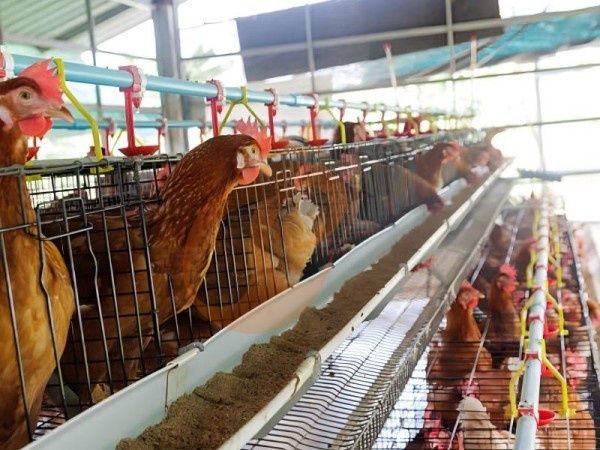
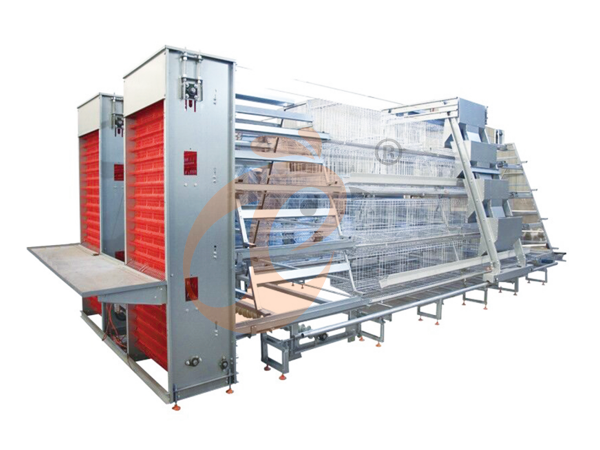
A-type Cage System
Triangular side profile
Tiers offset like a ladder
Manure falls directly to the ground or pit
No intermediate manure belt required
H-type Cage System
Vertical stacked structure
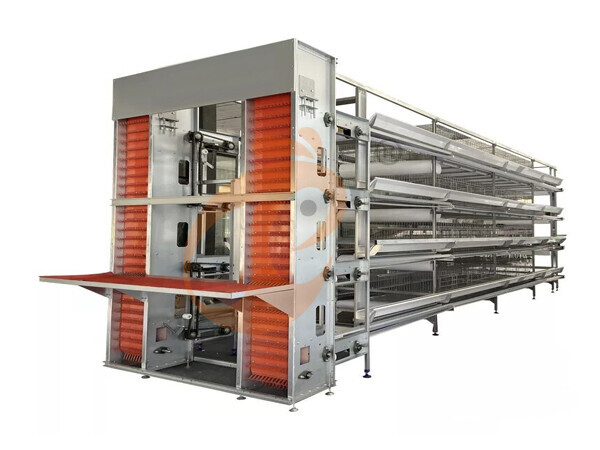
Belt-driven manure removal under each tier
Integrated automation components
In Ethiopia, where farm shed construction costs in areas like Sululta or Burayu can reach 3,500–5,000 Ethiopian Birr per square meter, space
utilization becomes a measurable cost parameter.
However, the structural complexity of the H-type system increases installation time and mechanical dependency for farms managing
fewer than 50,000 birds.
Data is for reference only.Swipe horizontally to view full table.
Climate Adaptation And Ventilation Performance
Ethiopia's geography presents extended sunshine periods and seasonal Kiremt rainfall.
Ventilation directly influences ammonia concentration, CO₂ levels, and bird respiratory stability.
The angled tier design of the A-type system creates open airflow channels between rows.
This allows passive air movement even during grid interruption.
The H-type structure forms compact vertical rows.
Without continuous mechanical ventilation, ammonia accumulation increases in central tiers.
For exotic breeds such as Bovans Brown or Lohmann White, air exchange stability determines laying consistency.
Data is for reference only.Swipe horizontally to view full table.
Economic Analysis And Capital Expenditure In Ethiopian Birr
When calculating landed cost in Ethiopia, financial planning must include
Import duties processed through Modjo Dry Port
Inland transportation fees
Installation labor
Backup generator infrastructure
The H-type system includes additional motors, gearboxes, belts, and electrical controllers.
This increases both procurement and freight volume.
For 10,000 birds, the A-type system requires approximately 2,500,000 Ethiopian Birr initial investment.
The H-type system requires approximately 5,250,000 Ethiopian Birr initial investment.
All monetary values are in Ethiopian Birr (ETB).
European union standards for reference only.
Data is for reference only.Swipe horizontally to view full table.
Operational Efficiency And Feed Conversion Ratio
Feed conversion ratio (FCR) determines profitability margins in Ethiopian poultry farms.
Maize and soybean pricing fluctuations directly impact production cost per egg.
The A-type feeding trough uses a V-shaped gravity structure.
Manual inspection of feed uniformity is easier under semi-automatic systems.
H-type trolley feeding systems require calibrated leveling and synchronized motors.
Foundation deviation can affect feed distribution accuracy.
Data is for reference only.Swipe horizontally to view full table.
Maintenance Requirements And Power Stability
Power interruptions in Adama or Debre Markos may last several hours.
Mechanical dependency increases operational risk during outages.
The H-type system relies on electric manure belts and egg conveyors.
Motor overload may occur if belts are not cleared.
The A-type system can operate manually.
Eggs can be collected by hand without conveyor activation.
Annual maintenance costs for 10,000 birds show measurable differences.
All monetary values are in Ethiopian Birr (ETB).
European union standards for reference only.
Data is for reference only.Swipe horizontally to view full table.
Egg Quality And Collection Metrics
European standards for reference only.
Manure separation reduces contamination probability.
H-type systems depend on belt alignment precision for egg cleanliness control.
Data is for reference only.Swipe horizontally to view full table.
Return On Investment Timeline Comparison
Return on investment determines financial sustainability for commercial poultry farming in Ethiopia.
For 10,000 birds, break-even time under the A-type system is approximately 14 months.
Under the H-type system, break-even time extends to approximately 26 months.
Monthly operating profit and margin differ based on maintenance and electricity costs.
All monetary values are in Ethiopian Birr (ETB).
European union standards for reference only.
Data is for reference only.Swipe horizontally to view full table.
Frequently Asked Questions
Q1: Which cage system is more suitable for unstable power supply conditions?
A1: The A-type system can operate manually without electric manure belts or conveyors, reducing operational disruption during outages.
Q2: Is the H-type system more profitable because of higher stocking density?
A2: Although stocking density per square meter increases, capital expenditure of 5,250,000 Ethiopian Birr and higher maintenance costs extend the return on investment period compared with the 2,500,000 Ethiopian Birr A-type investment.
Q3: What scale of farm benefits most from A-type chicken cages?
A3: Farms operating between 5,000 and 30,000 birds typically achieve shorter break-even timelines and manageable maintenance budgets using A-type systems.
Ethiopia Best Hebei Machinery Manufacturing Plc - One Of Ethiopia Largest Chicken Cage Manufacturer
Global factory direct supply of poultry farm equipment with zinc coating 275 g/m².
Production capacity exceeding 500,000 bird poultry cage systems annually.
Professional Turn-key engineering solutions including feeding, drinking, ventilation, and manure systems.
Custom A-type and H-type cage manufacturing with 25+ year service life parameters.
Technical installation guidance and export experience across Africa and Asia markets.
Contact Us To Received Your Customized Poultry Farm Plan
Headquarters And Branchs
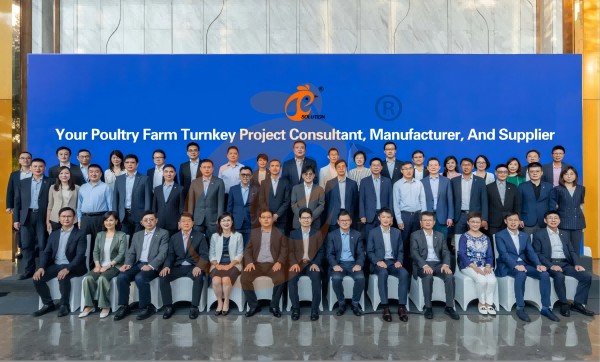
Hong Kong Headquarter Management Team
Hong Kong Headquarter Taiyu Industrial Group CO., LTD
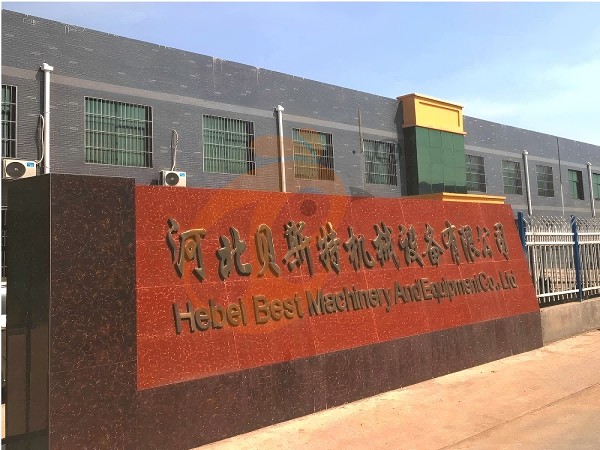
China Hebei Best Machinery And Equipment CO., LTD
Nigeria Vanke Machinery And Equipment CO., LTD
Tanzania Best Machinery And Equipment CO., LTD
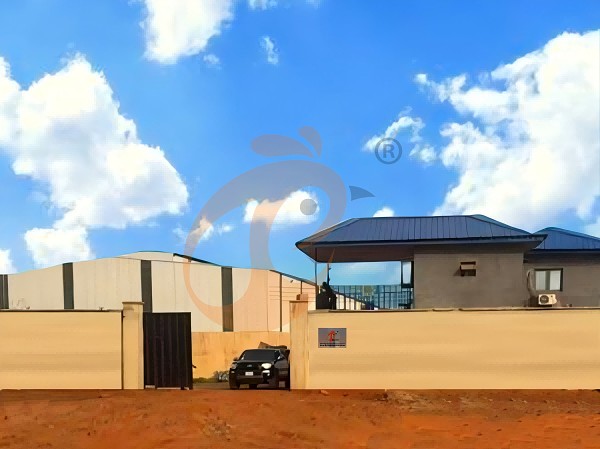
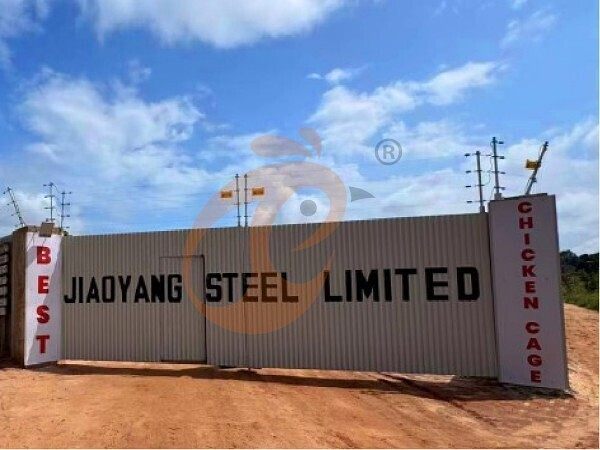
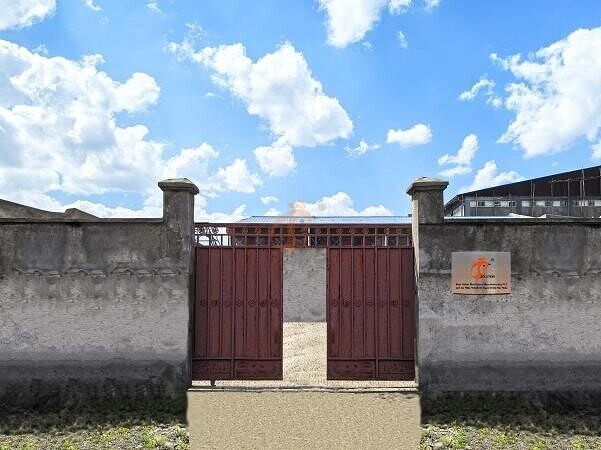
Ethiopia Best Hebei Machinery Manufacturing PLC
Reception /24 WhatsApp NO. : +8618830120193
PRODUCTS RECOMMENDED
 China Branch Manufacture Poultry Farm EquipmentRead More
 Ethiopia Branch Manufacture Poultry Farm EquipmentRead More
 Nigeria Branch Manufacture Poultry Farm EquipmentRead More
 Tanzania Branch Manufacture Poultry Farm EquipmentRead More
 IoT Smart Poultry FarmRead More
 >30,000 Layers Automatic H Type Battery CageRead More
 10,000 - 30,000 Layers Automatic A Type Battery CageRead More
MESSAGE
NEWS
 What Makes A Factory-Direct A Type Chicken Battery Cage More Cost-Effective? 4 ReasonsRead More
 Deep Litter System For Broilers Vs Cage | Which Is More Profitable?Read More
 Free Range Broiler System Vs Intensive Farming | Which Is More Profitable?Read More
 Broiler Floor Rearing System Cost | 6 Factors Affecting PriceRead More