

BLOG
Chicken cages selection directly affects productivity, costs, and long-term poultry profitability in Ethiopia.
Ethiopia poultry farming investment decisions depend on climate, land size, electricity access, and egg market demand.
Different regions such as Addis Ababa and Oromia require specific structural and material considerations.
Proper capacity planning ensures sustainable expansion without operational strain.
Accurate cost calculation in Ethiopian Birr helps control financial risks and improve return stability.
Get professional poultry farm construction guidance, equipment selection solutions, and the latest price lists, whatsApp to +8618830120193, click to learn more:

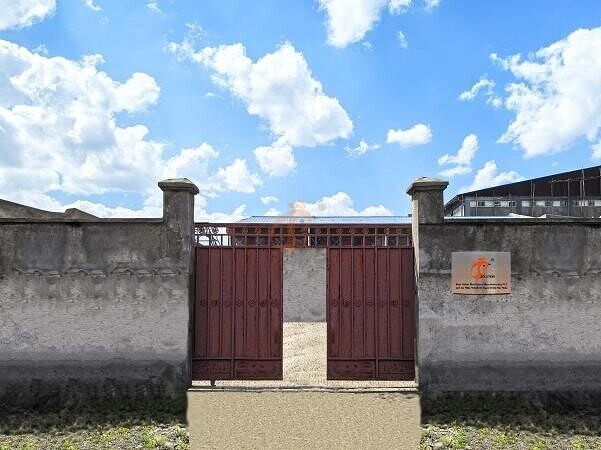
Ethiopia Branch Office And Factory Of Poultry Farm Equipment
Understand Your Production Goal (Layers Vs Broilers)
Before selecting cage types, define your production focus.
Main Production Directions In Ethiopia
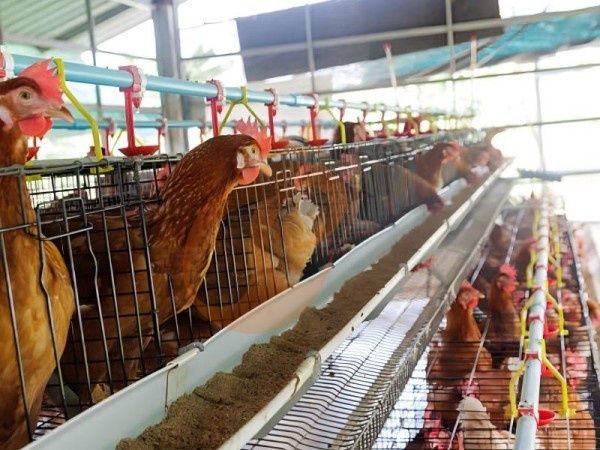
Layer farming dominates urban egg markets, particularly around Addis Ababa.
Broiler farming is expanding due to demand from hotels, supermarkets, and butcher shops.
Layer cages and broiler cages differ in structure, stocking density, and management design.
Data is for reference only.Swipe horizontally to view full table.
Regional Market Influence
Bahir Dar and Hawassa have improving egg distribution networks.
Urban retail chains require stable daily supply volumes.
Production type selection directly influences cage structure choice.
Evaluate Ethiopia's Climate And Housing Conditions
Ethiopia has diverse climate zones, from highlands to warmer low-altitude areas.
Temperature and humidity influence ventilation design and steel coating thickness.
Climate Impact Factors
Altitude affects oxygen density and bird performance.
Temperature range influences ventilation capacity per bird.
Rainfall levels determine anti-corrosion coating thickness.
Data is for reference only.Swipe horizontally to view full table.
Structural Material Requirements
Zinc coating above 275 g/m² extends service life beyond 15 years.
Mechanical ventilation must match airflow standards per bird.
Roof insulation reduces heat stress in Adama and Hawassa.
Select Cage Configuration (A-Type Vs H-Type)
In Ethiopia, A-type and H-type are the main configurations used in poultry projects.
A-Type Cage Characteristics
Triangular frame structure.
Suitable for 500–5000 birds.
Compatible with manual or semi-automatic systems.
Requires moderate house width.
H-Type Cage Characteristics
Vertical stacked frame.
Suitable for 5000–50000 birds.
Compatible with automatic feeding, egg belt, and manure belt.
Maximizes building space utilization.
Data is for reference only.Swipe horizontally to view full table.
All currency values are in Ethiopian Birr.
European union standards for structural steel reference only.
Application In Ethiopian Regions
Rural Oromia farms often adopt A-type structures.
Large suppliers near Addis Ababa select H-type systems for scalable expansion.
Determine Capacity And Farm Size
Capacity planning must align with land size, feed storage, and long-term development strategy.
Planning Considerations
Land availability near urban centers.
Future automation upgrade space.
Feed warehouse and biosecurity buffer zones.
Data is for reference only.Swipe horizontally to view full table.
Land Utilization Comparison
H-type systems reduce land occupation per 10000 birds by 30–40 percent.
Vertical stacking improves return per square meter.
Building height must accommodate tier quantity and ventilation ducts.
Consider Automation Level And Labor Costs
Automation choice depends on labor structure, electricity supply, and production scale.
Manual System Features
Lower power consumption.
Higher labor requirement.
Suitable for small family-managed farms.
Automatic System Features
Chain feeding and egg belt integration.
Reduced labor per 10000 birds.
Requires stable electricity supply and backup generator.
Data is for reference only.Swipe horizontally to view full table.
Generator backup capacity of 10–20 kw is recommended for farms above 10000 birds.
Analyze Total Cost And Return On Investment
Investment planning must include equipment cost, logistics, installation, and working capital.
Cost Components
Cage structure purchase.
Transportation from Djibouti Port.
Installation and commissioning.
Feed and pullet procurement.
Data is for reference only.Swipe horizontally to view full table.
All values in Ethiopian Birr.
European union machinery standards reference only.
Revenue Structure Example (5000 Layers)
Data is for reference only.Swipe horizontally to view full table.
All financial figures in Ethiopian Birr.
European union feed efficiency benchmarks reference only.
Biosecurity And Government Regulations
Structured poultry housing reduces disease transmission risk.
Biosecurity Measures
Controlled visitor entry.
Manure separation through belt systems.
Disinfection zones at house entrance.
Enclosed housing near Bahir Dar and Hawassa helps manage seasonal rainfall exposure.
Transportation And Import Logistics
Logistics Chain
Steel structures shipped via Djibouti Port.
Transported to Addis Ababa distribution centers.
Delivered to regional farms by truck.
Transport distance directly influences total Ethiopian Birr investment.
Spare parts availability and technical installation teams should be confirmed before purchase.
Financing Options In Ethiopia
Financial Planning Factors
Agricultural loan eligibility.
Repayment schedule aligned with 72–80 week production cycle.
Cash flow coverage during pullet growing phase.
Loan structure must match projected egg revenue timeline.
Practical Decision Flow
Step Sequence
Define production purpose.
Assess regional climate conditions.
Select A-type or H-type configuration.
Plan capacity and land layout.
Determine automation level.
Calculate total Ethiopian Birr investment and revenue return.
Each step connects logically and supports sustainable poultry development.
Frequently Asked Questions
Q1: What is the suitable cage type for 5000 layers in Ethiopia?
A1: A-type 4-tier systems require 60 m house length and 9 m width, while H-type 4-tier systems reduce land occupation and labor per 10000 birds.
Q2: How much capital is required to start 10000 birds?
A2: H-type 4-tier structures require approximately 11000000–14000000 Ethiopian Birr for cage equipment only, European union benchmark reference only.
Q3: Which system gives better long-term expansion potential?
A3: H-type systems support automatic egg belt and manure belt upgrades without replacing structural frames.
Ethiopia Best Hebei Machinery Manufacturing Plc - One Of Ethiopia Largest Chicken Cages Manufacturer
Global factory direct supply with annual output exceeding 500000 bird spaces.
Complete poultry farm equipment integration including feeding, drinking, ventilation, and manure systems.
Durable poultry cage structures with zinc coating above 275 g/m² and 15–20 years design life.
Professional Turnkey engineering including layout design, installation, and commissioning support.
Exported to over 30 countries with capacity solutions ranging from 1000 to 50000 birds per house.
Contact Us To Received Your Customized Poultry Farm Plan
Headquarters And Branchs

Hong Kong Headquarter Management Team
Hong Kong Headquarter Taiyu Industrial Group CO., LTD
China Hebei Best Machinery And Equipment CO., LTD
Nigeria Vanke Machinery And Equipment CO., LTD
Tanzania Best Machinery And Equipment CO., LTD
Ethiopia Best Hebei Machinery Manufacturing PLC
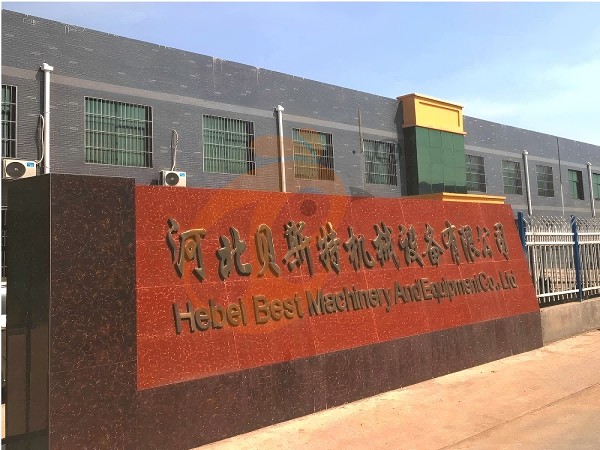
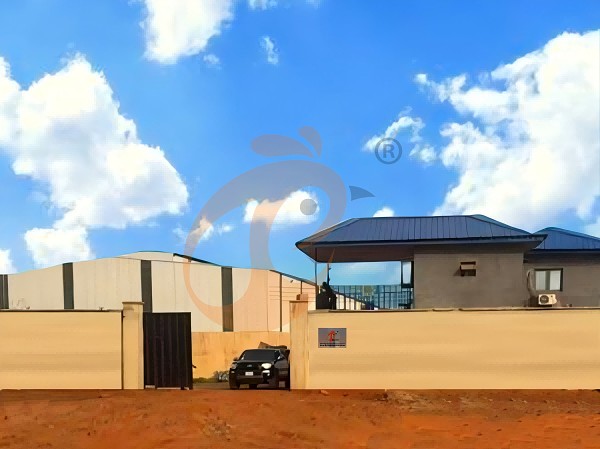
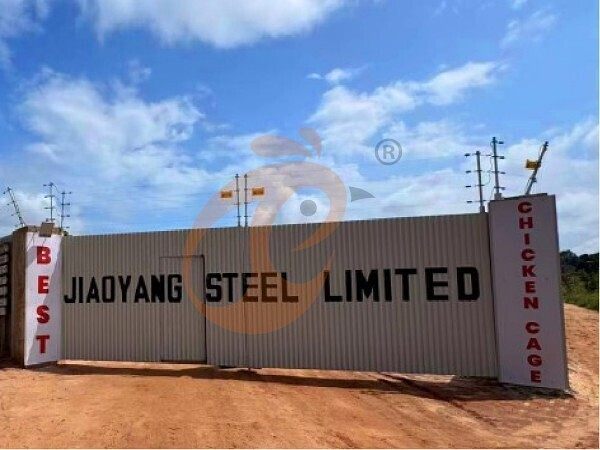
Reception /24 WhatsApp NO. : +8618830120193
PRODUCTS RECOMMENDED
 China Branch Manufacture Poultry Farm EquipmentRead More
 Ethiopia Branch Manufacture Poultry Farm EquipmentRead More
 Nigeria Branch Manufacture Poultry Farm EquipmentRead More
 Tanzania Branch Manufacture Poultry Farm EquipmentRead More
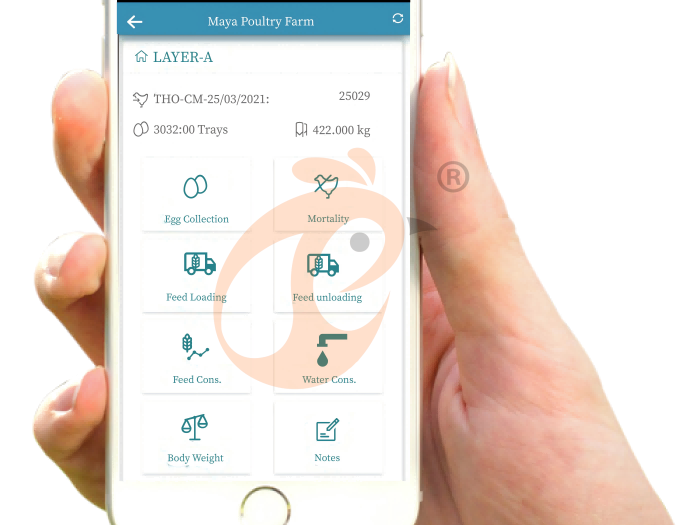
 IoT Smart Poultry FarmRead More
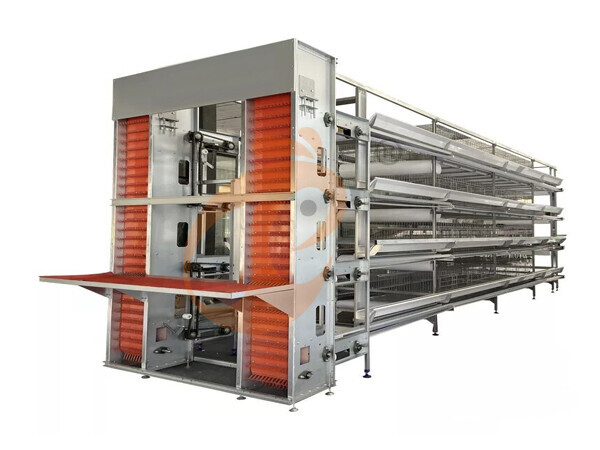
 >30,000 Layers Automatic H Type Battery CageRead More
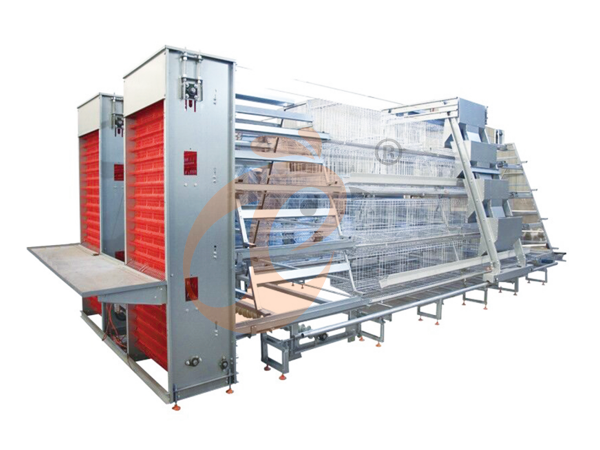
 10,000 - 30,000 Layers Automatic A Type Battery CageRead More
MESSAGE
NEWS
 What Makes A Factory-Direct A Type Chicken Battery Cage More Cost-Effective? 4 ReasonsRead More
 Deep Litter System For Broilers Vs Cage | Which Is More Profitable?Read More
 Free Range Broiler System Vs Intensive Farming | Which Is More Profitable?Read More
 Broiler Floor Rearing System Cost | 6 Factors Affecting PriceRead More