

BLOG
Layer farming equipment covers incubators brooding systems cages feeding systems drinking systems egg collection systems and environmental control systems for industrial poultry production efficiency
Commercial poultry equipment improves egg output through controlled temperature humidity feeding and automated management systems across large scale farms
Modern layer farming systems integrate mechanical and digital equipment to reduce labor cost and increase production stability in egg farming operations
This article compares major poultry farming equipment types and answers common equipment selection questions based on performance cost and efficiency metrics
Get professional poultry farm construction guidance, equipment selection solutions, and the latest price lists, whatsApp to +8618830120193, click to learn more:
Layer Farming Systems And Poultry Equipment Demand
Layer farming is a structured egg production system where performance is determined primarily by equipment selection rather than manual husbandry alone.
Modern poultry farms operate as integrated engineering environments, where incubators, cages, feeding lines, drinking systems, and environmental controllers collectively determine production output.
Unlike traditional free-range poultry keeping, commercial layer farming depends on standardized equipment performance metrics such as stocking density, energy consumption, mortality rate, feed conversion ratio (kg feed/dozen eggs), and egg breakage rate.
These measurable indicators allow direct comparison between different equipment types and brands.
Global poultry equipment demand continues to increase due to industrial egg production expansion, especially in high-density farms requiring automated layer farming equipment systems.
Capacity And Hatch Performance
Incubation systems define the foundation of flock expansion.
Hatchability rates are strongly dependent on temperature precision, humidity stability, and egg-turning frequency.
Data is for reference only. Swipe horizontally to view full table.
Fully automatic incubators dominate commercial hatcheries due to stable microclimate control and higher hatch consistency per cycle.
Poultry farming equipment incubator systems significantly improve egg hatch productivity in industrial farms.
Brooding Systems And Chick Survival Efficiency
Brooding equipment determines chick survival rates during the first 14–21 days of life.
Temperature uniformity and energy consumption are key selection variables.
Data is for reference only. Swipe horizontally to view full table.
Infrared systems are widely adopted in commercial poultry farms due to uniform heat distribution and lower mortality rates during early brooding stages.
Stocking Density And Production Output
Cage design directly influences egg production efficiency, mortality rate, and manure management cost.
Data is for reference only. Swipe horizontally to view full table.
Battery cages remain widely used in industrial poultry cage systems due to high space utilization and stable egg output.
Feed Conversion Efficiency Optimization
Feeding systems represent one of the highest cost centers in layer farming.
Even small inefficiencies significantly affect profitability.
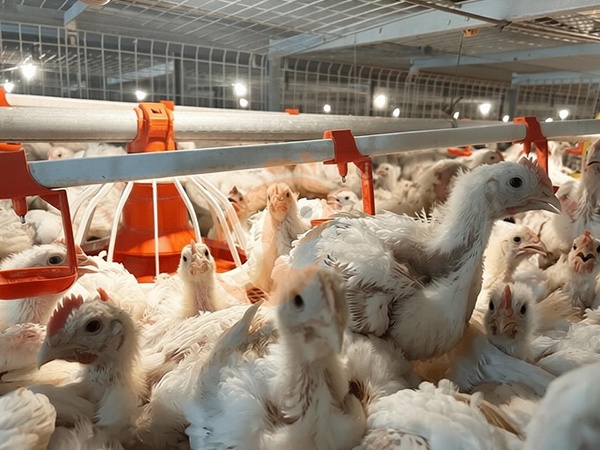
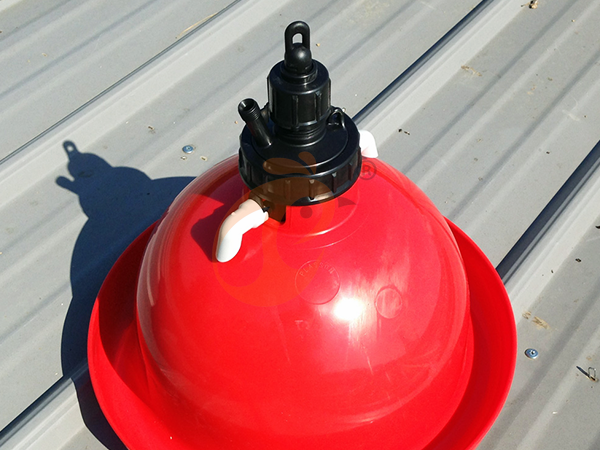
Poultry equipment feeding systems are critical for feed cost control.
Data is for reference only. Swipe horizontally to view full table.
Pan feeding systems provide optimized feed utilization and reduce feed loss significantly in large poultry farms.
Water Delivery Precision Control
Water systems influence digestion efficiency, egg production rate, and disease transmission risk.
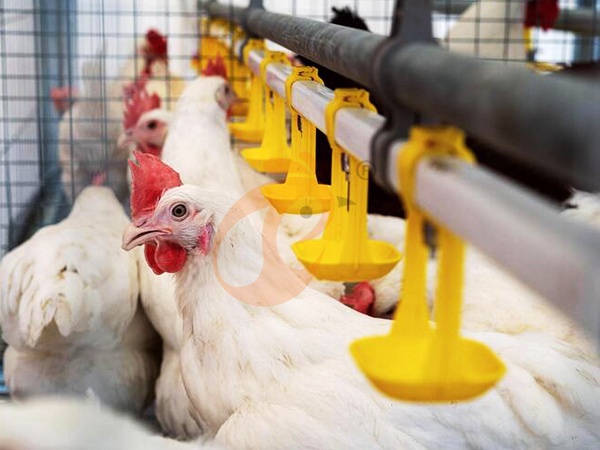
Poultry equipment drinking systems improve flock health stability.
Data is for reference only. Swipe horizontally to view full table.
Nipple drinkers are widely used in commercial poultry farms due to reduced bacterial contamination and stable hydration control.
Egg Collection Systems
Egg collection systems reduce breakage and labor intensity while improving product uniformity.
Layer farming equipment automation increases operational stability.
Data is for reference only. Swipe horizontally to view full table.
Automated systems reduce mechanical damage and improve egg handling consistency in poultry production lines.
Environmental Control Systems
Environmental systems regulate temperature, humidity, airflow, and ammonia concentration.
Poultry farming equipment environmental systems ensure stable production conditions.
Data is for reference only. Swipe horizontally to view full table.
Automated systems stabilize production cycles through precise environmental regulation.
Scientific Explanation Of Poultry Equipment Function
Egg production efficiency depends on physiological optimization of hens under controlled conditions.
Key biological mechanisms include calcium metabolism efficiency for eggshell formation, thermoneutral zone maintenance for metabolic stability, light cycle regulation affecting reproductive hormones, and nutrient absorption rate in the digestive system.
Poultry farming equipment directly controls these biological variables through engineered environments.
Operational Recommendation Guidelines
Select incubator systems with temperature deviation below ±0.5°C.
Maintain brooding temperature between 30–36°C for first 14 days.
Use cage density near 14 birds per m² in enriched systems.
Install pan feeding systems for farms above 5,000 birds capacity.
Apply nipple drinking systems for disease control improvement.
Automate egg collection when daily output exceeds 8,000 eggs.
Deploy environmental control systems for high-density poultry farming equipment setups.
Google User Questions And Industrial Procurement Analysis
Common poultry farming equipment purchase questions include system pricing per 1,000 birds, incubator hatch efficiency comparison, cage system productivity differences, drinking system bird capacity ratio, feed waste reduction methods, and automation investment evaluation.
Market demand strongly focuses on measurable production efficiency and cost per egg output rather than conceptual design differences.
Frequently Asked Questions
Q1: What is the most efficient incubator system for commercial hatcheries?
A1: Fully automatic incubators achieve hatch rates around 92 percent with temperature control accuracy of ±0.2°C and capacity up to 500 eggs per batch.
Q2: Which feeding system provides the lowest feed wastage in poultry farms?
A2: Pan feeding systems reduce feed wastage to approximately 3.2 percent and improve feed conversion ratio to 1.62 kg feed per dozen eggs.
Q3: What cage system provides optimal balance between cost and egg output?
A3: Enriched cage systems produce about 305 eggs per hen per year with mortality rate around 5.2 percent and setup cost approximately 3,600 USD per 1,000 birds.
Taiyu (HK) Group - One Of China Biggest Poultry Farming Equipment Manufacturer
Layer farming equipment incubator system designed for industrial hatcheries with stable temperature and humidity control engineering precision.
Global factory direct sales poultry equipment supply covering cage systems feeding lines drinking systems and automation control units.
Professional poultry cage manufacturing for battery cage enriched cage and large scale commercial egg production facilities worldwide.
Turn-key poultry engineering projects including farm design installation automation integration and full production line commissioning support.
Export oriented poultry equipment manufacturing delivering incubators cages feeders drinkers and environmental control systems to global markets.
Contact Us To Received Your Customized Poultry Farm Plan
Headquarters And Branchs

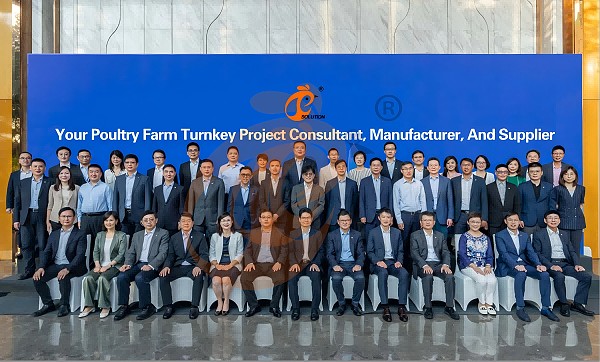
Hong Kong Headquarter Management Team
Hong Kong Headquarter Taiyu Industrial Group CO., LTD
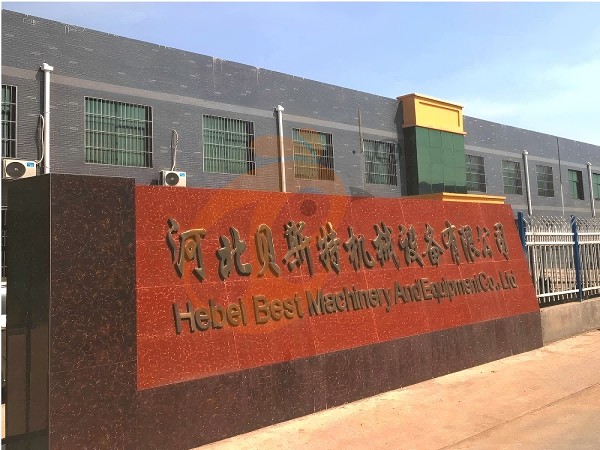
China Hebei Best Machinery And Equipment CO., LTD
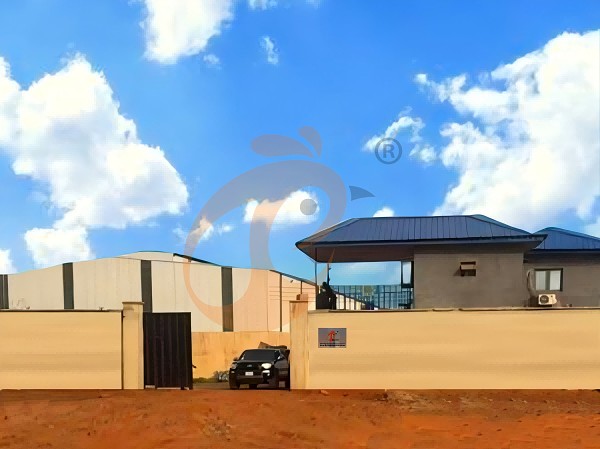
Nigeria Vanke Machinery And Equipment CO., LTD
Tanzania Best Machinery And Equipment CO., LTD
Ethiopia Best Hebei Machinery Manufacturing PLC


Reception /24 WhatsApp NO. : +8618830120193
PRODUCTS RECOMMENDED
 China Branch Manufacture Poultry Farm EquipmentRead More
 Ethiopia Branch Manufacture Poultry Farm EquipmentRead More
 Nigeria Branch Manufacture Poultry Farm EquipmentRead More
 Tanzania Branch Manufacture Poultry Farm EquipmentRead More
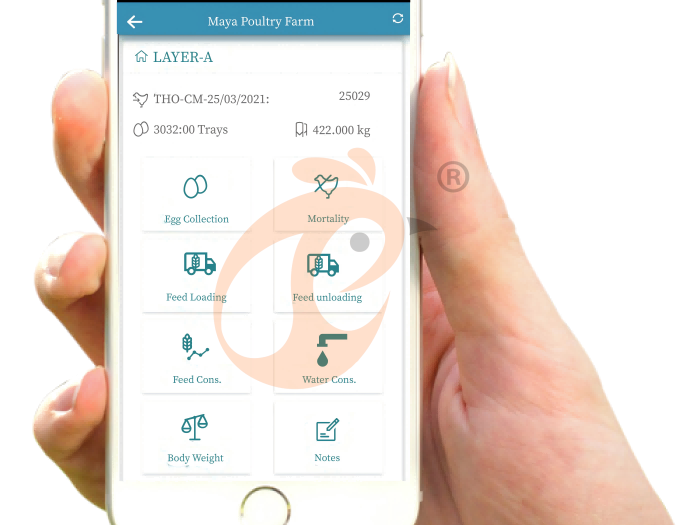
 IoT Smart Poultry FarmRead More
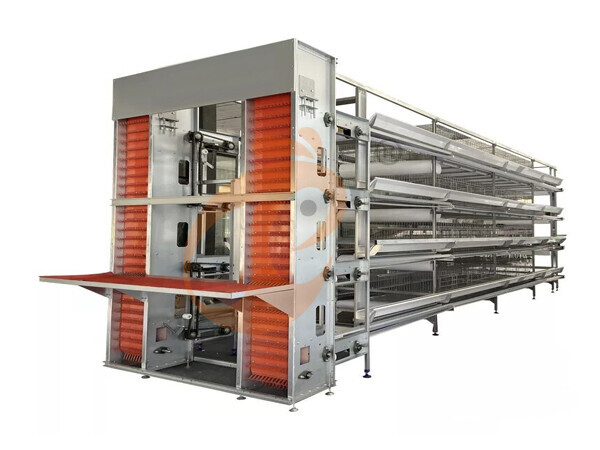
 >30,000 Layers Automatic H Type Battery CageRead More
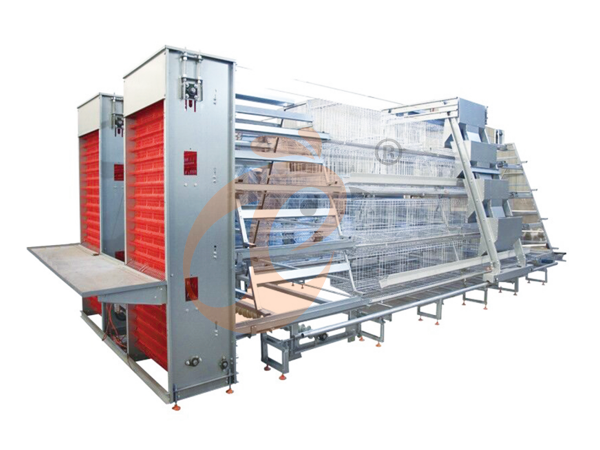
 10,000 - 30,000 Layers Automatic A Type Battery CageRead More
MESSAGE