

BLOG
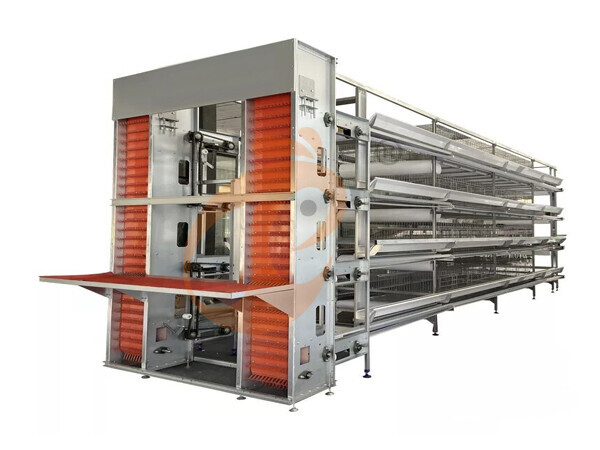
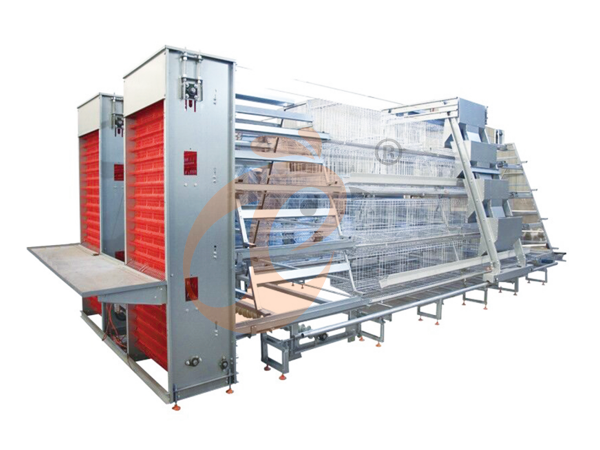
A type battery cage system supports commercial layer poultry production with structured cage housing design.
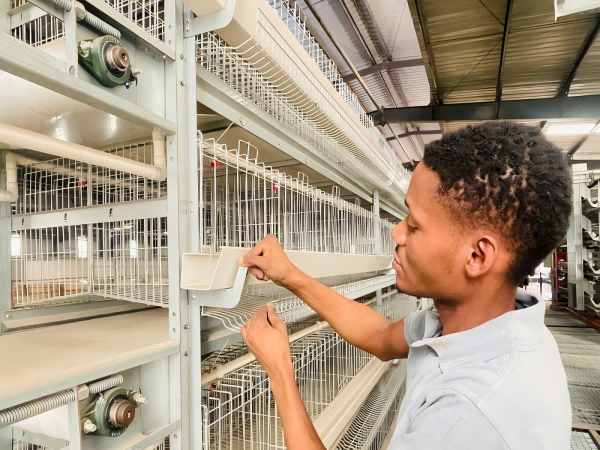
System integrates feeding line, watering line, and egg collection structure for organized farm operation.
Cage frame uses A shaped steel construction for multi tier installation efficiency.
Equipment supports controlled stocking density for laying hens in poultry houses.
Product scope covers small to medium scale poultry farm infrastructure planning and expansion.
Get professional poultry farm construction guidance, equipment selection solutions, and the latest price lists, whatsApp to +8618830120193, click to learn more:
A Type Battery Cage System Market Overview
The A type battery cage system is a core infrastructure product in commercial layer poultry farming.
It is engineered to confine laying hens in structured cage units arranged along an inclined A-shaped steel frame.
The design supports intensive egg production by organizing birds into defined spatial modules while integrating feeding, watering, and egg collection functions.
For buyers evaluating poultry equipment, this system represents a baseline configuration for controlled egg production with measurable outputs and standardized farm management processes.
Poultry cage system demand continues to increase due to layer farm expansion and automation upgrades.
Product Definition And Functional Scope
An A type battery cage system is a multi-tier poultry housing equipment set designed for egg-laying hens.
Each cage unit operates as an independent production module within a larger frame system.
The system is primarily selected for structured production environments requiring predictable output control.
Poultry equipment configuration supports standardized flock management.
A Type Structural Design Configuration
The A-shaped frame is the defining engineering feature.
It distributes load symmetrically and supports cage tiers on both sides.
A type cage system tier structure is corrected as 3–5 layers based on production models A1, A2, A3.
Data is for reference only.Swipe horizontally to view full table.
This configuration allows efficient use of vertical and horizontal space in poultry houses.
Layer cage system structure ensures stable production layout.
Cage Unit Dimensions And Stocking Structure
Each cage unit is standardized to maintain uniform bird density across production cycles.
Data is for reference only.Swipe horizontally to view full table.
This modular design ensures consistent bird allocation per production unit.
Battery cage system structure supports scalable poultry expansion.
Feeding System Technical Layout Poultry Equipment
The feeding system is installed along the front side of each cage row, allowing simultaneous access for multiple birds.
Data is for reference only.Swipe horizontally to view full table.
This system ensures controlled feed distribution across the entire flock.
Poultry equipment feeding line supports uniform nutrition delivery.
Drinking System Engineering Specifications
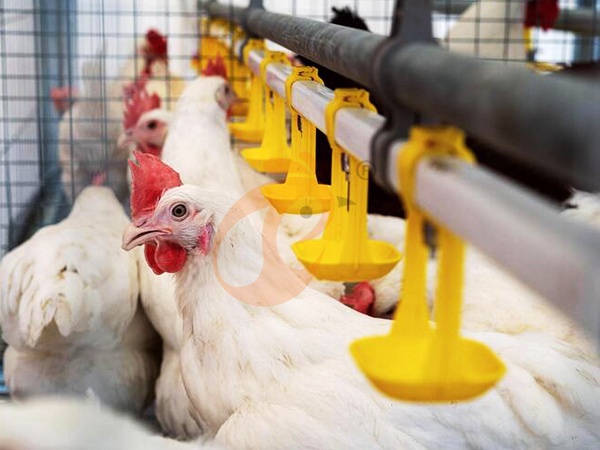
Water delivery is achieved through nipple drinkers installed inside each cage compartment.
Data is for reference only.Swipe horizontally to view full table.
This configuration maintains stable hydration across all cage levels.
Poultry cage water line ensures hygiene control.
Egg Collection System
Egg production efficiency depends heavily on slope design and collection system layout.
Data is for reference only.Swipe horizontally to view full table.
Eggs are automatically guided to a collection channel to reduce manual handling.
Egg collection system improves farm efficiency.
Manure Removal System
Manure management is integrated into the lower structure of the cage system.
Data is for reference only.Swipe horizontally to view full table.
This reduces ammonia accumulation in poultry houses.
Poultry waste management system supports hygiene stability.
Material Specification Standards
Material quality determines durability and corrosion resistance in long-term poultry operations.
Data is for reference only.Swipe horizontally to view full table.
These specifications ensure structural stability under continuous load.
Environmental Control Parameters
A controlled environment is essential for egg production consistency.
Data is for reference only.Swipe horizontally to view full table.
These conditions support stable laying performance.
Automation Integration Modules
A type systems support modular automation upgrades depending on farm investment capacity.
Data is for reference only.Swipe horizontally to view full table.
These modules improve production consistency.
Poultry cage automation system supports modern farm integration.
Production Performance Metrics
Operational efficiency is measured through standardized biological and mechanical indicators.
Data is for reference only.Swipe horizontally to view full table.
These values are used for farm profitability calculations.
Layer cage production system supports output tracking.
System Layout Comparison In Farm Planning
H type system tiers corrected based on engineering data from H1–H4 models.
Data is for reference only.Swipe horizontally to view full table.
This comparison helps determine spatial planning requirements.
Key Functional Advantages Of Poultry Cage System
Modular cage configuration enables scalable expansion across poultry farm projects.
Integrated feeding watering egg collection workflow supports continuous production flow.
Standardized bird density per cage unit ensures stable flock management structure.
Reduced manual handling of eggs improves operational efficiency in commercial farms.
Compatible with semi-automation upgrades for modern poultry production systems.
Poultry Equipment System Investment
Data is for reference only.Swipe horizontally to view full table.
Investment structure reflects equipment-driven cost composition.
All monetary values are referenced in USD, European union standard reference only.
Maintenance Schedule For Layer Cage System Operation
Data is for reference only.Swipe horizontally to view full table.
Maintenance frequency directly affects system longevity.
Layer Cage System Design Insight
The A type battery cage system operates on controlled density farming principles.
Feed energy conversion is directed toward egg production due to restricted movement within cage units.
Poultry science research indicates that uniform access to feed and water directly stabilizes laying rate between 85 percent and 95 percent under controlled housing conditions.
Environmental stability and consistent resource delivery per cage unit remain critical design principles in layer production engineering.
Frequently Asked Questions
Q1: What is the main capacity range of A type battery cage system?
Standard installation supports 500 to 10,000 laying hens depending on cage tiers and house length configuration.
Each cage unit holds 4 hens with modular expansion design.
Q2: What is typical egg production output per hen in this system?
Annual production ranges between 280 and 320 eggs per hen under controlled feeding, ventilation, and lighting conditions.
Q3: What is average system lifespan for poultry cage equipment?
Galvanized steel structure supports 10 to 15 years operational lifespan depending on corrosion control and maintenance frequency.
Taiyu (HK) Group - One Of China Biggest Battery Cage System Manufacturer
A type battery cage system provides structured poultry housing equipment for commercial layer egg production farms.
Global factory direct supply ensures standardized poultry cage manufacturing with stable quality control system.
Poultry equipment production line integrates feeding system drinking system and egg collection system for industrial farms.
Turnkey poultry cage engineering solutions include farm layout design installation and production planning service.
Industrial manufacturing supports large scale poultry farming investment projects with consistent equipment supply capability.
Contact Us To Received Your Customized Poultry Farm Plan
Headquarters And Branchs

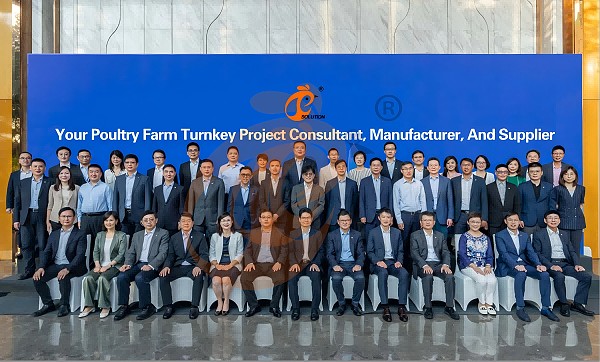
Hong Kong Headquarter Management Team
Hong Kong Headquarter Taiyu Industrial Group CO., LTD
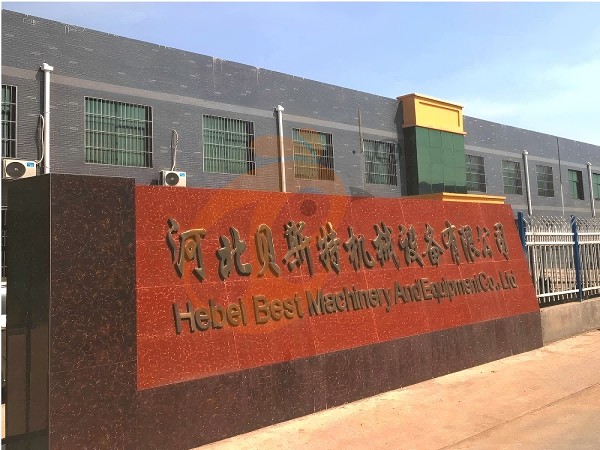
China Hebei Best Machinery And Equipment CO., LTD
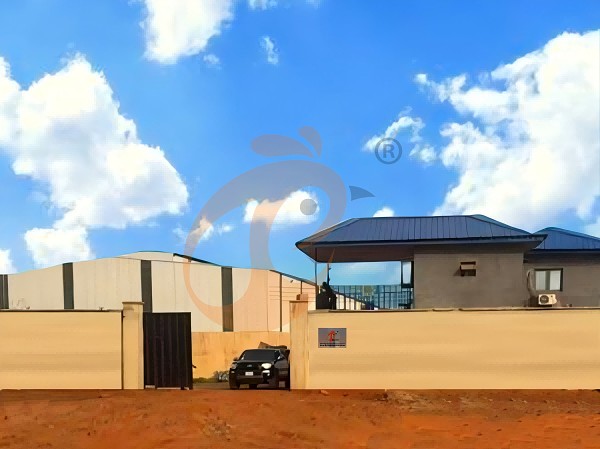
Nigeria Vanke Machinery And Equipment CO., LTD
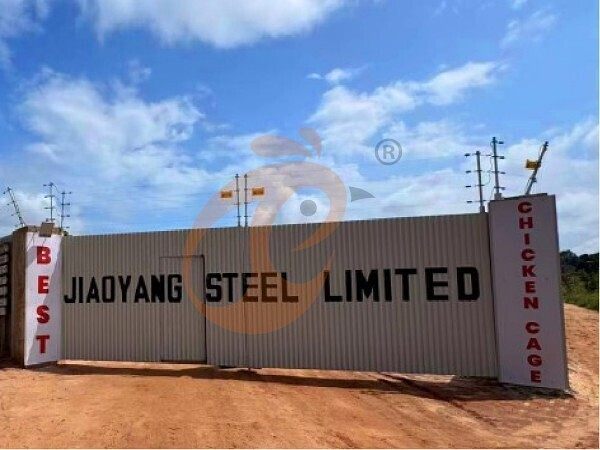
Tanzania Best Machinery And Equipment CO., LTD
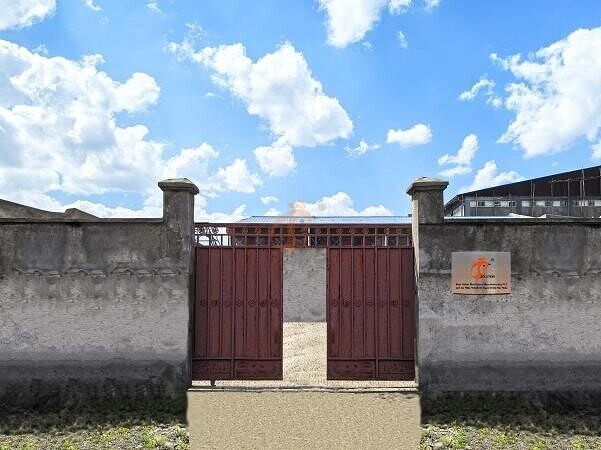
Ethiopia Best Hebei Machinery Manufacturing PLC
Reception /24 WhatsApp NO. : +8618830120193
PRODUCTS RECOMMENDED
 China Branch Manufacture Poultry Farm EquipmentRead More
 Ethiopia Branch Manufacture Poultry Farm EquipmentRead More
 Nigeria Branch Manufacture Poultry Farm EquipmentRead More
 Tanzania Branch Manufacture Poultry Farm EquipmentRead More
 IoT Smart Poultry FarmRead More
 >30,000 Layers Automatic H Type Battery CageRead More
 10,000 - 30,000 Layers Automatic A Type Battery CageRead More
MESSAGE