

BLOG
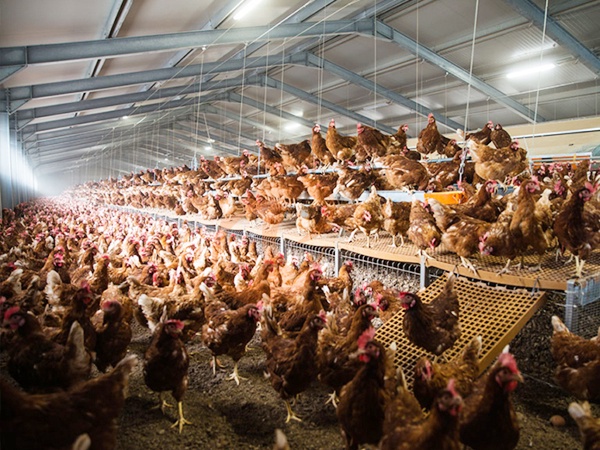
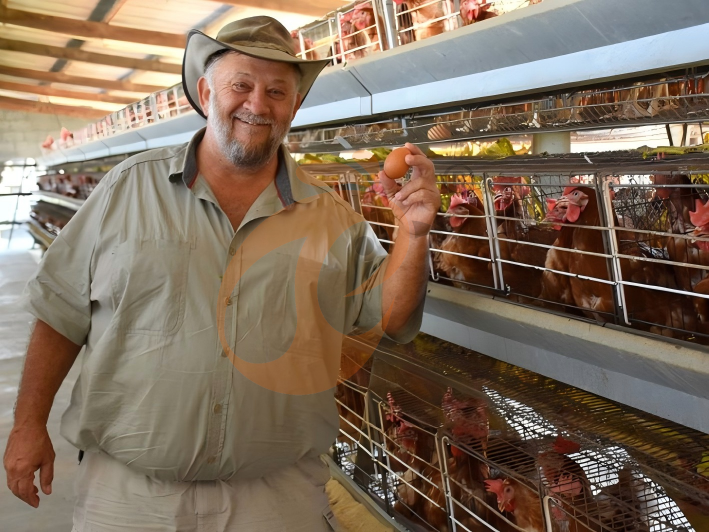
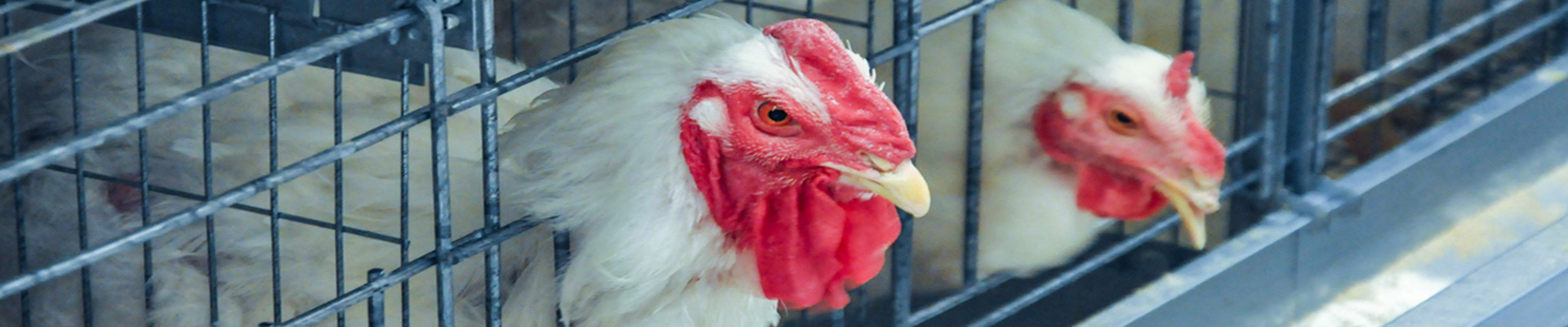
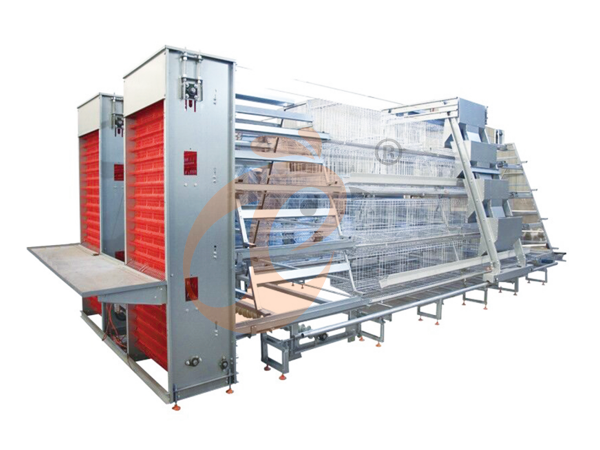
Layer chicken cage ventilation system integrates airflow mechanics, pressure control, and thermal regulation inside high-density poultry housing.
Poultry house ventilation design determines gas exchange efficiency, ammonia dilution rate, and vertical air uniformity across multi-tier cage structures.
Automatic layer poultry ventilation control stabilizes temperature gradients, reduces respiratory load, and maintains metabolic energy allocation for egg production.
Engineering configuration governs static pressure balance, inlet velocity distribution, and evaporative heat exchange efficiency under commercial stocking density conditions.
System optimization enhances feed conversion ratio stability, reduces mortality risk, and ensures long-cycle production consistency across industrial laying farms.
Get professional poultry farm construction guidance, equipment selection solutions, and the latest price lists, whatsApp to +8618830120193, click to learn more:
Thermodynamic Principles Of Poultry Microclimate Control
Modern layer chicken cage ventilation system design is governed by heat transfer, fluid dynamics, and gas concentration equilibrium.
Internal cage environments accumulate ammonia, moisture, and carbon dioxide through continuous metabolic output from dense flocks.
Without controlled poultry house ventilation design, localized microclimates form in vertical cage layers, leading to uneven physiological stress distribution.
Airflow must maintain directional stability to prevent stagnation zones and ensure oxygen renewal across all cage tiers.
Tip Establishing Stable Pressure And Airflow Foundations
Effective automatic layer poultry ventilation control begins with precise static pressure calibration inside enclosed housing systems.
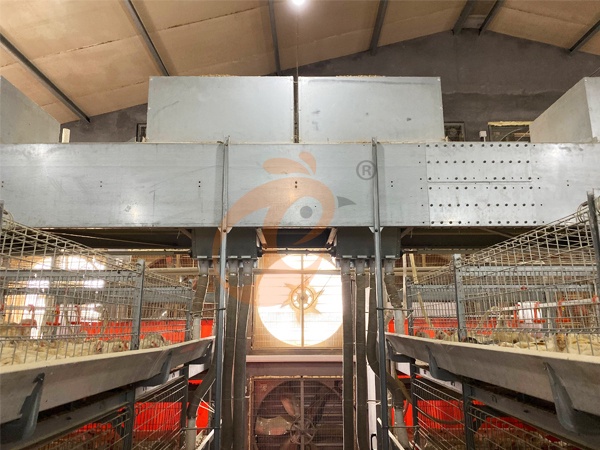
Negative pressure ensures air enters through designed inlets before being extracted by exhaust fans, forming directional flow pathways.
Excess pressure causes draft stress and respiratory irritation, while insufficient pressure leads to stagnant gas accumulation.
Data is for reference only.Swipe horizontally to view full table.
Seasonal modulation adjusts airflow speed to match thermal load variations.
Winter airflow prioritizes gas removal and moisture control at low velocity.
Summer conditions require high-speed airflow to support evaporative cooling across bird bodies.
Vertical Airflow Stratification Management
Poultry house ventilation design must address vertical imbalance caused by buoyancy-driven warm air rise.
Upper cage tiers typically experience higher temperature accumulation compared to lower tiers.
Without corrective airflow guidance, ammonia concentration gradients form between structural levels.
Data is for reference only.Swipe horizontally to view full table.
Localized dead-air pockets increase pathogen risk and reduce egg quality consistency.
Evaporative Cooling And Heat Stress Regulation
Layer chicken cage ventilation system efficiency declines significantly above 32°C ambient temperature.
Evaporative cooling pads reduce incoming air temperature through latent heat absorption processes.
Pad surface velocity must match exhaust fan capacity to maintain pressure stability.
Data is for reference only.Swipe horizontally to view full table.
Excess humidity accumulation must be avoided to prevent structural corrosion and microbial proliferation.
Manure Belt Airflow Integration Strategy
Automatic layer poultry ventilation control includes synchronized manure belt drying systems beneath cage tiers.
Manure decomposition releases ammonia, methane, and hydrogen sulfide when moisture retention remains high.
Direct airflow application accelerates drying and reduces biochemical gas formation rates.
Data is for reference only.Swipe horizontally to view full table.
Rapid drying stabilizes environmental hygiene and improves worker safety conditions.
Regional Adaptation Engineering Framework
Layer chicken cage ventilation system must adapt to climate diversity across global poultry production zones.
Humid regions require increased air velocity due to reduced evaporative efficiency.
High-altitude regions require enhanced fan capacity due to reduced air density.
Data is for reference only.Swipe horizontally to view full table.
Environmental adaptation ensures long-term production stability under variable climate stress.
Sensor Placement And Control Intelligence
Automatic layer poultry ventilation control depends on accurate sensor positioning across structural zones.
Incorrect placement near inlets or exhaust points causes distorted environmental readings.
Distributed sensing ensures real-time feedback for temperature, ammonia, and pressure correction.
Data is for reference only.Swipe horizontally to view full table.
Sensor integration strengthens stability of poultry house ventilation design architecture.
Energy Consumption And Ventilation Efficiency Optimization
Energy optimization in layer chicken cage ventilation system depends on coordinated airflow resistance management and fan load balancing.
Excessive pressure loss increases motor strain, while unstable inlet ratios reduce oxygen renewal efficiency across multi-tier cage structures.
Modern poultry housing systems require continuous calibration of airflow efficiency to maintain stable production economics and thermal safety thresholds.
Data is for reference only.Swipe horizontally to view full table.
Balanced system configuration reduces mechanical wear and stabilizes long-term automatic layer poultry ventilation control performance.
Frequently Asked Questions
Q1: How does ventilation influence egg production consistency?
A1: Stable airflow regulates temperature balance and oxygen availability.
Proper ventilation reduces metabolic stress, maintaining steady egg formation and shell quality across production cycles in layer chicken cage ventilation system environments.
Q2: Why is ammonia control critical in cage housing systems?
A2: Ammonia accumulation damages respiratory tissues and reduces feed intake efficiency.
Effective automatic layer poultry ventilation control lowers gas concentration and improves flock immunity and long-term production stability.
Q3: What is the most important factor in ventilation design?
A3: Balanced static pressure and uniform airflow distribution determine system success.
Poultry house ventilation design must ensure consistent vertical airflow to prevent microclimate imbalance and productivity loss.
Taiyu (HK) Group - One Of China Biggest Poultry Ventilation Equipment Manufacturer
Layer chicken cage ventilation system product includes cage integrated airflow and pressure control units for industrial farms.
Global factory direct supply supports poultry equipment and ventilation system manufacturing scale production efficiency.
Poultry cage and turn-key engineering solutions ensure complete farm design and installation integration service.
Automatic climate control systems improve ventilation stability and reduce energy consumption across commercial poultry houses.
International export service delivers standardized equipment quality for high-density poultry production environments.
Contact Us To Received Your Customized Poultry Farm Plan
Headquarters And Branchs

Hong Kong Headquarter Management Team
Hong Kong Headquarter Taiyu Industrial Group CO., LTD
China Hebei Best Machinery And Equipment CO., LTD
Nigeria Vanke Machinery And Equipment CO., LTD
Tanzania Best Machinery And Equipment CO., LTD
Ethiopia Best Hebei Machinery Manufacturing PLC




Reception /24 WhatsApp NO. : +8618830120193
PRODUCTS RECOMMENDED
 China Branch Manufacture Poultry Farm EquipmentRead More
 Ethiopia Branch Manufacture Poultry Farm EquipmentRead More
 Nigeria Branch Manufacture Poultry Farm EquipmentRead More
 Tanzania Branch Manufacture Poultry Farm EquipmentRead More
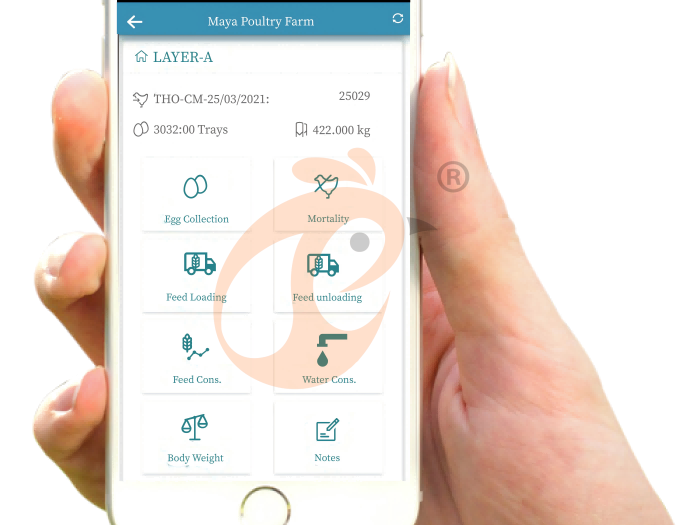
 IoT Smart Poultry FarmRead More
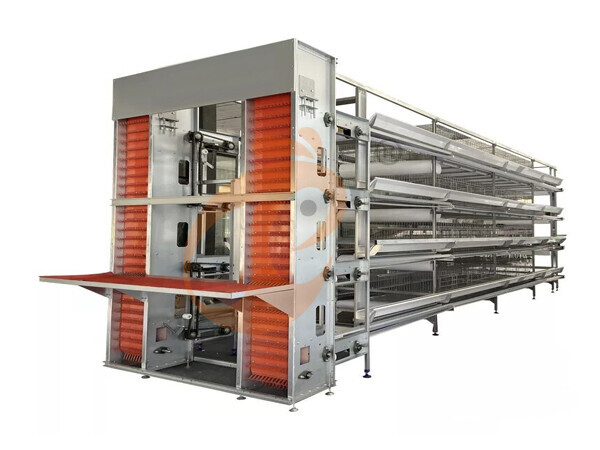
 >30,000 Layers Automatic H Type Battery CageRead More
 10,000 - 30,000 Layers Automatic A Type Battery CageRead More
MESSAGE