

BLOG
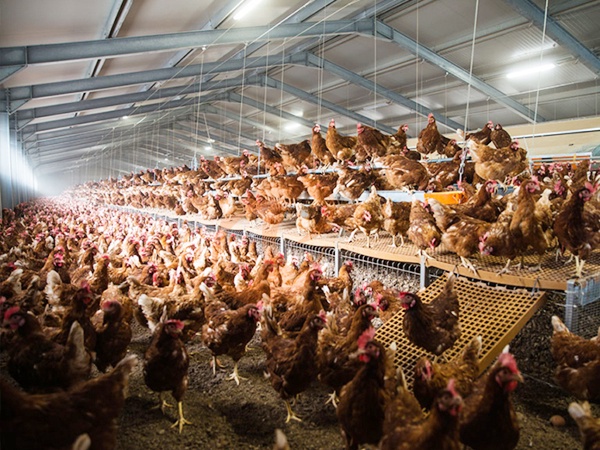
Free-range poultry farming increases exposure to variable environmental load factors affecting production stability.
Open pasture systems require quantified control of flock management practices and production efficiency.
Outdoor biosecurity performance depends on farm hygiene protocols and external vector management.
Thermal stress thresholds directly influence egg output and metabolic energy allocation.
Rotational grazing systems regulate soil health and pasture recovery.
Get professional poultry farm construction guidance, equipment selection solutions, and the latest price lists, whatsApp to +8618830120193, click to learn more:
The Landscape Of Open-Field Avian Management
Navigating the operational realities of free-range production requires a deep structural understanding of resource inputs, environmental stressors, and seasonal fluctuations.
The table below outlines the core differences in risk profiles between open-field poultry farming and fully enclosed, intensive confinement operations.
Data is for reference only. Swipe horizontally to view full table.
Problem High Predation Vulnerability
When flocks are allowed to forage outside, they enter the local food chain.
Free-range poultry face ground predators and aerial threats.
The lack of structural barriers means an unprotected flock can suffer catastrophic losses in a single night.
Unlike an indoor facility where structural integrity is fixed, free-range predator defense requires a layered system.
The Solution Multi-Layered Security Perimeters
Defeating predators requires an integration of physical barriers, behavioral deterrents, and biological guardians.
Security must focus on both the night-time housing unit and the daytime foraging pastures.
Sub-Surface Exclusion Fencing: Install buried hardware mesh with outward apron extension.
Aerial Exclusion Netting: Install overhead netting across paddock zones.
Biological Deterrents: Introduce livestock guardian dogs trained to remain with flocks.
Automated Enclosures: Install timed coop closure systems triggered by light reduction.
Problem Extreme Weather And Climate Exposure
Fluctuating ambient conditions directly affect poultry physiological stability.
Outdoor exposure increases metabolic regulation load.
Avian Physiology Fact
Poultry lack sweat glands.
Heat dissipation relies on respiratory evaporation.
The Solution Dynamic Microclimate Pasture Engineering
Problem Biosecurity And Wild Bird Disease Vectors
Free-range systems increase exposure to migratory bird interaction cycles and environmental contamination pathways.
The Solution Structural Exclusion And Vector Separation
Protected Feeding Zones: Internal feeding allocation inside enclosed housing.
Surface Water Management: Removal of open water points across pasture zones.
Sanitation Airlocks: Controlled disinfection entry systems at access points.
Aviation Deterrents: Visual deterrent systems reducing landing events.
Problem Soil Degradation And Parasite Accumulation
Continuous grazing cycles increase soil compaction and parasite egg survival.
Manure accumulation creates reinfection loops.
The Solution Rotational Grazing And Pasture Regeneration
Paddock Subdivision: Multi-zone grazing allocation per flock unit.
Stocking Density Control: Adjusted based on forage biomass availability.
Rest Cycle Management: Recovery interval per paddock rotation.
Vegetation Restoration: Mixed forage reseeding with multi-species grasses.
Problem Nutritional Imbalances From Uncontrolled Foraging
Seasonal forage variability creates fluctuations in nutrient intake composition.
Feed efficiency varies with pasture composition shifts.
The Solution Strategic Nutritional Supplementation
Regular Crop Sampling: Periodic digestive content monitoring.
Dynamic Ration Adjustments: Feed formulation aligned with forage availability.
Insoluble Grit Access: Mineral grit provided for digestion support.
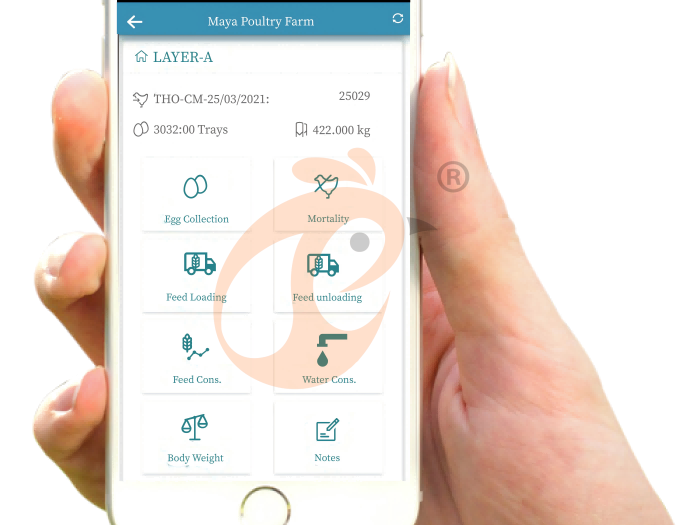
Automated Feed Tracking: Intake monitoring for consistency control.
Problem Egg Loss And Substandard Nesting Hygiene
Outdoor laying behavior increases floor egg occurrence and contamination exposure risk.
The Solution Behavioral Engineering And Nest Box Optimization
Early Confinement Training: Controlled laying behavior conditioning during early laying phase.
Optimized Lux Density: Low-light nesting environment control.
Comfortable Nest Bedding: Standardized bedding depth and dryness control.
Visual Decoys: Nest reinforcement using dummy egg placement.
Water And Waste Management Optimization
Efficient water and waste systems reduce disease risk and improve resource utilization in free-range poultry farms.
Optimized handling ensures sustainability and supports flock health.
Water Supply Regulation: Provide clean water at 0.6–1.2 L/day per bird; adjust flow seasonally to match ambient temperature.
Nipple Drinkers & Troughs: Height 25–35 cm for broilers, 35–45 cm for layers; prevents spillage and contamination.
Litter Management: Turn or remove bedding 1–2 times per day to reduce ammonia accumulation.
Ammonia Monitoring: Maintain coop air concentration below 15 ppm to preserve respiratory health.
Rainwater Harvesting & Runoff Control: Capture ≤5% of total runoff to supplement drinking water and irrigation.
Composting Manure: Aerate piles for 60–90 days to stabilize nutrients and eliminate pathogens.
Frequently Asked Questions
Q1: What is the main limiting factor in free range poultry productivity?
Primary constraint is environmental variability affecting intake behavior and pathogen exposure dynamics.
These factors influence production stability and performance consistency.
Q2: How often should pasture rotation occur in commercial systems?
Rotation is typically managed in short cycle intervals with extended rest phases to restore vegetation and reduce biological load accumulation.
Q3: What is the most critical biosecurity control point?
Feed and water access control points represent the highest contamination risk areas and require strict separation from external vectors.
Taiyu (HK) Group - One Of China Biggest Poultry Cage Manufacturer
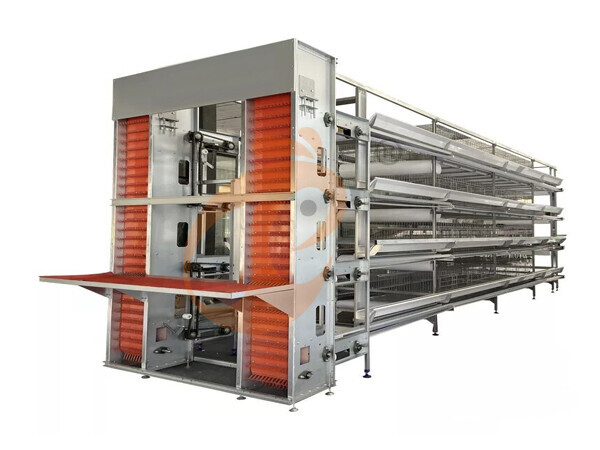
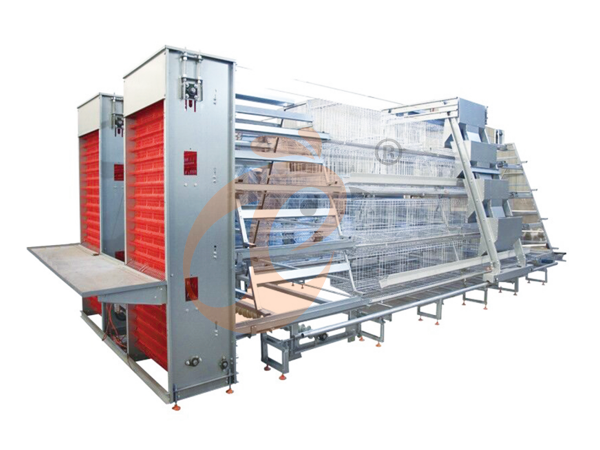
Poultry cage system designed for commercial egg production with automated feeding and egg collection mechanisms.
Global factory direct supply of poultry equipment for large-scale farming operations.
Turn-key engineering systems covering planning, installation, and commissioning services.
Integrated poultry equipment solutions for controlled housing environments.
Export-oriented manufacturing network supplying standardized cage systems globally.
Contact Us To Received Your Customized Poultry Farm Plan
Headquarters And Branchs

Hong Kong Headquarter Management Team
Hong Kong Headquarter Taiyu Industrial Group CO., LTD
China Hebei Best Machinery And Equipment CO., LTD
Nigeria Vanke Machinery And Equipment CO., LTD
Tanzania Best Machinery And Equipment CO., LTD
Ethiopia Best Hebei Machinery Manufacturing PLC




Reception /24 WhatsApp NO. : +8618830120193
PRODUCTS RECOMMENDED
 China Branch Manufacture Poultry Farm EquipmentRead More
 Ethiopia Branch Manufacture Poultry Farm EquipmentRead More
 Nigeria Branch Manufacture Poultry Farm EquipmentRead More
 Tanzania Branch Manufacture Poultry Farm EquipmentRead More
 IoT Smart Poultry FarmRead More
 >30,000 Layers Automatic H Type Battery CageRead More
 10,000 - 30,000 Layers Automatic A Type Battery CageRead More
MESSAGE