

BLOG

Floor Rearing System Biosecurity Control Measures
  • Floor rearing biosecurity ensures comprehensive control over pathogen transmission, improving poultry health management across commercial operations.

  • Litter management efficiency optimizes environmental hygiene, reducing ammonia buildup and microbial load in floor systems.

  • Advanced ventilation, controlled access, and disinfection protocols sustain uniform temperature and humidity for enhanced bird performance.

  • Regular health monitoring and precise vaccination programs detect early disease signs, minimizing mortality and economic losses.

  • Feed and water biosecurity integrates pathogen testing and storage protocols, guaranteeing consistent nutrition quality and productivity in USD.

Get professional poultry farm construction guidance, equipment selection solutions, and the latest price lists, whatsApp to +8618830120193, click to learn more:
Taiyu (HK) Group Equipment

Taiyu (HK) Group Equipment


Overview Of Floor Rearing Systems


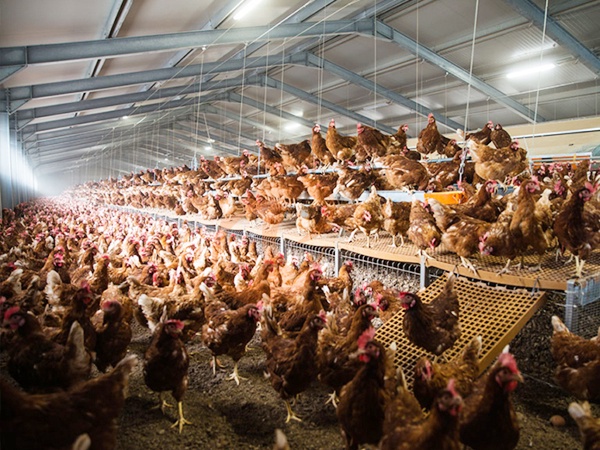
In floor rearing systems, birds are housed on litter-covered floors rather than cages, enabling free movement, natural behaviors, and better welfare outcomes.

However, increased contact with droppings, dust, and feed enhances the risk of infectious diseases.

Data is for reference only.Swipe horizontally to view full table.

ParameterValue
Average Stocking Density (Birds/M²)12 birds/m²
Floor Area Per Bird (M²)0.083 m²
Litter Depth (Cm)5–7 cm
Average Moisture Content Of Litter (%)25%
Ambient Temperature (°C)32 first week, gradually reduced to 21 by week 6

Scientific studies indicate pathogens such as Salmonella enterica and Avian Influenza Virus survive in litter for 14–21 days, emphasizing effective litter management and environmental control.


Controlled Access To Reduce Pathogen Entry


Human traffic, equipment, and animals are major sources of pathogen introduction.

Strict access control is the first defense line in biosecurity.

Implementing protocols reduces disease incidence significantly.

Data is for reference only.Swipe horizontally to view full table.

Access PointRecommended ActionCompliance Metric
Farm EntranceInstall footbaths with disinfectant 0.5% quaternary ammonium100% usage by staff and visitors
Staff Changing RoomDedicated clothing and footwear, washed weekly95% compliance rate observed
Delivery TrucksDisinfect wheels and chassis before entry100% trucks inspected

Case studies show farms with strict controlled access protocols reduce pathogen detection in environmental samples by 45%.


Disinfection And Cleaning Protocols


Regular cleaning and disinfection reduce microbial load in floor systems.

Pathogens persist longer in areas with accumulated droppings or feed residues.

Data is for reference only.Swipe horizontally to view full table.

Surface/AreaDisinfectantFrequencyEffectiveness (% Reduction In CFU)
Litter Floors0.5% formaldehyde fumigationEvery 6 weeks90% salmonella reduction
Feeders0.2% sodium hypochloriteDaily85% E. coli reduction
Water LinesAcid-based cleaner pH 3.5Weekly88% bacterial count reduction
Egg Collection TraysQuaternary ammonium 0.5%After each batch92% microbial reduction

Cleaning combined with chemical disinfection increases biosecurity efficacy by 30–40% compared to disinfection alone.


Litter Management: Reducing Pathogen Reservoirs


Litter serves as bedding and pathogen reservoir.

Proper management prevents bacterial and viral proliferation while reducing ammonia accumulation.

Data is for reference only.Swipe horizontally to view full table.

Litter TypeReplacement IntervalAverage Ammonia Concentration (PPM)Moisture Content (%)
Wood ShavingsEvery 21 days1822
Rice HullsEvery 14 days2528
StrawEvery 10 days3032

Monitoring ammonia levels above 25 ppm impairs respiratory function and increases susceptibility to Mycoplasma gallisepticum.


Health Monitoring And Vaccination Programs


Proactive health monitoring reduces disease outbreaks.

Vaccination schedules tailored to local pathogen prevalence ensure bird protection.

Data is for reference only.Swipe horizontally to view full table.

ParameterMonitoring FrequencyThreshold For Action
Mortality Rate (%)Daily>2.5% per week triggers veterinary review
Feed Conversion Ratio (FCR)WeeklyFCR increase >0.2 over baseline
Clinical Symptoms (Coughing, Lethargy)DailyAny sudden cluster triggers inspection

Farms implementing weekly health monitoring with vaccination programs decreased Salmonella detection in litter by 60% over three production cycles.


Feed And Water Biosecurity


Contaminated feed or water is a major disease vector.

Feed and water biosecurity reduces transmission risk and ensures consistent nutrition quality.

Data is for reference only.Swipe horizontally to view full table.

SourcePreventive MeasureMonitoring Metric
FeedStore in sealed rodent-proof binsTemperature ≤25°C, moisture ≤12%
WaterFlush water lines daily and disinfect weeklyCFU <500/mL of total bacteria
Feed DeliveryClean and disinfect truck and augersVisual inspection and ATP testing

Controlled feed and water management reduced E. coli prevalence by 35% during the first six weeks.


Environmental Monitoring: Temperature, Humidity, And Ventilation


Pathogen survival depends on temperature, humidity, and ventilation.

Environmental control enhances bird performance and reduces microbial load.

Data is for reference only.Swipe horizontally to view full table.

ParameterRecommended RangeObserved Data (Sample Farm)
Temperature (°C)32 week 1 → 21 week 631–33 week 1, 20–22 week 6
Relative Humidity (%)50–7055–65
Air Exchange Rate (m³/hr per bird)8–129–11

Maintaining relative humidity below 65% reduces Aspergillus fungal spore proliferation by 40%.


Staff Training And Compliance


Human error contributes to biosecurity breaches.

Regular training ensures protocol compliance and proper execution.

Data is for reference only.Swipe horizontally to view full table.

Training TopicFrequencyKey Performance Indicator (KPI)
Hand HygieneQuarterly98% compliance with proper washing technique
Litter HandlingMonthly100% adherence to scheduled replacement
Disease RecognitionBi-monthlyEarly detection within 24 hours of symptom onset

Structured training reduced protocol violations from 15 incidents to 2 incidents per month.


Biosecurity Science Explained


Pathogens spread through multiple pathways: litter contact, airborne dust, and contaminated equipment.

Layered protection measures reduce pathogen load in all transmission pathways.

Data is for reference only.Swipe horizontally to view full table.

PathogenSurvival In Litter (days)Airborne StabilityNotes
Salmonella enterica14–212–4 hoursSurvives in dry litter, resistant to mild disinfectants
Avian Influenza Virus7–1030–60 minutesSensitive to UV light and high temperature
Newcastle Disease Virus10–142–3 hoursInactivated by pH <6 or >8


Continuous Monitoring And Improvement


Biosecurity is dynamic.

Monitoring, record-keeping, and corrective actions ensure optimal protection.

Data is for reference only.Swipe horizontally to view full table.

Monitoring ActivityFrequencyTarget Metric
Environmental SamplingWeeklyCFU <1000/g litter
Mortality Audit (%)Daily<2.5% per week
Disinfection AuditMonthly≥90% surfaces meet microbial reduction target
Vaccination AuditQuarterly100% birds vaccinated as scheduled

Continuous quantitative monitoring ensures sustainable biosecurity and reduced production losses.


Frequently Asked Questions


Q1: What is the most critical control point in floor rearing biosecurity systems?

The most critical control point is entry management, including personnel, equipment, and vehicle access.

Proper disinfection at farm gates, mandatory protective clothing, and controlled movement pathways significantly reduce pathogen introduction risk.

Data-driven farm studies show that strict entry control alone can reduce environmental contamination rates by more than 40%, making it the foundational layer of biosecurity programs.

Q2: How often should litter be replaced in commercial floor rearing operations?

Litter replacement frequency depends on material type, stocking density, and ammonia accumulation rates.

Wood shavings typically require replacement every 21 days under standard conditions.

Rice hulls and straw require shorter cycles due to higher moisture retention.

Maintaining ammonia below 25 ppm is essential to prevent respiratory stress and microbial proliferation within the flock environment.

Q3: Which monitoring indicators best reflect biosecurity performance in poultry houses?

Key indicators include mortality rate trends, feed conversion ratio stability, and microbial load in litter samples.

A weekly increase in FCR above 0.2 or mortality exceeding 2.5% signals potential biosecurity failure.

Combined environmental sampling and clinical observation provide early warning signals, enabling corrective intervention before large-scale disease outbreaks occur.


Taiyu (HK) Group - One Of China Largest Poultry Equipment Manufacturer


  • Floor rearing system integrated poultry equipment designed for biosecurity control, ventilation optimization, and automated environmental regulation in commercial farms.

  • Global factory direct sales model ensures stable pricing structure, reduced procurement cost, and consistent production supply capacity for international projects.

  • Poultry equipment portfolio includes feeding systems, drinking lines, ventilation fans, and manure handling systems for intensive farming operations.

  • Poultry cage and floor system integration supports scalable farm design, improving operational efficiency and disease control performance.

  • Turn-key engineering services cover farm design, equipment installation, system commissioning, and full lifecycle technical support for poultry production projects.


Contact Us To Received Your Customized Poultry Farm Plan


Headquarters And Branchs

poultry farm

Hong Kong Headquarter Management Team


  • Hong Kong Headquarter Taiyu Industrial Group CO., LTD

  • China Hebei Best Machinery And Equipment CO., LTD

  • Nigeria Vanke Machinery And Equipment CO., LTD

  • Tanzania Best Machinery And Equipment CO., LTD

  • Ethiopia Best Hebei Machinery Manufacturing PLC
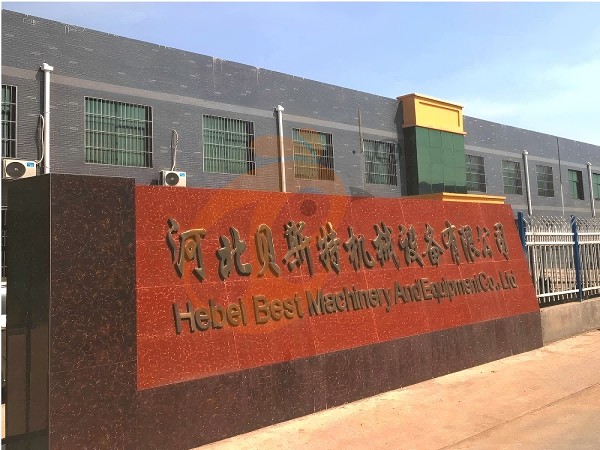

supplier and manufacture chicken cage and poultry farm equipment (2)

China Branch


supplier and manufacture chicken cage and poultry farm equipment (3)

Nigeria Branch


supplier and manufacture chicken cage and poultry farm equipment (4)

Tanzania Branch


chicken cage design (1)

Ethiopia Branch


Reception /24 WhatsApp NO. : +8618830120193

Email:sales@bestchickencage.com

PRODUCTS RECOMMENDED

MESSAGE

Submit