

BLOG
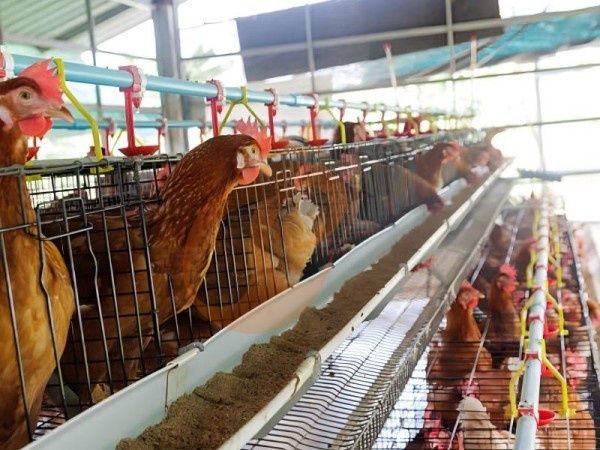
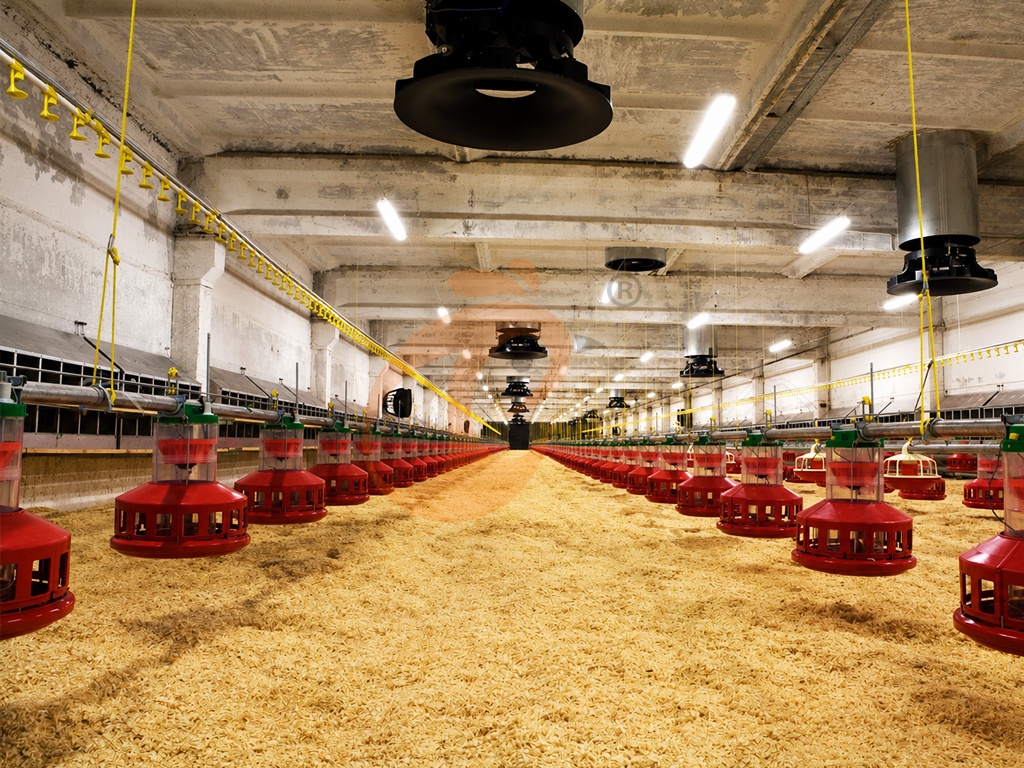
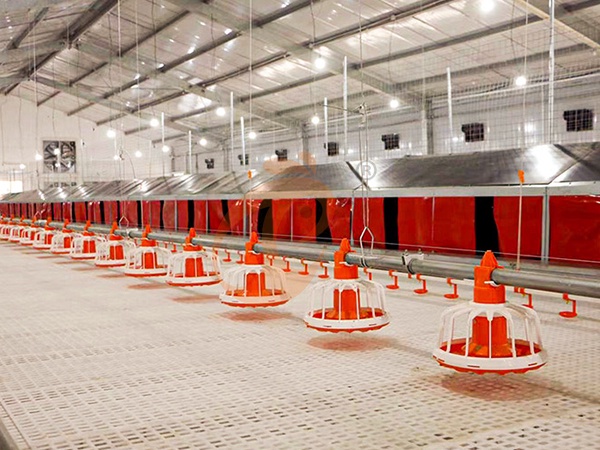
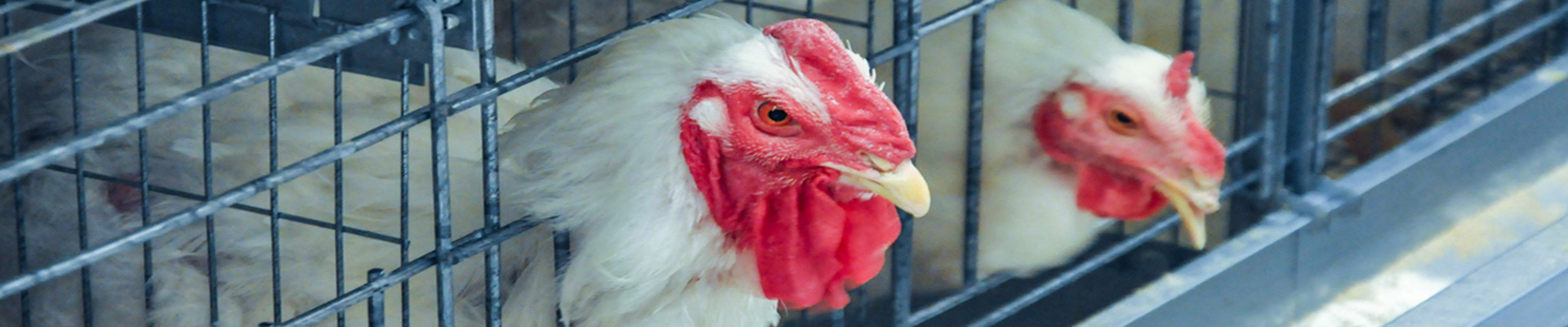
Broiler chicken cage ventilation systems maintain stable airflow distribution, control environmental parameters, and support efficient poultry production in high-density housing facilities.
Tunnel ventilation systems improve heat dissipation efficiency by increasing air velocity across cage rows and reducing thermal stress during rapid growth periods.
Poultry house ventilation design directly influences oxygen availability, moisture removal capacity, and ammonia dilution performance throughout the production cycle.
Broiler farm airflow management supports feed conversion stability, flock uniformity, and respiratory health through controlled environmental regulation.
Integrated ventilation equipment, including exhaust fans, air inlets, and environmental controllers, provides measurable improvements in production efficiency and operational sustainability.
Get professional poultry farm construction guidance, equipment selection solutions, and the latest price lists, whatsApp to +8618830120193, click to learn more:
Air Exchange Rate Optimization
Proper air exchange removes stale air and replenishes oxygen, preventing heat and ammonia accumulation.
Broiler cage ventilation systems must adapt airflow rates to bird age, cage density, and seasonal temperature.
Data is for reference only.Swipe horizontally to view full table.
Maintaining these airflow rates ensures moisture removal and ammonia levels remain below 10 ppm, creating a healthier environment for broilers in cage systems.
Tunnel ventilation systems commonly utilize staged fan operation to maintain target airflow volumes during different growth phases.
Temperature Control Through Tunnel Ventilation
Tunnel ventilation is a primary method for broiler cage houses, combining fans and controlled air inlets.
Air velocity creates a cooling effect that reduces heat stress in broilers.
Data is for reference only.Swipe horizontally to view full table.
Data from commercial farms indicate that increasing airspeed to 2.5 m/s during peak summer reduces bird body temperature by approximately 6°C, enhancing feed intake and weight gain.
Broiler farm airflow management strategies frequently target air speeds between 2.0 m/s and 2.5 m/s during periods when ambient temperature exceeds 30°C.
Humidity And Moisture Control
Cage systems produce large quantities of moisture from respiration and manure.
Excess humidity promotes wet litter, ammonia formation, and bacterial growth.
Proper ventilation removes moisture while maintaining relative humidity between 50% and 60%.
Data is for reference only.Swipe horizontally to view full table.
Using sidewall inlets combined with exhaust fans allows the system to maintain these parameters consistently throughout the production cycle.
Poultry house ventilation performance is often evaluated through continuous humidity monitoring because moisture accumulation directly affects litter quality and air quality.
Understanding Ammonia Distribution In Cage Houses
Ammonia is a significant challenge in cage houses due to high-density manure accumulation.
Levels exceeding 15 ppm can damage broiler respiratory tracts and reduce feed conversion efficiency.
Scientific studies indicate prolonged exposure to elevated ammonia concentrations can reduce growth performance and increase susceptibility to respiratory disorders.
Data is for reference only.Swipe horizontally to view full table.
Data from industrial broiler cage houses show ammonia concentration increases with row height due to airflow patterns, indicating the importance of multi-level ventilation design.
Fan Selection And Performance
Fans are the core product of broiler chicken cage ventilation.
Fan diameter, rotational speed, and installation position directly influence air exchange and temperature distribution.
Data is for reference only.Swipe horizontally to view full table.
Correct fan placement, combined with inlet adjustment, ensures uniform airflow across cage levels, reducing temperature and ammonia stratification.
High-capacity exhaust fans are widely used in commercial poultry facilities exceeding 20,000 birds per house.
Air Inlet Positioning
Air inlets guide fresh air through cages and distribute it evenly.
Poorly positioned inlets can create dead zones and uneven conditions.
Data is for reference only.Swipe horizontally to view full table.
Adjustable inlets ensure air penetrates each cage row, improving bird comfort and growth performance.
Uniform air distribution is essential for maintaining stable environmental conditions from the first cage row to the final cage row.
Automated Environmental Controllers
Modern cage ventilation integrates sensors and automated controllers to maintain temperature, humidity, and air quality.
Automated systems continuously collect environmental data and adjust ventilation equipment according to predefined operating parameters.
Data is for reference only.Swipe horizontally to view full table.
Automated control reduces manual adjustments, improves consistency, and minimizes energy consumption.
Environmental control systems are increasingly integrated with cloud monitoring platforms for remote management.
Litter Quality Monitoring
Maintaining dry litter under cages is essential for broiler health.
Ventilation directly affects litter moisture levels.
Data is for reference only.Swipe horizontally to view full table.
Data show that even with stable ambient conditions, litter moisture rises at higher cage levels, highlighting the need for targeted airflow.
Consistent litter moisture management contributes to improved air quality and lower ammonia production.
Seasonal Ventilation Adjustments
Seasonal temperature fluctuations require dynamic ventilation control.
Fan staging, inlet opening adjustment, and controller programming should correspond to changing environmental conditions throughout the year.
Data is for reference only.Swipe horizontally to view full table.
Using multi-stage fan operation and adjustable inlets allows farms to maintain these parameters with minimal manual intervention.
Economic Impact Of Proper Ventilation
Proper broiler cage ventilation improves feed conversion, growth rates, and mortality.
Commercial operations often evaluate ventilation investment through productivity indicators and operational savings.
Equipment investment for a medium-scale ventilation upgrade typically ranges from $8,000 to $35,000 depending on house size and automation level.
European union standard reference only.Data is for reference only.Swipe horizontally to view full table.
Investment in high-quality ventilation fans, air inlets, and controllers demonstrates measurable returns in production efficiency.
Frequently Asked Questions
Q1: Why is air speed important in broiler cage ventilation?
Air speed directly affects heat dissipation efficiency.
Appropriate airflow removes excess body heat, reduces thermal stress, improves feed intake stability, and supports consistent growth performance during warm environmental conditions.
Q2: How can ammonia levels be reduced in poultry houses?
Ammonia reduction requires effective manure management, sufficient air exchange volume, controlled humidity levels, and balanced airflow distribution.
Continuous ventilation operation prevents gas accumulation inside cage rows.
Q3: What is the benefit of automated environmental controllers?
Automated controllers continuously monitor environmental conditions and automatically adjust fans and air inlets.
Stable environmental regulation improves production consistency, reduces labor requirements, and supports long-term operational efficiency.
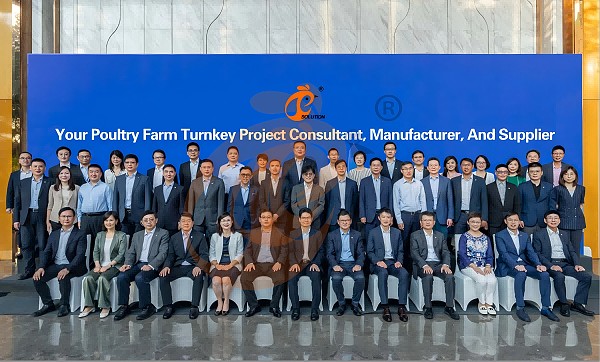
Taiyu (HK) Group - One Of China Largest Broiler Cage Supplier
Professional broiler chicken cage ventilation systems including exhaust fans, air inlets, cooling pads, and environmental controllers.
Global factory direct supply with competitive manufacturing capacity and stable product quality.
Complete poultry equipment solutions covering broiler farms, layer farms, and breeder farms.
Advanced poultry cage systems integrated with ventilation and automatic management technologies.
Turn-key engineering services including design, production, installation, commissioning, and technical support.
Contact Us To Received Your Customized Poultry Farm Plan
Headquarters And Branchs

Hong Kong Headquarter Management Team
Hong Kong Headquarter Taiyu Industrial Group CO., LTD
China Hebei Best Machinery And Equipment CO., LTD
Nigeria Vanke Machinery And Equipment CO., LTD
Tanzania Best Machinery And Equipment CO., LTD
Ethiopia Best Hebei Machinery Manufacturing PLC




Reception /24 WhatsApp NO. : +8618830120193
PRODUCTS RECOMMENDED
 China Branch Manufacture Poultry Farm EquipmentRead More
 Ethiopia Branch Manufacture Poultry Farm EquipmentRead More
 Nigeria Branch Manufacture Poultry Farm EquipmentRead More
 Tanzania Branch Manufacture Poultry Farm EquipmentRead More
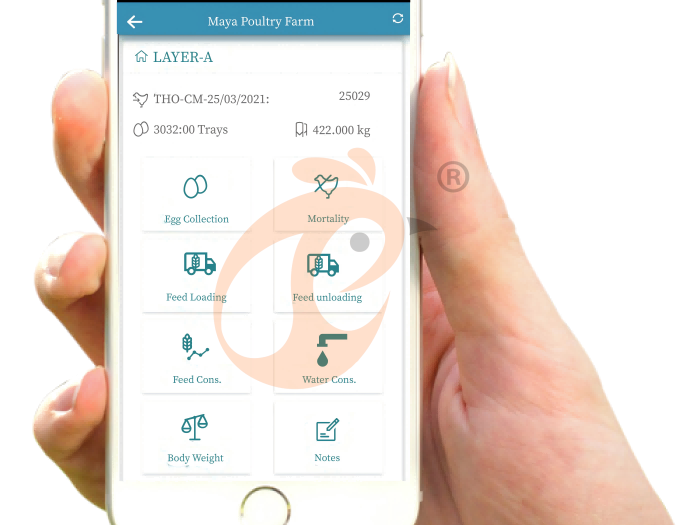
 IoT Smart Poultry FarmRead More
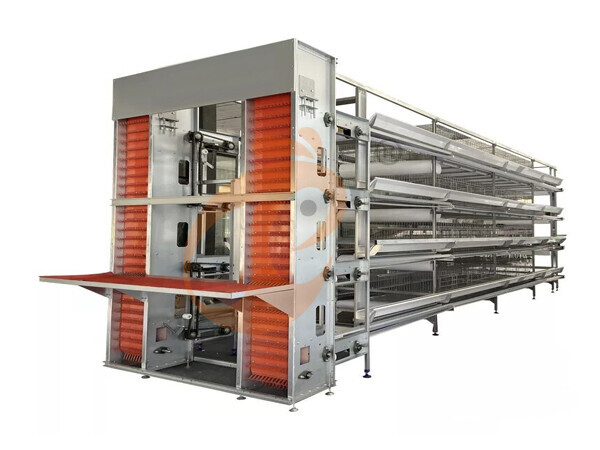
 >30,000 Layers Automatic H Type Battery CageRead More
 10,000 - 30,000 Layers Automatic A Type Battery CageRead More
MESSAGE
NEWS
 What Makes A Factory-Direct A Type Chicken Battery Cage More Cost-Effective? 4 ReasonsRead More
 Deep Litter System For Broilers Vs Cage | Which Is More Profitable?Read More
 Free Range Broiler System Vs Intensive Farming | Which Is More Profitable?Read More
 Broiler Floor Rearing System Cost | 6 Factors Affecting PriceRead More