

BLOG
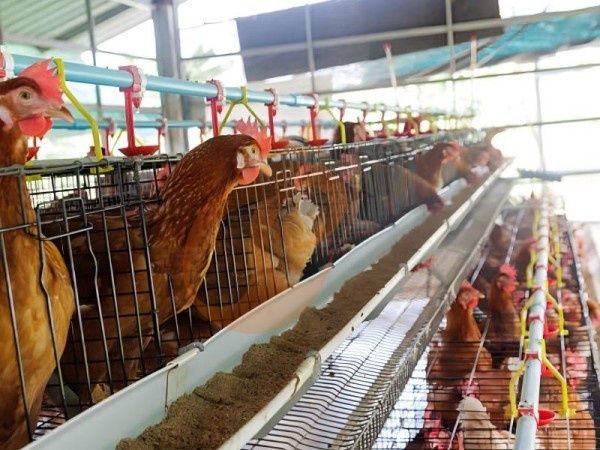
Nipple drinkers cleaning procedure ensures poultry water system stability under industrial farm conditions.
System performance depends on hydraulic control accuracy, microbial load reduction, and pipeline sanitation efficiency.
Cleaning cycles regulate biofilm accumulation rate and mineral scaling inside PVC water pipelines.
Operational hygiene affects flock hydration consistency across large-scale poultry housing environments.
Chemical dosing, mechanical flushing, and flow calibration define system longevity and production stability.
Get professional poultry farm construction guidance, equipment selection solutions, and the latest price lists, whatsApp to +8618830120193, click to learn more:
Core Product Overview And System Architecture
Nipple drinking systems are precision-engineered poultry hydration devices designed for controlled water release under pressure regulation.
The system includes nipple valves, PVC pipelines, pressure regulators, suspension lines, and filtration units.
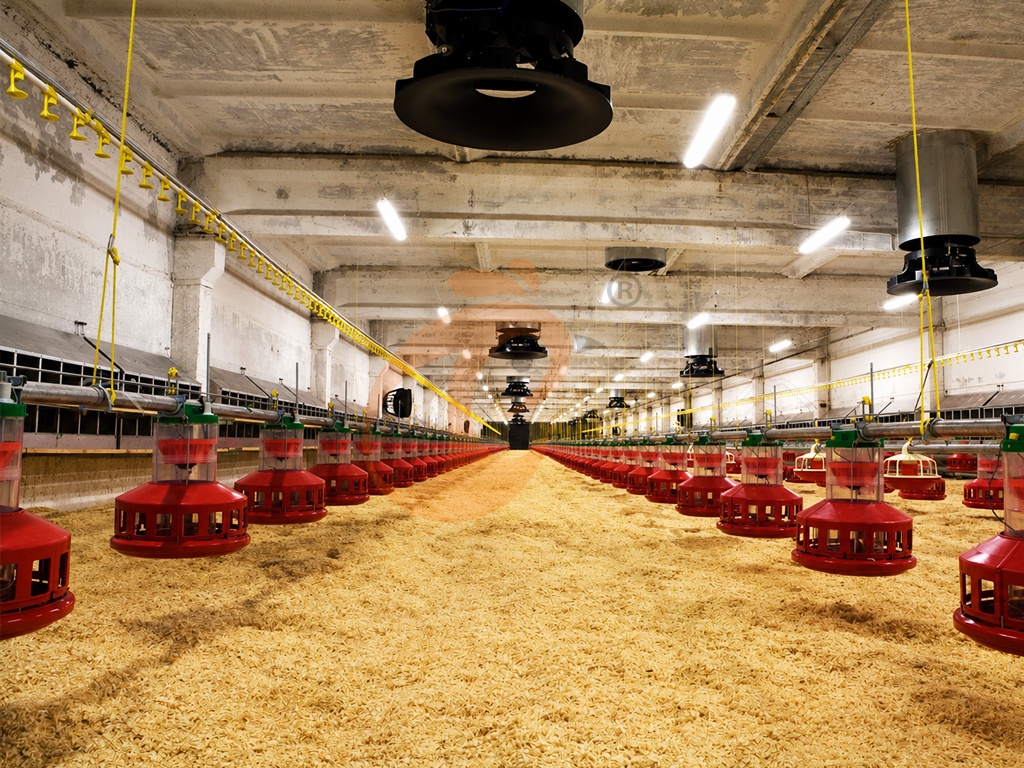
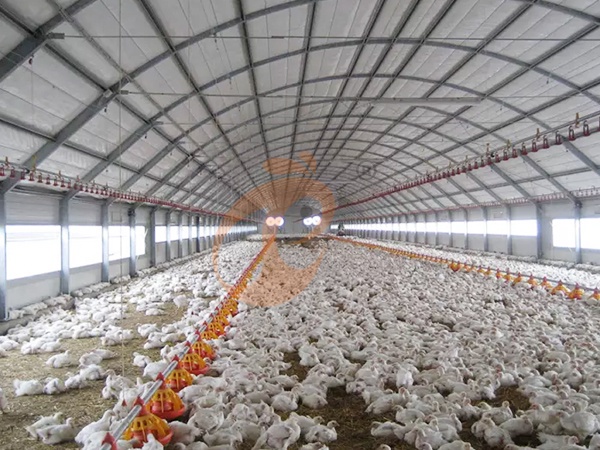
Commercial farms use high-density layouts supporting large-scale poultry housing units with centralized water distribution.
Data is for reference only.Swipe horizontally to view full table.
Engineering Design And Operational Load Capacity
Nipple drinking infrastructure supports continuous water delivery under controlled hydraulic equilibrium conditions.
Each poultry house typically integrates large-scale nipple unit distribution depending on stocking density and barn geometry.
System reliability depends on pressure stabilization tolerance within controlled deviation range.
Data is for reference only.Swipe horizontally to view full table.
Scientific Mechanism Of Contamination Formation
Nipple drinkers contamination develops through mineral precipitation, organic residue adhesion, and microbial colonization processes.
Water quality conditions directly influence scaling formation and microbial growth inside pipeline surfaces.
Biofilm formation begins at microbial threshold levels and expands rapidly within controlled farm environments.
Data is for reference only.Swipe horizontally to view full table.
Step System Shutdown And Pressure Release Protocol
System shutdown initiates hydraulic pressure elimination and pipeline isolation before cleaning operations.
Standard operating conditions must be fully released before maintenance begins.
Drainage process requires controlled time cycles for safe pipeline unloading.
Data is for reference only.Swipe horizontally to view full table.
Mechanical Cleaning And Sediment Removal Process
Mechanical cleaning removes particulate sediment accumulation and early-stage microbial adhesion inside pipeline surfaces.
Sediment formation inside water pipelines varies depending on water quality and filtration efficiency.
Brush-based cleaning combined with flushing improves pipeline cleanliness before chemical treatment.
Data is for reference only.Swipe horizontally to view full table.
Chemical Cleaning And Biofilm Elimination Process
Chemical cleaning targets resistant biofilm structures embedded within pipeline surfaces and nipple valve chambers.
Biofilm structures develop when sanitation cycles are delayed under continuous farming operation.
Chemical exposure ensures microbial membrane destruction and organic matrix dissolution.
Data is for reference only.Swipe horizontally to view full table.
Disinfection Efficiency And Microbial Reduction Data
Proper disinfection reduces microbial concentration from industrial contamination levels to safe poultry drinking standards.
Field sanitation procedures significantly reduce microbial presence after complete treatment cycles.
Microbial elimination efficiency reaches extremely high sanitation effectiveness under controlled protocols.
Data is for reference only.Swipe horizontally to view full table.
Rinsing Volume Control And Chemical Neutralization
Rinsing process eliminates residual disinfectants and stabilizes water chemical balance for poultry consumption safety.
Water flushing cycles ensure complete removal of chemical residues from internal pipelines.
Residual chemical concentration must reach safe poultry drinking thresholds before system restart.
Data is for reference only.Swipe horizontally to view full table.
Flow Calibration And Hydration Performance Optimization
Flow calibration ensures uniform water distribution across all nipple points after cleaning procedures.
System balancing ensures consistent hydration delivery across poultry populations.
Stable operational flow maintains uniform drinking behavior across production lines.
Data is for reference only.Swipe horizontally to view full table.
Production Impact And Maintenance Cycle Analysis
Cleaning interval directly influences poultry mortality rate and feed conversion ratio performance metrics.
Operational sanitation schedules significantly influence poultry growth consistency across production cycles.
Feed conversion performance varies under different maintenance schedules in commercial poultry systems.
Data is for reference only.Swipe horizontally to view full table.
Frequently Asked Questions
Q1: What factors influence water system stability in poultry nipple drinkers?
System stability depends on pressure control, pipeline hygiene, and consistent hydraulic regulation.
Improper maintenance leads to uneven water distribution and reduced flock performance efficiency.
Q2: How does sanitation frequency affect poultry production outcomes?
Regular sanitation improves water quality consistency and supports stable flock hydration behavior.
Extended intervals increase microbial presence and reduce production efficiency over time.
Q3: What role does calibration play after cleaning procedures?
Calibration ensures uniform water delivery across all drinking points in the system.
Balanced flow improves flock uniformity and reduces behavioral competition at water access points.
Taiyu (HK) Group - One Of China Toppest Poultry Drinking System Manufacturer
Nipple drinkers cleaning system designed for poultry water line sanitation and flow stability control
Global factory direct supply covering poultry equipment production and installation services
Poultry cage and drinking system integration for large-scale industrial farm projects
Turn-key engineering solutions supporting automated poultry house infrastructure development
Export-oriented manufacturing network delivering standardized livestock equipment systems worldwide
Contact Us To Received Your Customized Poultry Farm Plan
Headquarters And Branchs
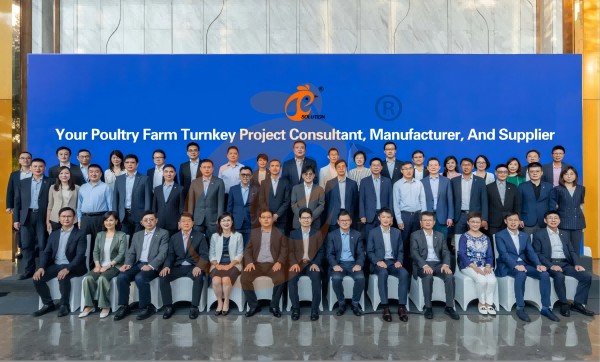
Hong Kong Headquarter Management Team
Hong Kong Headquarter Taiyu Industrial Group CO., LTD
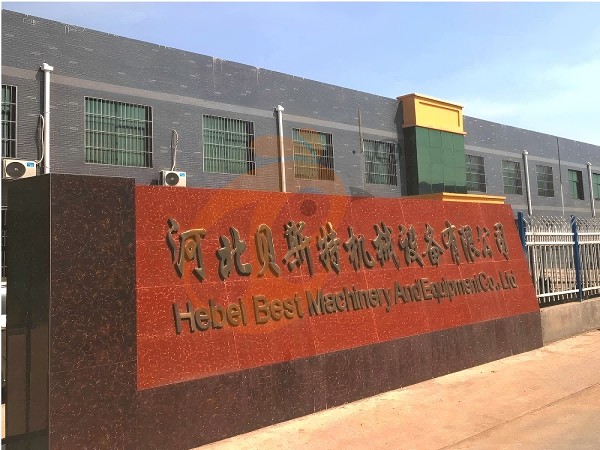
China Hebei Best Machinery And Equipment CO., LTD
Nigeria Vanke Machinery And Equipment CO., LTD
Tanzania Best Machinery And Equipment CO., LTD
Ethiopia Best Hebei Machinery Manufacturing PLC
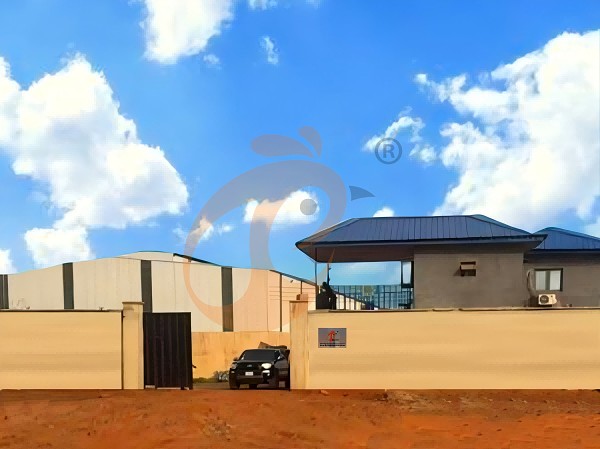
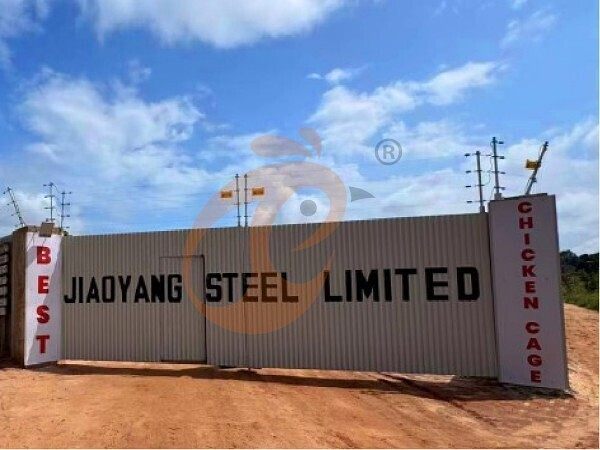
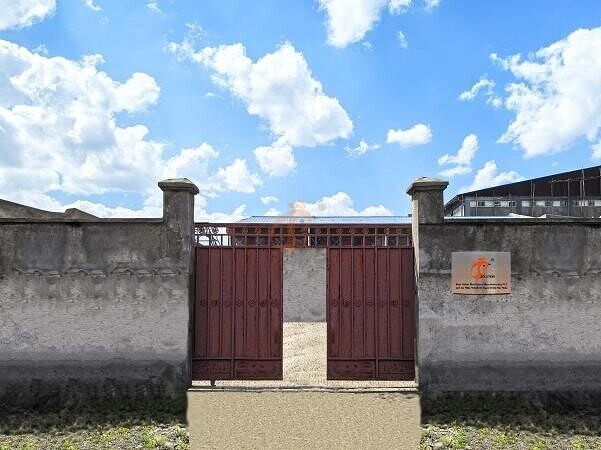
Reception /24 WhatsApp NO. : +8618830120193
PRODUCTS RECOMMENDED
 China Branch Manufacture Poultry Farm EquipmentRead More
 Ethiopia Branch Manufacture Poultry Farm EquipmentRead More
 Nigeria Branch Manufacture Poultry Farm EquipmentRead More
 Tanzania Branch Manufacture Poultry Farm EquipmentRead More
 IoT Smart Poultry FarmRead More
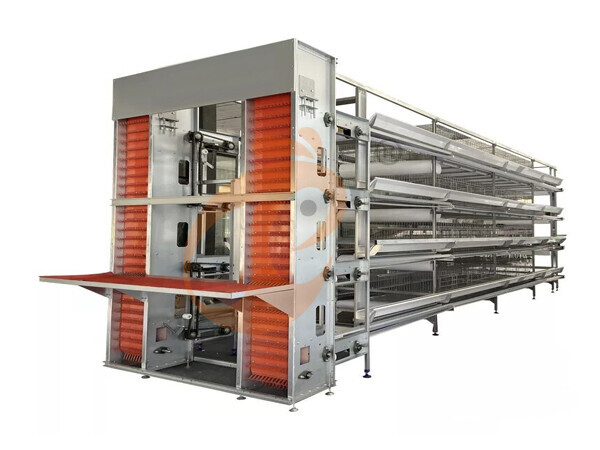
 >30,000 Layers Automatic H Type Battery CageRead More
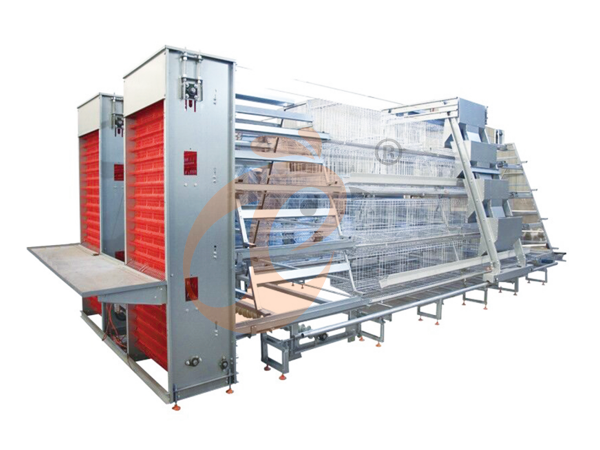
 10,000 - 30,000 Layers Automatic A Type Battery CageRead More
MESSAGE
NEWS
 What Makes A Factory-Direct A Type Chicken Battery Cage More Cost-Effective? 4 ReasonsRead More
 Deep Litter System For Broilers Vs Cage | Which Is More Profitable?Read More
 Free Range Broiler System Vs Intensive Farming | Which Is More Profitable?Read More
 Broiler Floor Rearing System Cost | 6 Factors Affecting PriceRead More