

BLOG
Layer chicken cage flooring plays a central role in supporting bird welfare, production stability, and daily management efficiency within modern poultry operations.
Layer cage floor design influences standing comfort, movement patterns, egg collection performance, and manure separation throughout the laying cycle.
Chicken cage mesh specifications affect foot support, airflow circulation, and environmental cleanliness under varying housing conditions.
Structural engineering parameters such as wire diameter, mesh opening dimensions, floor slope, and protective coatings contribute to long-term operational reliability.
Practical guidance throughout the following sections examines health impacts, maintenance requirements, commercial considerations, and technical selection criteria from multiple production perspectives.
Get professional poultry farm construction guidance, equipment selection solutions, and the latest price lists, whatsApp to +8618830120193, click to learn more:
Why Flooring Design Matters
Flooring remains the only structural surface continuously supporting hens during feeding, resting, walking, and laying activities.
Proper engineering design balances bird comfort, manure discharge, egg transportation, and structural durability throughout the production period.
Data is for reference only.Swipe horizontally to view full table.
A balanced flooring structure contributes to healthier flocks and more predictable production outcomes.
Factor 1: Wire Diameter Selection
Wire diameter determines structural strength and pressure distribution across the foot surface.
Insufficient diameter may concentrate pressure on limited contact points, while oversized wire can increase material consumption and manufacturing cost.
Poultry Science Insight
A mature laying hen transfers body weight through a relatively small plantar surface area.
Pressure distribution changes according to contact geometry between skin tissue and wire structure.
Repeated concentration of load on narrow contact points may contribute to localized tissue stress during long production cycles.
Engineering selection therefore focuses on balancing structural capacity with biological comfort requirements.
Data is for reference only.Swipe horizontally to view full table.
Appropriate diameter selection supports service life expectations and flock welfare targets simultaneously.
Factor 2: Mesh Opening Size
Mesh dimensions directly affect manure discharge efficiency, toe safety, and egg movement performance.
Opening geometry should provide sufficient support while preventing debris accumulation.
Data is for reference only.Swipe horizontally to view full table.
Well-balanced opening dimensions contribute to efficient operation across different flock ages.
Factor 3: Floor Slope And Egg Collection
Floor slope determines egg rolling speed and collection consistency.
Excessive angles may increase shell impact energy, while insufficient angles can slow egg transfer.
Poultry Science Insight
Eggshell formation requires approximately twenty hours of calcium deposition before oviposition.
Although shell strength can withstand normal handling forces, repeated impact events may generate microfractures invisible during routine inspection.
Slope optimization therefore serves both production efficiency and product quality management objectives.
Data is for reference only.Swipe horizontally to view full table.
Controlled slope design assists egg movement without creating unnecessary stress on birds.
Factor 4: Zinc Coating Thickness
Corrosion resistance remains essential because poultry houses contain moisture, ammonia, and cleaning chemicals throughout the year.
Protective coating thickness significantly influences service longevity.
Data is for reference only.Swipe horizontally to view full table.
Higher coating mass generally delays corrosion development under demanding environmental conditions.
Poultry Science Insight
Galvanized protection functions through sacrificial corrosion behavior.
Zinc reacts preferentially before steel substrate exposure occurs.
Adequate coating thickness slows oxidation processes and reduces maintenance frequency during extended operational periods.
Factor 5: Footpad Protection
Foot health affects feeding activity, mobility, welfare performance, and production consistency.
Mechanical support characteristics influence long-term tissue condition.
Poultry Science Insight
Skin tissue located beneath the foot acts as a natural protective barrier.
Continuous exposure to moisture, friction, and concentrated pressure may gradually weaken tissue integrity.
Minor lesions can create opportunities for bacterial contamination if environmental management becomes inadequate.
Proper structural support helps maintain healthy foot conditions during the laying cycle.
Data is for reference only.Swipe horizontally to view full table.
Foot support parameters should align with flock age and housing specifications.
Factor 6: Manure Removal Efficiency
Rapid manure separation contributes to environmental cleanliness and operational efficiency.
Reduced moisture accumulation also assists disease management programs.
Data is for reference only.Swipe horizontally to view full table.
Efficient waste handling systems support stable housing conditions across all seasons.
How Flooring Influences Air Quality
Ammonia generation begins when microorganisms decompose uric acid contained within poultry manure.
Increasing moisture levels accelerate microbial activity and ammonia release.
Exposure to elevated ammonia concentrations may irritate respiratory tissues and reduce overall comfort.
Effective layer chicken cage flooring systems encourage rapid waste separation and help maintain drier environmental conditions.
Improved airflow beneath cage structures further supports environmental control strategies throughout the production cycle.
Flooring Selection For Different Farm Sizes
Farm capacity influences engineering priorities, maintenance planning, and equipment investment strategies.
Data is for reference only.Swipe horizontally to view full table.
Project planners should evaluate operational goals before determining final configuration specifications.
Maintenance Practices
Routine inspection programs help maintain structural reliability throughout equipment service life.
Operators should monitor wire condition, coating integrity, alignment accuracy, and egg collection performance.
Preventive maintenance often reduces replacement frequency and minimizes unexpected downtime.
Data is for reference only.Swipe horizontally to view full table.
Consistent maintenance schedules support long-term production efficiency.
Frequently Asked Questions
Q1: What wire diameter is commonly used for commercial layer systems?
Commercial installations frequently use floor wire diameters between 2.25 mm and 2.75 mm depending on cage dimensions, stocking density, and expected service life.
Q2: What floor slope helps egg collection performance?
Many automated collection systems operate within a range of 6.8° to 8.0° because egg movement remains stable while shell impact risk remains controlled.
Q3: How often should flooring components be inspected?
Visual inspection every 7 days and structural verification every 90 days helps identify wear, deformation, or coating damage before major repairs become necessary.
Taiyu (HK) Group - One Of China Largest Layer Chicken Cage Flooring Manufacturer
• Layer chicken cage flooring solutions are applied in commercial layer farms, breeding facilities, integrated poultry projects, and automated egg production complexes requiring stable operational performance.
• Global factory-direct supply supports standardized production management, controlled manufacturing processes, and specification consistency across international projects.
• Poultry equipment portfolios include layer cages, feeding systems, manure removal equipment, egg collection systems, and environmental control solutions.
• Turn-key engineering services cover project planning, equipment integration, installation guidance, commissioning support, and production startup coordination.
• Technical commercial proposals are developed according to housing capacity, automation requirements, local operating conditions, and long-term investment objectives with cost evaluation in U.S. dollars.
Contact Us To Received Your Customized Poultry Farm Plan
Headquarters And Branchs

Hong Kong Headquarter Management Team
Hong Kong Headquarter Taiyu Industrial Group CO., LTD
China Hebei Best Machinery And Equipment CO., LTD
Nigeria Vanke Machinery And Equipment CO., LTD
Tanzania Best Machinery And Equipment CO., LTD
Ethiopia Best Hebei Machinery Manufacturing PLC




Reception /24 WhatsApp NO. : +8618830120193
PRODUCTS RECOMMENDED
 China Branch Manufacture Poultry Farm EquipmentRead More
 Ethiopia Branch Manufacture Poultry Farm EquipmentRead More
 Nigeria Branch Manufacture Poultry Farm EquipmentRead More
 Tanzania Branch Manufacture Poultry Farm EquipmentRead More
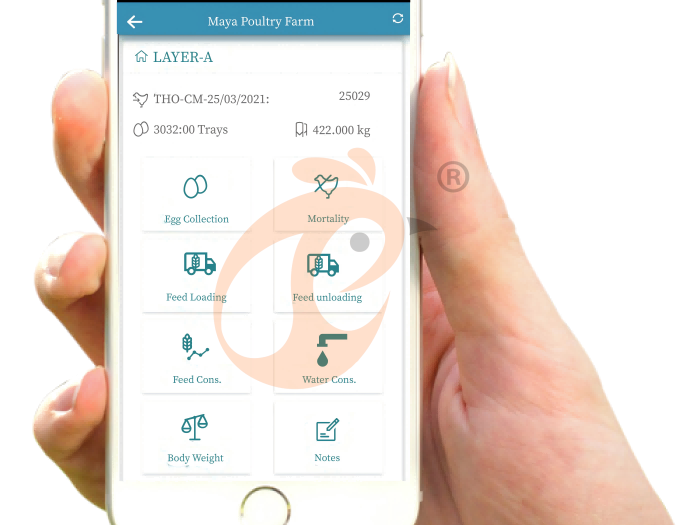
 IoT Smart Poultry FarmRead More
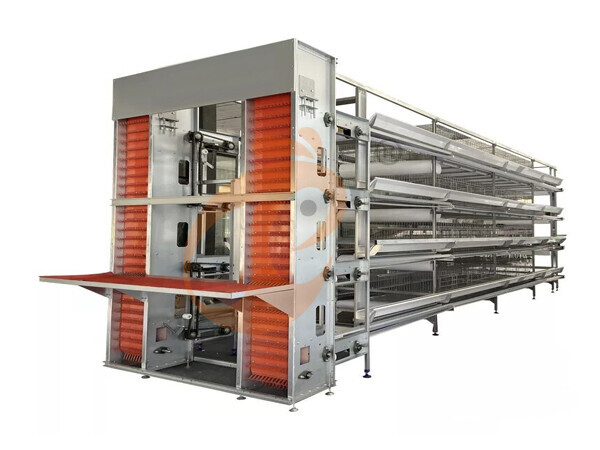
 >30,000 Layers Automatic H Type Battery CageRead More
 10,000 - 30,000 Layers Automatic A Type Battery CageRead More
MESSAGE