

BLOG
Poultry equipment daily operation best practices define structured control of feeding, ventilation, watering, and climate stability for modern poultry production systems
Daily management improves bird growth consistency, reduces equipment failure risk, and supports stable environmental performance across poultry houses
Feeding accuracy, water delivery stability, and airflow balance directly influence metabolic efficiency and flock uniformity in commercial systems
Automated monitoring, biosecurity integration, and waste handling systems strengthen operational resilience across different poultry housing models
Scientific control of temperature, humidity, and ammonia levels ensures healthier production cycles and improved equipment lifecycle efficiency
Get professional poultry farm construction guidance, equipment selection solutions, and the latest price lists, whatsApp to +8618830120193, click to learn more:
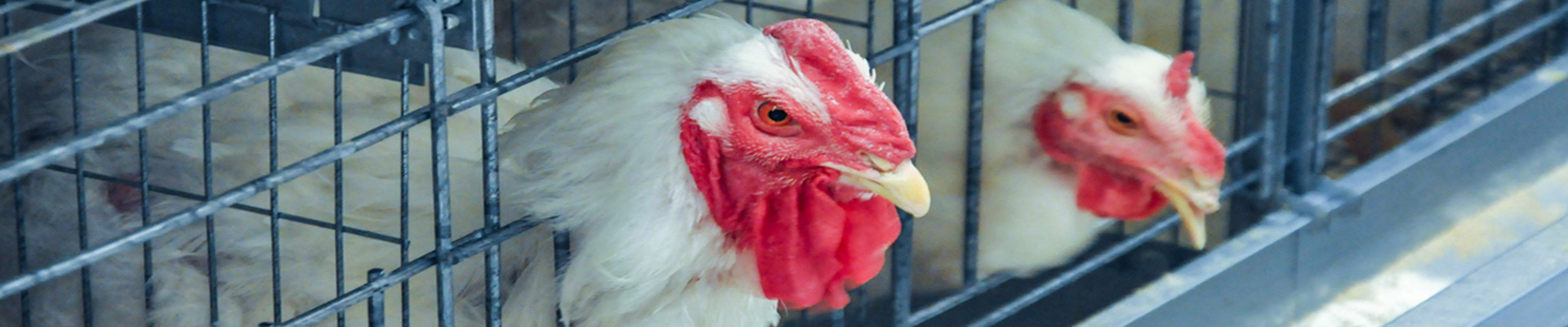
Why Daily Equipment Operation Matters
Modern poultry production depends on precise coordination between mechanical systems and biological growth cycles
A structured poultry equipment daily operation best practices framework ensures stable environmental conditions and reduces unexpected production loss
Chickens respond rapidly to environmental fluctuations and require consistent airflow, hydration, and feed access
Small deviations in system performance may result in measurable reductions in weight gain efficiency and immunity response
Environmental instability directly affects feed conversion performance and long-term flock profitability
Daily Equipment Inspection Checklist
Data is for reference only.Swipe horizontally to view full table.
Feeding System Operation Best Practices
Data is for reference only.Swipe horizontally to view full table.
Commercial poultry equipment daily operation best practices ensure stable feed distribution across broiler and layer systems
Automatic poultry feeding system maintenance improves feed efficiency ratio consistency and reduces mechanical downtime risk
Feed uniformity plays a critical role in reducing flock competition and improving biological growth synchronization
Mechanical feeding precision directly influences metabolic energy allocation in poultry development cycles
Watering System Maintenance
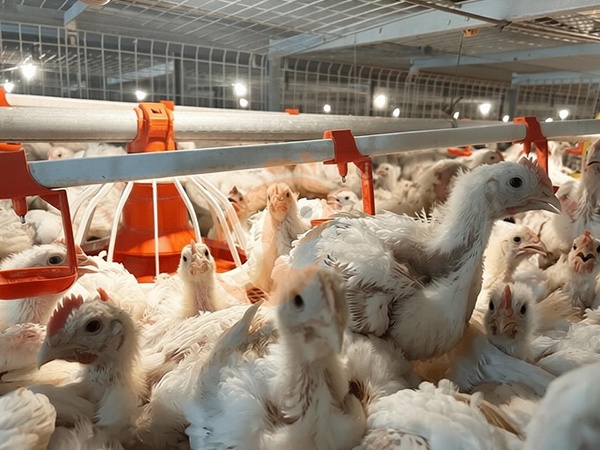
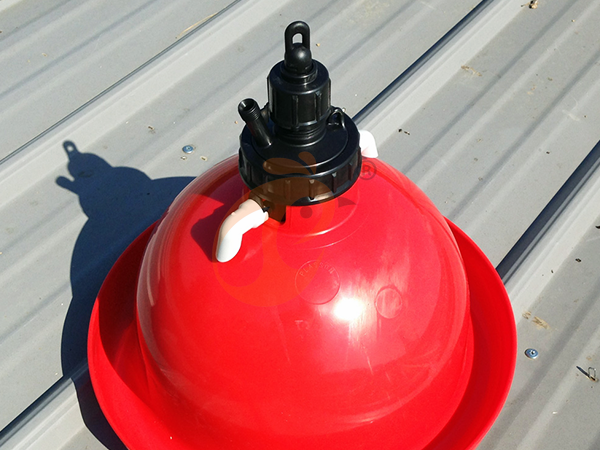
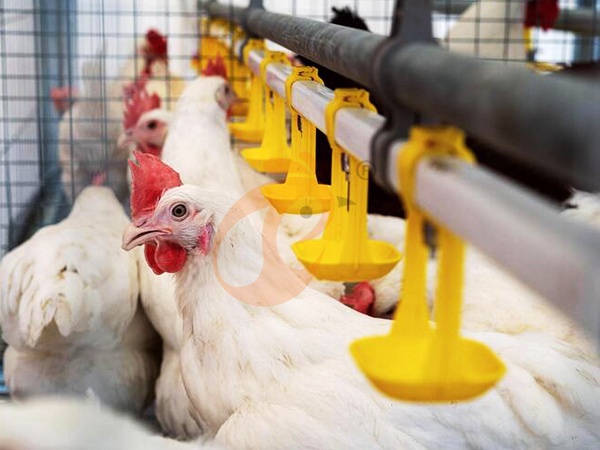
Data is for reference only.Swipe horizontally to view full table.
Water intake directly affects digestion efficiency and temperature regulation in poultry physiology
Hydration consistency supports enzymatic activity and nutrient absorption efficiency across growth stages
System blockage prevention ensures stable consumption rates and reduces metabolic stress indicators
Ventilation System Operation
Data is for reference only.Swipe horizontally to view full table.
Commercial poultry house ventilation control ensures ammonia dilution and thermal stability across production cycles
Air exchange systems regulate oxygen levels and reduce respiratory disease risks in dense housing environments
Balanced airflow prevents localized heat zones and improves litter dryness performance
Temperature And Humidity Control
Data is for reference only.Swipe horizontally to view full table.
Thermal regulation directly influences metabolic enzyme efficiency and immune response strength
Humidity balance supports respiratory comfort and reduces dust particle concentration inside poultry houses
Environmental stability improves feed conversion efficiency and reduces stress-induced energy loss
Biosecurity Equipment Management
Data is for reference only.Swipe horizontally to view full table.
Biosecurity systems reduce pathogen transmission probability across poultry production environments
Effective sanitation control lowers infection pressure and supports stable flock immunity development
Waste Management And Litter Systems
Data is for reference only.Swipe horizontally to view full table.
Waste control systems directly affect respiratory health and microbial balance inside poultry housing
Moisture regulation prevents pathogen proliferation and improves bedding stability
Automation And Monitoring Systems
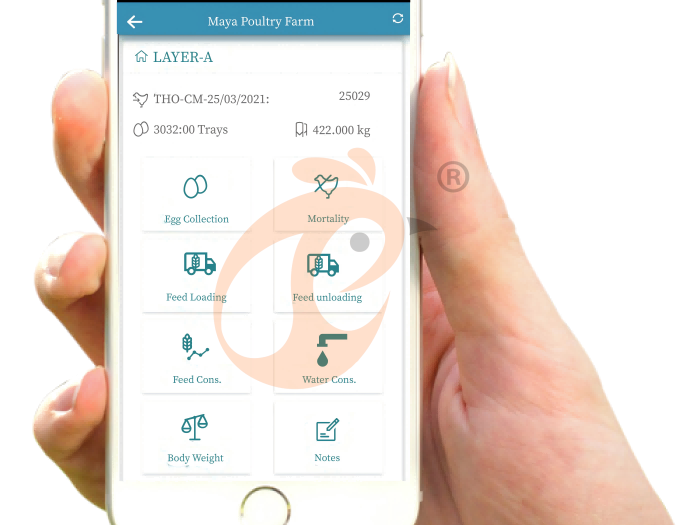
Sensor-driven automation systems integrate feeding, ventilation, and environmental control into unified platforms
Real-time monitoring improves operational accuracy and reduces manual intervention requirements
Data calibration stability remains essential for maintaining reliable system outputs
Predictive alerts support early detection of abnormal consumption or environmental shifts
Automation improves overall production consistency across large-scale poultry facilities
Common Equipment Failures And Troubleshooting
Typical system issues include feed blockage, pressure instability, fan imbalance, and sensor deviation
Rapid diagnosis and isolation procedures reduce downtime and limit production disruption
Backup system activation ensures continuous environmental stability during failure events
Preventive maintenance scheduling reduces mechanical fatigue and extends equipment lifecycle
Corrective response protocols improve recovery speed and operational resilience
Frequently Asked Questions
Q1: What is the ideal daily inspection frequency for poultry equipment?
Daily inspection is recommended for all core systems including feeding, watering, and ventilation
Critical components such as fans and nipples require at least one full cycle check every 24 hours
Q2: How does ventilation affect poultry growth performance?
Ventilation controls ammonia concentration and temperature distribution inside poultry houses
Ammonia levels above 18 ppm may reduce respiratory efficiency and growth consistency
Q3: What is the main benefit of automated feeding systems?
Automated systems improve feed distribution uniformity and reduce manual error rates
System calibration accuracy typically stays within 3% deviation under stable conditions
Taiyu (HK) Group - One Of China Biggest Poultry Equipment Manufacturer
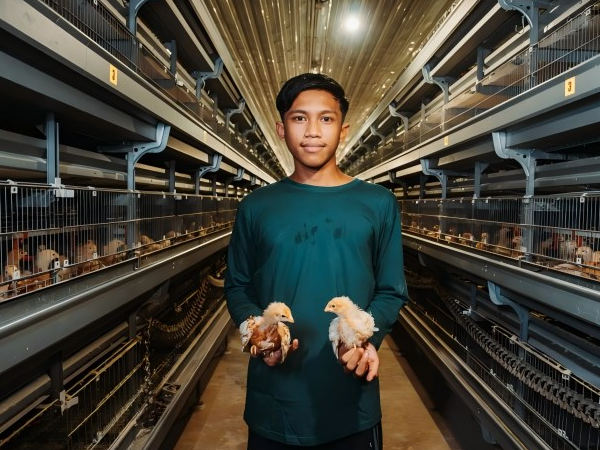
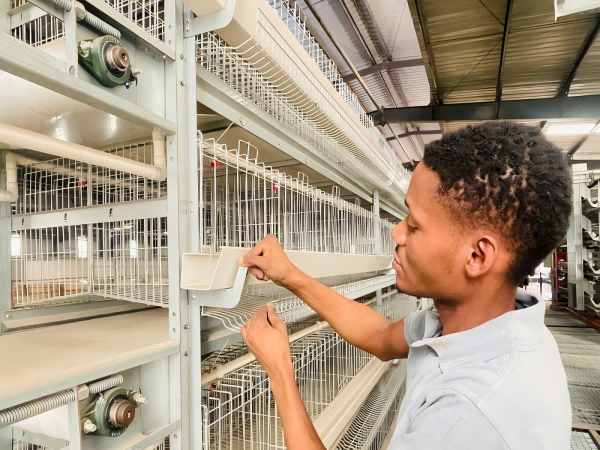
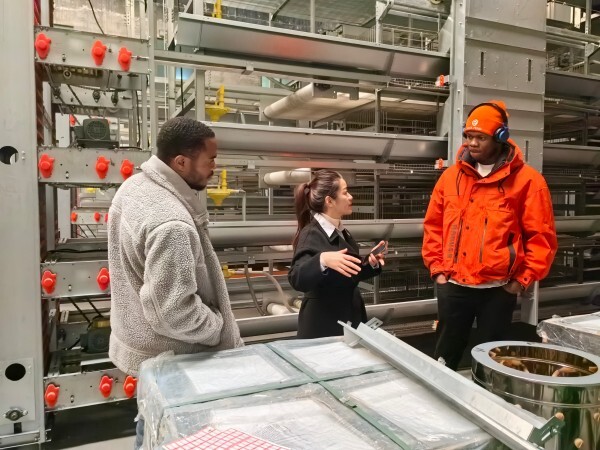
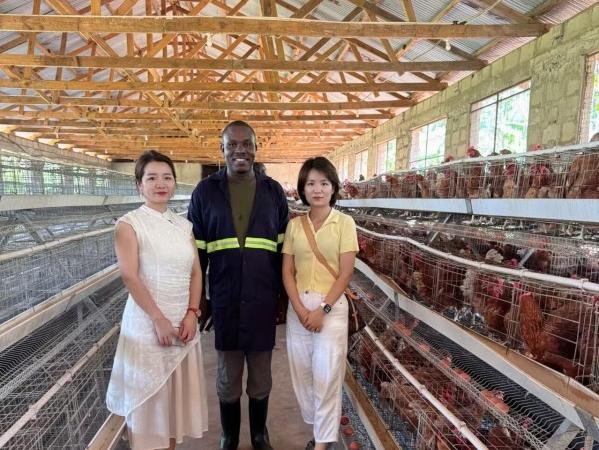
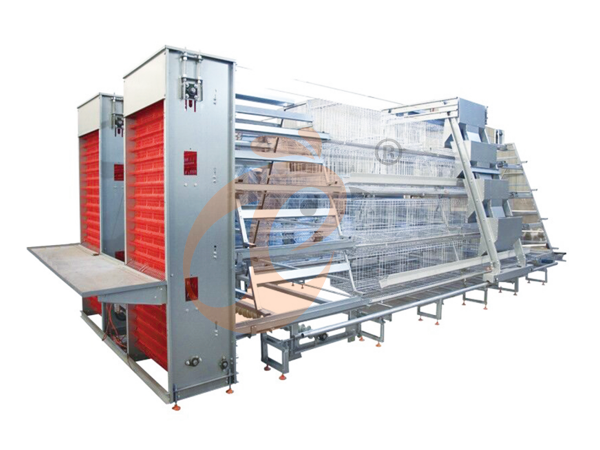
Poultry equipment systems deployed in commercial broiler and layer farms with integrated environmental control architecture
Global factory direct supply chain ensures standardized poultry equipment production and stable engineering delivery cycles
Turn-key project execution includes housing design, feeding system integration, and automated ventilation installation solutions
Industrial poultry equipment modules support scalable farm expansion and long-term operational reliability
Technical support structure includes remote diagnostics, maintenance scheduling, and lifecycle optimization services
Contact Us To Received Your Customized Poultry Farm Plan
Headquarters And Branchs
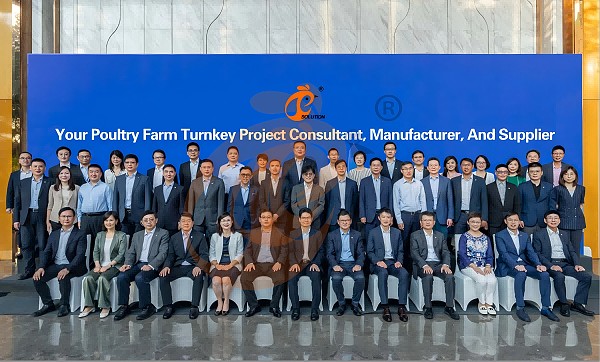
Hong Kong Headquarter Management Team
Hong Kong Headquarter Taiyu Industrial Group CO., LTD
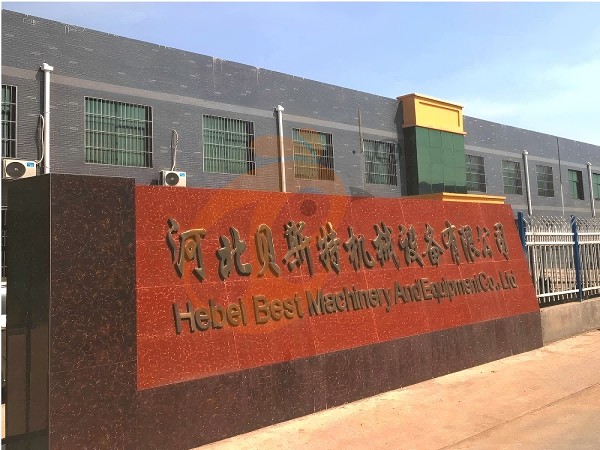
China Hebei Best Machinery And Equipment CO., LTD
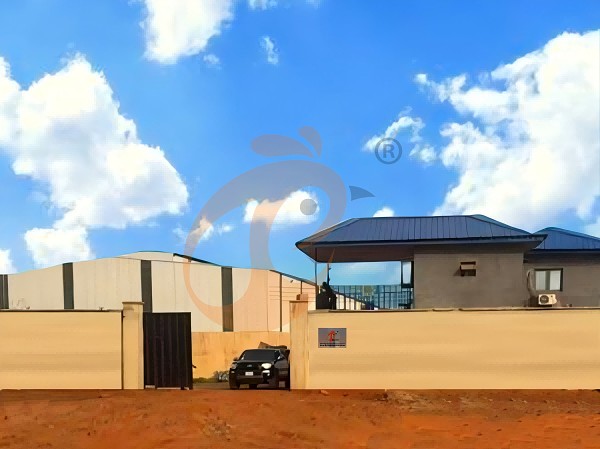
Nigeria Vanke Machinery And Equipment CO., LTD
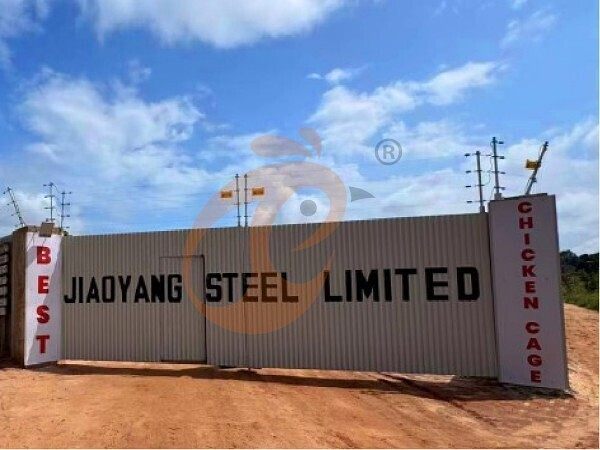
Tanzania Best Machinery And Equipment CO., LTD
Ethiopia Best Hebei Machinery Manufacturing PLC

Reception /24 WhatsApp NO. : +8618830120193
PRODUCTS RECOMMENDED
 China Branch Manufacture Poultry Farm EquipmentRead More
 Ethiopia Branch Manufacture Poultry Farm EquipmentRead More
 Nigeria Branch Manufacture Poultry Farm EquipmentRead More
 Tanzania Branch Manufacture Poultry Farm EquipmentRead More
 IoT Smart Poultry FarmRead More
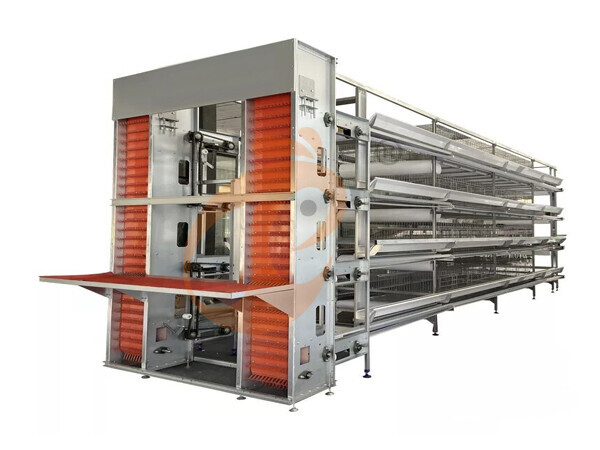
 >30,000 Layers Automatic H Type Battery CageRead More
 10,000 - 30,000 Layers Automatic A Type Battery CageRead More
MESSAGE