

BLOG
Floor rearing system profitability depends on housing efficiency, operational planning, and market-oriented production management.
Modern poultry farming requires careful control of feed utilization, flock performance, and production scheduling to improve financial outcomes.
Broiler floor system investment analysis helps producers evaluate startup requirements, operating expenses, and long-term returns.
Bird welfare, environmental conditions, and resource allocation influence productivity across different farm sizes and production models.
Practical return on investment strategies presented below examine cost structures, revenue drivers, performance indicators, and technical management approaches supporting sustainable business growth.
Get professional poultry farm construction guidance, equipment selection solutions, and the latest price lists, whatsApp to +8618830120193, click to learn more:
What Is A Floor Rearing System?
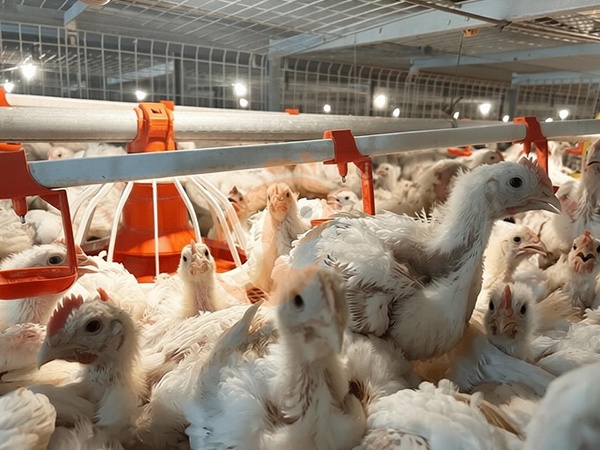
A floor rearing system allows poultry to move freely inside a house covered with bedding materials such as wood shavings, rice husks, or chopped straw.
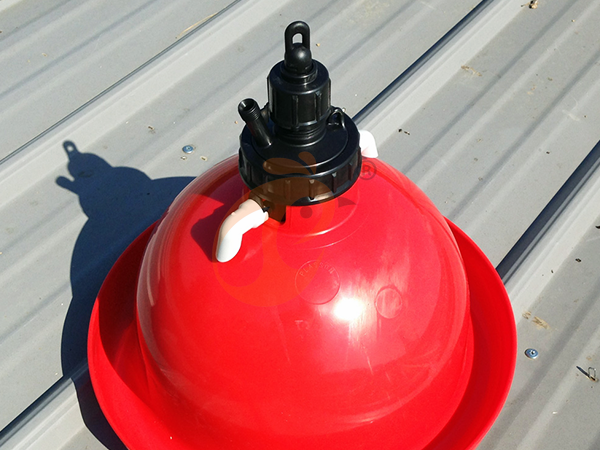
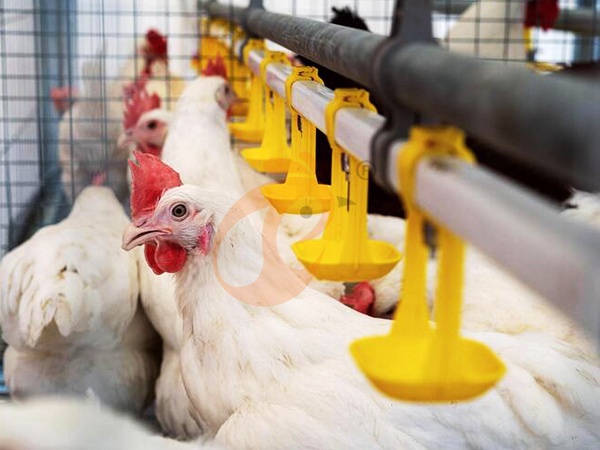
Feeders and drinkers are distributed throughout the building, providing easy access to feed and water.
Compared with many intensive housing methods, floor-based production generally requires less equipment investment while maintaining operational flexibility.
Data is for reference only.Swipe horizontally to view full table.
Appropriate space allocation supports flock comfort, movement, and production consistency.
Why Farmers Choose Floor Systems
Many poultry producers select floor systems because capital requirements remain manageable compared with highly automated housing solutions.
Building designs can often be adapted for different bird categories according to changing market demand.
Scientific observations indicate that birds raised on litter can express behaviors such as walking, scratching, and dust bathing under suitable management conditions.
Flexibility and scalability continue to make floor systems attractive across commercial poultry operations.
Initial Investment Analysis
Investment planning forms the foundation of every profitable operation.
Construction quality, equipment selection, and environmental control systems influence long-term operational performance.
European union standard reference only.
Data is for reference only.Swipe horizontally to view full table.
Total investment reaches approximately $32,500.
Cost-effective infrastructure planning can improve capital utilization throughout the project lifecycle.
Understanding Operating Expenses
Daily production expenses significantly influence overall profitability.
Feed commonly represents the largest operating expenditure, followed by chick procurement, labor requirements, utility consumption, and flock health programs.
European union standard reference only.Data is for reference only.Swipe horizontally to view full table.
Accurate cost monitoring supports informed management decisions and resource allocation.
How Floor Rearing Generates Revenue
Revenue originates primarily from poultry sales, while additional income may be generated through manure utilization and litter recycling.
Financial performance depends on production weight, feed conversion efficiency, flock survival, product pricing, and annual production frequency.
Small operational improvements can create meaningful gains when applied consistently across multiple production cycles.
Broiler floor system management often focuses on optimizing these measurable indicators.
Key Performance Benchmarks For Sustainable Operations
Successful poultry enterprises often evaluate operational stability through measurable production benchmarks rather than short-term sales results.
A well-managed facility may achieve an average body weight of 2.48 kg at market age, daily water consumption of 0.21 liters per bird, ventilation capacity of 6.8 m³ per hour per bird, and litter moisture maintained near 24%.
Environmental monitoring commonly targets an indoor temperature of 22°C, ammonia concentration below 12 ppm, and relative humidity around 58%.
Continuous tracking of these technical indicators helps producers improve flock uniformity, maintain healthier housing conditions, reduce management variability, and support more predictable financial performance throughout annual production programs.
Return On Investment Tip #1: Improve Feed Conversion Efficiency
Feed efficiency directly affects production economics.
Reducing feed waste and maintaining balanced nutrition can improve profitability without requiring major capital expenditures.
Data is for reference only.Swipe horizontally to view full table.
Recommended management practices include feeder adjustment, feed quality verification, and routine performance monitoring.
Return On Investment Tip #2: Reduce Mortality Through Preventive Health Programs
Disease prevention remains more economical than disease treatment.
Comprehensive flock health programs should include vaccination schedules, water sanitation, visitor control procedures, and biosecurity management.
European union standard reference only.
Data is for reference only.Swipe horizontally to view full table.
Improved survival performance contributes directly to revenue generation and production stability.
Return On Investment Tip #3: Optimize Stocking Density
Stocking density influences environmental quality, litter condition, growth consistency, and flock uniformity.
Excessive population concentration may increase management complexity, while excessive unused space may reduce facility utilization.
Performance records should guide density adjustments according to production objectives and environmental conditions.
Modern poultry farming operations frequently evaluate stocking density as a key productivity parameter.
Return On Investment Tip #4: Lower Energy Consumption
Energy management contributes to cost reduction and operational sustainability.
Efficient ventilation and lighting systems can decrease electricity usage while maintaining suitable environmental conditions.
European union standard reference only.
Data is for reference only.Swipe horizontally to view full table.
Regular maintenance of electrical equipment supports long-term efficiency performance.
Return On Investment Tip #5: Increase Production Cycles Per Year
Annual profitability depends not only on individual flock results but also on the number of completed production cycles.
Reducing turnaround periods between flocks can improve facility utilization and annual revenue potential.
Data is for reference only.Swipe horizontally to view full table.
Effective scheduling and sanitation planning support faster production turnover.
Frequently Asked Questions
Q1: How many birds can a floor house accommodate?
Capacity depends on building dimensions and stocking density.
A 100 m² poultry house may accommodate approximately 769 Brown Layers or 1,428 Broilers under reference conditions.
Q2: What feed conversion ratio is considered competitive?
Many commercial broiler operations target FCR values between 1.65 and 1.80.
Actual performance varies according to genetics, nutrition programs, and environmental management.
Q3: Can energy-saving equipment improve financial returns?
Yes.Reducing annual electricity usage from 18,400 kWh to 12,980 kWh may lower utility expenses by approximately $759 annually under comparable operating conditions.
Taiyu (HK) Group - One Of China Largest Floor Rearing System Manufacturer
Floor rearing system solutions are applied in broiler farms, layer farms, breeder projects, and integrated poultry production facilities requiring scalable housing infrastructure.
Global factory-direct supply structure supports project execution across multiple regions while maintaining standardized manufacturing specifications.
Poultry equipment portfolio includes feeding systems, drinking systems, ventilation units, environmental controllers, manure handling solutions, and steel structure buildings.
Turn-key engineering services cover project design, equipment integration, installation guidance, commissioning procedures, and operational training support.
Technical teams coordinate commercial specifications, production planning, logistics management, and lifecycle equipment matching for different project capacities and climatic conditions.
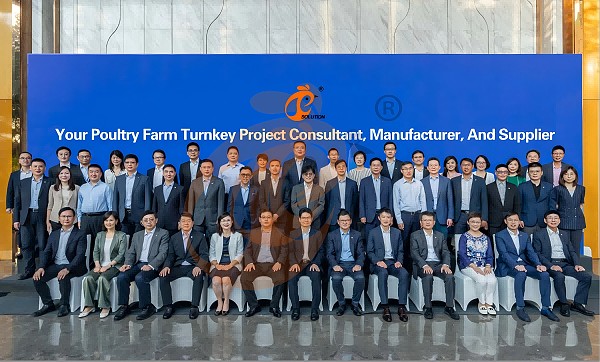
Contact Us To Received Your Customized Poultry Farm Plan
Headquarters And Branchs

Hong Kong Headquarter Management Team
Hong Kong Headquarter Taiyu Industrial Group CO., LTD
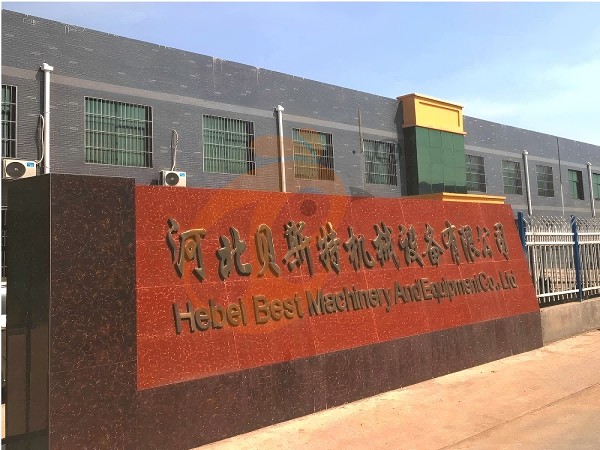
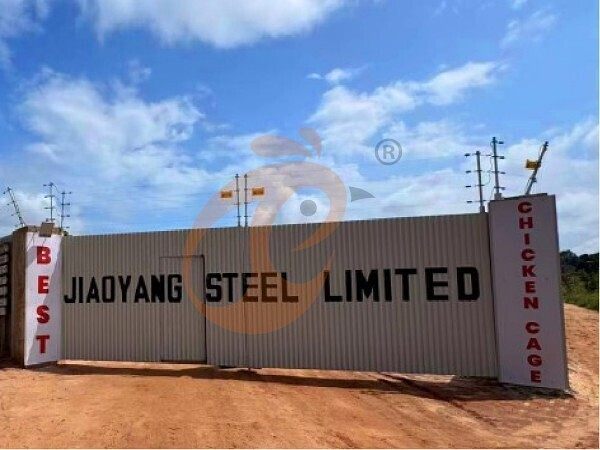
China Hebei Best Machinery And Equipment CO., LTD
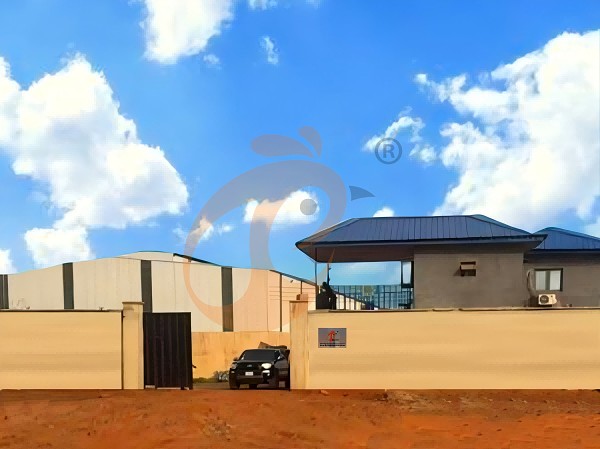
Nigeria Vanke Machinery And Equipment CO., LTD
Tanzania Best Machinery And Equipment CO., LTD
Ethiopia Best Hebei Machinery Manufacturing PLC

Reception /24 WhatsApp NO. : +8618830120193
PRODUCTS RECOMMENDED
 China Branch Manufacture Poultry Farm EquipmentRead More
 Ethiopia Branch Manufacture Poultry Farm EquipmentRead More
 Nigeria Branch Manufacture Poultry Farm EquipmentRead More
 Tanzania Branch Manufacture Poultry Farm EquipmentRead More
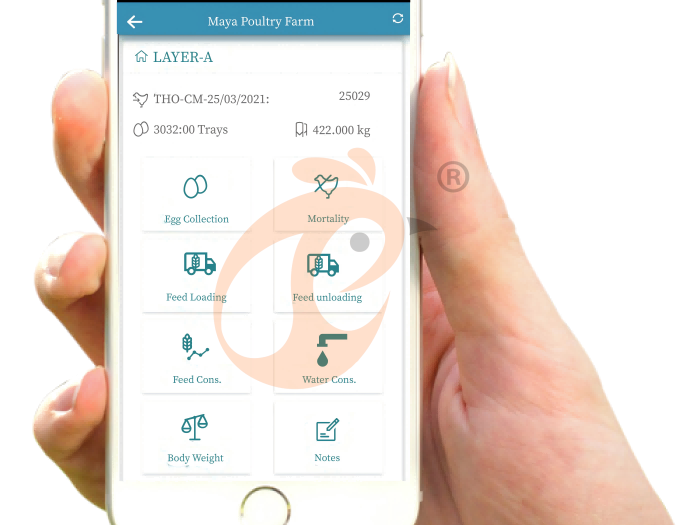
 IoT Smart Poultry FarmRead More
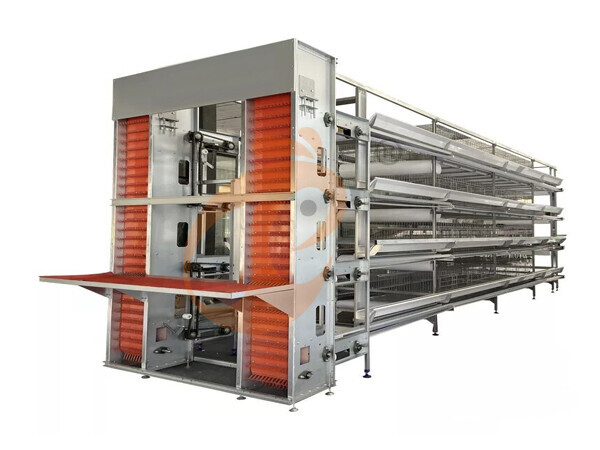
 >30,000 Layers Automatic H Type Battery CageRead More
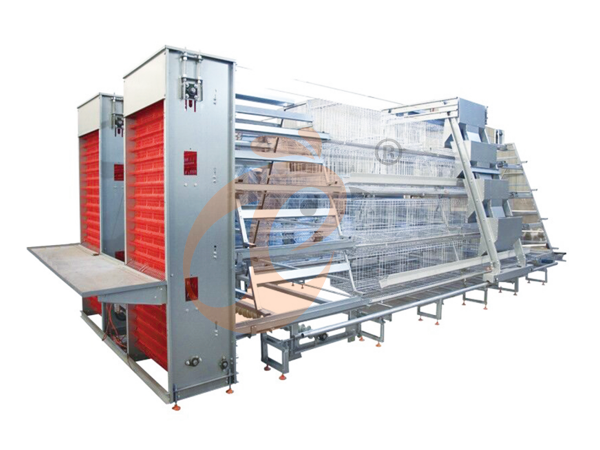
 10,000 - 30,000 Layers Automatic A Type Battery CageRead More
MESSAGE