

BLOG
Stocking density interacts with ventilation capacity to stabilize metabolic heat balance in cage environment
Structural steel allocation per bird determines long-term mechanical fatigue resistance of cage system
Feed intake and water delivery synchronization regulate laying cycle efficiency across production phases
Production cycle output stability is governed by cumulative mortality control and environmental consistency
Get professional poultry farm construction guidance, equipment selection solutions, and the latest price lists, whatsApp to +8618830120193, click to learn more:
Layer Cage System Engineering Design
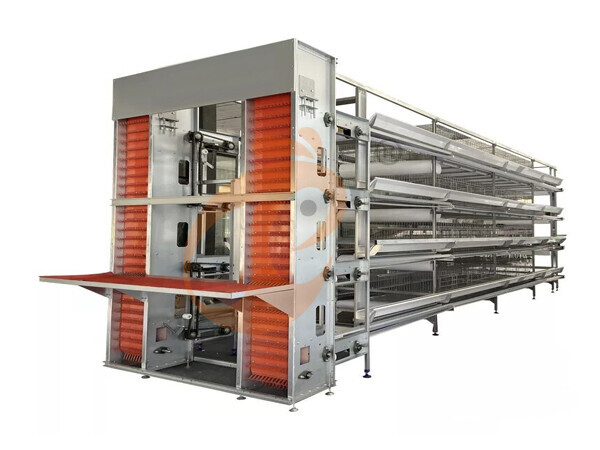
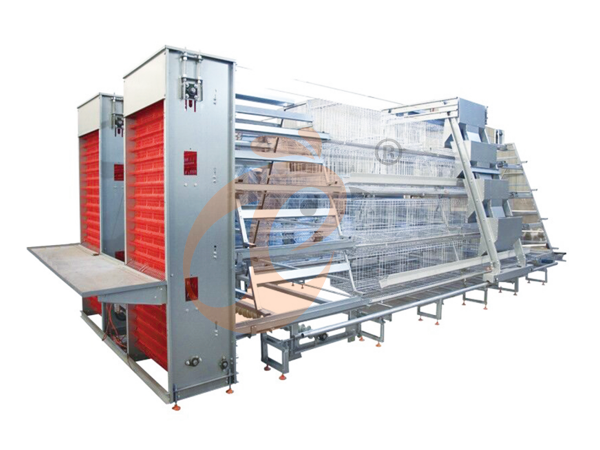
Cage engineering design in commercial poultry farm equipment systems is defined by mechanical load capacity, corrosion resistance, and airflow exchange efficiency across multi-tier structures.
Data is for reference only.Swipe horizontally to view full table.
System stability is determined by synchronization between feed distribution geometry and ventilation velocity per bird unit.
Layer Cage Price Structure Analysis
Layer battery cage price in poultry cage investment is structured on per-bird engineering cost, where steel density and automation load define final capital requirement.
Data is for reference only.Swipe horizontally to view full table.
Investment variation is primarily driven by galvanized steel tonnage pricing fluctuation between 650–950 USD/ton.
Egg Production Performance Metrics
Egg production system efficiency is calculated through feed conversion ratio, environmental stability, and biological stress control indicators within cage environments.
Data is for reference only.Swipe horizontally to view full table.
Production efficiency increases when density, ventilation, and feed particle size (0.8–2.5 mm) remain synchronized.
Cost Composition Structure
Poultry farm equipment cost structure reflects engineering hierarchy between steel framework, automation system, and logistics integration.
Data is for reference only.Swipe horizontally to view full table.
Galvanized coating thickness of 275 g/m² determines corrosion resistance lifespan under humid poultry environments.
Farm Productivity Comparison
Layer cage systems modify biological output by controlling spatial density, feed waste ratio, and labor dependency per production unit.
Data is for reference only.Swipe horizontally to view full table.
Feed loss reduction is achieved through controlled trough geometry and daily feeding cycle stabilization every 24 hours.
Return On Investment And Financial Return Model
Investment return is derived from cumulative egg output, feed consumption efficiency, and labor cost compression over full laying cycles.
Data is for reference only.Swipe horizontally to view full table.
Payback cycle is strongly dependent on feed cost structure and mortality stabilization.
Cage System Configuration Planning
Cage vertical expansion requires precise balance between structural height, airflow velocity, and ammonia concentration control.
Data is for reference only.Swipe horizontally to view full table.
Ventilation mismatch increases thermal stress index when ambient temperature exceeds 28°C in enclosed poultry houses.
Operation And Maintenance System
Operational continuity depends on mechanical calibration cycles and hydraulic consistency across feed and water distribution lines.
Data is for reference only.Swipe horizontally to view full table.
System downtime increases exponentially when manure belt tension exceeds calibrated range.
Common Farm Management Mistakes
Stocking density exceeding 18 birds/m² generates nonlinear stress accumulation under restricted ventilation conditions.
Feed particle inconsistency above 2.5 mm reduces ingestion efficiency across layered cage tiers.
Water pressure imbalance across nipple lines causes uneven egg production distribution within flocks.
5 Key Tips For Egg Farm Optimization
Cage tier selection must match building height and ventilation capacity per cubic meter airflow design.
Feed line calibration must ensure uniform nutrient delivery across all cage rows in 24-hour cycles.
Water pressure stabilization is required to maintain consistent egg production across all flock levels.
Manure belt timing should align with ammonia threshold control below biologically critical concentration levels.
Stocking density must remain within engineered birds-per-square-meter limits to avoid production decline.
Frequently Asked Questions
Q1: What determines layer battery cage price in poultry farms?
A1: Layer battery cage price is determined by steel consumption per bird, automation system density, and installed capacity per poultry farm equipment design structure.
Q2: How does cage system improve egg production efficiency?
A2: Cage systems improve efficiency by stabilizing feed delivery at 110–115 g/day, reducing waste to 2–4%, and controlling stocking density in engineered poultry cage environments.
Q3: What is the optimal stocking density for cage systems?
A3: Optimal stocking density ranges from 14–18 birds/m² depending on ventilation capacity of 3.5–5.5 m³/h/bird and cage tier configuration.
Taiyu (HK) Group - One Of China Biggest Poultry Layer Cage Manufacturer Supplier
Global factory direct supply providing integrated poultry farm equipment manufacturing and engineered poultry cage production for commercial-scale egg farms.
Turn-key engineering services covering design, installation, and commissioning of complete egg production system projects worldwide.
High-capacity production of layer battery cage system supporting standardized global export of poultry cage infrastructure.
Full integration of manufacturing, logistics, and installation for poultry farm equipment and automated cage farming systems.
Professional engineering support delivering scalable egg production system solutions for modern industrial poultry farming operations.
Contact Us To Received Your Customized Poultry Farm Plan
Headquarters And Branchs

Hong Kong Headquarter Management Team
Hong Kong Headquarter Taiyu Industrial Group CO., LTD
China Hebei Best Machinery And Equipment CO., LTD
Nigeria Vanke Machinery And Equipment CO., LTD
Tanzania Best Machinery And Equipment CO., LTD
Ethiopia Best Hebei Machinery Manufacturing PLC




Reception /24 WhatsApp NO. : +8618830120193
PRODUCTS RECOMMENDED
 China Branch Manufacture Poultry Farm EquipmentRead More
 Ethiopia Branch Manufacture Poultry Farm EquipmentRead More
 Nigeria Branch Manufacture Poultry Farm EquipmentRead More
 Tanzania Branch Manufacture Poultry Farm EquipmentRead More
 IoT Smart Poultry FarmRead More
 >30,000 Layers Automatic H Type Battery CageRead More
 10,000 - 30,000 Layers Automatic A Type Battery CageRead More
MESSAGE