

BLOG
Pralson feeders are precision-controlled poultry feeding systems designed with 0.8–1.2 mm feed flow tolerance for industrial poultry production lines.
Daily cleaning ensures poultry feed hygiene and reduces microbial contamination that can exceed 10⁵–10⁶ CFU/g in humid environments above 70% relative humidity.
Proper maintenance reduces gearbox wear rate by approximately 18% per 1,000 operating hours under continuous feeding cycles.
Moisture accumulation above 13% inside feeder trays increases mold formation probability within 36 hours under standard farm conditions.
Structured cleaning protocols reduce feed loss by up to 2.3% per production cycle in automated poultry houses.
Get professional poultry farm construction guidance, equipment selection solutions, and the latest price lists, whatsApp to +8618830120193, click to learn more:
Understanding Feed Contamination In Pralson Feeders
Data is for reference only.Swipe horizontally to view full table.
Extended field tests show bacterial reproduction speed doubles every 7.2 hours when moisture exceeds 16%.
Residual protein decomposition begins after 28–32 hours, releasing ammonia concentrations above 12 ppm in enclosed systems.
Tip 1: Assemble Proper Cleaning Tools For Pralson Feeders
Data is for reference only.Swipe horizontally to view full table.
Industrial cleaning efficiency improves by 27% when nylon density exceeds 0.45 g/cm³ in round brushes.
Stainless steel scrapers with hardness rating above HRC 52 reduce residue adhesion by 63%.
Tip 2: Follow Step-By-Step Cleaning Workflow
Turn off feed supply system before any maintenance.
Remove all remaining feed from trays and discharge outlets.
Disassemble removable trays to check for trapped residue.
Brush inner surfaces focusing on edges and outlet paths.
Wipe surfaces using damp microfiber cloths.
Apply food-safe disinfectant at 200 ppm concentration evenly.
Allow feeders to dry for 45 minutes before refilling feed.
Airflow velocity above 1.5 m/s accelerates drying efficiency by approximately 40% in closed poultry houses.
Tip 3: Focus On Hygiene-Sensitive Zones
Data is for reference only.Swipe horizontally to view full table.
Microscopic feed particles smaller than 0.3 mm accumulate in tray junction zones and accelerate biofilm formation within 18 hours.
Tip 4: Choose Correct Cleaning Solutions
Data is for reference only.Swipe horizontally to view full table.
Chlorine dioxide oxidation potential reaches 1.27 V, enabling rapid breakdown of organic biofilms within 180–240 seconds exposure time.
(European union standard reference only)
How Daily Cleaning Prevents Feedborne Illness
Feed residues in Pralson feeders create microbial ecosystems dominated by Gram-negative bacteria under oxygen-limited conditions.
Salmonella replication rate increases by 1.8 times when ambient temperature rises from 22°C to 28°C.
Residual fat oxidation produces peroxides exceeding 35 meq/kg after 24 hours.
Biofilm layers can reach 120–150 microns thickness within 48 hours without mechanical removal.
These factors reduce nutrient absorption efficiency and disrupt intestinal microbial balance in poultry.
Tip 5: Monitor Moisture And Temperature
Data is for reference only.Swipe horizontally to view full table.
Condensation risk increases by 22% when ambient humidity exceeds 75%.
Tip 6: Maintain A Daily Cleaning Schedule
Data is for reference only.Swipe horizontally to view full table.
Consistent scheduling reduces mechanical blockage incidents by 83% annually.
Preventive Maintenance: Inspect While Cleaning
Data is for reference only.Swipe horizontally to view full table.
Vibration above 2.5 mm/s RMS indicates early mechanical fatigue in feeder structures.
Cleaning Efficiency Metrics
Data is for reference only.Swipe horizontally to view full table.
Feed flow deviation is reduced to below 2.1% after consistent cleaning cycles.
Final Checklist For Pralson Feeder Cleaning
Data is for reference only.Swipe horizontally to view full table.
Checklist compliance reduces human error below 4.5%.
Environmental Control Impact On Pralson Feeder Cleaning Performance
Data is for reference only.Swipe horizontally to view full table.
Stable environmental control improves sanitation efficiency by reducing secondary contamination during drying phases.
Airflow above 1.5 m/s shortens microbial reattachment time to under 20 minutes.
Controlled ammonia levels below 10 ppm significantly reduce stainless steel oxidation rates in feeder systems.
Frequently Asked Questions
Q1: How frequently should Pralson feeders undergo full cleaning cycles?
Full cleaning should be performed every 24 hours, while mid-cycle inspections every 6–8 hours help maintain microbial stability and
prevent early-stage feed degradation under humid poultry housing conditions.
Q2: What is the recommended disinfectant concentration for safe cleaning?
A 200 ppm chlorine dioxide solution is recommended because it achieves strong microbial elimination while maintaining material stability
and preventing corrosion in stainless steel feeder components.
Q3: Can moisture monitoring improve feed conversion ratio (FCR)?
Yes, maintaining internal moisture below 12% stabilizes feed flow consistency, reduces microbial growth, and improves nutrient
absorption efficiency, directly enhancing FCR performance in poultry systems.
Taiyu (HK) Group - One Of China Largest Pralson Feeders Manufacturer
Pralson feeders engineered for precise feed distribution in modern poultry systems with stable mechanical performance.
Global factory direct sales ensure competitive pricing and consistent supply capability for large-scale farms.
Full range poultry equipment covers feeding, drinking, and housing system integration.
Turn-key engineering services provide complete farm design, installation, and commissioning support.
International export network supports fast delivery and long-term technical assistance worldwide.
Contact Us To Received Your Customized Poultry Farm Plan
Headquarters And Branchs

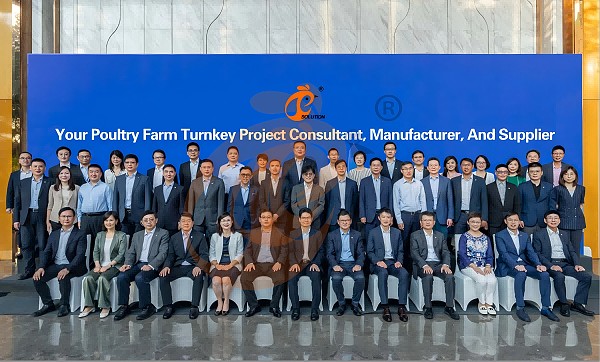
Hong Kong Headquarter Management Team
Hong Kong Headquarter Taiyu Industrial Group CO., LTD
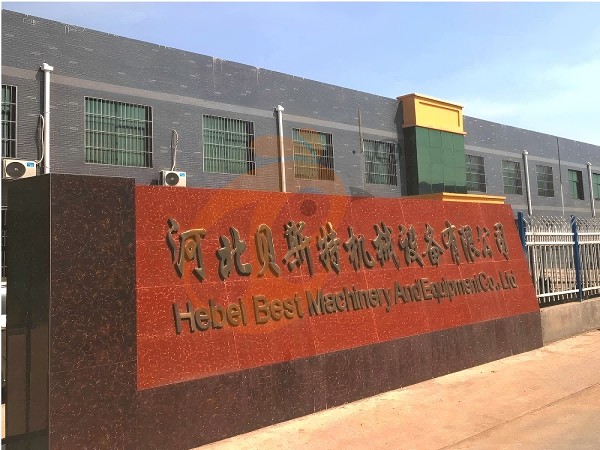
China Hebei Best Machinery And Equipment CO., LTD
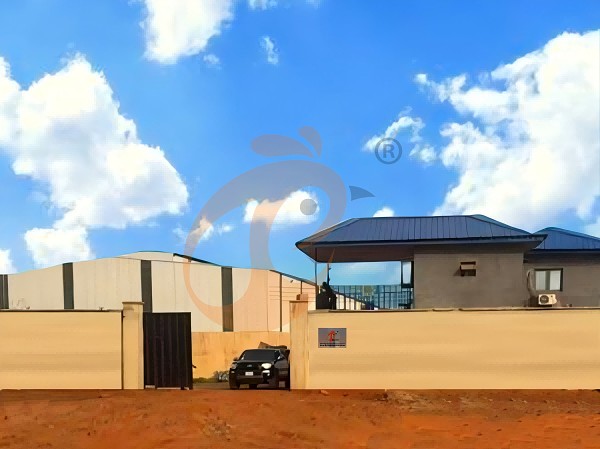
Nigeria Vanke Machinery And Equipment CO., LTD
Tanzania Best Machinery And Equipment CO., LTD
Ethiopia Best Hebei Machinery Manufacturing PLC


Reception /24 WhatsApp NO. : +8618830120193
PRODUCTS RECOMMENDED
 China Branch Manufacture Poultry Farm EquipmentRead More
 Ethiopia Branch Manufacture Poultry Farm EquipmentRead More
 Nigeria Branch Manufacture Poultry Farm EquipmentRead More
 Tanzania Branch Manufacture Poultry Farm EquipmentRead More
 IoT Smart Poultry FarmRead More
 >30,000 Layers Automatic H Type Battery CageRead More
 10,000 - 30,000 Layers Automatic A Type Battery CageRead More


MESSAGE