

BLOG
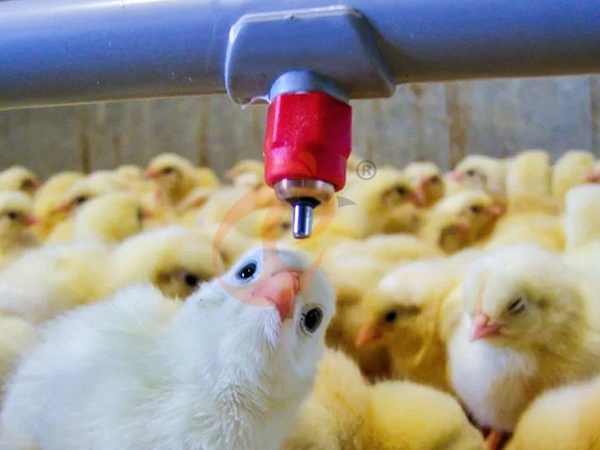
Nipple drinker maintenance system optimization ensures stable poultry hydration performance across intensive livestock environments.
Hydraulic stability control reduces microbial contamination risk and improves long-term equipment durability under farm operating stress conditions.
Biofilm suppression, mineral scale control, and pressure regulation enhance drinking line efficiency and reduce mechanical failure rates.
Filtration precision engineering combined with chemical sanitation cycles stabilizes water quality consistency across distributed piping networks.
Structural alignment accuracy improves flow uniformity and minimizes leakage events across high-density poultry production facilities.
Get professional poultry farm construction guidance, equipment selection solutions, and the latest price lists, whatsApp to +8618830120193, click to learn more:
Industrial Nipple Drinker System Maintenance Guide
Regular flushing of watering lines is the foundational defense against stagnant water and sediment accumulation.
Under normal conditions, water movement is slow, allowing particulates to settle and bacteria to develop.
A high-pressure flush removes debris before it can clog internal nipple mechanisms.
To be effective, flushing should achieve a flow velocity of approximately 1.5 to 2.0 feet per second, which provides sufficient force to dislodge sediment.
Water Quality And Scale Control Management
Nipple drinker maintenance optimization reduces calcium scale formation and microbial colonization risk in livestock watering systems.
Hard water contains elevated calcium and magnesium levels.
Over time, these minerals precipitate and form scale deposits inside pipes and nipple mechanisms.
Scale accumulation can restrict or block water flow and cause mechanical malfunction.
Scientific Context Biofilm Formation
Mineral scale creates surface irregularities inside pipes.
These surfaces allow bacteria such as E. coli and Salmonella to attach and form biofilm layers.
Biofilm is resistant to standard sanitation and can continuously contaminate water lines while restricting nipple function.
Water Quality Targets
Data is for reference only.Swipe horizontally to view full table.
Precision Pressure Regulation Control
Nipple drinker systems operate within a narrow low-pressure range controlled by a front-end regulator.
Incorrect hydraulic balance leads to either insufficient hydration or excessive leakage.
Excess pressure causes hard nipple activation, splashing, wet litter, and premature component wear.
Low pressure causes reduced flow, air blockage, and dehydration risk in livestock populations.
As livestock grows, pressure settings must be adjusted to match increased water demand.
Operational Benchmarks
Data is for reference only.Swipe horizontally to view full table.
Chemical Sanitize And Acidification Cycles
Structured chemical sanitation improves internal pipeline hygiene and prevents microbial colonization.
Oxidizing agents remove organic biofilm layers while acidic solutions dissolve mineral scale deposits.
Improper concentration can degrade seals and O rings inside the nipple system.
Step 1 Oxidizing cleaning phase removes organic contamination using hydrogen peroxide or chlorine.
Step 2 Acidification phase dissolves mineral scale using citric acid or controlled acid blends.
Step 3 Neutral flushing phase restores balanced water conditions for livestock consumption.
Chemical Treatment Parameters
Data is for reference only.Swipe horizontally to view full table.
Mechanical Inspection And Wear Analysis
Nipple drinker components operate under continuous mechanical cycling stress across production cycles.
Trigger pins, sealing rings, and steel balls gradually degrade due to repeated activation forces.
Leakage signals early-stage mechanical failure requiring immediate replacement intervention.
Component Wear Classification
Data is for reference only.Swipe horizontally to view full table.
Advanced Filtration System Management
Filtration architecture protects nipple drinker systems from particulate intrusion and hydraulic obstruction.
Multi-stage filtration prevents sand, rust, and organic debris from entering valve mechanisms.
Fine particles inside valve seats cause incomplete sealing and continuous leakage.
Filtration Stage Structure
Data is for reference only.Swipe horizontally to view full table.
Line Leveling And Suspension Geometry Optimization
Data is for reference only.Swipe horizontally to view full table.
Pipeline leveling directly determines hydraulic continuity stability.
Even minor geometric deviation compounds into pressure segmentation across long drinking lines.
Structural recalibration using laser-guided alignment reduces activation variance and improves water delivery uniformity across all drinker nodes.
System Troubleshooting Matrix
Layered Diagnostic Classification System
Hydraulic Fault Layer
End-line flow drop occurs when cumulative friction loss exceeds 8–10% of initial inlet pressure.
Air binding typically forms at elevation peaks where velocity falls below 0.3 m/s threshold.
Pressure oscillation is commonly linked to unstable regulator diaphragm response time beyond 0.5 seconds delay.
Mechanical Fault Layer
Continuous dripping often correlates with trigger pin wear exceeding 0.2 mm tolerance deviation.
Irregular nipple rebound indicates spring fatigue under repeated actuation cycles above 1.2 million activations.
Housing micro-cracks expand under thermal cycling above 15–20°C daily fluctuation range.
Water Chemistry Fault Layer
White crystalline deposits form when calcium concentration exceeds 130–150 mg/L saturation index.
Brown discoloration indicates dissolved iron oxidation above 0.3 mg/L in feed water supply.
Slime accumulation increases sharply when residual disinfectant level drops below 0.5 ppm.
Cross-layer diagnostics improve fault isolation accuracy and reduce unnecessary full-line disassembly interventions.
Key Maintenance Products Overview
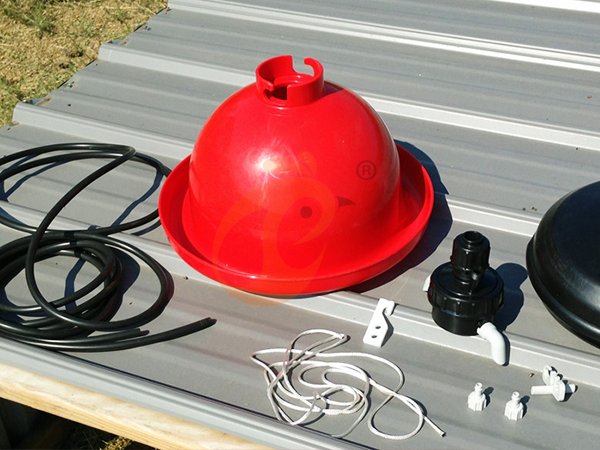
Nipple drinker maintenance products under poultry equipment category include pressure regulators, filtration systems, dosing injectors, and pipeline accessories.
These systems improve hydraulic stability and reduce microbial contamination risk across intensive farming operations.
Global factory direct supply enables cost efficiency aligned with European union standard reference only production requirements.
Turn-key engineering solutions integrate full installation, calibration, and operational commissioning support for large-scale livestock farms.
Poultry equipment manufacturing systems support automated watering infrastructure across multiple production environments.
Frequently Asked Questions
Q1: What causes frequent nipple leakage in drinking systems?
Leakage typically results from valve seat contamination, mineral scaling, or mechanical wear in trigger components.
Even small particulate intrusion can prevent full sealing and create continuous dripping that escalates into wet litter conditions.
Regular flushing, filtration maintenance, and pressure stabilization reduce this failure risk significantly across operational cycles.
Q2: How often should chemical cleaning be performed?
Chemical cleaning cycles depend on water hardness and microbial load conditions in the supply system.
Standard practice involves alternating oxidizing and acidic treatments during production breaks or between flock cycles.
Overuse of chemicals may degrade seals, so concentration control is essential for system longevity.
Q3: Why does pressure variation affect drinking performance?
Pressure imbalance changes activation force required for nipple engagement and directly impacts water accessibility for livestock.
High pressure leads to spillage and mechanical wear while low pressure reduces flow efficiency and hydration levels.
Proper calibration ensures consistent delivery across all growth stages and minimizes system stress.
Taiyu (HK) Group - One Of China Biggest Nipple Drinker System Manufacturer
Nipple drinker system maintenance equipment provides stable poultry water delivery and reduces contamination risk.
Global factory direct supply supports poultry equipment manufacturing and cost optimization.
Turn-key engineering solutions include installation, calibration, and full system integration services.
Poultry equipment production lines ensure consistent quality control and operational durability.
Large-scale manufacturing capacity supports automated drinking system deployment across commercial farms.
Contact Us To Received Your Customized Poultry Farm Plan
Headquarters And Branchs

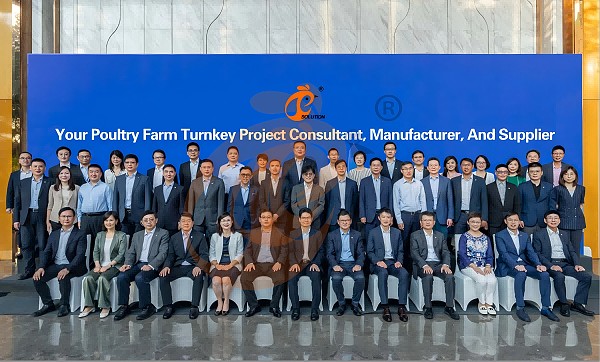
Hong Kong Headquarter Management Team
Hong Kong Headquarter Taiyu Industrial Group CO., LTD
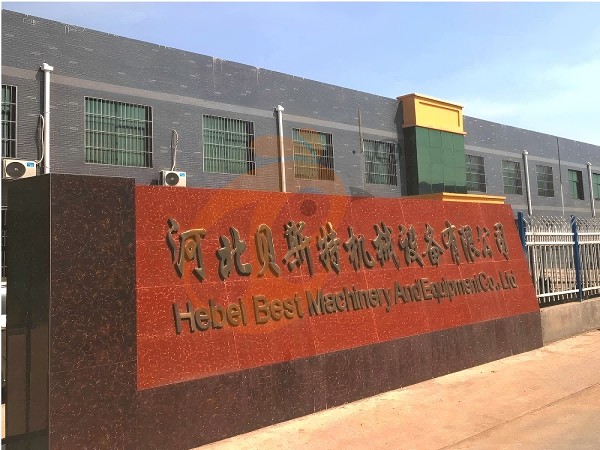
China Hebei Best Machinery And Equipment CO., LTD
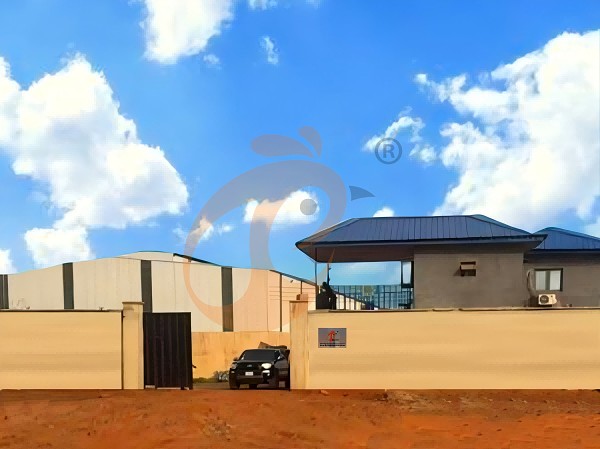
Nigeria Vanke Machinery And Equipment CO., LTD
Tanzania Best Machinery And Equipment CO., LTD
Ethiopia Best Hebei Machinery Manufacturing PLC
Reception /24 WhatsApp NO. : +8618830120193
PRODUCTS RECOMMENDED
 China Branch Manufacture Poultry Farm EquipmentRead More
 Ethiopia Branch Manufacture Poultry Farm EquipmentRead More
 Nigeria Branch Manufacture Poultry Farm EquipmentRead More
 Tanzania Branch Manufacture Poultry Farm EquipmentRead More
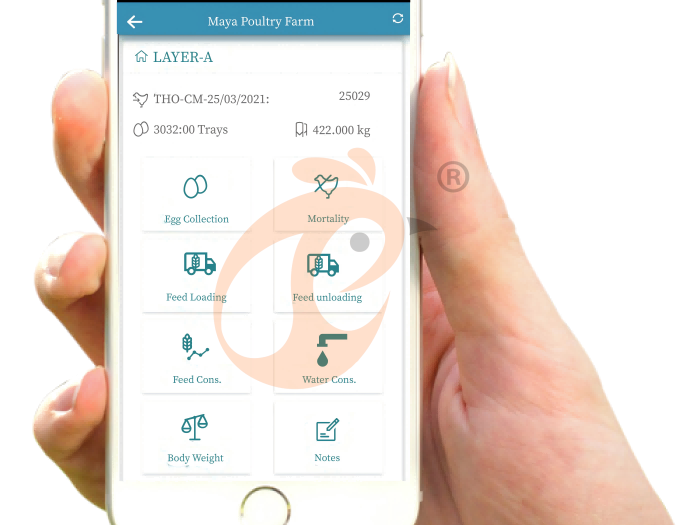
 IoT Smart Poultry FarmRead More
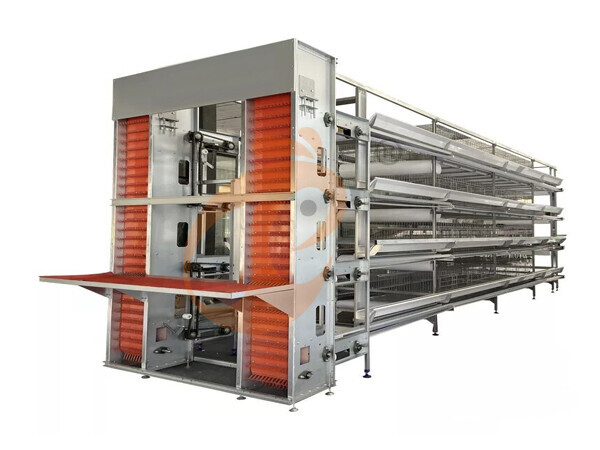
 >30,000 Layers Automatic H Type Battery CageRead More
 10,000 - 30,000 Layers Automatic A Type Battery CageRead More
MESSAGE