


BLOG
Pellet machine performance optimization in industrial biomass processing determines output stability, mechanical efficiency, thermal control, and continuous production capacity.
Ring die structure, roller pressure distribution, feeding consistency, and motor torque balance directly influence pellet formation quality and density behavior.
Industrial pellet machine efficiency depends on raw material conditioning, compression ratio calibration, and real-time monitoring system integration.
Temperature control between 70°C and 95°C stabilizes lignin activation, reducing energy loss and improving extrusion consistency during operation.
Systematic optimization of pellet machine components ensures reduced wear rate, extended die lifespan, stable throughput, and improved overall production economics in large scale facilities operation stability.
Get professional poultry farm construction guidance, equipment selection solutions, and the latest price lists, whatsApp to +8618830120193, click to learn more:
Core Pellet Machine Configuration And Structural Output Capacity
Data is for reference only.Swipe horizontally to view full table.
Pellet machine structural configuration defines torque transmission efficiency, compression stability, and continuous operational capacity under heavy industrial load cycles.
Feeding System Engineering And Material Stability Control
Data is for reference only.Swipe horizontally to view full table.
Stable feeding architecture reduces compression fluctuation inside the ring die chamber and improves pellet machine production system consistency during continuous operation cycles.
Scientific Principle Behind Pellet Compression Formation
Pellet formation relies on mechanical compression energy, frictional heat generation, and lignin activation under controlled pressure environments.
Particle deformation, interlocking, and molecular bonding occur inside the die chamber during high compression cycles.
This transformation improves structural density and enhances fuel combustion efficiency in biomass materials.
Data is for reference only.Swipe horizontally to view full table.
Pellet dimensional uniformity determines combustion efficiency, storage stability, and mechanical strength during transportation and industrial handling processes.
Wear Resistant Component Metallurgy And Structural Integrity
Data is for reference only.Swipe horizontally to view full table.
Material engineering selection directly affects abrasion resistance, thermal deformation control, and long-term structural integrity under continuous pellet machine performance optimization conditions.
Energy Consumption And Mechanical Efficiency Balance
Data is for reference only.Swipe horizontally to view full table.
Energy consumption ratio reflects transmission efficiency, friction loss control, and mechanical load balance in industrial pellet machine efficiency systems.
Intelligent Control System And Automation Precision
Data is for reference only.Swipe horizontally to view full table.
Automation systems synchronize feeding control, pressure regulation, and safety protection to enhance pellet machine performance
optimization accuracy in real-time industrial environments.
Mechanical Maintenance Cycle And Service Engineering
Data is for reference only.Swipe horizontally to view full table.
Maintenance scheduling ensures continuous production stability, reduces mechanical fatigue accumulation, and supports long-term pellet
machine production system reliability.
System Integration And Performance Synchronization
Pellet machine system integration requires coordination between feeding, compression, and discharge subsystems to maintain stable industrial throughput.
Any imbalance between material input rate and die resistance causes instability in pellet formation consistency.
Real-time synchronization improves operational precision and reduces mechanical stress accumulation across production cycles.
Data is for reference only.Swipe horizontally to view full table.
This additional parameter set strengthens operational diagnostics by combining material conditioning metrics, mechanical wear tracking,
and production stability evaluation for pellet machine systems.
Industrial Application Impact And Output Efficiency Scaling
Multi-shift production schedules in industrial biomass facilities achieve continuous operation for 20–22 hours per day.
Average throughput per line reaches 2,500–3,500 kg/h, depending on raw material type and moisture content.
Energy consumption stabilizes at 42–55 kWh per ton of pellets, ensuring cost-effective operation.
Pellet hardness measures between 2.0–3.5 kg/cm², suitable for storage and long-distance transport.
Real-time monitoring of motor load (70–85%) and die temperature (80–92°C) prevents overload and improves operational efficiency.
Material utilization ratio can reach 95–97%, minimizing raw material waste.
Automated system alerts for pressure or temperature deviations maintain consistent pellet quality throughout production cycles.
Frequently Asked Questions
Q1: How does pellet machine performance optimization improve production efficiency?
It improves efficiency by balancing feeding stability, compression pressure, and thermal control inside the ring die system.
This reduces material waste, increases pellet density uniformity, and stabilizes long-term output consistency across industrial production cycles.
Q2: What factors most affect pellet machine output quality?
Output quality depends on raw material particle size, moisture conditioning, die compression ratio, and roller pressure distribution.
Each factor directly influences pellet density, structural integrity, and combustion performance in biomass applications.
Q3: Why is maintenance important for pellet machine systems?
Maintenance prevents mechanical wear, reduces downtime, and ensures stable torque transmission between motor, gearbox, and die components.
It extends equipment lifespan and maintains consistent pellet forming efficiency under continuous operation conditions.
Taiyu (HK) Group - One Of China Biggest Pellet Machine Manufacturer
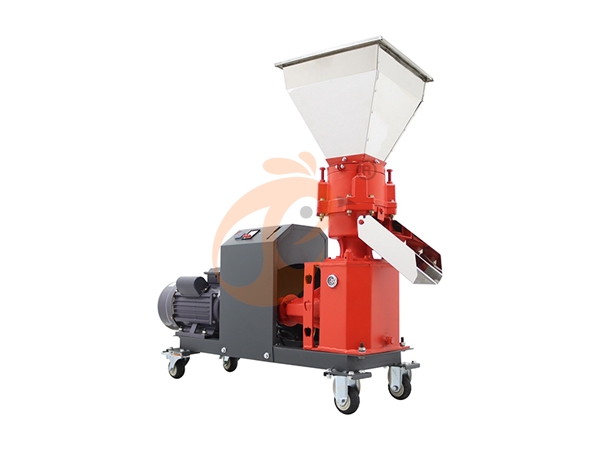
Pellet machine core equipment designed for industrial biomass production systems with stable output performance.
Global factory direct supply ensuring cost efficiency and standardized engineering manufacturing processes worldwide.
Integrated poultry equipment and biomass pellet production solutions supporting large scale agricultural industries.
Turn-key engineering projects covering design, installation, and full production line commissioning services.
Export oriented manufacturing system delivering reliable pellet machine technology to international industrial markets.
Contact Us To Received Your Customized Poultry Farm Plan
Headquarters And Branchs

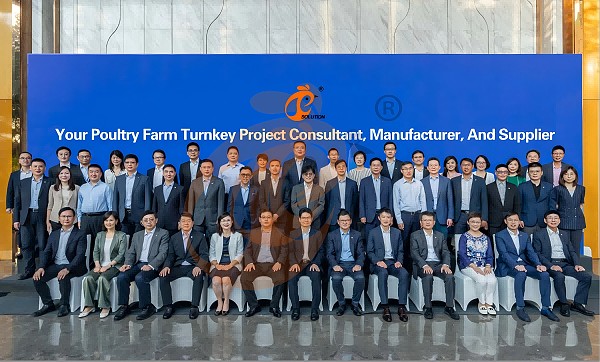
Hong Kong Headquarter Management Team
Hong Kong Headquarter Taiyu Industrial Group CO., LTD
China Hebei Best Machinery And Equipment CO., LTD
Nigeria Vanke Machinery And Equipment CO., LTD
Tanzania Best Machinery And Equipment CO., LTD
Ethiopia Best Hebei Machinery Manufacturing PLC




Reception /24 WhatsApp NO. : +8618830120193
PRODUCTS RECOMMENDED
 China Branch Manufacture Poultry Farm EquipmentRead More
 Ethiopia Branch Manufacture Poultry Farm EquipmentRead More
 Nigeria Branch Manufacture Poultry Farm EquipmentRead More
 Tanzania Branch Manufacture Poultry Farm EquipmentRead More
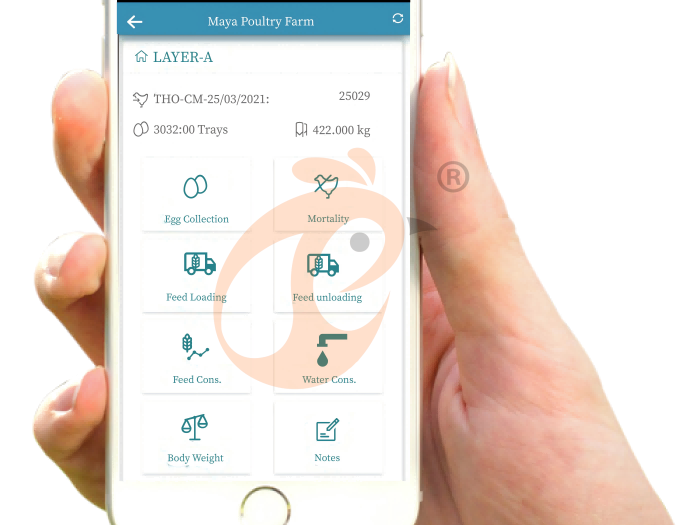
 IoT Smart Poultry FarmRead More
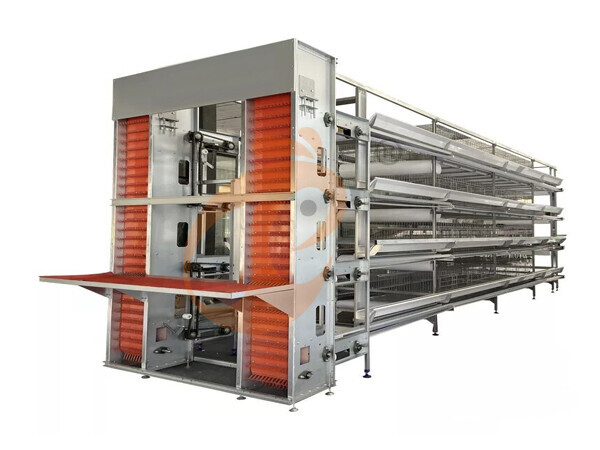
 >30,000 Layers Automatic H Type Battery CageRead More
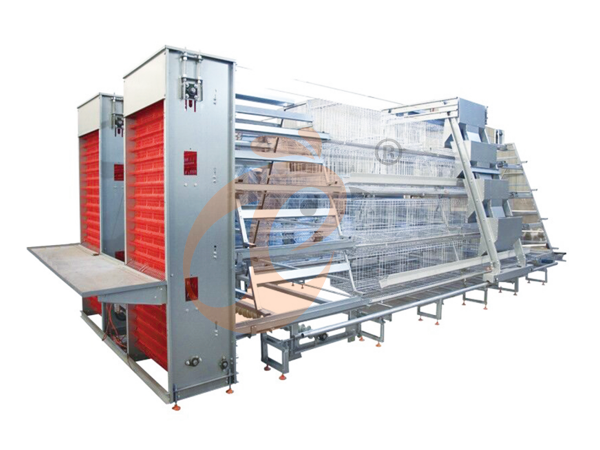
 10,000 - 30,000 Layers Automatic A Type Battery CageRead More


MESSAGE