

BLOG
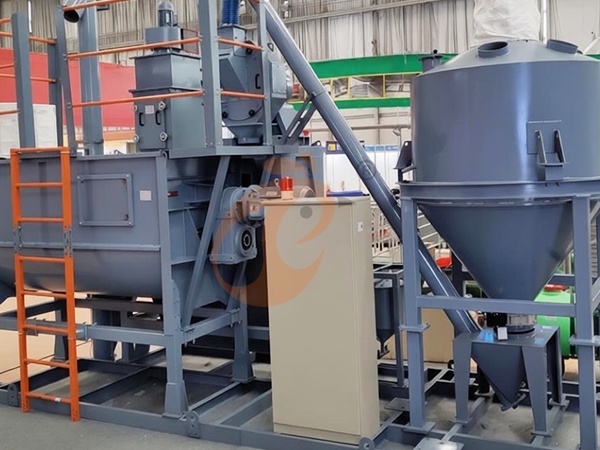
Feed mixer machine technology improves ingredient distribution accuracy, supports stable nutrient delivery, and reduces material losses during modern livestock production operations.
Livestock feed mixing efficiency directly influences feed conversion performance, production economics, inventory utilization, and daily feeding consistency across multiple animal categories.
Animal feed processing systems require precise batching, controlled mixing cycles, and optimized material flow to minimize nutrient segregation and formulation deviations.
Feed waste reduction strategies combine equipment performance, ingredient management, moisture control, and operational planning to improve overall production efficiency.
Engineering-based feed management practices contribute to lower operating costs, enhanced nutritional uniformity, improved resource utilization, and sustainable farm development objectives.
Get professional poultry farm construction guidance, equipment selection solutions, and the latest price lists, whatsApp to +8618830120193, click to learn more:
Why Feed Waste Has A Direct Financial Impact
Feed waste affects production efficiency, labor utilization, storage management, and operating margins.
Every kilogram of unused feed represents purchased nutrients that fail to contribute to animal growth, milk production, egg output, or reproductive performance.
For operations with substantial annual feed expenditures, relatively small waste reductions can generate measurable financial benefits.
(European union standard reference only)
Data is for reference only. Swipe horizontally to view full table.
Understanding Feed Segregation
Feed segregation occurs when ingredients separate after mixing due to differences in particle size, density, shape, or weight.
During transportation and storage, heavier particles generally move downward while lighter particles accumulate near the upper layers.
This process causes nutritional inconsistency throughout the feed batch.
Data is for reference only. Swipe horizontally to view full table.
Improve Mixing Uniformity
Uniform mixing ensures that every portion of feed contains similar concentrations of nutrients, minerals, vitamins, and additives.
Consistent nutrient distribution improves feed utilization while reducing ingredient sorting behavior.
Data is for reference only. Swipe horizontally to view full table.
Feed Consistency And Nutrient Utilization
Animals consume complete feed portions rather than individual nutrients.
Uneven nutrient distribution creates situations where certain animals receive excessive nutrient levels while others receive insufficient quantities.
Stable feed consistency supports predictable production outcomes and more efficient nutrient utilization.
A properly managed livestock feed mixing process helps maintain formulation integrity from batching through feeding.
Increase Ingredient Dosing Accuracy
Ingredient loading accuracy directly influences feed quality and production cost control.
Modern mixers equipped with electronic weighing systems significantly reduce formulation deviations compared with manual loading methods.
Data is for reference only. Swipe horizontally to view full table.
Reduce Selective Feeding Behavior
Many livestock species naturally select preferred ingredients when particle size differences become noticeable.
This behavior often results in nutrient imbalance and increased feed leftovers.
Uniform mixing helps distribute ingredients more consistently throughout the ration.
Data is for reference only. Swipe horizontally to view full table.
Feed Conversion And Production Efficiency
Feed Conversion Ratio (FCR) remains one of the most important indicators of feeding efficiency.
Improved feed consistency allows animals to utilize nutrients more effectively, supporting productive performance.
Data is for reference only. Swipe horizontally to view full table.
Minimize Spoilage And Nutrient Loss
Feed spoilage frequently develops when moisture distribution remains inconsistent throughout the feed mass.
Localized moisture concentration creates favorable conditions for mold growth and nutrient degradation.
A high-performance mixer supports more uniform distribution of liquid ingredients and preservatives.
Data is for reference only. Swipe horizontally to view full table.
Understanding Mycotoxin Risks
Mycotoxins are toxic compounds produced by certain molds that develop within stored feed materials.
Exposure can negatively affect feed intake, immune response, reproductive performance, and growth efficiency.
Preventing mold development remains a critical objective of feed management programs.
Data is for reference only. Swipe horizontally to view full table.
Optimize Batch Production And Inventory Control
Producing feed volumes aligned with consumption requirements helps reduce storage-related losses.
Excessive production may increase nutrient degradation, while insufficient production can create operational inefficiencies.
Data is for reference only. Swipe horizontally to view full table.
Choosing The Right Feed Mixer
Equipment selection should consider mixing performance, energy consumption, batch capacity, residual material levels, and operational flexibility.
Data is for reference only. Swipe horizontally to view full table.
Future Trends In Feed Mixing Technology
Precision agriculture technologies continue transforming feed manufacturing operations.
Automation, digital monitoring, sensor integration, and intelligent batching systems provide greater operational visibility and process control.
Data is for reference only. Swipe horizontally to view full table.
Frequently Asked Questions
Q1: How does a feed mixer reduce feed waste?
Feed mixers improve uniformity, reduce segregation, and stabilize nutrient distribution across batches.
This ensures animals receive balanced nutrition and reduces leftover feed accumulation caused by selective feeding behavior.
Q2: What mixing uniformity level is considered efficient?
Most industrial livestock operations aim for above 90% mixing uniformity.
This level ensures consistent nutrient distribution and improves overall feed utilization efficiency across production cycles.
Q3: Why does moisture control matter in feed production?
Uneven moisture leads to localized mold growth and nutrient degradation.
Proper moisture distribution improves storage stability, reduces spoilage risk, and supports safer long-term feed preservation.
Taiyu (HK) Group - One Of China Largest Feed Mixer Manufacturer Exporter
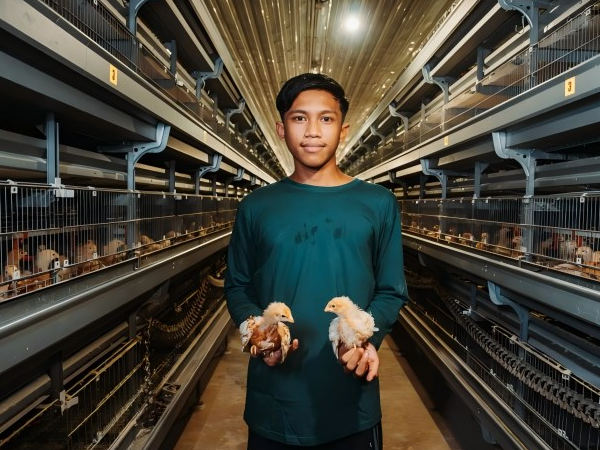
Feed Mixer Machine designed for poultry, cattle, and livestock feed production systems.
Global factory direct supply supporting large-scale Livestock Feed Mixing projects.
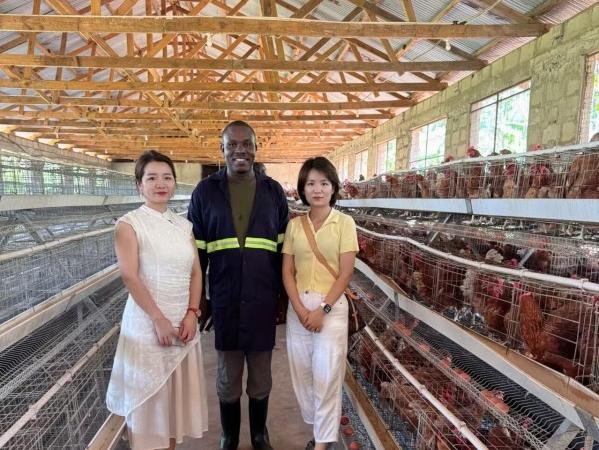
Complete poultry equipment solutions for modern Animal Feed Processing facilities.
Turn-key engineering covering design, installation, and commissioning services.
Export-focused manufacturing with stable quality control and international project delivery.
Contact Us To Received Your Customized Poultry Farm Plan
Headquarters And Branchs

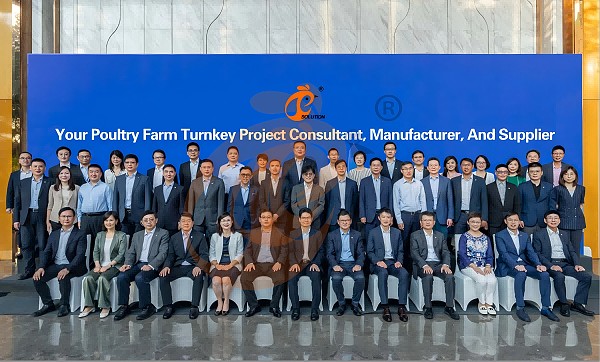
Hong Kong Headquarter Management Team
Hong Kong Headquarter Taiyu Industrial Group CO., LTD
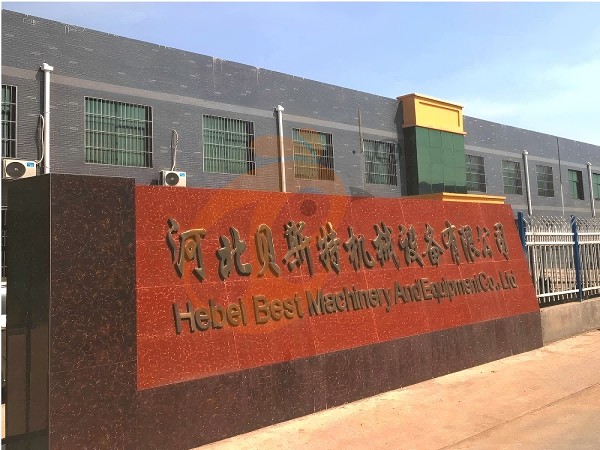
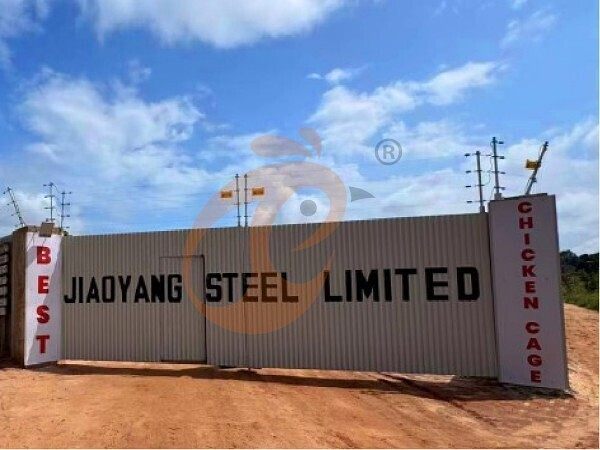
China Hebei Best Machinery And Equipment CO., LTD
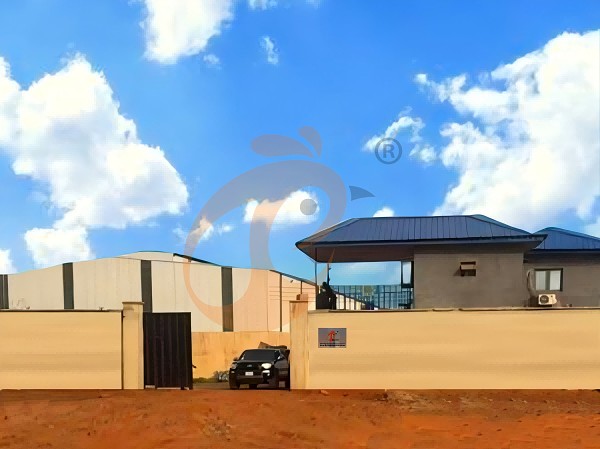
Nigeria Vanke Machinery And Equipment CO., LTD
Tanzania Best Machinery And Equipment CO., LTD
Ethiopia Best Hebei Machinery Manufacturing PLC

Reception /24 WhatsApp NO. : +8618830120193
PRODUCTS RECOMMENDED
 China Branch Manufacture Poultry Farm EquipmentRead More
 Ethiopia Branch Manufacture Poultry Farm EquipmentRead More
 Nigeria Branch Manufacture Poultry Farm EquipmentRead More
 Tanzania Branch Manufacture Poultry Farm EquipmentRead More
 IoT Smart Poultry FarmRead More
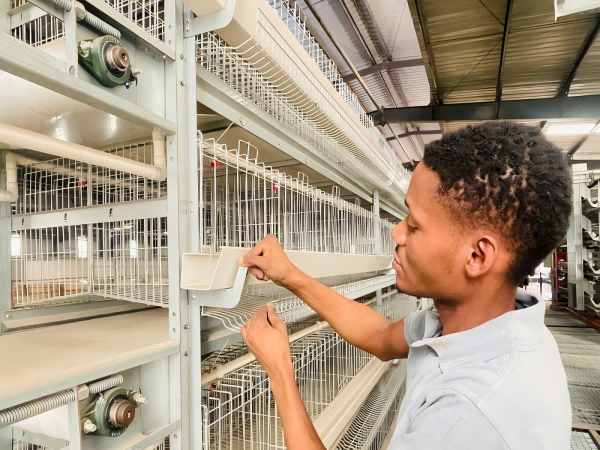
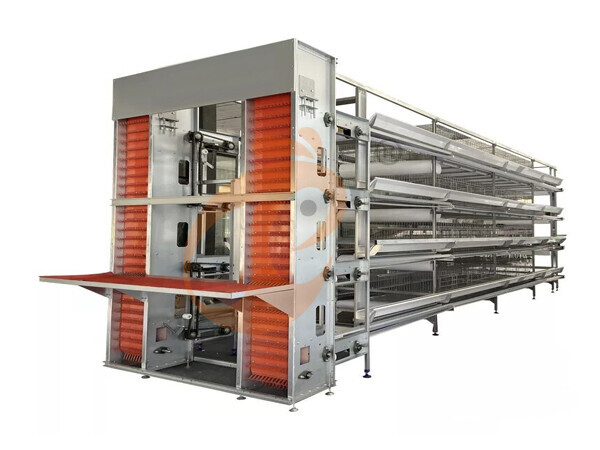
 >30,000 Layers Automatic H Type Battery CageRead More
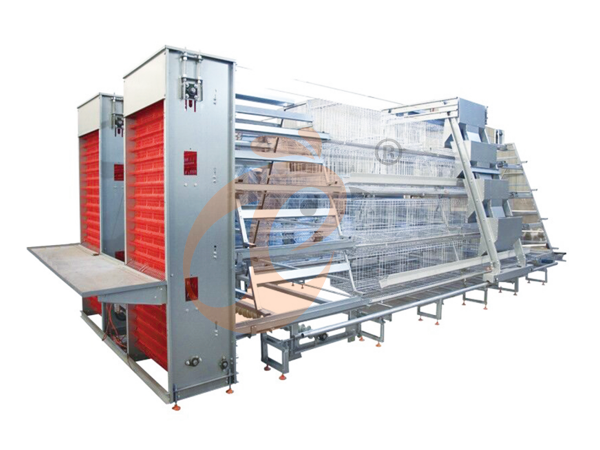
 10,000 - 30,000 Layers Automatic A Type Battery CageRead More

MESSAGE