

BLOG
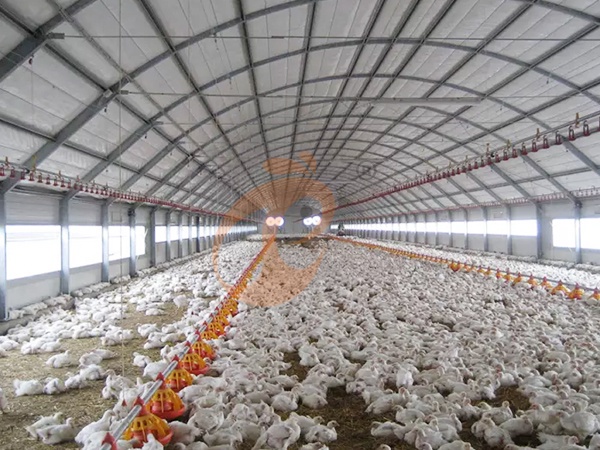
Deep litter poultry farming techniques optimize bird welfare and production efficiency through advanced environmental control systems.
Optimized litter management reduces ammonia accumulation, controlling airborne toxins to maintain respiratory health.
Strategic moisture regulation ensures aerobic microbial activity for continuous breakdown of uric acid, generating 32–43°C heat to suppress pathogens.
Stocking density and bedding material selection influence nitrogen-carbon balance, directly impacting feed conversion ratio (FCR) and bird growth performance.
Integrated ventilation and litter amendment systems provide precise pH stabilization and pathogen suppression, reducing flock mortality and ensuring sustainable economic outcomes.
Get professional poultry farm construction guidance, equipment selection solutions, and the latest price lists, whatsApp to +8618830120193, click to learn more:
The Science Of Deep Litter: A Biological Filter
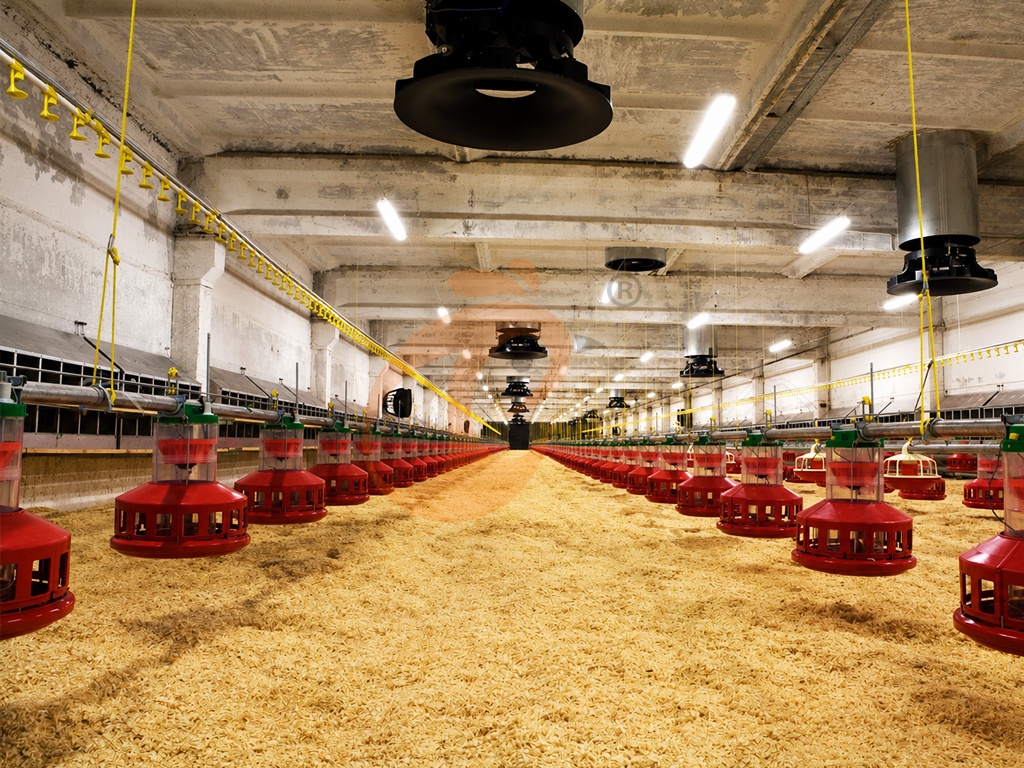
A deep litter floor operates as a living ecosystem, not merely a waste collection surface.
Aerobic bacteria and micro-fungi convert uric acid into stable organic compounds using carbon from wood shavings or rice husks.
This decomposition generates mild heat, maintains litter dryness, and suppresses harmful pathogens while supporting natural bird behavior.
Data is for reference only. Swipe horizontally to view full table.
High Ammonia Volatilization And Air Degradation
Excess moisture in deep litter triggers anaerobic microbial decomposition, producing ammonia (NH₃).
Ammonia above 20 ppm irritates respiratory tracts, damages tracheal cilia, and increases susceptibility to respiratory diseases such as Newcastle Disease.
Data is for reference only. Swipe horizontally to view full table.
Solution: Maintain continuous ventilation airflow to remove moisture and ammonia.
Chemical litter amendments stabilize pH, lock nitrogen, and prevent gas release.
Excessive Litter Moisture And Caking
Caked litter forms when wet bedding compacts, losing absorption and trapping fecal matter on the surface.
This condition promotes anaerobic microbial zones and accelerates ammonia release.
Prevention
Maintain water line pressure at 25–35 mm H₂O according to bird age.
Mechanically aerate litter twice weekly with rototillers or hand rakes.
Extract heavily caked patches immediately and replace with dry shavings.
Data is for reference only. Swipe horizontally to view full table.
Coccidiosis Outbreaks And Parasitic Spore Maturation
Eimeria protozoa require warm, wet litter to sporulate and become infectious.
Birds ingest active oocysts during scratching, resulting in intestinal damage and reduced nutrient absorption.
Data is for reference only. Swipe horizontally to view full table.
Control Measures
- Keep house relative humidity 50–65%.
- Maintain litter moisture 20–25%.
Apply 1–2 cm dry hydrated lime on risk zones near doors and feeders.
Footpad Dermatitis And Breast Blisters
Wet, ammonia-rich litter causes footpad dermatitis (FPD) and breast blisters, reducing welfare and carcass quality.
Data is for reference only. Swipe horizontally to view full table.
Bacterial Proliferation (Salmonella And E. Coli)
Warm, damp litter provides an ideal environment for pathogenic bacteria such as Salmonella enteritidis and Escherichia coli.
High moisture zones promote rapid bacterial multiplication, increasing flock mortality and food safety risks.
Data is for reference only. Swipe horizontally to view full table.
Solution
- Windrow compost litter between flocks, pile 1.5 meters high for 3–5 days to reach ≥55°C.
- Install dry disinfectant footbaths with potassium peroxymonosulfate at all entry points.
Promote beneficial microbial activity within litter to competitively exclude pathogens.
Dust And Respiratory Mechanical Irritation
Excessively dry litter (<15% moisture) generates fine airborne dust containing fecal matter, dander, and Aspergillus fumigatus spores.
This dust can penetrate deep lung tissues, causing airsacculitis, pneumonia, and systemic aspergillosis in chicks.
Data is for reference only. Swipe horizontally to view full table.
Solution
- Implement high-pressure misting cycles producing droplets <20 μm for 30–60 seconds.
- Apply food-grade white mineral oil sprays at 100 ml/m² over dry bedding.
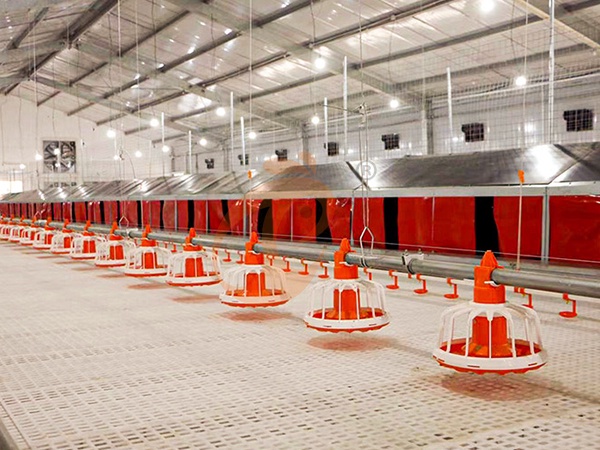
Install elevated plastic slat flooring over one-third of house width along drinking lines to reduce dusty litter exposure.
System Comparison: Deep Litter Versus Modern Cage Frameworks
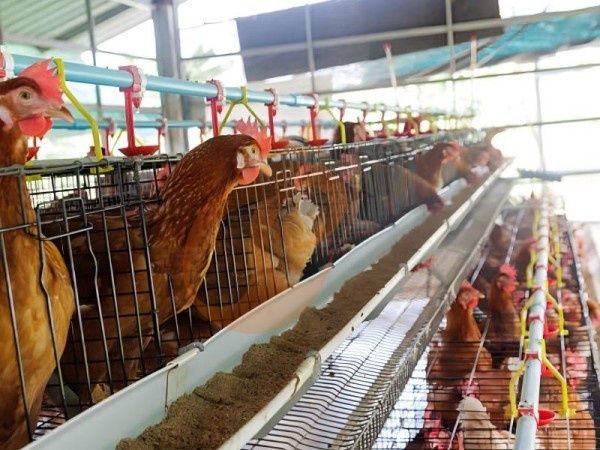
While deep litter allows birds to express natural behaviors, it requires higher labor input and intensive monitoring compared to automated cage systems.
Data is for reference only. Swipe horizontally to view full table.
Scientific Note: Aerobic Versus Anaerobic Decomposition
Maintaining aerobic decomposition prevents toxic gas accumulation.
Moisture exceeding 30% shifts litter to anaerobic metabolism, producing ammonia, hydrogen sulfide, and volatile compounds.
Optimal aeration ensures litter temperature 32–43°C, promoting pathogen suppression and supporting beneficial microbial activity.
Frequently Asked Questions
Question 1: How to control ammonia levels in deep litter poultry houses?
Answer: Maintain continuous ventilation airflow, apply litter acidifiers such as sodium bisulfate, use clay absorbents, and inoculate Bacillus strains to suppress anaerobic ammonia-producing bacteria.
Question 2: What is the best strategy to prevent coccidiosis outbreaks?
Answer: Keep litter moisture 20–25%, maintain relative humidity 50–65%, and apply dry hydrated lime on risk zones near doors and feeders to disrupt parasite sporulation.
Question 3: How can dust-related respiratory issues be minimized in poultry houses?
Answer: Use fine misting cycles under 20 μm droplets, food-grade mineral oil sprays at 100 ml/m², and elevated plastic slat flooring along drinking lines to reduce airborne dust and fungal spores.
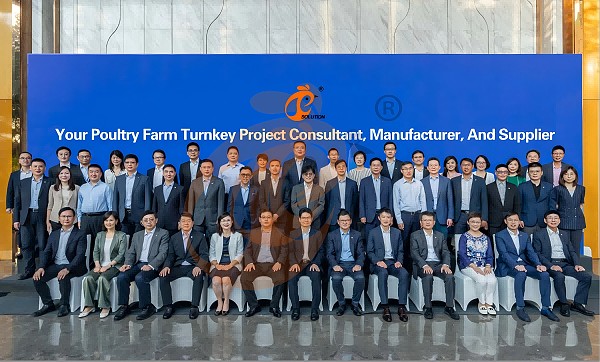
Taiyu (HK) Group - One Of China Toppest Deep Litter System Manufacturer
Provide precise deep litter systems equipment for broilers and laying hens, optimizing welfare and production efficiency.
Offer global factory direct sales of poultry equipment, ensuring competitive pricing and quality assurance.
Supply turnkey poultry projects integrating cage systems, feeding, ventilation, and manure management.
Deliver complete poultry cage solutions with automated egg collection, lighting, and environmental control systems.
Provide professional technical support and installation services, ensuring reliable farm operation and production stability.
Contact Us To Received Your Customized Poultry Farm Plan
Headquarters And Branchs

Hong Kong Headquarter Management Team
Hong Kong Headquarter Taiyu Industrial Group CO., LTD
China Hebei Best Machinery And Equipment CO., LTD
Nigeria Vanke Machinery And Equipment CO., LTD
Tanzania Best Machinery And Equipment CO., LTD
Ethiopia Best Hebei Machinery Manufacturing PLC




Reception /24 WhatsApp NO. : +8618830120193
PRODUCTS RECOMMENDED
 China Branch Manufacture Poultry Farm EquipmentRead More
 Ethiopia Branch Manufacture Poultry Farm EquipmentRead More
 Nigeria Branch Manufacture Poultry Farm EquipmentRead More
 Tanzania Branch Manufacture Poultry Farm EquipmentRead More
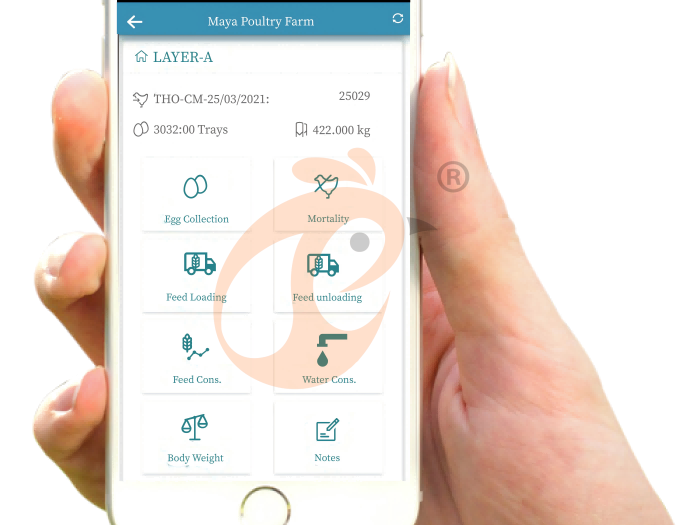
 IoT Smart Poultry FarmRead More
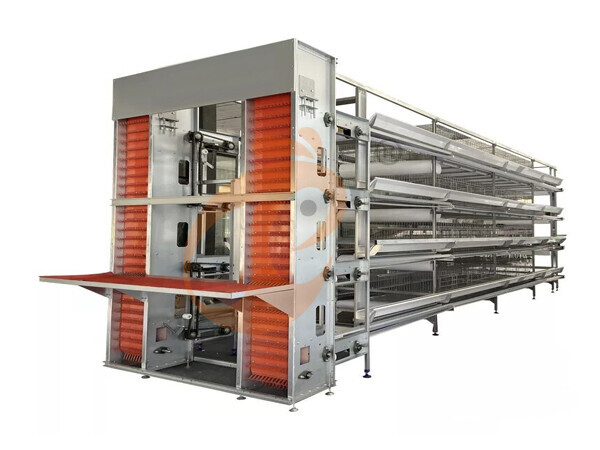
 >30,000 Layers Automatic H Type Battery CageRead More
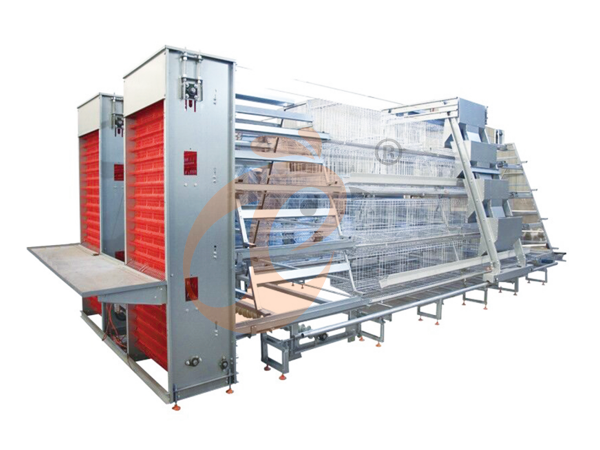
 10,000 - 30,000 Layers Automatic A Type Battery CageRead More


MESSAGE
NEWS
 What Makes A Factory-Direct A Type Chicken Battery Cage More Cost-Effective? 4 ReasonsRead More
 Deep Litter System For Broilers Vs Cage | Which Is More Profitable?Read More
 Free Range Broiler System Vs Intensive Farming | Which Is More Profitable?Read More
 Broiler Floor Rearing System Cost | 6 Factors Affecting PriceRead More