

BLOG
Modern poultry production is no longer a simple husbandry activity but a structured engineering ecosystem where precision determines output stability.
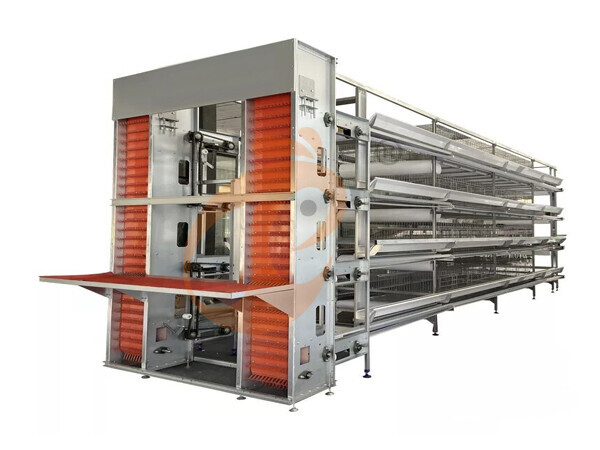
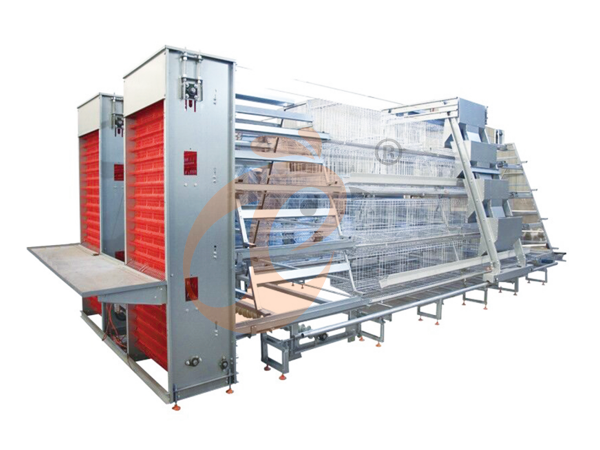
H Type chicken cages are designed for high-density laying systems, enabling layered production efficiency within limited building footprints.
Proper installation ensures balanced feeding distribution, stable egg collection, and controlled environmental performance across all tiers.
This guide explains a practical six-step installation process aligned with commercial poultry farm requirements and long-term operational stability.
It also highlights how well-designed cage systems can reduce labor intensity while improving flock uniformity and production continuity.
Get professional poultry farm construction guidance, equipment selection solutions, and the latest price lists, whatsApp to +8618830120193, click to learn more:
Site Engineering And Structural Ground Preparation
A stable foundation is the core requirement for H type chicken cage performance, especially in large-scale commercial poultry houses.
Accurate ground preparation ensures structural alignment and prevents deformation under continuous dynamic loading.
Data is for reference only.Swipe horizontally to view full table.
A well-prepared foundation directly supports multi-tier H type cage systems, ensuring stable load distribution across long production cycles.
Equipment Identification And Modular Configuration
Before installation begins, verifying all cage components ensures system integrity and avoids structural mismatch during assembly.
H type chicken cages rely on standardized modular design to achieve scalability in commercial poultry operations.
Data is for reference only.Swipe horizontally to view full table.
Accurate component verification improves installation speed and ensures compatibility across automated feeding and egg collection systems.
Main Frame Installation And Structural Calibration
The main frame is the structural backbone of the H type cage system and determines long-term stability.
Precise calibration ensures mechanical balance under continuous operational stress.
Data is for reference only.Swipe horizontally to view full table.
Stable frame calibration enhances durability and ensures consistent performance under high-density poultry production conditions.
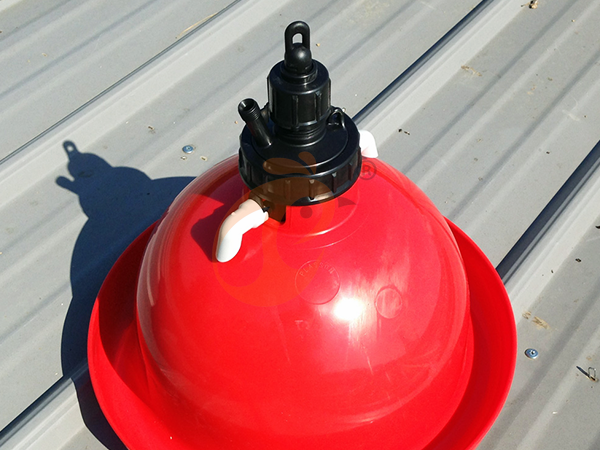
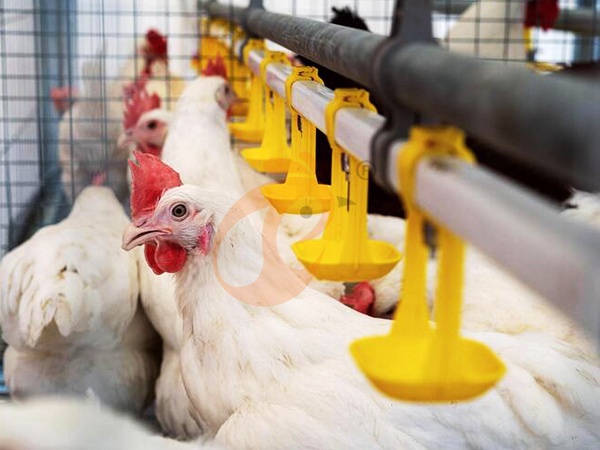
Feeding And Drinking System Integration
Automated feeding and drinking systems are essential for maximizing feed conversion efficiency in H type chicken cage environments.
Uniform distribution directly affects laying rate consistency and flock health performance.
Data is for reference only.Swipe horizontally to view full table.
Efficient integration reduces feed waste and ensures consistent water intake across all cage levels.
Manure Removal And Environmental Control System
Environmental stability plays a critical role in poultry health and productivity inside H type cage houses.
Proper manure management and ventilation design significantly reduce disease risk and ammonia accumulation.
Data is for reference only.Swipe horizontally to view full table.
Controlled environment systems help maintain flock comfort and improve laying consistency throughout production cycles.
System Testing And Electrical Commissioning
Before introducing birds, full system testing ensures all mechanical and electrical components operate in synchronization.
H type chicken cages rely on integrated automation, making commissioning a critical step.
Data is for reference only.Swipe horizontally to view full table.
System verification ensures operational safety and reduces unexpected downtime during production cycles.
Operational Risks And Installation Optimization
Structural Stability Risk
- Uneven load distribution may occur when frame deflection reaches 4.8 mm.
- This affects vertical stacking balance in H type cage systems.
Mechanical Fastening Control
- Incorrect torque application above 92 Nm can weaken steel joints.
- Long-term vibration resistance decreases under continuous operation cycles.
Feed Line Accuracy Management
- Misalignment beyond 3.5 mm increases feed deviation rate.
- Results in inconsistent feed delivery across cage layers.
Ventilation Balance Regulation
- Airflow fluctuation of ±900 m³/h may disrupt internal climate stability.
- Temperature variation can reach 2°C range differences between tiers.
Engineering Supervision Value
- On-site calibration reduces rework probability during commissioning phase.
Improves long-term operational stability of automated poultry systems.
Frequently Asked Questions
Q1: What farm capacity is suitable for H type chicken cage systems?
These systems are commonly applied in farms ranging from 20,000 to over 120,000 layers.
The modular structure allows scalable expansion without redesigning the full facility layout.
Q2: How does H type cage improve egg production efficiency?
Layered structure increases stocking density while maintaining stable feeding and lighting distribution.
This improves laying consistency and reduces egg breakage rates in automated systems.
Q3: What is the typical maintenance cycle for the system?
Mechanical inspection is usually scheduled every 720 to 1000 operational hours.
Lubrication and belt tension checks help extend system lifespan beyond 10,000 hours.
Taiyu (HK) Group - One Of China Largest H Type Chicken Cages Manufacturer
H type chicken cage system engineered for large-scale farms supporting 20,000–120,000 layer capacity with automated feeding, drinking, and egg collection integration for commercial poultry production lines.
Global factory direct supply enables cost-efficient poultry equipment manufacturing with standardized quality control processes across production batches.
Turn-key poultry engineering solutions include farm design, installation guidance, equipment commissioning, and post-installation technical support.
International export network delivers poultry housing systems to multiple continents with consistent mechanical performance standards.
Industrial manufacturing capability focuses on scalable poultry infrastructure supporting modern high-density farming requirements.
Contact Us To Received Your Customized Poultry Farm Plan
Headquarters And Branchs

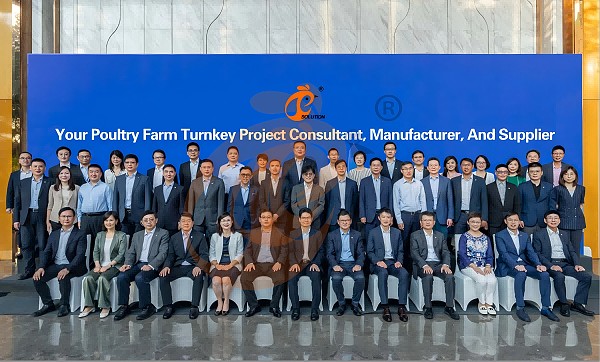
Hong Kong Headquarter Management Team
Hong Kong Headquarter Taiyu Industrial Group CO., LTD
China Hebei Best Machinery And Equipment CO., LTD
Nigeria Vanke Machinery And Equipment CO., LTD
Tanzania Best Machinery And Equipment CO., LTD
Ethiopia Best Hebei Machinery Manufacturing PLC




Reception /24 WhatsApp NO. : +8618830120193
PRODUCTS RECOMMENDED
 China Branch Manufacture Poultry Farm EquipmentRead More
 Ethiopia Branch Manufacture Poultry Farm EquipmentRead More
 Nigeria Branch Manufacture Poultry Farm EquipmentRead More
 Tanzania Branch Manufacture Poultry Farm EquipmentRead More
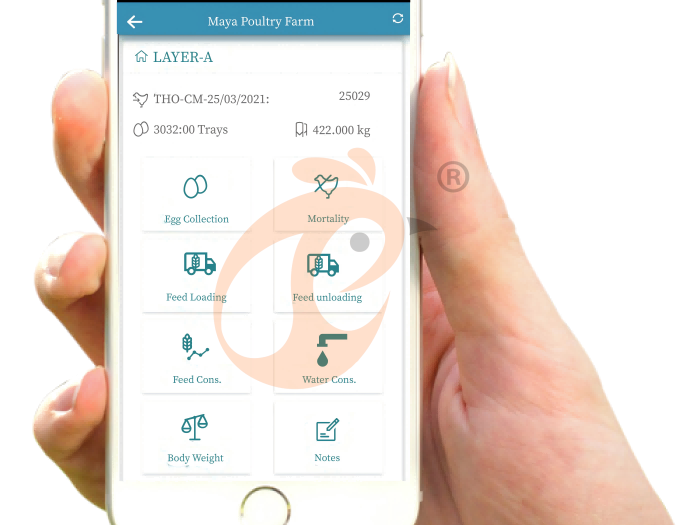
 IoT Smart Poultry FarmRead More
 >30,000 Layers Automatic H Type Battery CageRead More
 10,000 - 30,000 Layers Automatic A Type Battery CageRead More
MESSAGE