

BLOG
Modern commercial poultry production depends on tightly controlled engineering conditions across housing systems to maintain consistent egg quality and minimize mechanical loss.
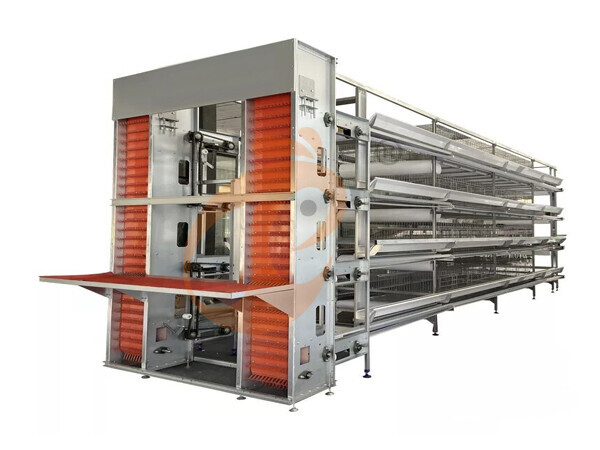
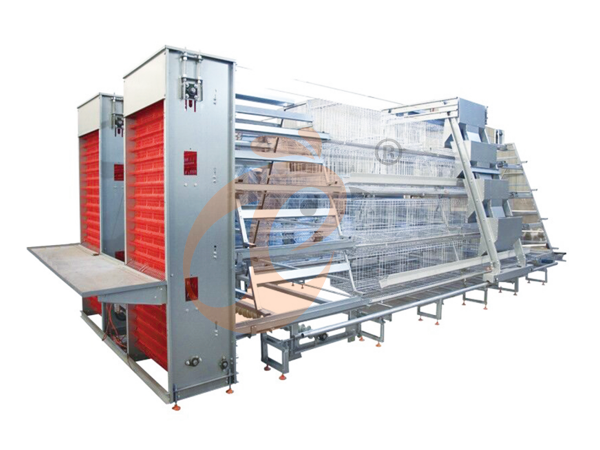
A-type layer cage systems are widely deployed due to their structural efficiency and scalable capacity in intensive farming environments.
Egg breakage originates from a combination of mechanical impact, environmental instability, and handling inconsistencies across multiple production stages.
Operational performance is influenced by cage geometry, belt dynamics, feeding cycles, and airflow regulation working as an interconnected system.
Expands six validated engineering methods for reducing breakage, integrating structural, biological, and process-level optimization strategies.
Get professional poultry farm construction guidance, equipment selection solutions, and the latest price lists, whatsApp to +8618830120193, click to learn more:
Structural Factors Affecting Egg Integrity In A-Type Systems
Structural design governs egg movement velocity, collision probability, and energy dissipation during rolling within cage-based production lines.
The egg breakage in layer cage optimization system concept is used in industrial design to standardize slope geometry and mesh elasticity behavior.
Even minor differences in cage rigidity or frame resonance can shift egg impact distribution patterns significantly.
Data is for reference only.Swipe horizontally to view full table.
Key engineering variables include torsional stiffness coefficient.
Cage vibration transmission index affects structural stability.
Egg rolling friction factor determines collision probability.
Cage Dimension Optimization And Spatial Stability
Spatial consistency reduces lateral collision probability and stabilizes egg trajectory across multi-tier cage systems.
The A-type poultry cage egg handling precision engineering system is commonly referenced in industrial poultry automation design standards.
Alignment accuracy between trays and cage edges determines micro-impact frequency during synchronized laying cycles.
Data is for reference only.Swipe horizontally to view full table.
Longitudinal rail deviation influences egg rolling path stability.
Cage-to-cage harmonic vibration coupling affects system synchronization.
Structural misalignment increases lateral collision probability.
Conveyor Belt Dynamics And Motion Stability
Belt systems control egg transfer speed and directly influence impact energy accumulation during collection cycles.
The automated egg collection belt stabilization system for layer cage farms is applied to reduce vibration transfer in modern installations.
Mechanical irregularities in belt tension produce cumulative micro-cracks that reduce shell resistance before packaging stages.
Data is for reference only.Swipe horizontally to view full table.
Belt elasticity modulus determines shock absorption capacity.
Roller damping coefficient reduces vibration transmission intensity.
System resonance frequency affects micro-impact accumulation.
Feeding Strategy And Shell Formation Control
Nutritional scheduling affects calcium metabolism efficiency and directly impacts shell thickness uniformity across laying cycles.
The layer hen calcium absorption timing optimization system is used in controlled feeding engineering protocols.
Biological rhythm synchronization improves eggshell mineralization during peak ovulation windows.
Data is for reference only.Swipe horizontally to view full table.
Intestinal calcium uptake efficiency affects shell density.
Metabolic absorption rate influences mineral deposition timing.
Nighttime formation phase determines shell structural strength.
Environmental Airflow And Gas Balance Control
Airflow uniformity stabilizes respiratory performance and reduces stress hormone variation in confined cage environments.
The poultry house ventilation and ammonia control engineering system for layer farms ensures controlled gas dispersion across tiers.
Elevated ammonia concentration directly correlates with reduced shell density and increased fracture susceptibility.
Data is for reference only.Swipe horizontally to view full table.
Microclimate stability index determines environmental consistency.
Air exchange efficiency ratio controls gas concentration stability.
Thermal uniformity reduces physiological stress variation.
Egg Collection Frequency And Accumulation Control
Collection frequency regulates egg exposure duration inside trays and reduces cumulative micro-collision probability.
The automated egg harvesting scheduling system for A-type cage production lines improves temporal synchronization of egg flow.
Longer exposure intervals increase stacking pressure and localized stress accumulation across egg surfaces.
Data is for reference only.Swipe horizontally to view full table.
Tray friction coefficient influences sliding resistance.
Egg stacking pressure distribution affects shell stress points.
Accumulation time determines collision frequency.
Worker Handling And Mechanical Impact Control
Manual handling introduces variable mechanical stress during transfer and packaging processes.
The low-impact egg handling system for automated poultry packaging lines standardizes motion control and reduces drop energy variability.
Uncontrolled transfer height is a primary contributor to localized shell cracking in post-collection stages.
Data is for reference only.Swipe horizontally to view full table.
Operator motion variance index affects consistency.
Conveyor synchronization lag time influences transfer stability.
Drop height control reduces mechanical shock.
Integrated Mechanical Stress Monitoring System
Modern A-type layer cage systems increasingly rely on continuous mechanical stress monitoring to identify early-stage breakage risk factors.
Sensor-based tracking of vibration frequency, belt tension fluctuation, and cage deformation allows real-time adjustment of operational parameters.
This integrated control approach improves predictive stability by reducing unnoticed micro-impact accumulation across long production cycles.
Data feedback loops between mechanical components and environmental control systems further enhance overall egg integrity performance consistency.
Frequently Asked Questions
Q1: What structural parameters most influence egg breakage?
Cage slope angle, wire elasticity, and vibration transmission coefficient are primary factors.
Slope changes of 0.5° can alter breakage by 0.2–0.4%.
Q2: Does ventilation directly affect egg shell quality?
Yes, ammonia levels above 12 ppm reduce shell density consistency.
They also increase fracture probability during handling stages.
Q3: What is the optimal collection frequency?
Intervals of 2–3 hours minimize stacking pressure.
They reduce breakage incidents by up to 35% compared to longer cycles.
Taiyu (HK) Group - One Of China Largest Layer Cage Manufacturer
A-type cage system integration is applied in farms exceeding 120000 hens per installation with breakage control performance maintained below 0.9% under optimized engineering conditions 85000 USD European union standard reference only.
Global factory direct supply structure supports modular poultry equipment production including cage frames, feeding systems, and environmental control units for industrial deployment.
Turn-key engineering scope includes site design, mechanical installation, system calibration, and long-term operational performance stabilization for poultry production projects.
Industrial manufacturing network ensures standardized steel processing, anti-corrosion treatment, and scalable cage system assembly for multi-climate applications.
Technical service framework includes diagnostic monitoring, maintenance scheduling, and efficiency optimization for continuous production line stability.
Contact Us To Received Your Customized Poultry Farm Plan
Headquarters And Branchs

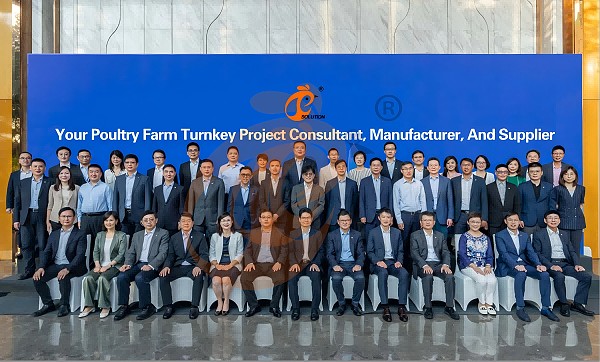
Hong Kong Headquarter Management Team
Hong Kong Headquarter Taiyu Industrial Group CO., LTD
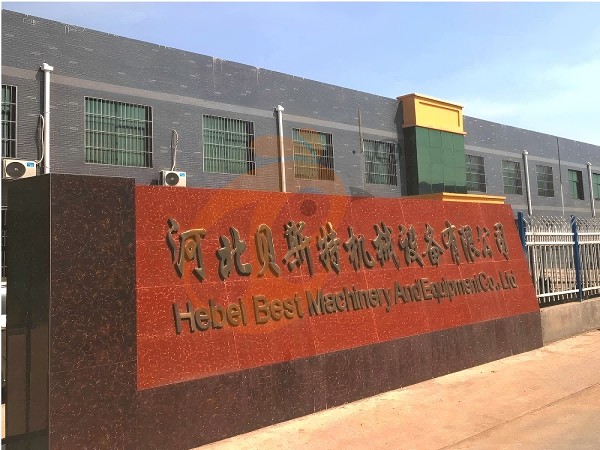
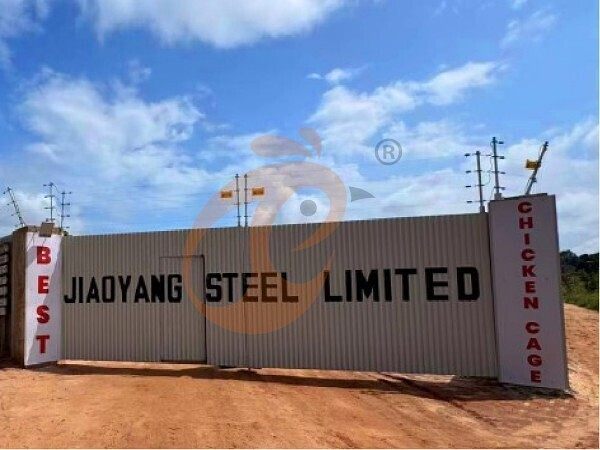
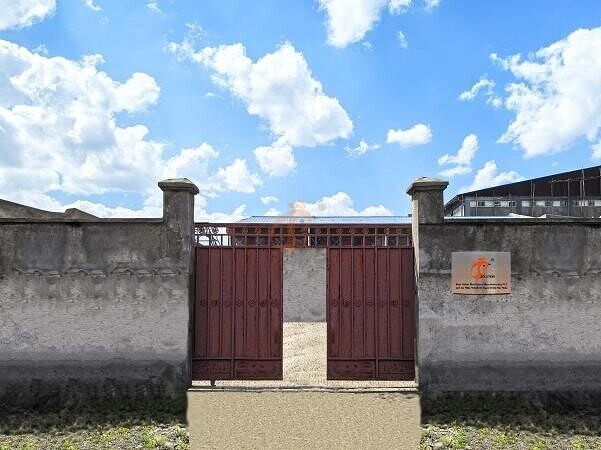
China Hebei Best Machinery And Equipment CO., LTD
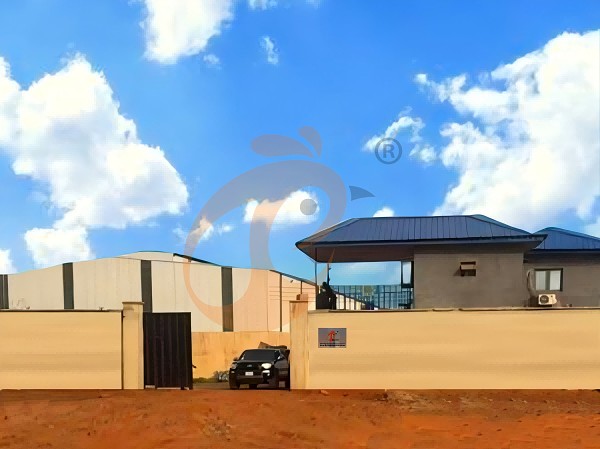
Nigeria Vanke Machinery And Equipment CO., LTD
Tanzania Best Machinery And Equipment CO., LTD
Ethiopia Best Hebei Machinery Manufacturing PLC
Reception /24 WhatsApp NO. : +8618830120193
PRODUCTS RECOMMENDED
 China Branch Manufacture Poultry Farm EquipmentRead More
 Ethiopia Branch Manufacture Poultry Farm EquipmentRead More
 Nigeria Branch Manufacture Poultry Farm EquipmentRead More
 Tanzania Branch Manufacture Poultry Farm EquipmentRead More
 IoT Smart Poultry FarmRead More
 >30,000 Layers Automatic H Type Battery CageRead More
 10,000 - 30,000 Layers Automatic A Type Battery CageRead More
MESSAGE