

BLOG
Deep litter housing combines biological waste recycling, floor insulation, and flock comfort within a single poultry production environment.
Daily monitoring procedures support stable moisture balance, air quality performance, and operational consistency throughout the growing cycle.
Effective poultry litter management contributes to healthier floor conditions, improved bird activity, and reduced environmental stress.
Equipment inspections, litter evaluations, and chicken house ventilation system assessments help identify developing issues before production losses occur.
Structured poultry farm environmental control programs create measurable management standards that improve long-term housing efficiency and operational predictability.
Get professional poultry farm construction guidance, equipment selection solutions, and the latest price lists, whatsApp to +8618830120193, click to learn more:
Check Litter Moisture Content Every Morning
Moisture remains the primary factor affecting litter quality throughout the production cycle.
Excess water encourages microbial activity and ammonia formation, while excessively dry litter may increase airborne particles and reduce floor comfort.
Daily inspections should begin shortly after entering the poultry house when environmental conditions remain relatively stable.
Operators should evaluate multiple locations including feeder lines, drinker zones, sidewalls, and central walking paths.
Because moisture distribution is rarely uniform, representative sampling from different sections of the building is necessary.
Data is for reference only.Swipe horizontally to view full table.
A practical field assessment involves compressing a litter sample by hand.
Properly conditioned material should separate easily rather than forming dense compacted masses.
Large poultry facilities increasingly utilize digital moisture meters to improve inspection accuracy and management documentation.
Monitor Drinking System Leakage
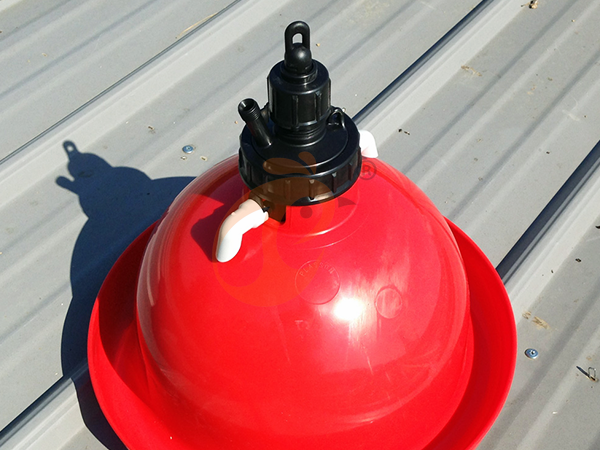
Water delivery systems continuously influence litter conditions across the poultry house.
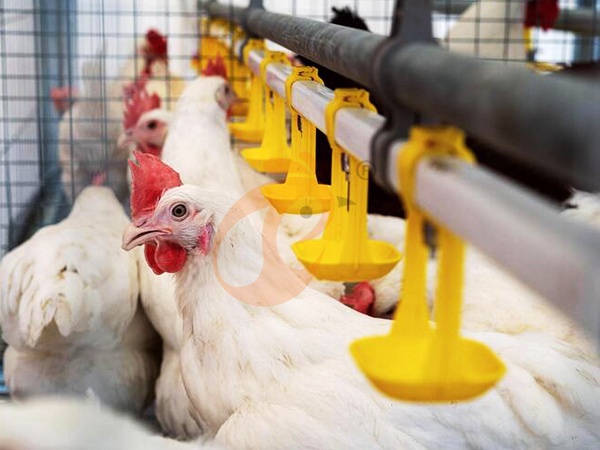
Small leaks from nipples, pressure regulators, or connection fittings can generate localized wet areas that expand rapidly under high stocking densities.
Water quality and delivery consistency also affect litter stability.
Excessive flow rates increase wastage, while insufficient flow may influence bird hydration and feeding behavior.
Data is for reference only.Swipe horizontally to view full table.
Technicians should inspect drinker lines at least twice daily.
Routine flushing procedures help remove sediment accumulation and reduce biofilm formation within water delivery networks.
Consistent maintenance supports litter stability and flock performance.
Evaluate Ventilation Performance
Ventilation serves as the primary mechanism for removing moisture generated through respiration, manure decomposition, drinking activity, and environmental evaporation.
Modern poultry facilities may exchange millions of cubic meters of air during a single production cycle.
Daily assessments should focus on airflow distribution rather than merely confirming fan operation.
Uneven airflow patterns frequently contribute to localized moisture accumulation and temperature variation.
Data is for reference only.Swipe horizontally to view full table.
Managers should walk through the entire poultry house during fan operation.
Proper airflow distribution improves drying efficiency and environmental consistency throughout the facility.
Measure Ammonia And Air Quality Levels
Ammonia is produced naturally through the decomposition of manure and organic material within the litter layer.
Although complete elimination is not practical, maintaining acceptable concentrations remains important for bird welfare, worker comfort, and environmental stability.
Ammonia generation generally increases when moisture, temperature, and organic matter availability rise simultaneously.
Daily monitoring allows farm managers to identify trends before concentrations reach levels that may affect production performance.
Data is for reference only.Swipe horizontally to view full table.
Portable gas monitoring instruments allow rapid environmental assessments across multiple house locations.
Air sampling should be conducted at bird height because gas concentrations near ceilings may differ significantly from conditions experienced by the flock.
Stable air quality supports respiratory health and contributes to more consistent production outcomes.
Inspect Feed Spillage And Litter Contamination
Feed losses represent both direct economic waste and a potential source of litter deterioration.
Accumulated feed particles absorb moisture, stimulate microbial activity, and attract insects or rodents that may compromise biosecurity standards.
Routine inspections should include feeder adjustment verification, feed distribution evaluation, and contamination monitoring.
Data is for reference only.Swipe horizontally to view full table.
Particular attention should be directed toward corners, wall edges, and low-traffic areas where feed residues may accumulate unnoticed.
Clean feeding zones contribute to improved litter conditions and help maintain environmental consistency throughout the house.
In facilities containing 20,000 birds, reducing feed wastage by only 1% can represent annual savings exceeding $800 depending on local feed prices.
European union standard reference only.
Verify Litter Depth And Bedding Condition
Litter depth changes continuously throughout the production cycle due to moisture absorption, decomposition activity, compaction, and bird movement.
Daily inspections ensure that sufficient bedding remains available to provide insulation, moisture absorption, and cushioning properties.
The selection of bedding material often depends on regional agricultural resources, transportation costs, and availability.
Data is for reference only.Swipe horizontally to view full table.
Areas showing excessive compaction should be loosened periodically to improve aeration and moisture evaporation.
Consistent litter depth contributes to stable floor conditions and supports bird mobility across all production stages.
Data is for reference only.Swipe horizontally to view full table.
Maintaining appropriate litter depth helps preserve thermal insulation characteristics and improves moisture management efficiency.
Additional Preventive Management Practices
Beyond the seven primary daily checks, preventive maintenance activities contribute significantly to long-term litter stability and environmental performance.
Scheduled interventions reduce the likelihood of unexpected equipment failures and support predictable production conditions.
Data is for reference only.Swipe horizontally to view full table.
Additional management activities may include roof inspections after rainfall, curtain system evaluations, insulation verification, backup generator testing, and flock performance reviews.
Preventive maintenance programs help reduce operational disruptions and improve overall environmental control efficiency.
Economic Impact Of Effective Deep Litter Management
Effective litter management generates measurable economic benefits beyond environmental improvements.
Reduced moisture accumulation lowers bedding replacement requirements, while stable air quality supports consistent flock performance.
Industry observations indicate that poor litter conditions can increase labor requirements, maintenance expenses, and environmental control costs.
Data is for reference only.Swipe horizontally to view full table.
For a medium-sized poultry farm operating multiple houses, improvements in litter efficiency may reduce annual operating expenditures by $2,000–$12,000 depending on housing capacity, climate conditions, and bedding material costs.
European union standard reference only.
Consistent inspection programs help maintain these operational parameters within planned management targets and reduce the likelihood of unexpected corrective expenditures.
Frequently Asked Questions
Q1: How often should deep litter moisture be checked?
Moisture should ideally be evaluated at least twice daily, particularly around drinker lines and feeding zones.
Most commercial poultry operations maintain litter moisture between 20% and 30% to balance moisture absorption and dust control requirements.
Q2: What is the main cause of wet litter formation?
Water leakage from drinkers, excessive humidity, inadequate ventilation, and uneven airflow distribution are among the most common causes.
Even a small nipple leak can gradually create localized wet spots that expand under continuous bird traffic.
Q3: Why is ammonia monitoring important in poultry houses?
Ammonia directly affects respiratory comfort, environmental quality, and flock performance.
Maintaining concentrations below 20 ppm is commonly recommended to support stable housing conditions and reduce stress on birds and workers.
Taiyu (HK) Group - One Of China Largest Deep Litter System Supplier
Deep litter poultry projects are widely applied in broiler, breeder, and free-range production facilities ranging from 5,000 to more than 100,000 birds per house, requiring integrated environmental control and litter management solutions.
Direct factory supply structure supports global customers with poultry equipment manufacturing, engineering coordination, production scheduling, and technical specification standardization.
Comprehensive poultry equipment systems include feeding equipment, drinking systems, ventilation units, cooling solutions, manure handling equipment, and intelligent environmental monitoring devices.
Turn-key engineering projects cover farm planning, equipment configuration, installation guidance, commissioning support, and operational training based on local production requirements.
International project experience supports customers across Africa, Asia, the Middle East, and Latin America with scalable poultry production infrastructure and long-term technical service frameworks.
Contact Us To Received Your Customized Poultry Farm Plan
Headquarters And Branchs

Hong Kong Headquarter Management Team
Hong Kong Headquarter Taiyu Industrial Group CO., LTD
China Hebei Best Machinery And Equipment CO., LTD
Nigeria Vanke Machinery And Equipment CO., LTD
Tanzania Best Machinery And Equipment CO., LTD
Ethiopia Best Hebei Machinery Manufacturing PLC




Reception /24 WhatsApp NO. : +8618830120193
PRODUCTS RECOMMENDED
 China Branch Manufacture Poultry Farm EquipmentRead More
 Ethiopia Branch Manufacture Poultry Farm EquipmentRead More
 Nigeria Branch Manufacture Poultry Farm EquipmentRead More
 Tanzania Branch Manufacture Poultry Farm EquipmentRead More
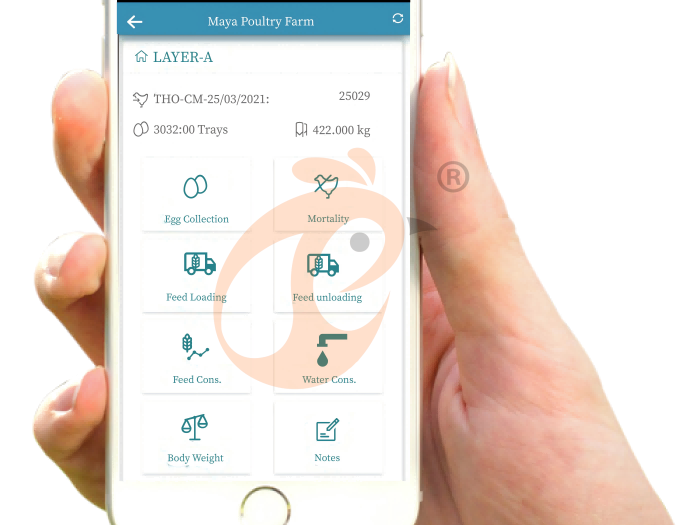
 IoT Smart Poultry FarmRead More
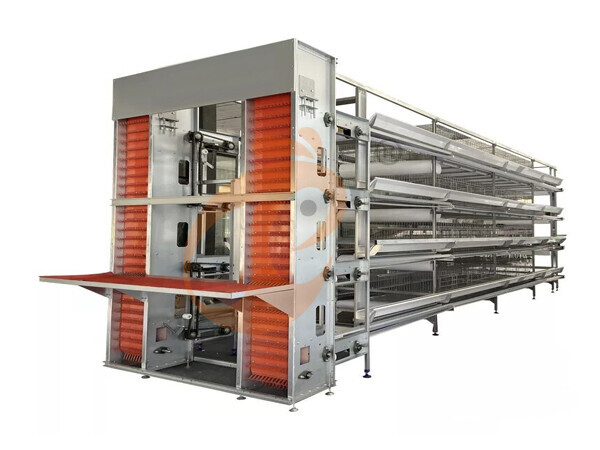
 >30,000 Layers Automatic H Type Battery CageRead More
 10,000 - 30,000 Layers Automatic A Type Battery CageRead More
MESSAGE