

BLOG
Modern livestock production increasingly relies on structured free range poultry management practices that combine biological observation, engineering discipline, and measurable operating standards for sustainable daily performance.
Efficient poultry farm management requires synchronized control of water systems, feed logistics, environmental monitoring, bird welfare assessment, infrastructure maintenance, and accurate production documentation.
Practical field operations become more reliable when routine inspections are standardized, quantified, and continuously verified through repeatable operational procedures instead of subjective judgment.
Commercial planning benefits from stable resource allocation, preventive maintenance scheduling, labor optimization, and data-supported decision making across changing seasonal conditions.
Get professional poultry farm construction guidance, equipment selection solutions, and the latest price lists, whatsApp to +8618830120193, click to learn more:
Morning Water System Verification
Water delivery is the first critical checkpoint after daily startup procedures.
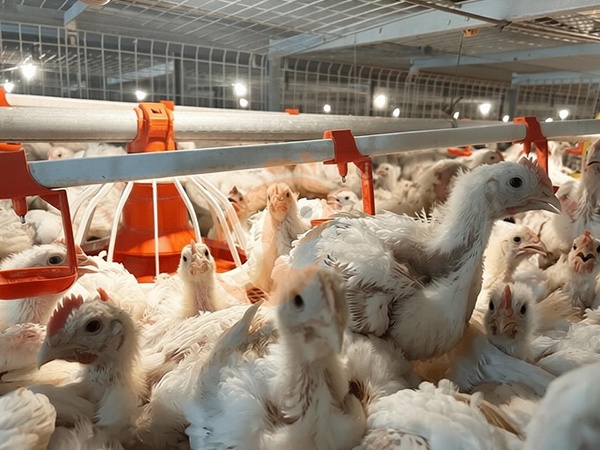
A modern free range poultry system depends on uninterrupted hydration because bird activity begins immediately after lighting or sunrise exposure.
Small pressure fluctuations, hidden leaks, or contaminated pipelines may gradually influence flock performance without producing immediately visible symptoms.
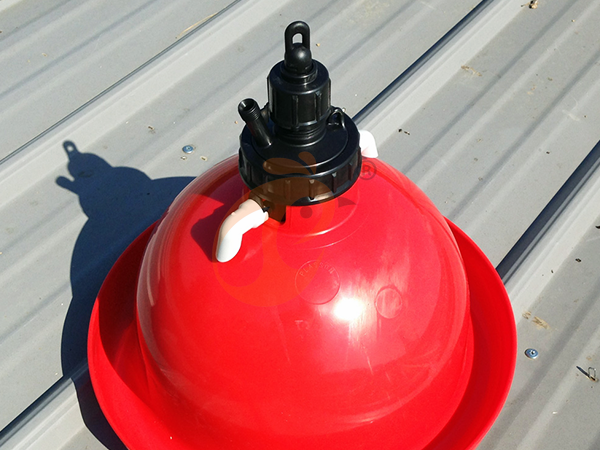
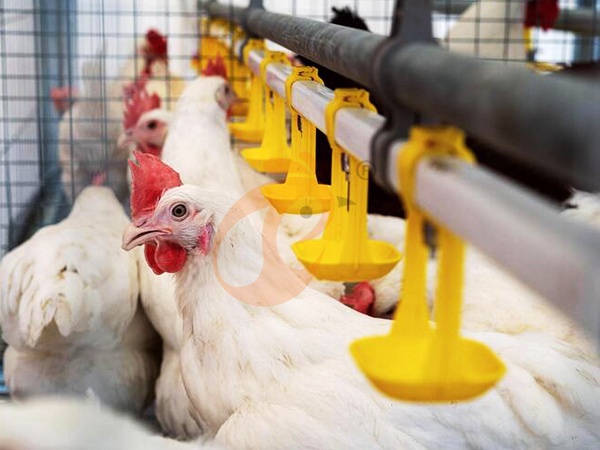
Routine inspection should therefore include tanks, pipelines, valves, regulators, drinkers, flushing points, and reserve storage capacity.
Historical records should also be compared against previous operating days to identify unexplained consumption changes before production losses become measurable.
Data is for reference only.Swipe horizontally to view full table.
Beyond equipment inspection, water appearance should remain transparent without sediment accumulation or biofilm deposits.
Cleaning intervals should remain documented rather than estimated from memory.
Large commercial facilities often integrate automatic monitoring with manual visual confirmation because instrumentation alone cannot identify every operational anomaly.
Feed Management Beyond Simple Refilling
Feed inspection extends far beyond checking remaining inventory.
Balanced nutrient delivery requires stable storage conditions, proper rotation procedures, physical consistency, and contamination prevention throughout transportation and dispensing processes.
Within practical pasture raised chicken management, feed quality and forage utilization should complement each other instead of creating nutritional imbalance.
Operators should inspect augers, hoppers, feed bins, dispensing mechanisms, and storage rooms before distribution begins.
Data is for reference only.Swipe horizontally to view full table.
Condensation inside silos deserves particular attention because moisture migration may create localized spoilage that remains invisible during external inspection.
Feed purchasing decisions also influence long-term operating expenditure.
Typical commercial ingredient price fluctuations may change formulation costs by several dollars per metric ton.
Behavioral And Physical Health Assessment
Behavior frequently reveals biological changes before laboratory diagnostics become necessary.
Walking rhythm, vocal activity, flock distribution, feather condition, posture, and interaction with equipment all provide practical management information.
An experienced observer may detect subtle deviations through systematic comparison rather than isolated visual impressions.
Within many free range egg production operations, standardized observation routes reduce inconsistency between different staff members and improve record reliability.
Data is for reference only.Swipe horizontally to view full table.
Behavior should also be evaluated during multiple activity periods rather than one isolated inspection window.
Morning movement, midday ranging, and evening return patterns often provide different operational information.
Documentation consistency is considerably more valuable than occasional intensive inspections followed by incomplete records.
Housing Structure And Indoor Environment
Outdoor access does not reduce the engineering importance of indoor housing infrastructure.
Shelters remain the primary location for laying, resting, overnight protection, environmental buffering, and equipment integration.
Structural inspection should include roofing systems, ventilation openings, support members, nesting areas, electrical circuits, litter condition, and emergency accessibility.
Preventive maintenance generally produces significantly lower annual expenditure than reactive replacement following structural deterioration.
Data is for reference only.Swipe horizontally to view full table.
Engineering records should remain synchronized with maintenance logs so replacement planning becomes predictable instead of emergency driven.
Mechanical wear usually progresses gradually, making disciplined inspection substantially more economical than corrective reconstruction.
Outdoor Range Evaluation
The outdoor ranging area represents an operational environment where animal welfare, vegetation management, drainage engineering, and predator prevention interact continuously.
A disciplined inspection routine should follow the same physical route every day so observations remain comparable over long operating periods.
Fence integrity, shade structures, ground stability, vegetation recovery, access openings, and water runoff patterns deserve equal attention because deterioration in one area frequently affects another section of the site.
Managers should also document seasonal changes instead of relying only on visual memory, allowing long-term planning for pasture recovery and infrastructure maintenance.
Data is for reference only.Swipe horizontally to view full table.
Ground conditions should remain sufficiently stable to minimize erosion around heavily trafficked entrances.
Drainage channels and vegetation recovery zones should be reviewed after rainfall because surface water movement changes continuously throughout the production cycle.
Biosecurity And Farm Hygiene Procedures
Biosecurity is not a single action but a continuous engineering and management process involving movement control, sanitation discipline, documentation, and personnel responsibility.
Wild birds, rodents, insects, transport equipment, footwear, and maintenance tools all represent potential transmission pathways if operational procedures become inconsistent.
Documented routines make auditing substantially easier while providing practical evidence during veterinary investigations or quality assurance reviews.
Data is for reference only.Swipe horizontally to view full table.
Cleaning schedules should remain synchronized with production schedules to avoid unnecessary operational interruption.
Consumable purchasing should also be forecast systematically.
Disinfectant, protective equipment, and sanitation materials may represent annual operating expenses of several hundred to several thousand dollars depending on facility scale.
European union standard reference only.
Production Records And Data-Driven Decision Making
Reliable production records transform routine observations into measurable management decisions.
Without historical comparison, isolated numbers provide only limited practical value.
Daily records should therefore remain standardized across personnel, shifts, and production periods so future analysis reflects actual operational trends instead of inconsistent reporting methods.
Environmental observations, production quantities, maintenance events, and resource utilization should all remain traceable through structured documentation.
Data is for reference only.Swipe horizontally to view full table.
Digital reporting systems provide additional analytical value by supporting trend visualization and operational comparison across different production cycles.
Well-maintained records also simplify budgeting, inventory planning, maintenance scheduling, and long-term asset management.
Integrating The Seven Checks Into One Operational Routine
Consistent execution determines operational effectiveness more than inspection complexity.
Beginning with water verification, followed by feed confirmation, behavioral observation, housing inspection, outdoor patrol, hygiene verification, and production recording creates a repeatable workflow that minimizes omissions.
Written procedures with timestamps and responsible personnel signatures improve accountability while reducing variability between work shifts.
Routine engineering review meetings can further transform daily observations into preventive maintenance actions before operational disruptions become expensive.
Frequently Asked Questions
Q1: How often should water delivery equipment be flushed?
Daily flushing is recommended for many commercial operations, while longer distribution pipelines may require additional flushing after maintenance activities.
A practical flushing duration is commonly documented depending on system configuration.
Q2: What sample size is practical for routine bird observation?
Many farm managers visually inspect more than one hundred birds during standard daily rounds while conducting closer physical examination on selected representative samples of twenty to thirty birds.
Consistency in methodology is generally more valuable than random observation.
Q3: How frequently should production records be updated?
Operational records should normally be entered every production day rather than accumulated for weekly reporting.
Delayed documentation increases the probability of recording errors and reduces management value.
Taiyu (HK) Group - One Of China Largest Free Range Poultry System Manufacturer
Technical project planning supports integrated farming scenarios ranging from approximately 5,000 birds to over 100,000 birds with coordinated housing layouts, environmental systems, equipment configuration, and engineering documentation.
- Factory-direct manufacturing structure supports global project implementation with standardized production procedures, documented quality control, and technical specification management.
- Poultry equipment portfolios can include feeding systems, drinking systems, ventilation equipment, nesting solutions, manure handling equipment, and environmental control integration.
- Turn-key engineering coordination covers planning support, manufacturing scheduling, installation guidance, commissioning assistance, and project documentation for international applications.
- Commercial supply capability emphasizes engineering compatibility, lifecycle maintenance planning, component standardization, and scalable infrastructure solutions for diversified agricultural investment projects.
Contact Us To Received Your Customized Poultry Farm Plan
Headquarters And Branchs

Hong Kong Headquarter Management Team
Hong Kong Headquarter Taiyu Industrial Group CO., LTD
China Hebei Best Machinery And Equipment CO., LTD
Nigeria Vanke Machinery And Equipment CO., LTD
Tanzania Best Machinery And Equipment CO., LTD
Ethiopia Best Hebei Machinery Manufacturing PLC




Reception /24 WhatsApp NO. : +8618830120193
PRODUCTS RECOMMENDED
 China Branch Manufacture Poultry Farm EquipmentRead More
 Ethiopia Branch Manufacture Poultry Farm EquipmentRead More
 Nigeria Branch Manufacture Poultry Farm EquipmentRead More
 Tanzania Branch Manufacture Poultry Farm EquipmentRead More
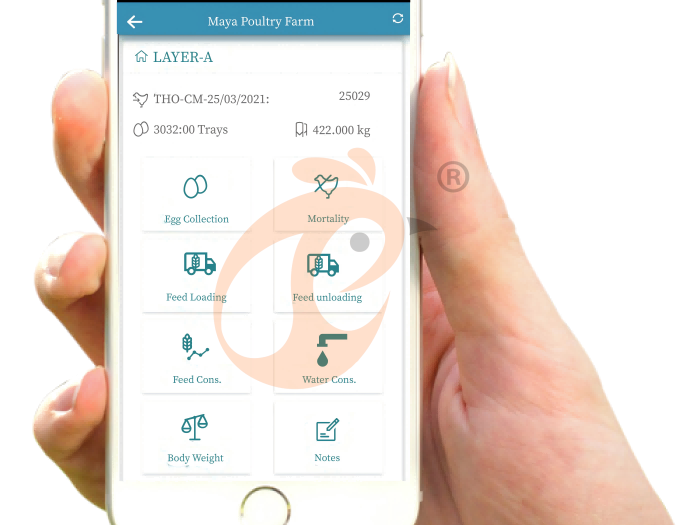
 IoT Smart Poultry FarmRead More
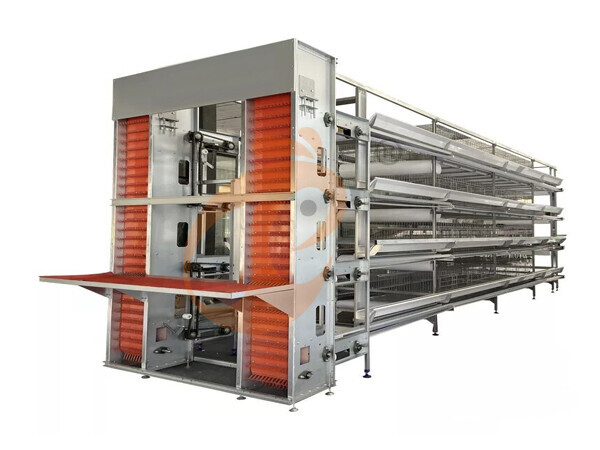
 >30,000 Layers Automatic H Type Battery CageRead More
 10,000 - 30,000 Layers Automatic A Type Battery CageRead More
MESSAGE