

BLOG
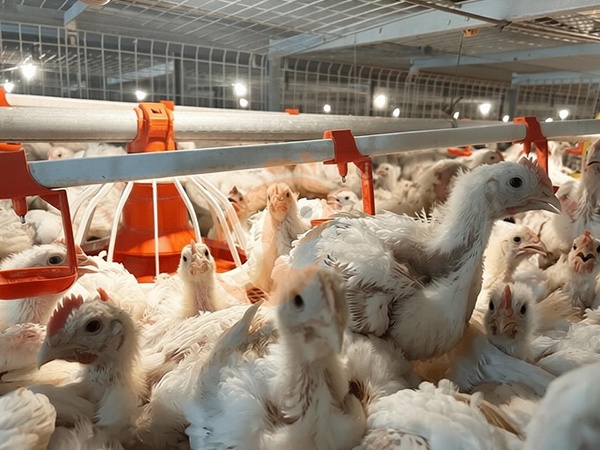
Floor rearing poultry house design determines flock performance through structural planning, airflow stability, and feed distribution accuracy.
Deep litter systems rely on controlled environmental balance to maintain uniform growth and reduce metabolic stress.
Engineering layout affects ventilation efficiency, ammonia dispersion, and litter moisture regulation across production cycles.
Equipment positioning influences feed conversion consistency, water intake stability, and behavioral spacing patterns.
Modern poultry housing integrates biosecurity zoning, thermal zoning, and mechanical ventilation into unified operational design.
Get professional poultry farm construction guidance, equipment selection solutions, and the latest price lists, whatsApp to +8618830120193, click to learn more:
Structural Geometry And Environmental Load Balancing
Structural geometry defines airflow resistance, thermal gradient distribution, and internal pressure stability across the poultry house length.
Design optimization ensures uniform environmental loading across bird occupancy zones without localized stress accumulation.
Data is for reference only.Swipe horizontally to view full table.
Structural efficiency is directly linked to airflow uniformity coefficient across longitudinal axis.
Pressure imbalance above 50 Pa increases energy consumption per ventilation cycle.
Floor-level microclimate stability depends on consistent aerodynamic distribution patterns.
Precision Feed And Water Delivery Engineering
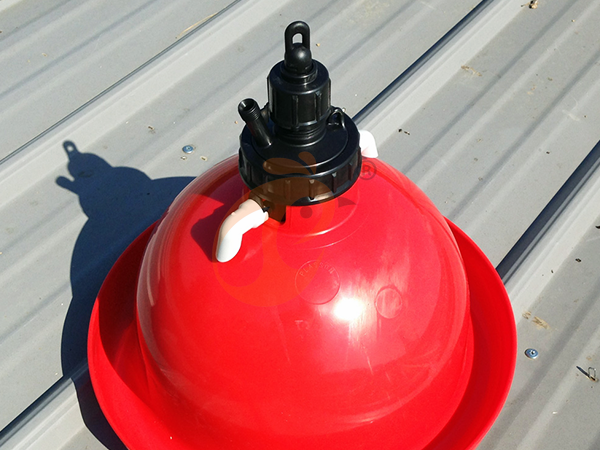
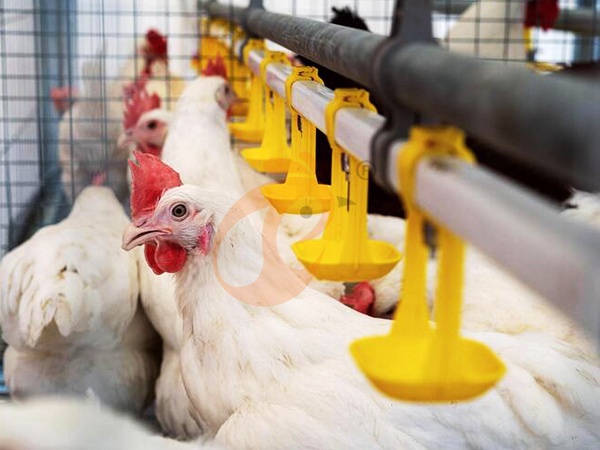
Feed and water systems operate as hydraulic and mechanical networks requiring calibrated flow consistency.
Uniform nutrient distribution ensures synchronized growth rate across population clusters.
Data is for reference only.Swipe horizontally to view full table.
Stable hydraulic pressure reduces feed wastage and improves nutrient uptake consistency.
Water delivery deviation beyond 10 percent increases uneven body weight distribution risk.
Mechanical synchronization between feed and drink cycles improves flock uniformity index.
Airflow Dynamics And Mechanical Ventilation Performance
Ventilation engineering governs gas exchange efficiency, heat removal rate, and humidity stabilization across production zones.
Tunnel ventilation design ensures directional airflow from cooling pads to exhaust systems.
Data is for reference only.Swipe horizontally to view full table.
Fan performance stability directly impacts ammonia dilution rate inside poultry house.
Air exchange efficiency below design threshold increases humidity accumulation risk.
Cooling pad saturation uniformity affects inlet air temperature consistency.
Brooding Microclimate Engineering
Brooding zone design focuses on thermal energy distribution, humidity control, and early behavioral conditioning of chicks.
Thermal uniformity is essential for feed intake activation during initial growth phase.
Data is for reference only.Swipe horizontally to view full table.
Thermal discontinuity above 2 °C variation reduces early feed consumption efficiency.
Localized cold zones increase clustering behavior and uneven growth distribution.
Radiant heating balance improves metabolic stability in early stage chicks.
Sanitation Engineering And Environmental Risk Control
Biosecurity systems function as contamination control layers integrated into structural layout design.
Moisture control and ammonia suppression define long-term litter stability.
Data is for reference only.Swipe horizontally to view full table.
Excess moisture above 28 percent increases microbial proliferation rate significantly.
Drainage efficiency determines ammonia release stability over production cycle.
Biosecurity zoning reduces cross contamination probability between production sections.
Supplemental Engineering Optimization Layer
Supplemental environmental control in floor rearing houses focuses on secondary airflow correction and localized climate stabilization.
Sidewall inlet air discharge angle is typically adjusted within 15°–25° to improve ceiling-level air mixing efficiency.
Negative pressure balance is maintained within a controlled range of 20–50 Pa to stabilize tunnel airflow consistency.
Light intensity distribution is regulated at 15–25 lux during grow-out phase to reduce stress-induced clustering behavior.
These parameters enhance micro-environment uniformity without interfering with primary ventilation or feeding system performance.
Additional Environmental Control Calibration Section
This section introduces supplemental operational parameters used in commercial floor rearing poultry systems to refine environmental stability during peak production cycles.
These values are applied in real farm calibration to improve system responsiveness under fluctuating external climate conditions.
Air inlet static adjustment range: 18–28 Pa during transitional ventilation mode.
Ceiling air return velocity: 1.4–1.9 m/s for mixed airflow stabilization.
Heat radiation dispersion uniformity index: 0.82–0.94 across house width.
CO₂ accumulation control threshold: 2800–3500 ppm under high stocking periods.
Litter surface evaporation rate: 0.18–0.26 kg/m²·h under standard ventilation cycles.
These parameters support fine-tuning of internal environmental equilibrium without altering primary ventilation or feeding architecture.
Environmental Sensor Calibration And Control Layer
This section provides additional precision monitoring parameters used in modern floor rearing poultry houses for real-time environmental adjustment.
These values are applied in automated control systems to stabilize dynamic fluctuations in long-cycle production environments.
Data is for reference only.Swipe horizontally to view full table.
These calibration parameters ensure stable feedback loops between environmental monitoring devices and ventilation control systems.
Sensor drift management directly affects long-term data reliability in automated poultry house operation.
Frequently Asked Questions
Q1: What is ideal air velocity in poultry house design?
Optimal air velocity ranges between 2.0 and 3.2 m/s at bird level.
This supports heat removal while avoiding excessive draft stress on broilers.
Q2: How does stocking density affect litter quality?
Density above 35 kg/m² increases litter moisture accumulation rate by approximately 18 percent.
This directly impacts ammonia concentration and footpad health conditions.
Q3: Why is tunnel ventilation important in floor rearing systems?
Tunnel ventilation maintains directional airflow and reduces temperature variance along house length.
It stabilizes heat index distribution during high ambient temperature periods.
Taiyu (HK) Group - One Of China Largest Poultry House Manufacturer
Floor rearing poultry house projects operate under controlled environmental engineering systems supporting 20–50 kg/m² biomass loading per cycle in commercial farms.
Company provides integrated poultry equipment including ventilation, feeding lines, and automated water systems for broiler operations.
Global factory direct supply model ensures standardized poultry equipment manufacturing across multiple production bases.
Turn-key engineering service covers layout design, installation, and commissioning for deep litter poultry systems.
Export-oriented poultry housing solutions support industrial scale farm construction and system optimization projects.
Contact Us To Received Your Customized Poultry Farm Plan
Headquarters And Branchs

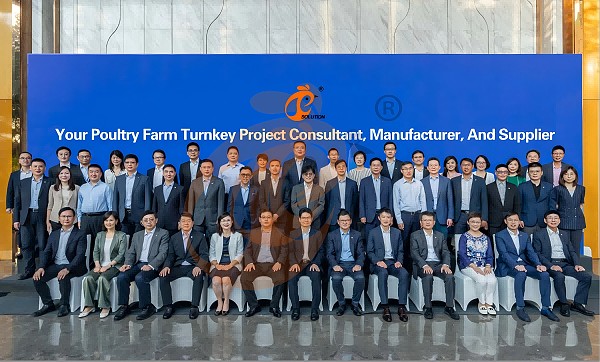
Hong Kong Headquarter Management Team
Hong Kong Headquarter Taiyu Industrial Group CO., LTD
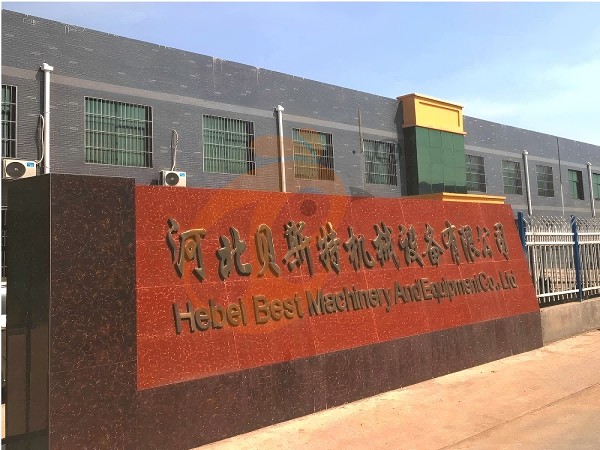
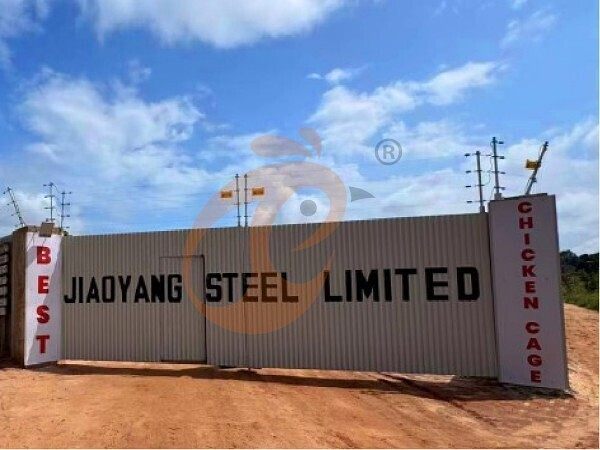
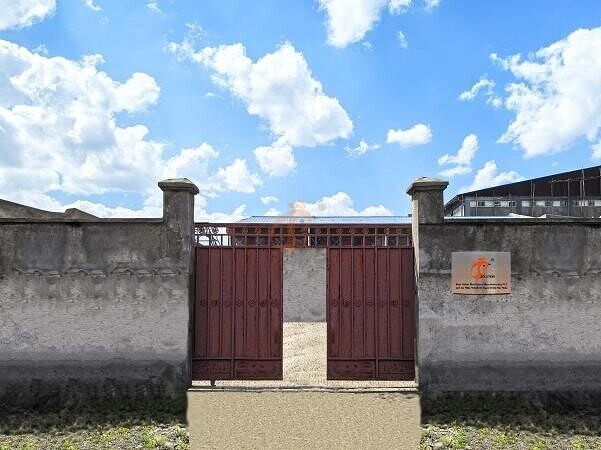
China Hebei Best Machinery And Equipment CO., LTD
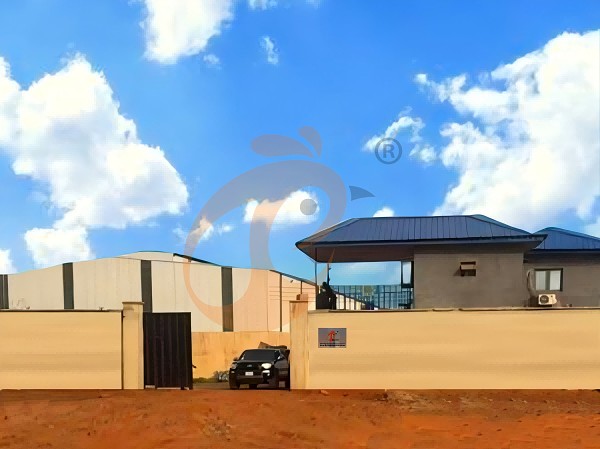
Nigeria Vanke Machinery And Equipment CO., LTD
Tanzania Best Machinery And Equipment CO., LTD
Ethiopia Best Hebei Machinery Manufacturing PLC
Reception /24 WhatsApp NO. : +8618830120193
PRODUCTS RECOMMENDED
 China Branch Manufacture Poultry Farm EquipmentRead More
 Ethiopia Branch Manufacture Poultry Farm EquipmentRead More
 Nigeria Branch Manufacture Poultry Farm EquipmentRead More
 Tanzania Branch Manufacture Poultry Farm EquipmentRead More
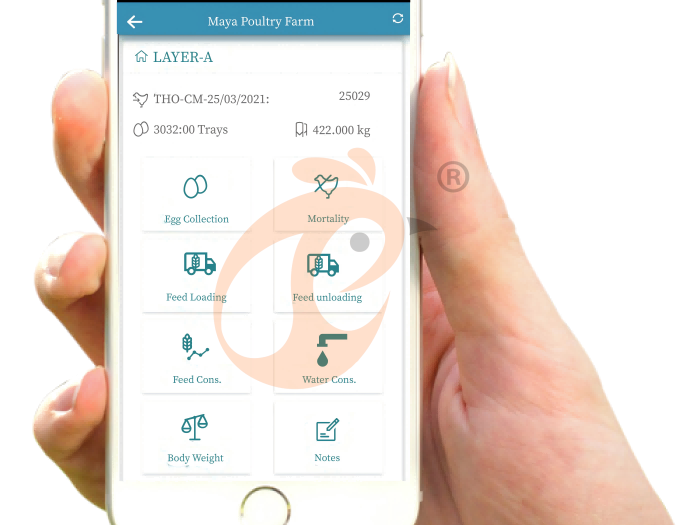
 IoT Smart Poultry FarmRead More
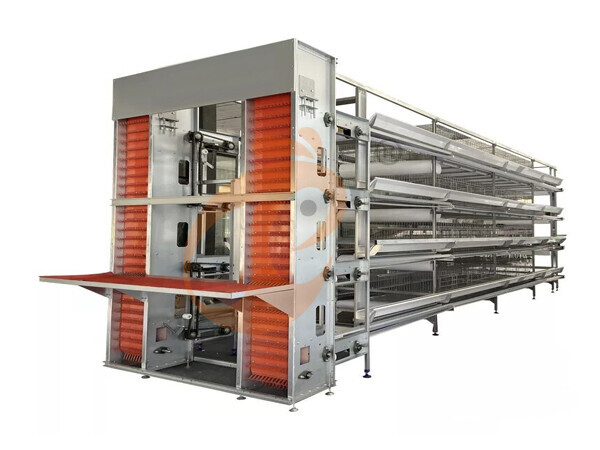
 >30,000 Layers Automatic H Type Battery CageRead More
 10,000 - 30,000 Layers Automatic A Type Battery CageRead More
MESSAGE