

BLOG
Free range poultry feed efficiency optimization system presents structured analysis of feed conversion, metabolic energy distribution, and production performance in commercial poultry farming systems.
Nutritional formulation strategies are examined to improve amino acid balance and reduce feed waste across broiler and layer production systems.
Environmental stress impacts on digestion efficiency, thermoregulation demand, and growth performance are evaluated under outdoor farming conditions.
Quantitative comparisons include feed intake patterns, pasture nutrient contribution, and microbiological activity influencing nutrient absorption rates.
Data-driven insights support industrial poultry equipment integration and system-level farm efficiency improvement across large-scale production operations.
Get professional poultry farm construction guidance, equipment selection solutions, and the latest price lists, whatsApp to +8618830120193, click to learn more:
Feed Efficiency As A Production Metric In Free-Range Poultry
Free-range poultry feed efficiency depends on feed conversion ratio and output consistency under outdoor conditions.
Industry benchmarks show measurable differences between housing systems and production models.
Data is for reference only.Swipe horizontally to view full table.
A key search term used in industry analysis is ''poultry feed conversion optimization system''.
This reflects how commercial farms evaluate production efficiency across housing models.
Physiological Energy Allocation In Outdoor Systems
Energy distribution in poultry changes significantly when birds move from indoor housing to outdoor systems.
A second important term in production analysis is ''free range poultry nutrition system''.
Data is for reference only.Swipe horizontally to view full table.
Energy redistribution explains reduced growth efficiency in outdoor production systems.
Nutrient Density Adjustment In Feed Formulation
Feed formulation must compensate for increased energy loss in free-range environments.
A third key industry phrase is ''organic free range poultry feed formulation''.
Data is for reference only.Swipe horizontally to view full table.
Higher nutrient density compensates for outdoor energy expenditure and improves retention efficiency.
Controlled Feeding Frequency Engineering
Feeding frequency affects digestion rhythm and nutrient uptake consistency in poultry production systems.
Data is for reference only.Swipe horizontally to view full table.
Improved scheduling reduces feed loss and stabilizes intake behavior across flock populations.
Pasture Nutrient Contribution Quantification
Pasture intake contributes measurable nutrients in free-range poultry systems.
Data is for reference only.Swipe horizontally to view full table.
Pasture composition directly affects protein intake stability in outdoor systems.
Environmental Load Reduction Engineering
Thermal stress and climate exposure influence feed efficiency through metabolic regulation changes.
Data is for reference only.Swipe horizontally to view full table.
Thermal stability improves metabolic efficiency and reduces unnecessary energy loss.
Feed Particle Engineering And Digestive Efficiency
Feed structure directly affects digestion rate and nutrient absorption in poultry gastrointestinal systems.
Data is for reference only.Swipe horizontally to view full table.
Processing technology improves nutrient availability and reduces digestion losses.
Scientific Mechanism: Gut Microbiota Optimization
Gut microbial balance plays a major role in feed efficiency and nutrient absorption performance.
Data is for reference only.Swipe horizontally to view full table.
Microbial balance enhances nutrient absorption efficiency and immune stability.
Protein Utilization Efficiency Analysis
Protein metabolism efficiency determines growth and egg production performance in poultry systems.
Data is for reference only.Swipe horizontally to view full table.
Enzyme supplementation significantly improves protein utilization efficiency.
Mortality Impact On Feed Efficiency
Flock survival rate directly influences feed efficiency at system level scale.
Data is for reference only.Swipe horizontally to view full table.
Lower mortality improves resource allocation efficiency in flock systems.
Egg Production Efficiency In Layer Systems
Egg production efficiency measures feed input against egg mass output in laying hens.
Data is for reference only.Swipe horizontally to view full table.
Higher feed intake reflects increased energy demand in outdoor production systems.
Mineral Utilization Efficiency In Poultry Systems
Mineral absorption efficiency supports skeletal structure and eggshell formation in poultry production.
Data is for reference only.Swipe horizontally to view full table.
Mineral absorption balance improves structural and reproductive performance.
Integrated Feed Efficiency System Model
Feed efficiency is determined by interactions between nutrition, environment, microbiology, and behavior systems.
Data is for reference only.Swipe horizontally to view full table.
System integration improves overall production efficiency stability.
Economic Impact Of Feed Efficiency Improvement
Feed cost represents approximately 60–70% of total poultry production expenditure.
European union standard reference only.
Data is for reference only.Swipe horizontally to view full table.
Efficiency improvements produce compounding financial benefits at scale.
Frequently Asked Questions
Q1: What is the main driver of feed inefficiency in free range poultry?
Feed inefficiency is mainly driven by increased energy expenditure from locomotion and thermoregulation.
Field data shows energy use rising from 32 kcal to 74 kcal per bird per day in activity load, reducing growth allocation.
This directly increases feed conversion ratio by 0.6 to 0.9 units depending on system design.
Q2: How does feed form influence digestibility performance?
Feed form affects gastric retention time and enzymatic breakdown efficiency.
Thermo processed pellets reach 88.1% digestibility compared to 71.3% in mash form.
This improves nutrient absorption consistency and reduces feed waste across flocks.
Q3: Can pasture alone support protein requirements?
Pasture contributes variable protein levels ranging from 14.7% to 25.8% depending on vegetation type.
However, it cannot fully meet amino acid requirements in high production stages.
Supplemental feed remains necessary to maintain nitrogen retention above 58%.
Taiyu (HK) Group - One Of China Largest Free Range System Equipment Supplier
- Free range poultry feed efficiency optimization system and automatic feeding equipment designed for commercial broiler and layer farms with precise nutrient control and energy balance.
- Global factory direct sales model reduces procurement cost by 12–18% compared with multi-layer distribution channels in poultry equipment procurement projects.
- Full poultry equipment supply including feed line, silo system, drinker system, and environmental control units for integrated farm construction.
- Turn-key engineering service covering farm design, installation, commissioning, and production training for large scale poultry operations worldwide.
- Export oriented manufacturing system supports 40+ countries delivery capacity with standardized production and quality inspection procedures for industrial poultry systems.
Contact Us To Received Your Customized Poultry Farm Plan
Headquarters And Branchs

Hong Kong Headquarter Management Team
Hong Kong Headquarter Taiyu Industrial Group CO., LTD
China Hebei Best Machinery And Equipment CO., LTD
Nigeria Vanke Machinery And Equipment CO., LTD
Tanzania Best Machinery And Equipment CO., LTD
Ethiopia Best Hebei Machinery Manufacturing PLC




Reception /24 WhatsApp NO. : +8618830120193
PRODUCTS RECOMMENDED
 China Branch Manufacture Poultry Farm EquipmentRead More
 Ethiopia Branch Manufacture Poultry Farm EquipmentRead More
 Nigeria Branch Manufacture Poultry Farm EquipmentRead More
 Tanzania Branch Manufacture Poultry Farm EquipmentRead More
 IoT Smart Poultry FarmRead More
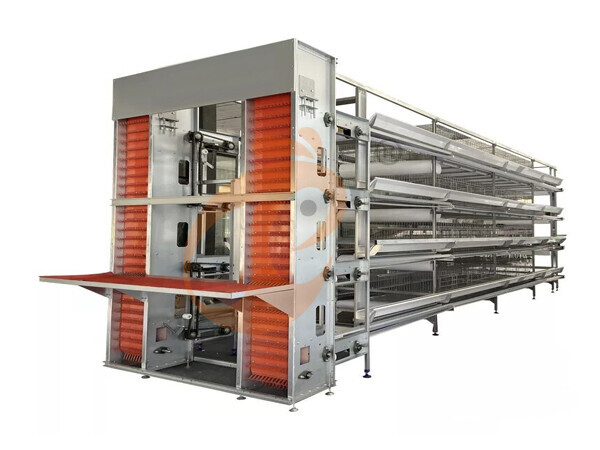
 >30,000 Layers Automatic H Type Battery CageRead More
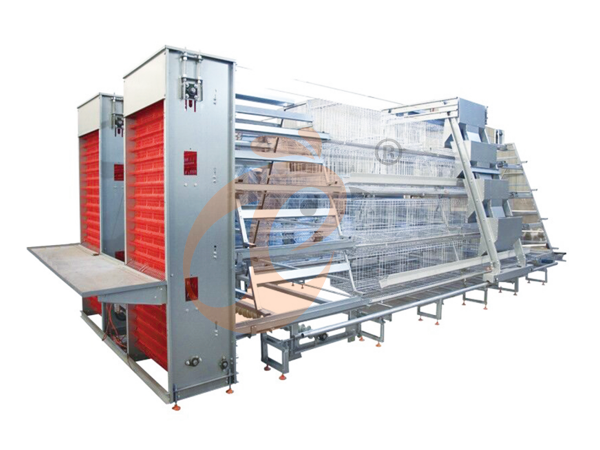
 10,000 - 30,000 Layers Automatic A Type Battery CageRead More

MESSAGE