

BLOG
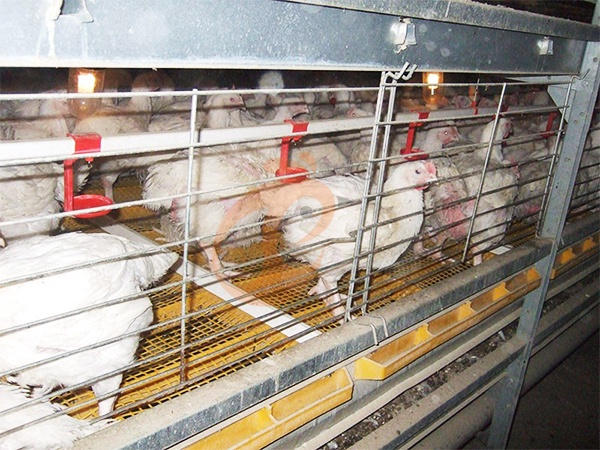
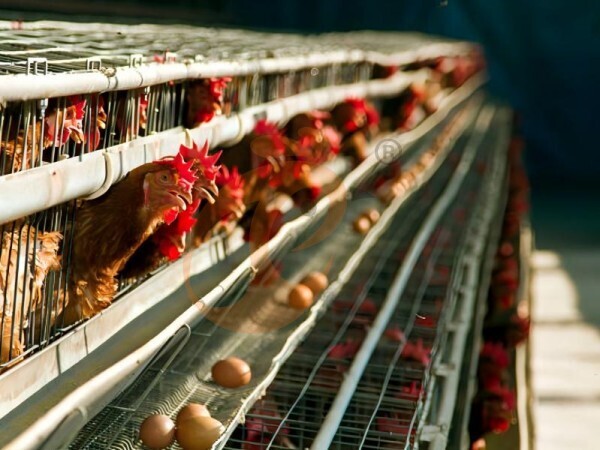
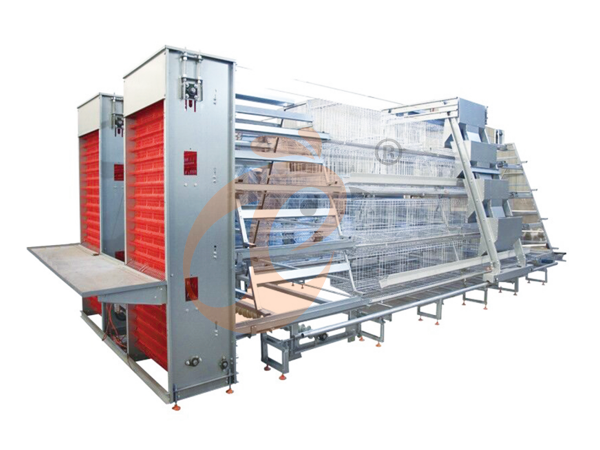
Commercial layer chicken cages cleaning system is essential for poultry farm hygiene and egg production stability.
Proper sanitation improves bird health, reduces disease risk, and increases laying efficiency in intensive poultry housing systems.
High pressure washing, disinfection, and ventilation control are key components in modern poultry cage cleaning processes.
Industrial poultry cage cleaning supports long term durability of galvanized steel cage structures and reduces ammonia concentration.
Get professional poultry farm construction guidance, equipment selection solutions, and the latest price lists, whatsApp to +8618830120193, click to learn more.
Pre Cleaning Preparation And System Shutdown Control
Commercial layer chicken cage cleaning system efficiency depends on proper shutdown and preparation procedures.
Pre cleaning preparation ensures safe and efficient sanitation of commercial layer chicken cages without damaging equipment or stressing birds.
Before starting cleaning operations, the poultry house must be fully emptied or birds transferred to a temporary holding facility.
Electrical systems, feeding lines, and egg collection conveyors must be shut down and locked under safety procedures.
Dry cleaning tools such as scrapers, brushes, and industrial blowers are prepared before water or chemical use begins.
Data is for reference only. Swipe horizontally to view full table.
Proper preparation reduces cleaning time and improves sanitation efficiency across large cage rows.
Dry Cleaning And Manure Removal Process
Poultry cage hygiene optimization is strongly influenced by dry cleaning efficiency in layer chicken housing systems.
Dry cleaning is the first physical hygiene barrier in commercial layer chicken cage maintenance systems.
It involves removing accumulated manure, feathers, feed residues, and dust before water based cleaning begins.
Mechanical scrapers or automated manure belts are commonly used in modern poultry production systems.
Dust control is essential because airborne particles carry bacteria and increase respiratory risks in poultry houses.
Data is for reference only. Swipe horizontally to view full table.
Efficient manure removal significantly reduces ammonia concentration and microbial growth in cage environments.
High Pressure Water Washing And Surface Cleaning
Industrial poultry cage cleaning technology improves deep sanitation performance in commercial poultry housing systems.
Water washing removes remaining organic residues that cannot be eliminated through dry cleaning methods.
High pressure washing systems are widely used in industrial layer chicken cage farms due to efficiency and deep cleaning capability.
Water pressure must be carefully controlled to avoid damaging galvanized steel cage structures or plastic components.
Cleaning should follow a top to bottom directional flow to prevent recontamination of already cleaned areas.
Data is for reference only. Swipe horizontally to view full table.
Proper washing ensures that organic matter is minimized before chemical disinfection begins.
Chemical Disinfection And Microbial Control
Layer chicken cage disinfection system plays a critical role in eliminating pathogens in poultry production facilities.
Disinfection is the most critical hygiene step in commercial layer chicken cage cleaning systems.
It eliminates bacteria, viruses, fungi, and other pathogens that survive mechanical cleaning processes.
Disinfectants must be selected based on microbial spectrum, safety level, and cage material compatibility.
Common disinfectants include quaternary ammonium compounds, hydrogen peroxide, and iodine based solutions.
Data is for reference only. Swipe horizontally to view full table.
Uniform spraying ensures full coverage of cage surfaces, including joints and hidden structural areas.
Drying Ventilation And Environmental Stabilization
Poultry house ventilation control improves drying efficiency and reduces microbial regrowth after cleaning.
Drying is essential after disinfection to prevent microbial regrowth in humid environments.
Proper ventilation accelerates moisture evaporation and improves air quality inside poultry houses.
Industrial fans and airflow systems are commonly installed in commercial poultry engineering facilities.
Environmental stabilization includes controlling temperature, humidity, and ammonia levels before restocking birds.
Data is for reference only. Swipe horizontally to view full table.
Stable environmental conditions directly affect the success of biosecurity restoration.
Final Inspection And Biosecurity Verification
Biosecurity control in poultry farms ensures long term hygiene stability and production safety.
Final inspection ensures that cleaning and disinfection procedures meet poultry production hygiene standards.
Technicians evaluate cage surfaces, water lines, feeding systems, and ventilation components for contamination risks.
Microbial swab tests are often conducted to verify sanitation effectiveness in commercial farms.
Any detected contamination requires immediate re-cleaning and targeted disinfection treatment.
Data is for reference only. Swipe horizontally to view full table.
Systematic inspection ensures long term productivity and reduces disease outbreak risks.
Biosecurity Reinforcement And Re Entry Preparation
Poultry farm biosecurity system prevents recontamination after cleaning procedures are completed.
Controlled entry systems, disinfectant footbaths, and protective clothing zones are implemented.
Personnel movement is restricted based on contamination risk levels across poultry production areas.
Re entry preparation ensures that only sanitized equipment and approved staff access cleaned cage systems.
Data is for reference only. Swipe horizontally to view full table.
Strong biosecurity systems significantly reduce disease transmission risks in commercial poultry operations.
Engineering Material And Cage Durability Analysis
Modern poultry cage system materials directly influence cleaning efficiency and long term maintenance cost.
Galvanized steel cages offer high durability but require anti corrosion maintenance after repeated chemical exposure.
Plastic composite cages provide better resistance to chemical corrosion but may have lower structural strength under heavy load.
Data is for reference only. Swipe horizontally to view full table.
Material selection should align with production scale, cleaning frequency, and automation level.
Operational Optimization And Automation Trends
Automated poultry cage cleaning systems improve efficiency and reduce labor costs in large scale farms.
Efficient cleaning systems reduce labor costs and improve production continuity in large poultry farms.
Automation technologies such as robotic scrapers and sensor based disinfection systems are increasingly used in modern layer chicken facilities.
Standard operating procedures ensure consistency across cleaning cycles and reduce human error in hygiene management.
Energy efficient water recycling systems also help reduce environmental impact and operational costs.
Frequently Asked Questions
Q1: How often should commercial layer chicken cages be cleaned?
A1: Cleaning frequency depends on production cycle length, stocking density, and manure accumulation speed in the poultry house.
In industrial layer systems, full cleaning is generally carried out after each laying cycle or every 60 to 90 days.
Daily removal of manure and routine surface washing are still required to maintain ammonia control and reduce microbial load.
A structured cleaning schedule improves egg quality, reduces disease pressure, and extends cage system service life.
Q2: What is the most critical step in cage cleaning process?
A2: Chemical disinfection is the most critical stage because it eliminates bacteria, viruses, and fungi that remain after physical cleaning.
Even when surfaces appear clean, microbial contamination can still persist in joints, corners, and feeding system channels.
Proper disinfectant selection, correct concentration, and sufficient contact time ensure complete pathogen inactivation.
This step directly determines biosecurity success and flock health stability in commercial poultry production systems.
Q3: Can high pressure washing damage layer chicken cages?
A3: Yes, improper pressure levels can deform wire mesh and damage galvanized coating on cage structures.
If pressure exceeds recommended engineering limits, it may weaken welding points and reduce corrosion resistance performance.
Controlled washing parameters must match cage material strength and design specifications to avoid structural fatigue.
Correct operation ensures deep cleaning efficiency while maintaining long term durability of poultry cage equipment systems.
Taiyu (HK) Group - One Of China Largest Poultry Cage Manufacturer
Commercial poultry cage refers to automated layer chicken cage system with feeding and manure removal functions.
Global factory direct supply supports poultry farm equipment including poultry cage and ventilation system integration.
Turn key engineering solutions include design installation and commissioning with parameters 50,000 to 200,000 birds capacity systems.
Industrial production covers high efficiency automation reducing labor cost and improving egg output stability.
European union standard reference only for equipment configuration and system optimization performance design.
Contact Us To Received Your Customized Poultry Farm Plan
Headquarters And Branchs

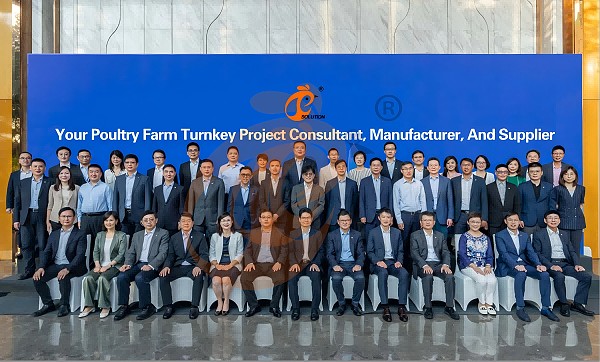
Hong Kong Headquarter Management Team
Hong Kong Headquarter Taiyu Industrial Group CO., LTD
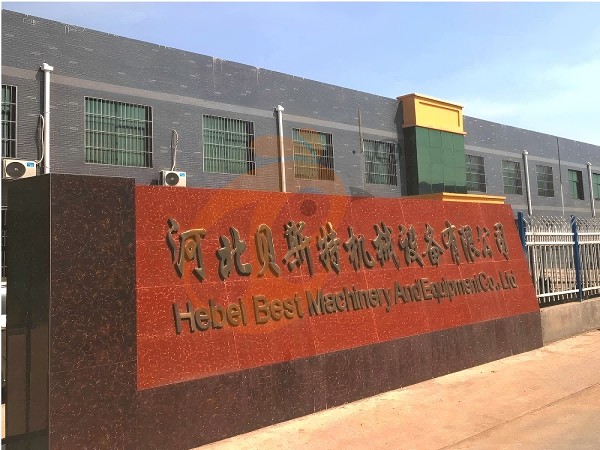
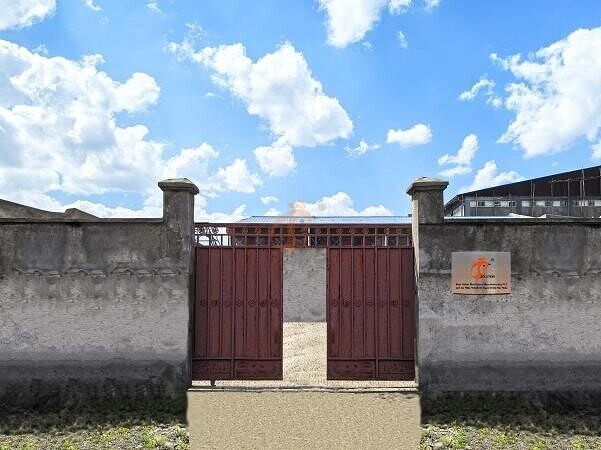
China Hebei Best Machinery And Equipment CO., LTD
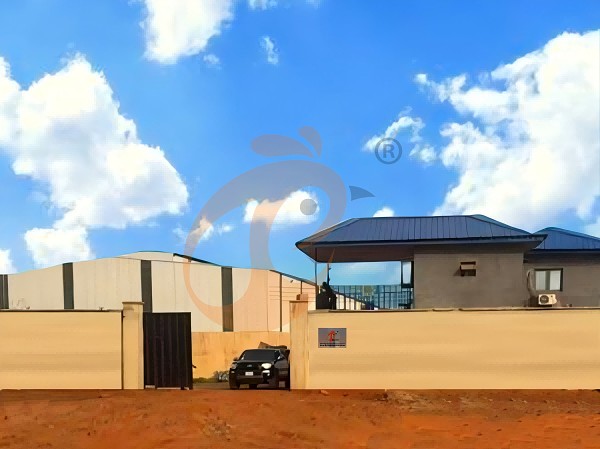
Nigeria Vanke Machinery And Equipment CO., LTD
Tanzania Best Machinery And Equipment CO., LTD
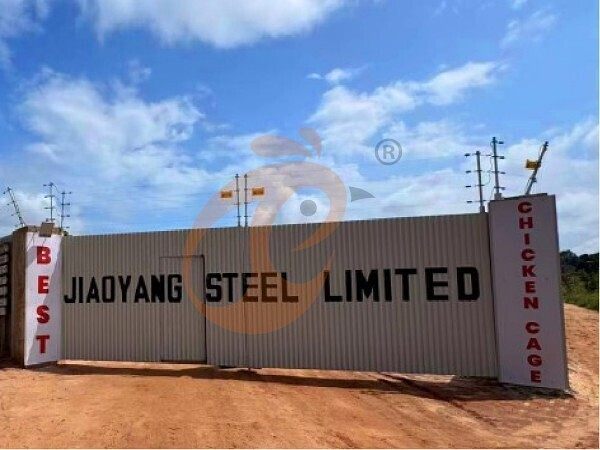
Ethiopia Best Hebei Machinery Manufacturing PLC
Reception /24 WhatsApp NO. : +8618830120193
PRODUCTS RECOMMENDED
 China Branch Manufacture Poultry Farm EquipmentRead More
 Ethiopia Branch Manufacture Poultry Farm EquipmentRead More
 Nigeria Branch Manufacture Poultry Farm EquipmentRead More
 Tanzania Branch Manufacture Poultry Farm EquipmentRead More
 IoT Smart Poultry FarmRead More
 >30,000 Layers Automatic H Type Battery CageRead More
 10,000 - 30,000 Layers Automatic A Type Battery CageRead More
MESSAGE
NEWS
 How To Optimize Stocking Density In Broiler Chicken Cages | 5 Practical TipsRead More
 How To Improve Feed Efficiency In Floor Rearing System | 6 Practical StepsRead More
 Poultry Equipment Daily Maintenance | 5 Essential Tips To Reduce CostsRead More
 How To Clean Commercial Layer Chicken Cages | 6 Practical Hygiene StepsRead More