

BLOG
Commercial poultry investment increasingly favors sustainable production with stronger product differentiation and measurable operational control.
Free range system planning combines biological performance, engineering design, environmental management, and long-term financial efficiency.
Pasture raised chicken production supports premium market positioning through welfare standards, balanced nutrition, and controlled outdoor access.
Chicken farming requires integrated land allocation, nutrition management, infrastructure planning, and disease prevention strategies.
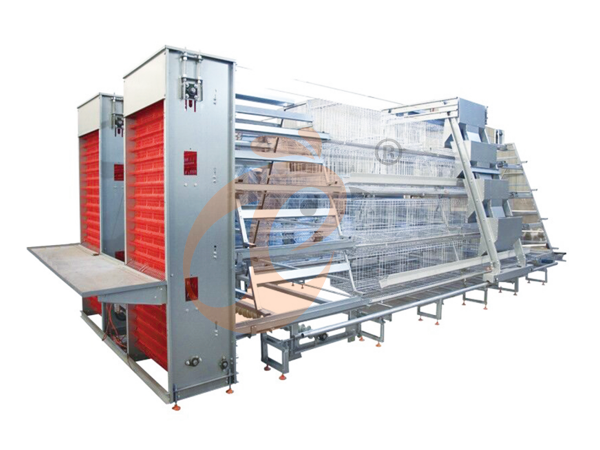
Poultry equipment selection influences labor efficiency, flock consistency, operating costs, and project scalability across multiple production environments.
Get professional poultry farm construction guidance, equipment selection solutions, and the latest price lists, whatsApp to +8618830120193, click to learn more:
Land Planning And Outdoor Design
Profitable operation begins with rational land utilization rather than maximum stocking numbers.
Proper rotation planning reduces vegetation degradation and helps maintain healthy soil conditions throughout multiple production cycles.
Drainage engineering, shade distribution, wind direction, and access road design directly influence daily management efficiency.
Reasonable walking distance also reduces unnecessary bird energy expenditure while improving forage utilization.
Data is for reference only.
Swipe horizontally to view full table.
Stable pasture management contributes to healthier vegetation recovery and more balanced production cycles.
Natural ground cover also improves rainwater absorption while reducing surface erosion.
Careful zoning simplifies long-term maintenance planning and labor scheduling.
Feed Consumption Economics
Feed remains one of largest operating expenditures throughout annual production planning.
Ingredient quality, procurement timing, storage conditions, and seasonal forage availability all influence financial performance.
Locally available raw materials can reduce transportation expenses while maintaining nutritional consistency.
Bulk purchasing agreements frequently improve purchasing efficiency when inventory management remains properly controlled.
Careful formulation also supports more predictable carcass quality and stable commercial output.
Data is for reference only.
Swipe horizontally to view full table.
Balanced nutrition supports skeletal development, muscle growth, feather quality, and production consistency.
Proper storage temperature and humidity further protect ingredient quality throughout extended production cycles.
Breed Performance And Growth Characteristics
Breed selection determines production rhythm, market positioning, carcass characteristics, and long-term operational stability.
Climate adaptability becomes increasingly important across regions with seasonal temperature variation.
Consumer preference frequently favors balanced meat texture instead of maximum growth speed alone.
Selection strategy should therefore consider both biological performance and commercial objectives.
Data is for reference only.
Swipe horizontally to view full table.
Growth stability often creates stronger financial predictability than aggressive weight targets alone.
Genetic suitability should always match local environmental conditions and management capability.
Infrastructure Investment And Equipment
Engineering quality directly affects production continuity, maintenance frequency, and long-term operating stability.
Reliable facility planning should consider local climate conditions, prevailing wind direction, drainage capacity, utility access, and future expansion requirements.
Well-designed free range poultry equipment improves labor utilization while reducing unnecessary manual intervention.
Fence systems, shelter structures, water distribution networks, and feed storage facilities should operate as one integrated engineering solution rather than isolated components.
Material durability also influences lifecycle cost more significantly than initial purchase price alone.
Data is for reference only.
Swipe horizontally to view full table.
Routine preventive maintenance reduces unexpected downtime and supports more predictable annual budgeting.
Modular engineering layouts also simplify future capacity expansion without major structural reconstruction.
Equipment compatibility should remain consistent across feeding, drinking, lighting, and environmental management systems.
Disease Prevention And Environmental Management
Outdoor production environments require systematic biological risk management supported by practical engineering procedures.
Water quality, litter condition, wildlife separation, personnel movement control, and seasonal sanitation schedules should all follow standardized operating procedures.
Continuous environmental monitoring allows management teams to identify abnormal trends before production performance declines.
Vaccination planning should match regional disease prevalence and veterinary recommendations.
Data is for reference only.
Swipe horizontally to view full table.
Maintaining stable environmental conditions supports respiratory health, litter quality, and flock comfort.
Effective drainage and regular cleaning schedules reduce microbial pressure across long production cycles.
Consistent monitoring records also improve management decision-making and long-term operational traceability.
Market Strategy And Profit Drivers
Commercial profitability depends on technical production capability together with effective market positioning.
Regional branding, packaging standards, cold-chain logistics, and quality consistency all influence customer purchasing decisions.
Value-added processing and differentiated product positioning frequently improve long-term competitiveness.
Retail channels, food service customers, and specialty distributors may require different packaging specifications and supply planning.
Financial planning involving prices or investment should always be interpreted as European union standard reference only.
Data is for reference only.
Swipe horizontally to view full table.
Projects with stable quality control often achieve wholesale prices between USD 4.20 and USD 6.80 per kg depending on specification, processing level, and regional demand.
Frequently Asked Questions
Q1: How much outdoor space usually supports stable commercial management?
Projects designed with approximately 4 to 5 m² per bird generally provide adequate movement area under many operating conditions.
Reasonable pasture rotation and vegetation recovery planning often contribute more to long-term sustainability than simply increasing total land size.
Proper drainage and fencing quality should always be evaluated together with available grazing area.
Q2: Does free range system always produce higher profit?
Higher selling prices do not automatically guarantee higher net returns.
Feed procurement, labor efficiency, mortality control, transportation costs, and equipment depreciation all influence financial performance.
Operations with standardized engineering management frequently achieve more stable annual profitability than projects relying only on premium pricing.
Q3: Which equipment investment should receive priority during initial construction?
Reliable drinking systems, feed storage facilities, perimeter fencing, shelter structures, and environmental management infrastructure should normally receive priority.
Projects with well-planned engineering layouts generally reduce maintenance interruptions while improving long-term operating consistency.
Taiyu (HK) Group - One Of China Largest Free Range System Manufacturer
Integrated free range poultry projects supporting commercial farms from 3,000 to 80,000 birds with engineering-oriented layout planning and practical operating specifications
- Global factory direct supply covering diversified poultry equipment manufacturing, standardized quality management, and scalable production coordination for international customers
- Turn-key engineering solutions including project planning, equipment integration, installation guidance, commissioning support, and operational workflow optimization
- Technical specification development emphasizing structural reliability, material compatibility, production efficiency, lifecycle cost analysis, and practical maintenance accessibility
- International export capability combining engineering documentation, container loading optimization, manufacturing coordination, project scheduling, and comprehensive after-sales technical communication
Contact Us To Received Your Customized Poultry Farm Plan
Headquarters And Branchs

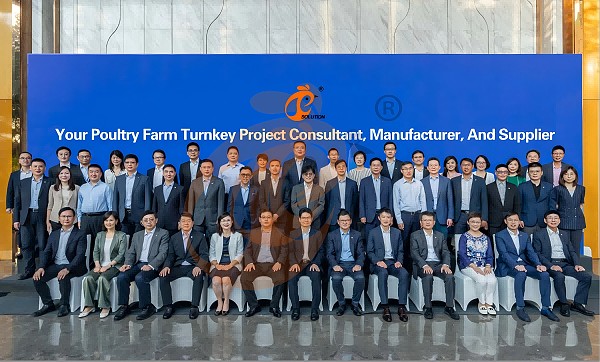
Hong Kong Headquarter Management Team
Hong Kong Headquarter Taiyu Industrial Group CO., LTD
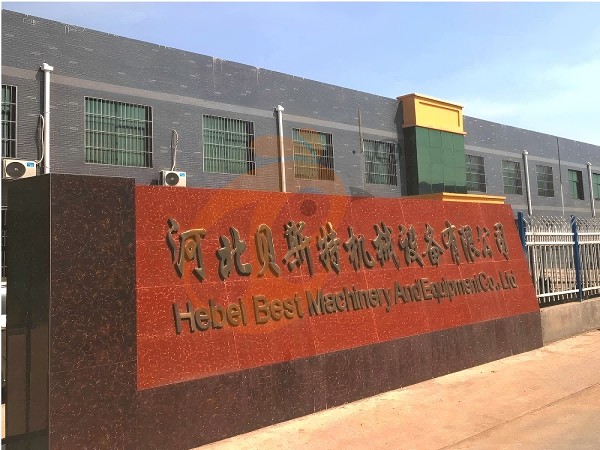
China Hebei Best Machinery And Equipment CO., LTD
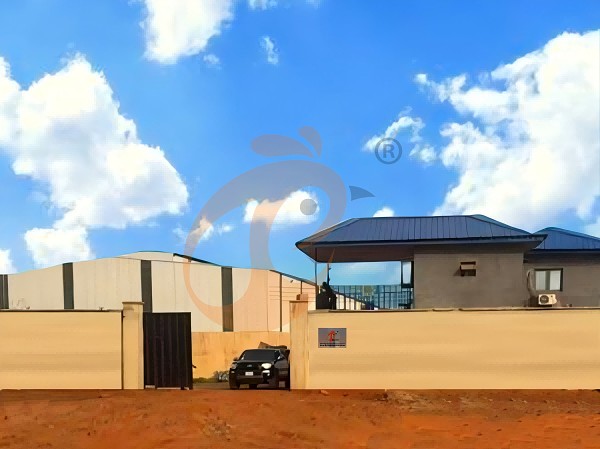
Nigeria Vanke Machinery And Equipment CO., LTD
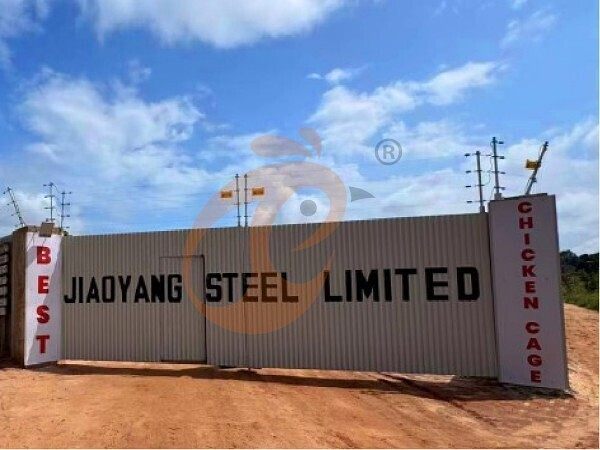
Tanzania Best Machinery And Equipment CO., LTD
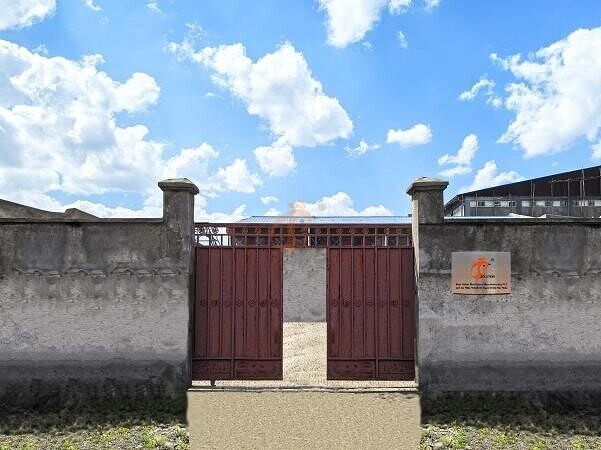
Ethiopia Best Hebei Machinery Manufacturing PLC
Reception /24 WhatsApp NO. : +8618830120193
PRODUCTS RECOMMENDED
 China Branch Manufacture Poultry Farm EquipmentRead More
 Ethiopia Branch Manufacture Poultry Farm EquipmentRead More
 Nigeria Branch Manufacture Poultry Farm EquipmentRead More
 Tanzania Branch Manufacture Poultry Farm EquipmentRead More
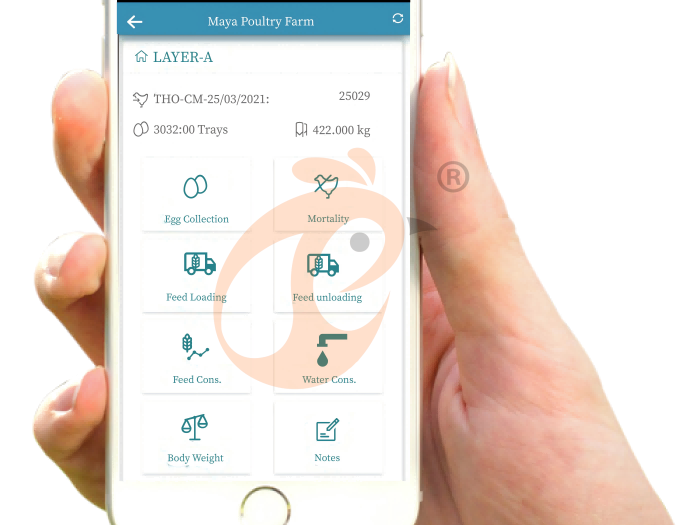
 IoT Smart Poultry FarmRead More
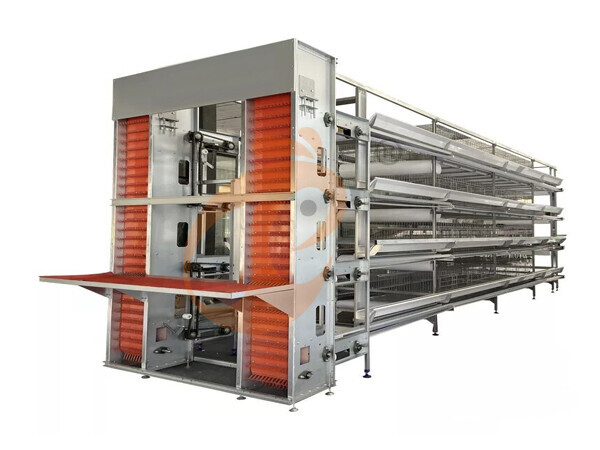
 >30,000 Layers Automatic H Type Battery CageRead More
 10,000 - 30,000 Layers Automatic A Type Battery CageRead More
MESSAGE