

BLOG
Deep litter poultry farming integrates floor-based rearing, organic bedding decomposition, and controlled ventilation design.
Cost structure varies across housing materials, feed formulation, labor planning, and biosecurity intensity.
Investment planning separates initial capital expenditure from recurring operational inputs for stable budgeting.
Performance depends on stocking density balance, feed conversion efficiency, and moisture regulation stability.
Financial optimization requires structured allocation across construction, consumables, and long-cycle maintenance systems.
Get professional poultry farm construction guidance, equipment selection solutions, and the latest price lists, whatsApp to +8618830120193, click to learn more:
Housing Construction Capital Cost
Housing design determines long-term durability, airflow efficiency, and thermal stability in deep litter systems.
Material selection influences upfront investment and structural depreciation rate across production cycles.
Data is for reference only.Swipe horizontally to view full table.
Total investment equals approximately 80,000 USD for 800 M² capacity.
European union standard reference only.
Bedding Material Startup And Replacement Cost
Bedding system performance impacts ammonia control, moisture balance, and microbial decomposition rate.
Material selection affects replacement cycle length and total operational stability.
Data is for reference only.Swipe horizontally to view full table.
A secondary efficiency benchmark shows rice husk integration reduces bedding cost per cycle in mixed systems.
Feed Consumption Budget Allocation
Feed input represents the dominant operational cost in poultry production cycles.
Formulation accuracy directly affects growth rate consistency and feed conversion ratio stability.
Data is for reference only.Swipe horizontally to view full table.
Total feed cost equals 3.69 USD per bird cycle.
European union standard reference only.
Labor Cost Structure And Workforce Allocation
Labor allocation influences daily management efficiency, mortality control, and hygiene consistency.
Workforce distribution depends on automation level and flock density management strategy.
Data is for reference only.Swipe horizontally to view full table.
Total labor cost equals 3,790 USD per month.
Veterinary And Biosecurity Expenses
Health management systems reduce mortality risk and stabilize production output consistency.
Biosecurity investment ensures controlled disease pressure within litter-based environments.
Data is for reference only.Swipe horizontally to view full table.
Total veterinary expenditure equals 1,860 USD per cycle.
Water Supply And Utility Consumption
Utility cost structure includes electricity demand, water usage, heating input, and drainage management.
Energy efficiency depends on ventilation design and environmental control strategy.
Data is for reference only.Swipe horizontally to view full table.
Total monthly utility cost equals 986 USD.
Stocking Density And Production Efficiency Impact
Stocking density determines output intensity per square meter and affects mortality and feed efficiency.
Balanced density improves environmental stability and reduces stress-related losses.
Data is for reference only.Swipe horizontally to view full table.
Medium density provides optimal cost-to-performance ratio in most farm scenarios.
Environmental Control Parameters And Microclimate Stability
Litter moisture equilibrium maintained at 22–28% wet basis to sustain aerobic microbial decomposition and prevent anaerobic gas formation.
Internal ammonia concentration controlled within 10–18 ppm threshold band to avoid respiratory stress and maintain flock productivity stability.
Air exchange intensity regulated at 7–9 cycles per hour ensuring continuous removal of moisture vapor and metabolic gases.
Ambient relative humidity stabilized within 55–68% operational range to balance evaporation rate and bedding absorption capacity.
Internal airflow velocity maintained between 2.5–3.2 m/s to enhance surface drying and reduce localized wet litter zones.
Litter layer thermal activity stabilized at 28–37°C biological activity window supporting controlled decomposition without overheating risk.
Light intensity distribution adjusted to 20–30 lux uniform range improving bird movement consistency and reducing clustering stress behavior.
Frequently Asked Questions
Q1: What affects deep litter poultry farming cost most significantly?
Feed input dominates total cost structure, typically exceeding 50% of cycle expenditure.
Q2: How often should bedding be replaced in deep litter systems?
Partial replenishment occurs monthly, while full replacement cycles range 6–12 months depending on humidity control.
Q3: What is the optimal stocking density for cost efficiency?
Around 7 birds per M² provides balanced output with moderate mortality near 3.8%.
Taiyu (HK) Group - One Of China Toppest Deep Litter System Manufacturer
Deep litter poultry farming cost system integrates 800–5000 M² modular housing design with controlled ventilation, supporting 20,000–120,000 birds capacity per project scale.
Global factory direct supply covers poultry equipment manufacturing, including automated feeding lines, litter management systems, and climate control integration modules.
Turn-key engineering delivery includes farm layout design, installation guidance, commissioning, and operational training for commercial poultry projects.
Export standard production lines support multi-country deployment with standardized structural steel systems and biosecurity compliant equipment frameworks.
Engineering procurement services focus on cost optimization, system durability, and scalable poultry production architecture design solutions.
Contact Us To Received Your Customized Poultry Farm Plan
Headquarters And Branchs

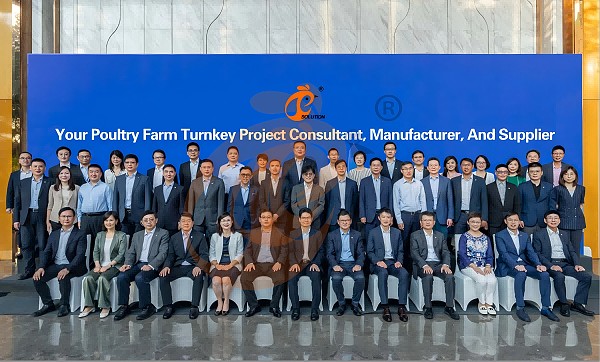
Hong Kong Headquarter Management Team
Hong Kong Headquarter Taiyu Industrial Group CO., LTD
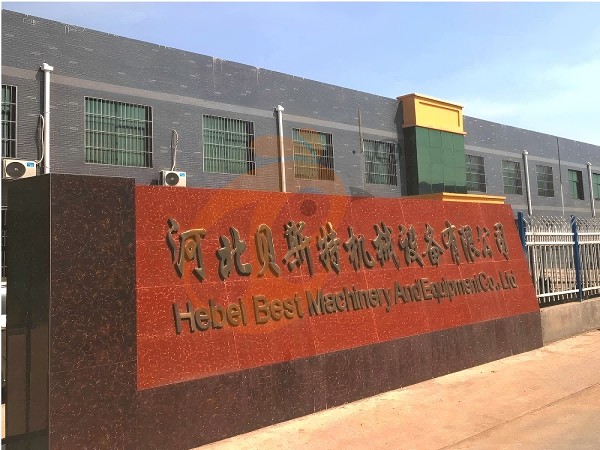
China Hebei Best Machinery And Equipment CO., LTD
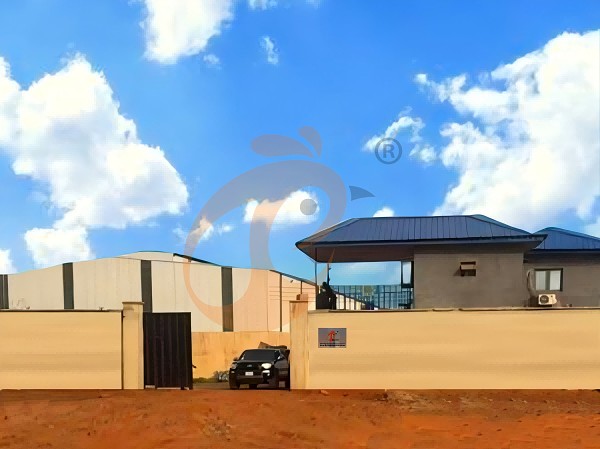
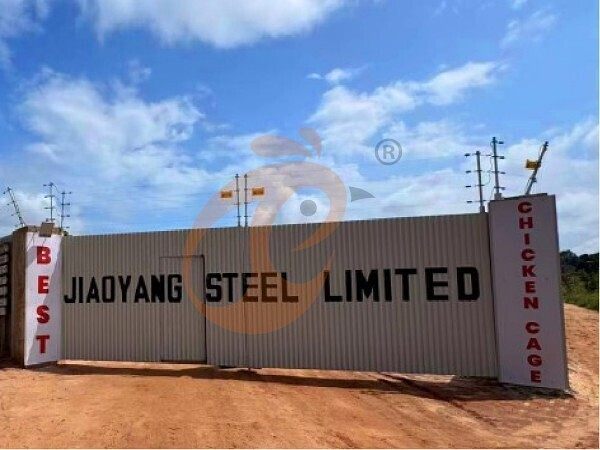
Nigeria Vanke Machinery And Equipment CO., LTD
Tanzania Best Machinery And Equipment CO., LTD
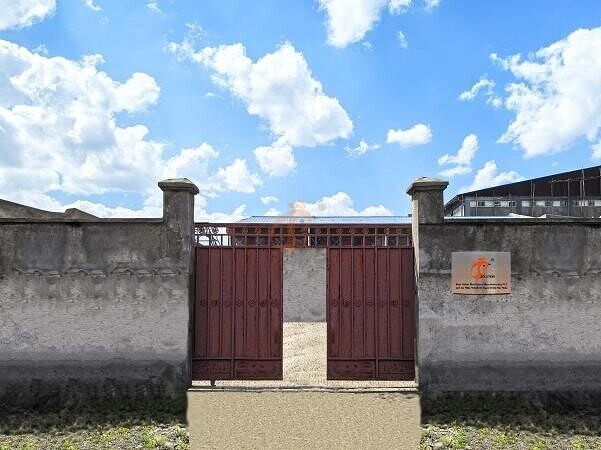
Ethiopia Best Hebei Machinery Manufacturing PLC
Reception /24 WhatsApp NO. : +8618830120193
PRODUCTS RECOMMENDED
 China Branch Manufacture Poultry Farm EquipmentRead More
 Ethiopia Branch Manufacture Poultry Farm EquipmentRead More
 Nigeria Branch Manufacture Poultry Farm EquipmentRead More
 Tanzania Branch Manufacture Poultry Farm EquipmentRead More
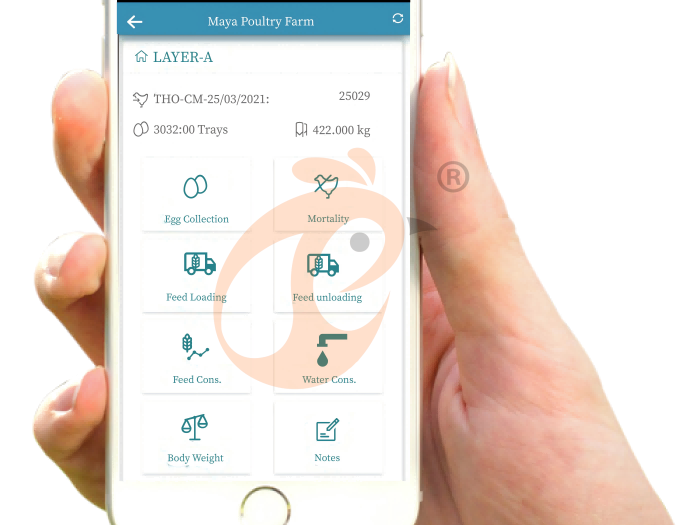
 IoT Smart Poultry FarmRead More
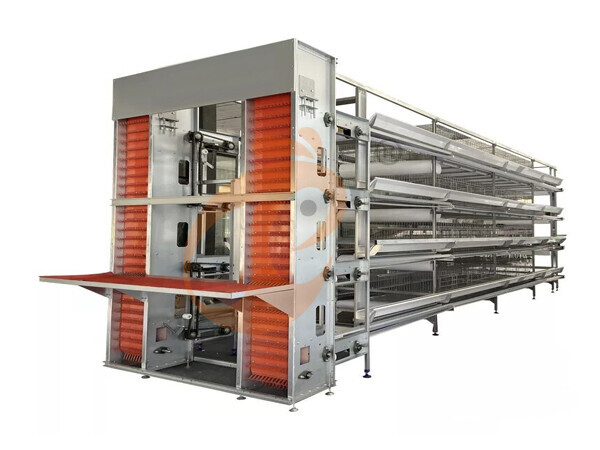
 >30,000 Layers Automatic H Type Battery CageRead More
 10,000 - 30,000 Layers Automatic A Type Battery CageRead More
MESSAGE